
Sand can work well in a chicken coop when you choose the right type and manage it properly. Many backyard chicken owners like sand because it drains quickly, dries faster than some bedding materials, and makes droppings easier to remove. However, not every bag of sand is suitable for poultry. Fine play sand, dusty masonry products, and unknown fill material can create problems inside a coop. If you are asking where to buy sand for chicken coop use, the best answer depends on how much you need, what type of sand is available locally, and whether you are filling an indoor coop, outdoor run, or both.
Home improvement stores, landscape supply yards, gravel companies, feed stores, and local building-material suppliers may all carry useful options. For larger coops, buying by the ton or cubic yard usually makes more sense than purchasing small bags. Before ordering, ask exactly what the supplier sells and whether the material contains excessive dust, clay, debris, or additives. The goal is to find a coarse, clean, washed sand that drains well and remains manageable during routine cleaning.
Where To Buy Sand For Chicken Coop Use
You can usually find suitable sand at landscape supply yards, gravel companies, construction-material suppliers, and some home improvement stores. Landscape yards often provide the best value when you need a large amount. Many sell washed concrete sand, construction sand, or similar coarse products by weight or volume. Some suppliers will also deliver directly to your property. This can save significant effort when you need enough material for a large coop or run. Always ask the supplier to describe the particle size and whether the sand has been washed.
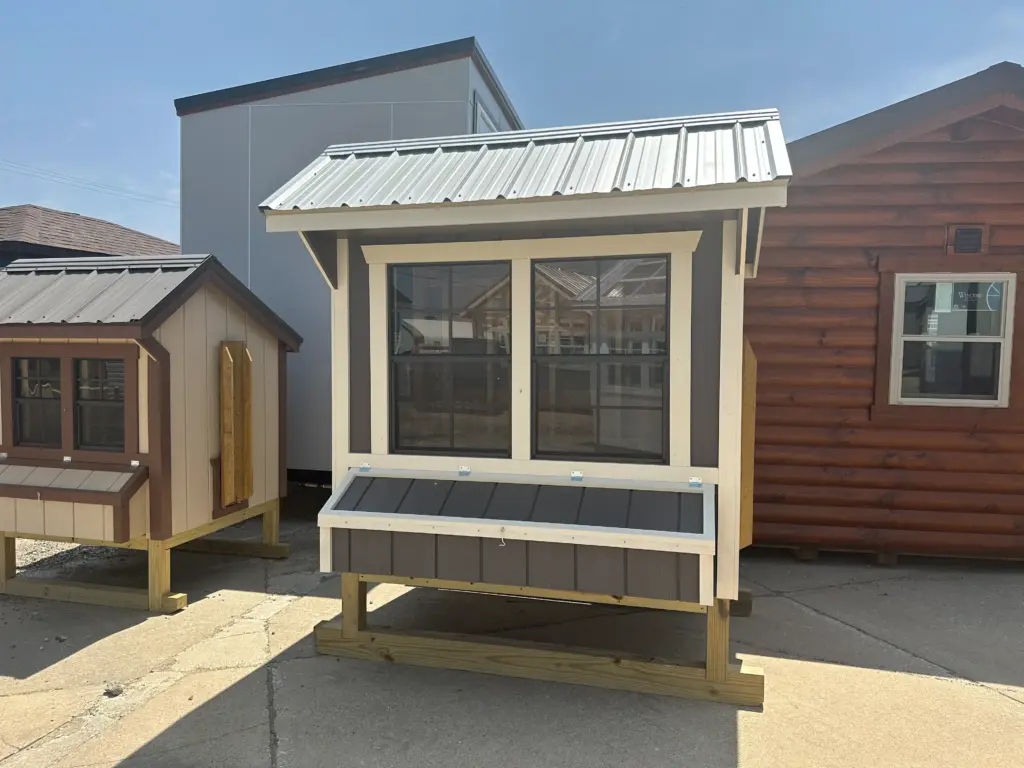
For smaller projects, bagged sand from a home improvement store may be more convenient. Check the label carefully before buying. Look for coarse, washed material with visible particle variation. Avoid choosing a product only because the bag says “sand.” Different products serve different purposes. Some contain very fine particles or additives that may not suit a poultry area. If you want to compare bedding needs with the layout of a finished structure, Hartville Outdoor Products offers chicken coops in different sizes and configurations for backyard flock care.
Choose The Right Type Of Sand
Coarse washed sand generally works better than very fine sand in a chicken coop. The larger particles create better drainage and produce less airborne dust during scratching. Concrete sand often fits these needs because it usually contains a mix of particle sizes rather than a uniform powdery texture. However, product names vary by region and supplier. One company’s “construction sand” may differ from another company’s product. For that reason, inspect the material or ask for a sample before ordering a large quantity.
Look for sand that feels gritty rather than silky. It should not create a large dust cloud when you scoop or pour it. Washed material can also reduce the amount of fine dirt and clay mixed with the sand. Avoid sand that contains sharp debris, glass, chemical residue, or unknown industrial material. Poultry will scratch, walk, sit, and sometimes peck through the floor material, so cleanliness matters. When possible, buy from a supplier that can explain the source and intended use of the product. A slightly higher-quality material may save time later by reducing dust, mud, and cleaning problems.
Avoid Play Sand And Excessively Fine Material
Play sand often looks clean and attractive, but it may contain particles that are too fine for regular use inside a chicken coop. Fine material can create more airborne dust when chickens scratch, flap, and dust bathe. That dust can settle on surfaces and make the interior harder to manage. Very fine sand may also compact more easily when it becomes wet. For these reasons, many chicken keepers prefer a coarser washed product for flooring and runs.
Do not assume that every bag sold for children automatically makes the best poultry bedding. The intended use differs. A chicken coop floor must handle manure, spilled water, scratching, changing weather, and repeated cleaning. Coarser particles usually remain easier to rake or sift. They also tend to dry more quickly after small spills. If you already have a bagged product, test a small amount before filling the entire coop. Pour it into a container, disturb it with a scoop, and watch for dust. Add a small amount of water and see whether it drains or turns into a dense paste.
Buy Bagged Sand Or Order In Bulk
The size of the coop should determine how you buy the material. A few bags may cover a small floor area, but larger coops and runs can require far more sand than expected. Bagged products offer convenience because you can transport and store them easily. They also make it simple to add small amounts over time. However, the cost per cubic foot can rise quickly when you need many bags. Calculate the total area and desired depth before heading to the store so you can compare the real cost.
Bulk sand usually offers better value for a large project. Landscape suppliers may sell it by the ton or cubic yard and can often arrange delivery. Ask about minimum delivery quantities and fees before ordering. You should also decide where the truck can safely dump the load. Place the pile on a clean surface where soil and weeds will not mix into it. Cover unused material if heavy rain is expected. Buying too much is not necessarily a problem if you have a dry storage area because you can use the extra sand later to refresh low spots or replace material removed during cleaning.
Prepare The Chicken Coop Before Adding Sand
Do not pour sand onto a poorly prepared floor and expect it to solve drainage problems. Start with a stable, dry base. Indoor coops often have wood, concrete, or another solid floor underneath the bedding. Check the floor for damage, gaps, leaks, and moisture before adding any material. Repair roof leaks and water-entry problems first. Sand can dry quickly, but constant water exposure will still create an unhealthy environment. Make sure doors and walls also prevent rain from entering the coop during storms.
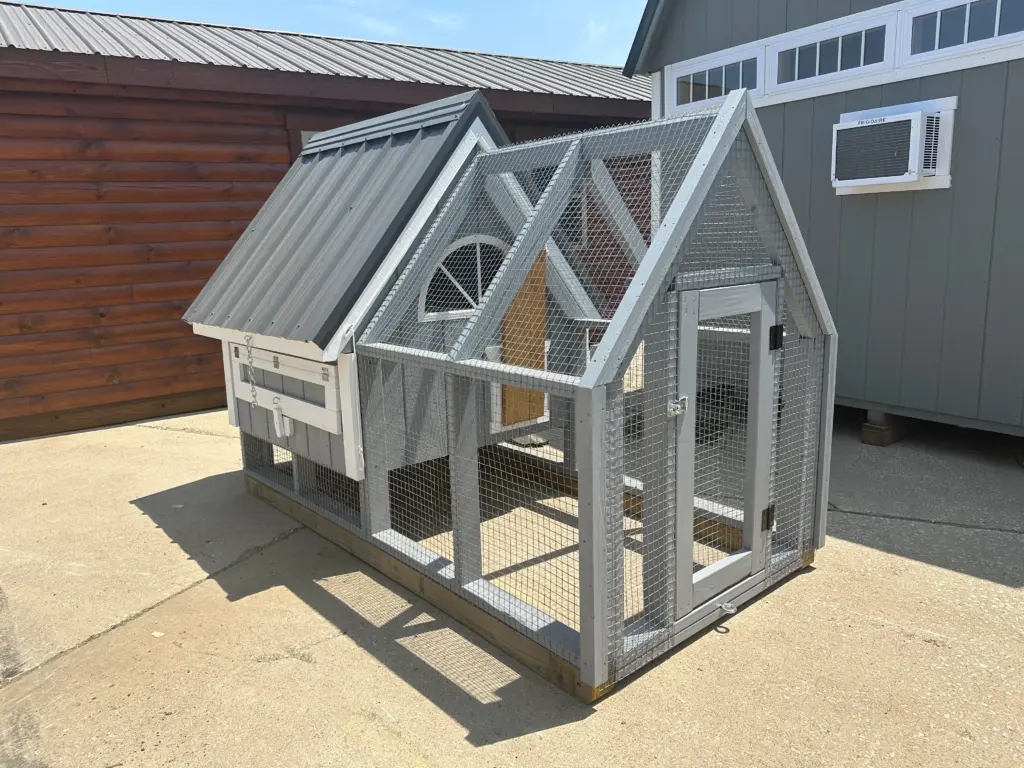
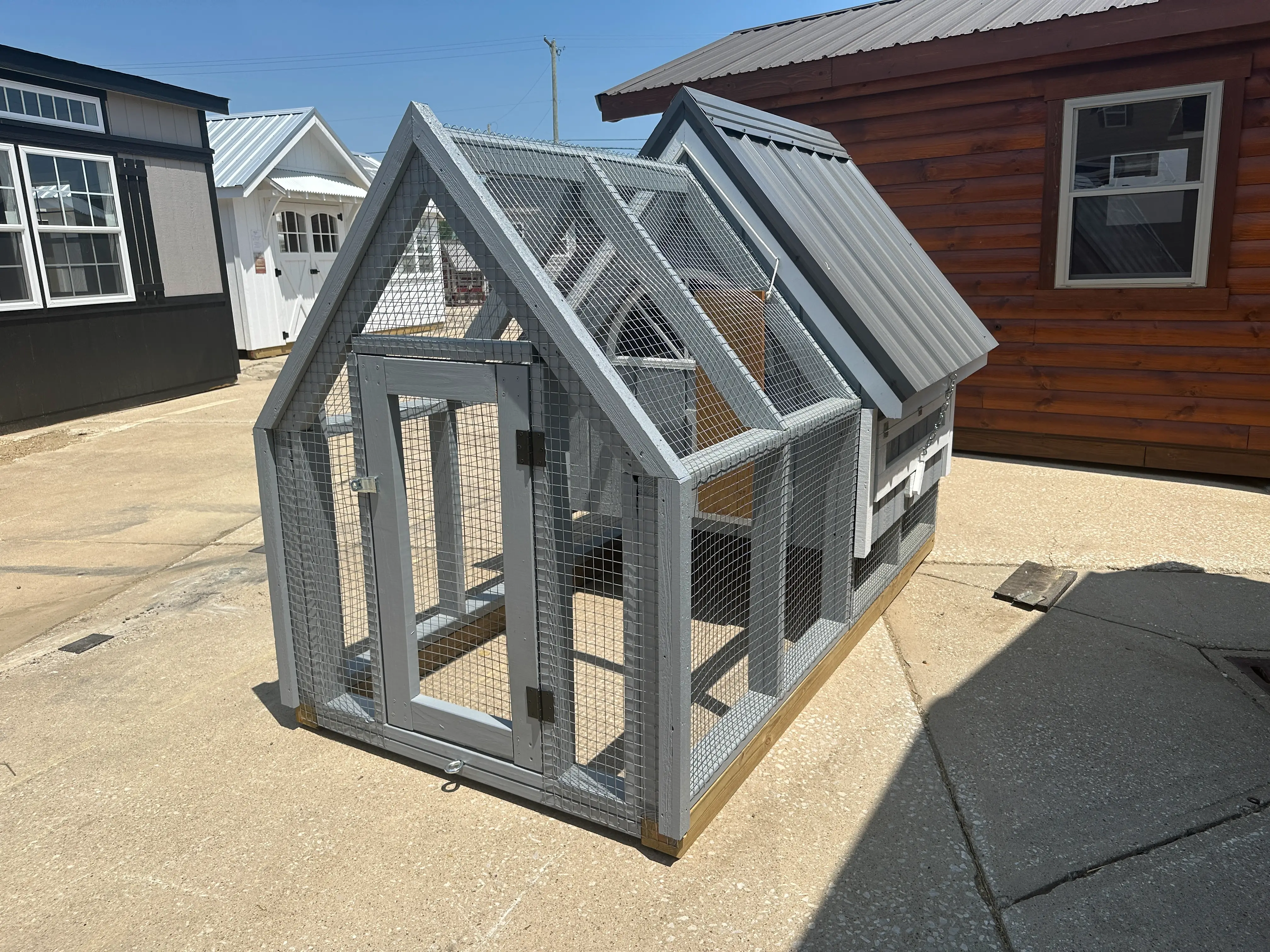
Outdoor runs need even more attention to drainage. If the ground collects water after every rainfall, placing sand directly over the mud may only create a heavier mess. Improve the grade or drainage before adding a thick layer. A stable base can help prevent the sand from disappearing into soft soil. Keep the floor level enough for easy cleaning but allow water to move away from the structure where appropriate. Hartville Outdoor Products’ 6×8 chicken coop with a run provides an example of how indoor shelter and protected outdoor space can work together in one compact setup.
Use The Right Sand Depth And Cleaning Routine
The ideal depth depends on the floor type and how you manage the coop. You need enough material to create a workable surface, but an extremely deep layer can become heavy and expensive. Start with a moderate layer and observe how it performs. Chickens will move the sand as they scratch, so low spots may appear around feeders, doors, and roosting areas. Use a rake to redistribute the material when needed. Add fresh sand gradually instead of replacing the entire floor without reason.
One advantage of sand is that you can remove droppings regularly without removing large amounts of bedding. A litter scoop, rake, or similar tool can make daily spot cleaning easier. Remove wet or heavily soiled areas promptly. Pay close attention around waterers because leaks can create damp patches quickly. A clean surface does not eliminate the need for routine inspection. Watch for odor, moisture, insects, and compacted areas. The USDA Animal and Plant Health Inspection Service offers official Defend the Flock resources that cover poultry biosecurity and routine flock protection practices.
Decide Whether Sand Fits Your Climate And Coop
Sand works very well in some chicken coops, but it is not automatically the best bedding for every property. Climate plays a major role. In a dry environment, sand can remain clean and manageable for long periods. In a constantly wet location with poor drainage, it may stay damp or mix with soil. Cold climates also require careful planning because sand does not provide the same insulating effect as a deep layer of some other bedding materials. The building design and flock-management style should guide the final choice.
Consider how often you want to clean the coop as well. Sand works best for owners who prefer frequent spot cleaning. If you want to use a deep-litter system, another bedding material may suit that management approach better. Also think about the weight. Large amounts of sand can place substantial loads on elevated wood floors. Make sure the floor structure can support the material before filling it deeply. No single bedding choice solves every problem. Good ventilation, clean water, dry floors, secure shelter, and regular maintenance matter just as much as the material under the chickens’ feet.
Choose A Coop Setup That Makes Maintenance Easier
Understanding where to buy sand for chicken coop use is only part of creating a practical poultry setup. Start with a reputable landscape, gravel, or building-material supplier. Ask for clean, coarse, washed sand and inspect the product before ordering a large amount. Compare bagged and bulk prices based on the total volume you need. Avoid dusty products and prepare the coop floor properly before adding sand. Once installed, rake and spot-clean the surface regularly so moisture and manure do not accumulate.
The design of the chicken coop can make these tasks much easier. Wide doors, accessible floors, good ventilation, secure runs, and protected nesting areas all improve everyday flock care. Hartville Outdoor Products offers chicken coops and other outdoor structures designed for practical backyard use. A well-built coop gives you a better starting point for whatever floor material you choose. Whether you use sand or another bedding option, focus on drainage, cleanliness, airflow, and security. Those factors help create a healthier environment and make routine chicken care much easier throughout the year.