
When buyers start researching manufactured housing, one of the first questions they ask is what manufactured homes are the best. It sounds like a simple question, but the answer depends far less on brand names than most people expect. Manufactured homes vary widely in quality, design, and long-term performance, and understanding what separates a good home from a great one helps buyers make confident decisions.
The manufactured housing industry has changed significantly over the years. Modern manufactured homes are built to strict standards, use advanced materials, and are designed for long-term living. The best manufactured homes today are not defined by flashy marketing or low prices, but by consistent construction quality, thoughtful design, and how well they perform over time.
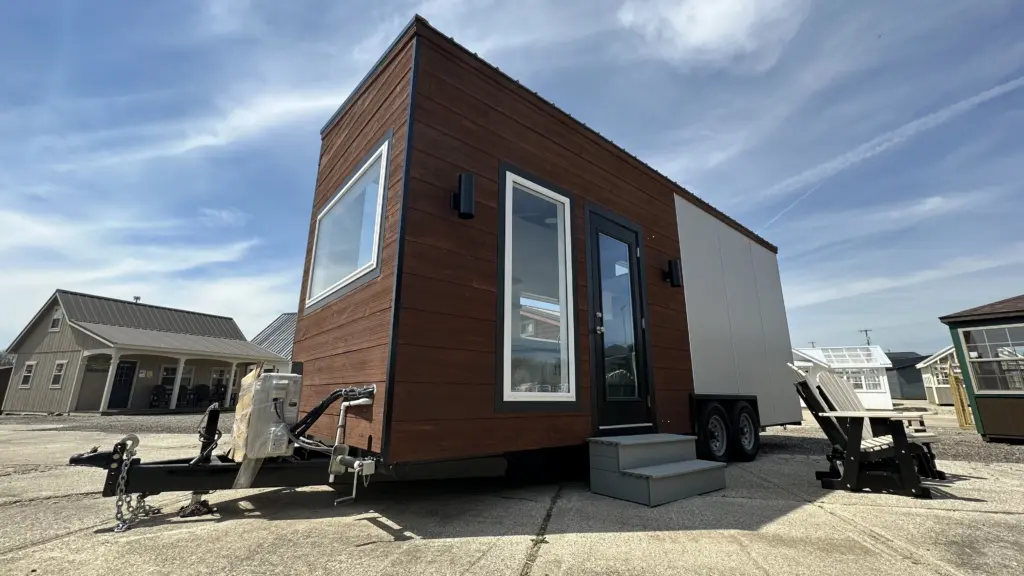
What manufactured homes are the best depends on build quality
When evaluating what manufactured homes are the best, build quality should always come first. Quality construction begins with the framing system. Homes built with solid, well-engineered framing tend to feel sturdier and age more predictably. Straight walls, properly spaced studs, and reinforced connection points all contribute to long-term durability.
Manufactured homes built in controlled environments benefit from consistent framing practices. Materials remain protected from weather during assembly, which helps reduce early moisture exposure. This controlled process allows builders to focus on precision rather than reacting to changing outdoor conditions.
Why materials matter more than brand names
Many buyers focus on brand reputation, but materials tell a more accurate story. The best manufactured homes use materials selected for durability and predictable performance. Engineered lumber, quality sheathing, and durable roofing systems all contribute to how well a home holds up.
Interior materials matter as well. Subfloor thickness, insulation quality, and wall finishes influence comfort and longevity. Homes that use better materials may cost more initially, but they often require fewer repairs and hold value better over time.
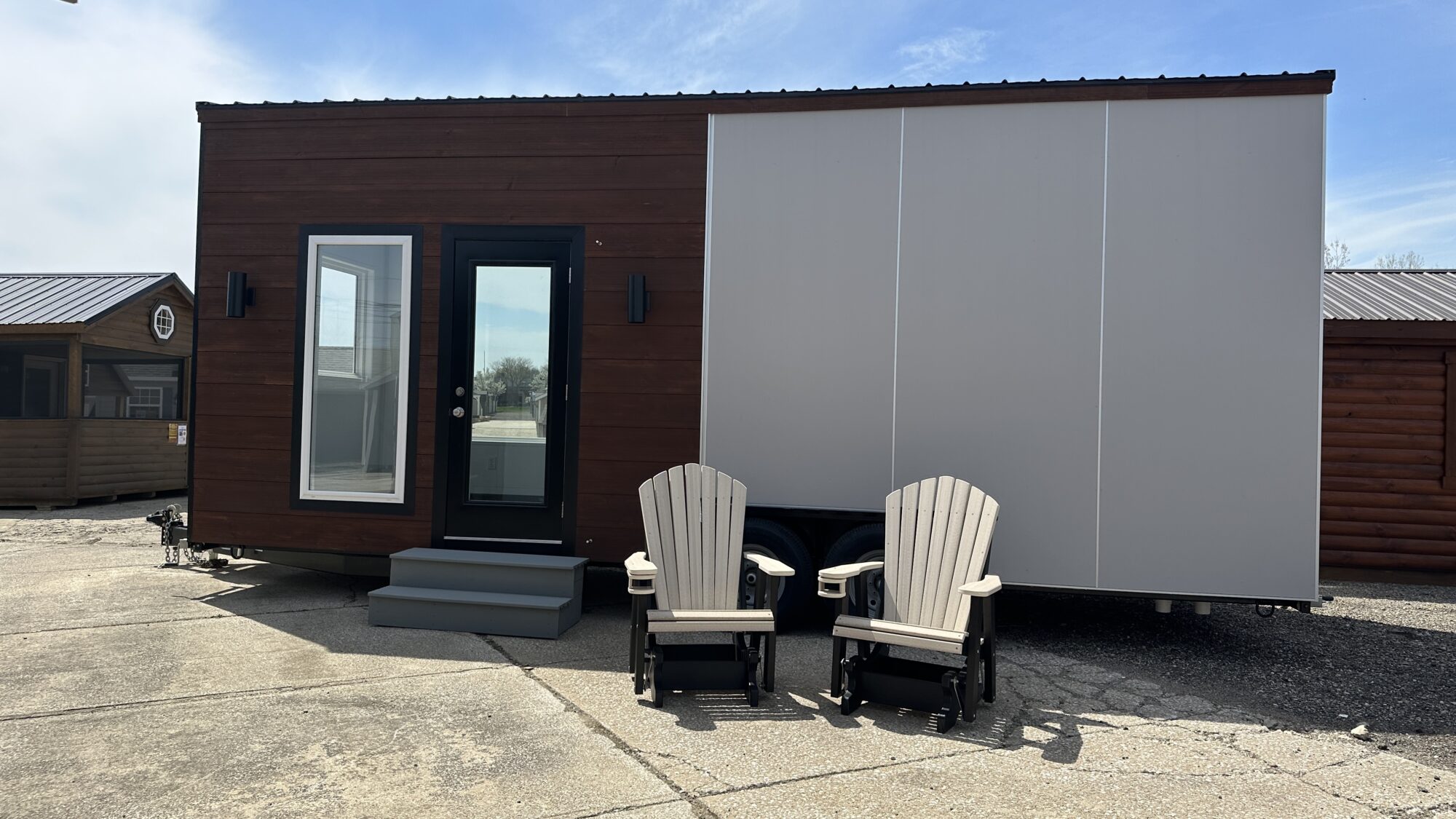
Roof systems play a major role in long-term performance
The roof is one of the most important components in any manufactured home. Roof design affects how well the home handles rain, snow, and temperature changes. The best manufactured homes use roof systems engineered for regional weather conditions.
A well-designed roof sheds water efficiently and resists long-term stress. Homes with strong roof structures experience fewer leaks and less structural strain, which directly impacts lifespan.
Insulation and energy efficiency signal quality
Insulation is another key indicator when deciding what manufactured homes are the best. Proper insulation improves comfort, reduces energy costs, and protects the structure from moisture-related issues. Homes built with consistent insulation coverage perform better year-round.
Energy efficiency also reflects attention to detail during construction. Homes that maintain stable indoor temperatures tend to feel more comfortable and experience less wear on heating and cooling systems.
Floor systems reveal how a home is built
Floor construction often gets overlooked, but it has a major impact on daily living. The best manufactured homes use strong floor systems that feel solid underfoot. Proper joist spacing and quality subfloor materials prevent flexing and squeaking.
A solid floor system also supports heavier furniture and appliances without issue. Homes with weak floor construction may feel fine initially but show signs of wear sooner.
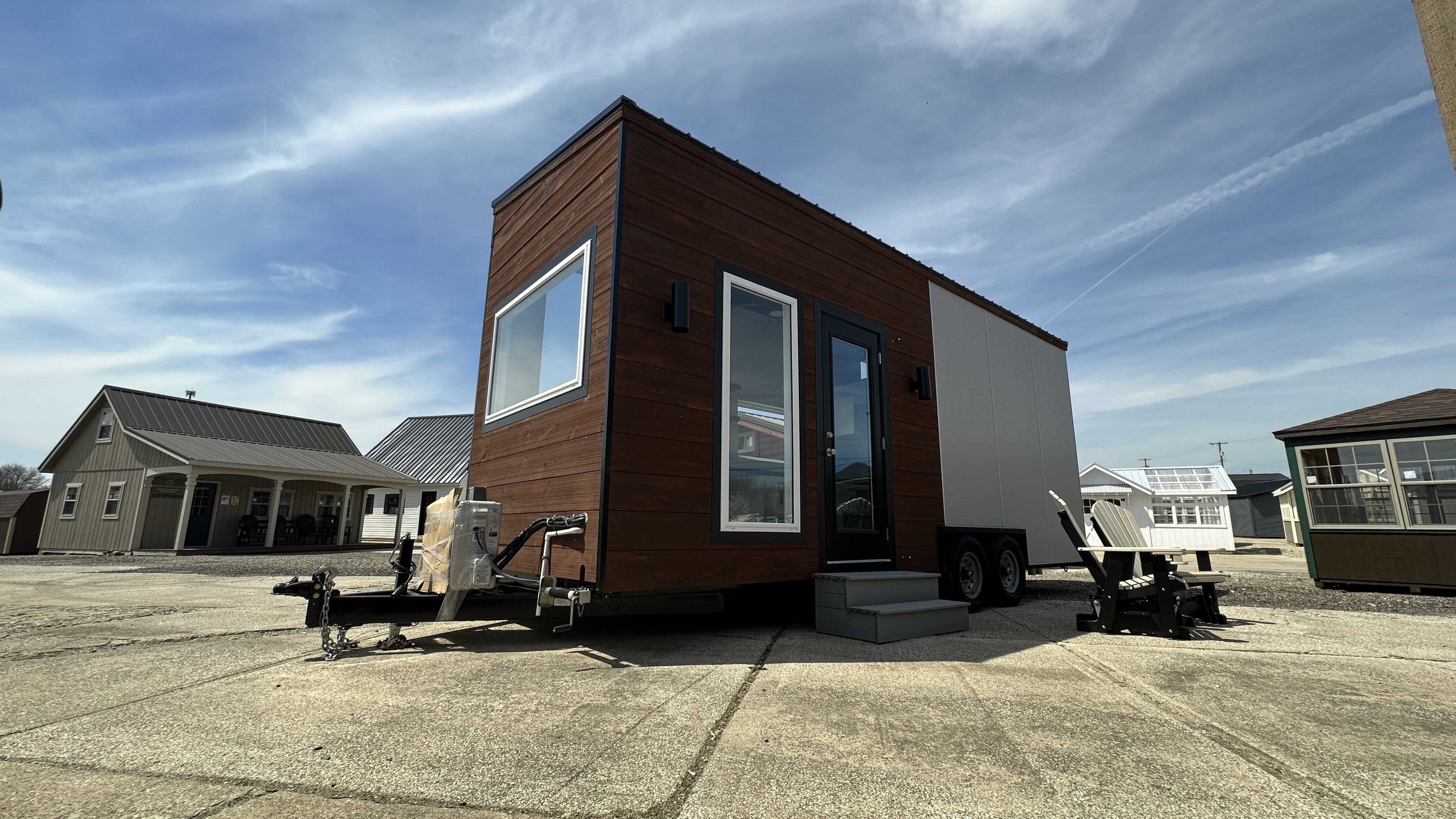
Consistency separates good homes from great ones
One of the advantages of manufactured housing is consistency. Homes built using standardized processes tend to show fewer variations in quality. This consistency leads to predictable aging and easier maintenance.
The best manufactured homes maintain this consistency across multiple builds. Buyers benefit from knowing that quality does not change from one home to the next.
Why design affects long-term satisfaction
Layout and design influence how enjoyable a manufactured home is over time. Thoughtful floor plans improve flow, storage, and functionality. Homes that feel cramped or poorly arranged often lead to dissatisfaction even if construction quality is solid.
The best manufactured homes balance space efficiency with comfort. They are designed to support everyday living rather than simply meeting minimum requirements.
Installation and foundation matter just as much
Even the best manufactured home can underperform if installed incorrectly. Proper foundation preparation and placement are critical to long-term success. Homes installed on stable, well-drained foundations experience less movement and fewer structural issues.
When installation is done correctly, doors stay aligned, walls remain straight, and systems operate as intended. Installation quality plays a major role in how long a manufactured home performs well.
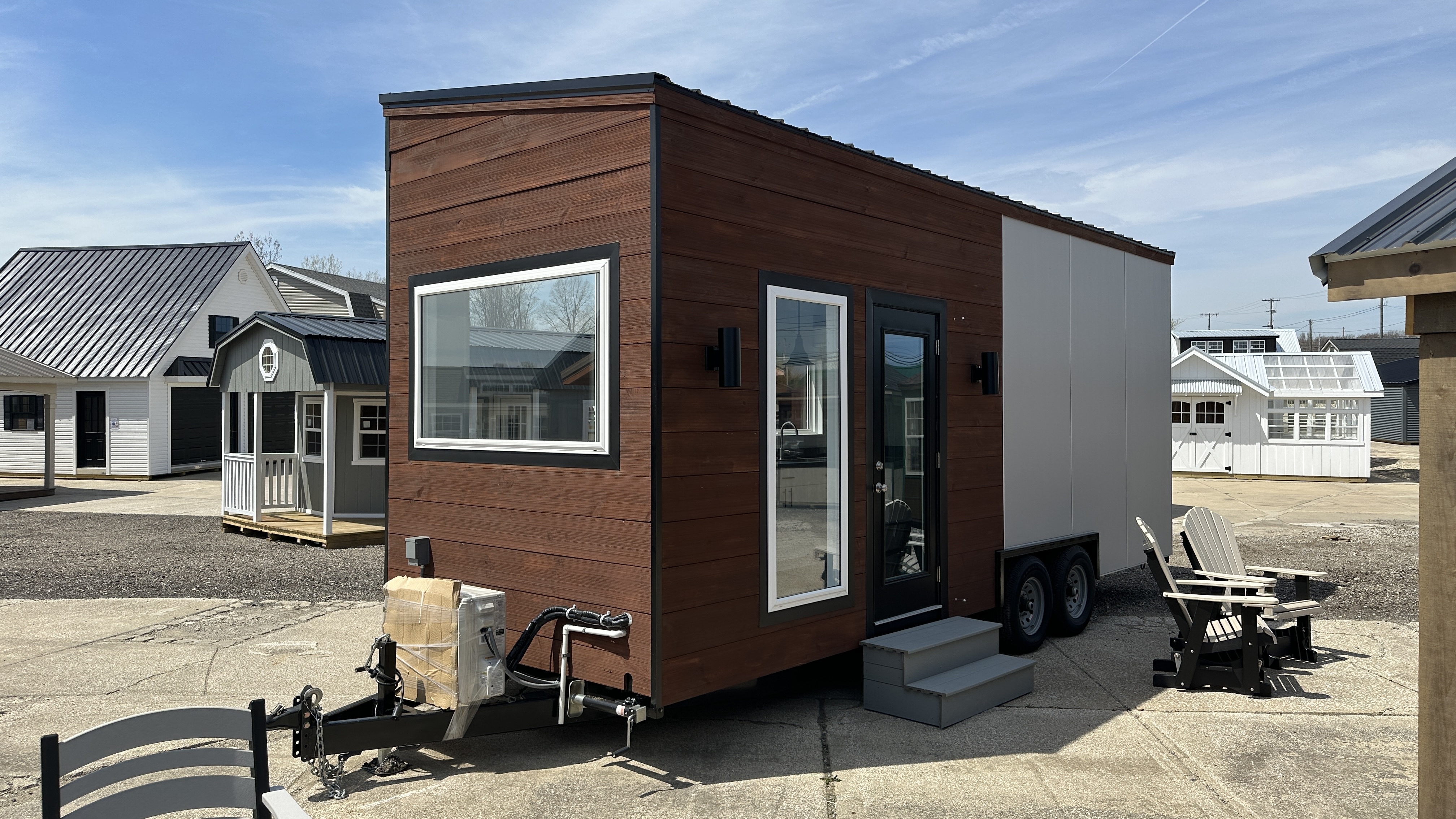
Maintenance expectations should be realistic
Manufactured homes require maintenance just like traditional homes. Roof inspections, exterior sealing, and proper drainage all contribute to longevity. Buyers should expect to maintain a manufactured home the same way they would any permanent residence.
Homes that receive regular care tend to age gracefully. Maintenance is not a sign of poor quality, but a normal part of home ownership.
How brands reflect quality without ranking them
Different manufactured home brands emphasize different strengths. Some focus heavily on structural engineering, while others invest more in interior finishes or energy efficiency. Rather than asking which brand is best, buyers benefit from asking how well a brand executes the fundamentals.
The best brands consistently deliver solid framing, reliable materials, and thoughtful design. These qualities matter more than brand recognition alone.
Seeing homes in person builds confidence
Many buyers find clarity by walking through finished manufactured homes. Seeing how walls feel, how floors respond, and how spaces flow provides insight that specifications alone cannot offer.
Exploring in-stock manufactured homes allows buyers to compare quality firsthand. Finished homes reveal construction details that influence long-term satisfaction.
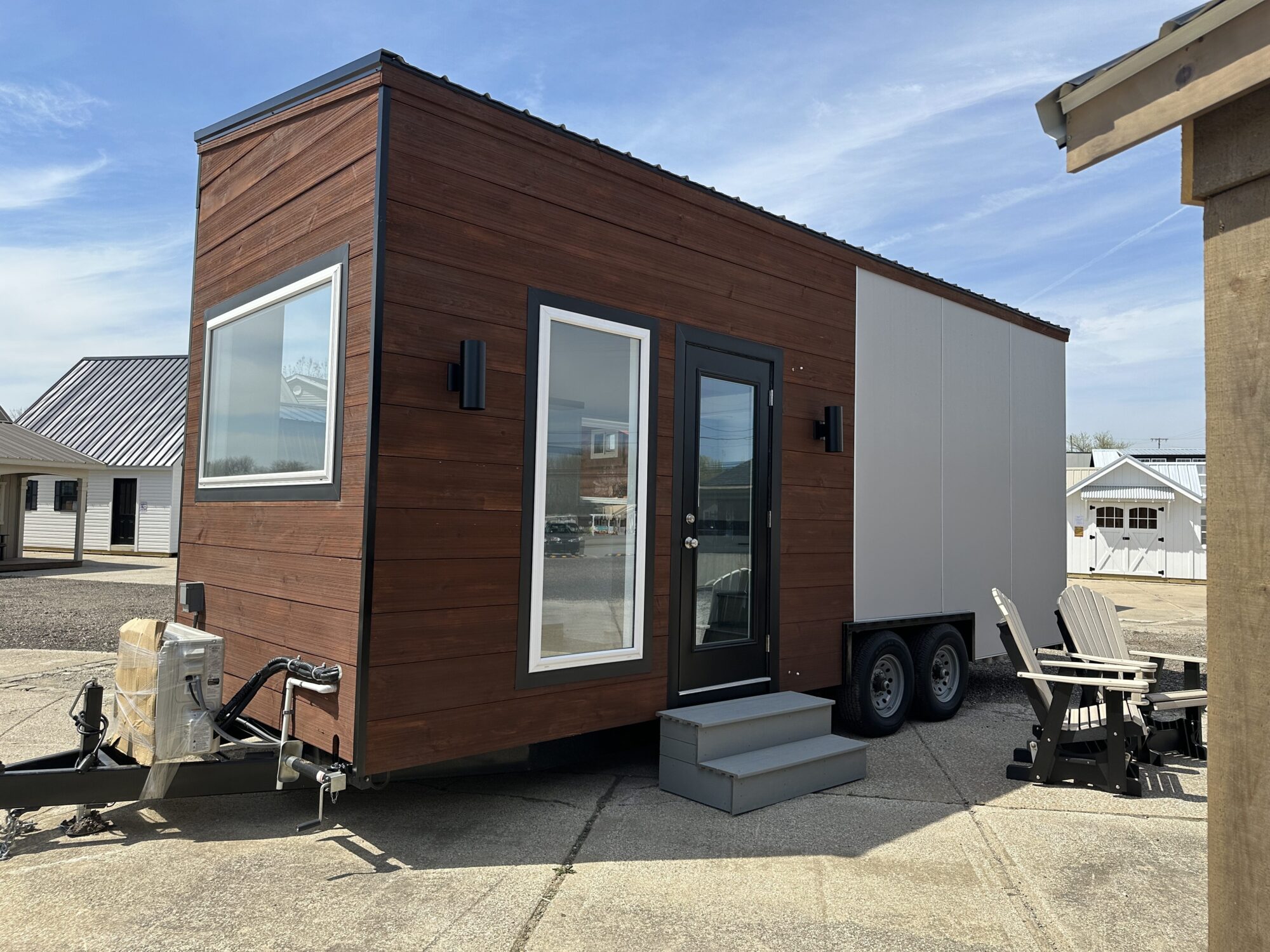
Learning from broader housing standards
Manufactured homes follow established construction principles shared across the housing industry. Proper framing, moisture control, and energy efficiency remain essential regardless of build method. Guidance from organizations such as the U.S. Department of Housing and Urban Development outlines standards that modern manufactured homes must meet.
Conclusion
So what manufactured homes are the best. The answer lies in quality, not labels. Homes built with solid framing, durable materials, thoughtful design, and consistent construction practices tend to perform best over time. Installation and maintenance play equally important roles in long-term success. For buyers exploring dependable manufactured housing options, viewing in-stock homes from Hartville Outdoor Products provides a practical way to see how quality construction translates into real-world living.