
Many people hear the term prefabricated home and immediately picture something temporary or low quality, yet that image no longer matches reality. Modern prefabricated homes are designed to be durable, efficient, and comfortable living spaces that meet the needs of today’s homeowners. Understanding what is pre fabricated homes requires looking beyond outdated assumptions and focusing on how these structures are built, delivered, and used in real life.
Prefabricated homes have grown in popularity because they offer a practical alternative to traditional site-built construction. They allow buyers to gain more control over timelines, costs, and design consistency. As housing needs continue to evolve, more people are exploring prefabricated options for primary residences, guest homes, and extended living spaces.
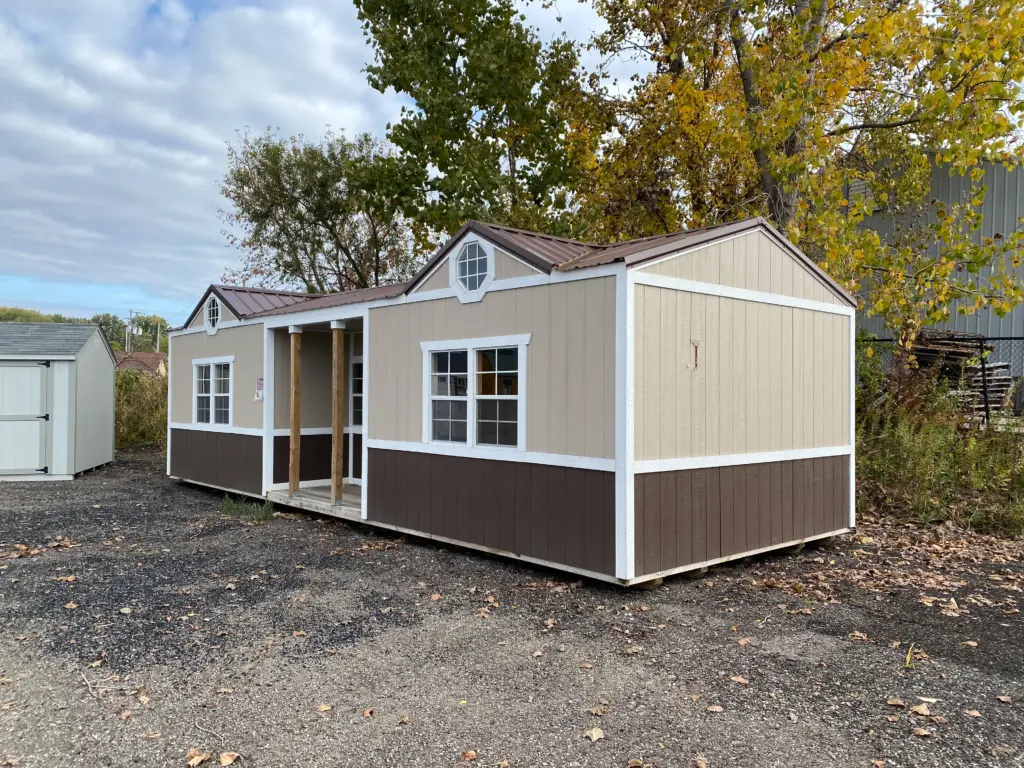
What is pre fabricated homes in simple terms
To understand what is pre fabricated homes, it helps to start with the way they are built. A prefabricated home is constructed in sections or modules in a controlled environment rather than being built entirely on site. These sections are then transported to the property and assembled on a prepared foundation. Because much of the work happens indoors, builders can maintain consistent quality and reduce delays caused by weather.
This building approach allows for precise construction and repeatable results. Materials stay protected during assembly, and workers follow standardized processes that improve efficiency. The end result is a structure that meets building standards while reducing many of the uncertainties that come with traditional construction.
How prefabricated homes differ from traditional builds
Traditional homes are built piece by piece on the property, often taking several months to complete. Weather conditions, labor availability, and material delays can slow progress. Prefabricated homes take a different approach. Builders complete much of the structure before delivery, which makes construction timelines more predictable. This level of predictability appeals to buyers who want clearer expectations and greater control over their projects.
Quality control also sets these homes apart. Manufacturers build prefabricated components indoors, allowing teams to maintain tighter tolerances and perform consistent inspections. This controlled environment reduces surprises during final assembly. As a result, prefabricated homes continue to earn credibility in residential construction.
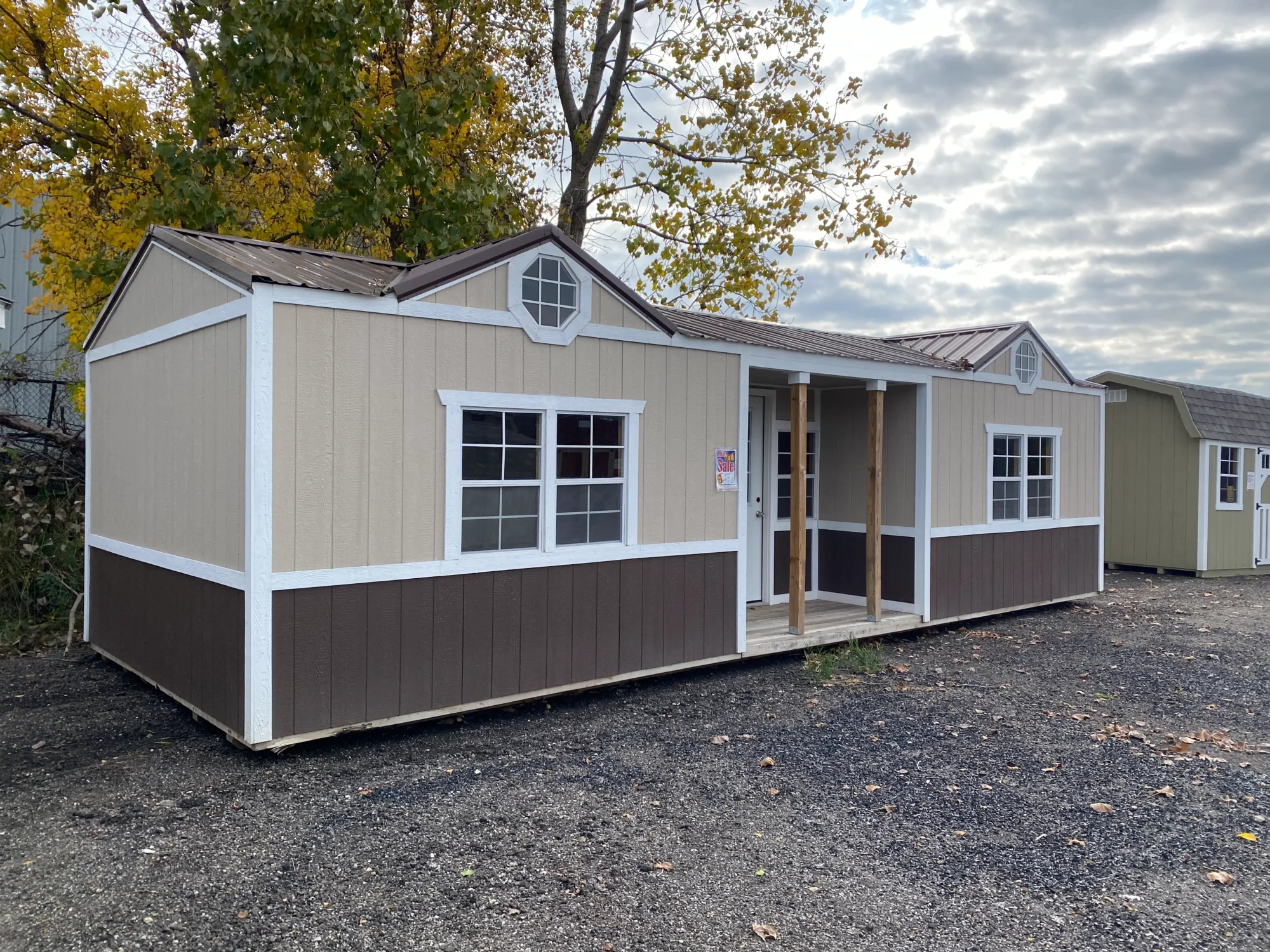
The role of design and customization
One common misconception about prefabricated homes is that they lack customization. In reality, many prefabricated designs offer flexible layouts, finishes, and features. Buyers can often choose floor plans, exterior styles, and interior options that match their preferences. While there may be fewer changes during construction compared to site-built homes, planning upfront allows for meaningful personalization.
Design efficiency is one of the strengths of prefabricated construction. Builders refine layouts over time, improving flow and functionality. This focus on design efficiency leads to homes that feel well thought out rather than improvised.
Why controlled environments matter
Building in a controlled environment reduces exposure to moisture, temperature swings, and material damage. These conditions protect structural components during assembly and help maintain consistent quality. When materials remain dry and properly stored, they perform better over time.
This controlled setting also improves worker efficiency. Crews can focus on craftsmanship rather than adapting to changing weather. As a result, prefabricated homes often demonstrate strong structural integrity and long-term durability.
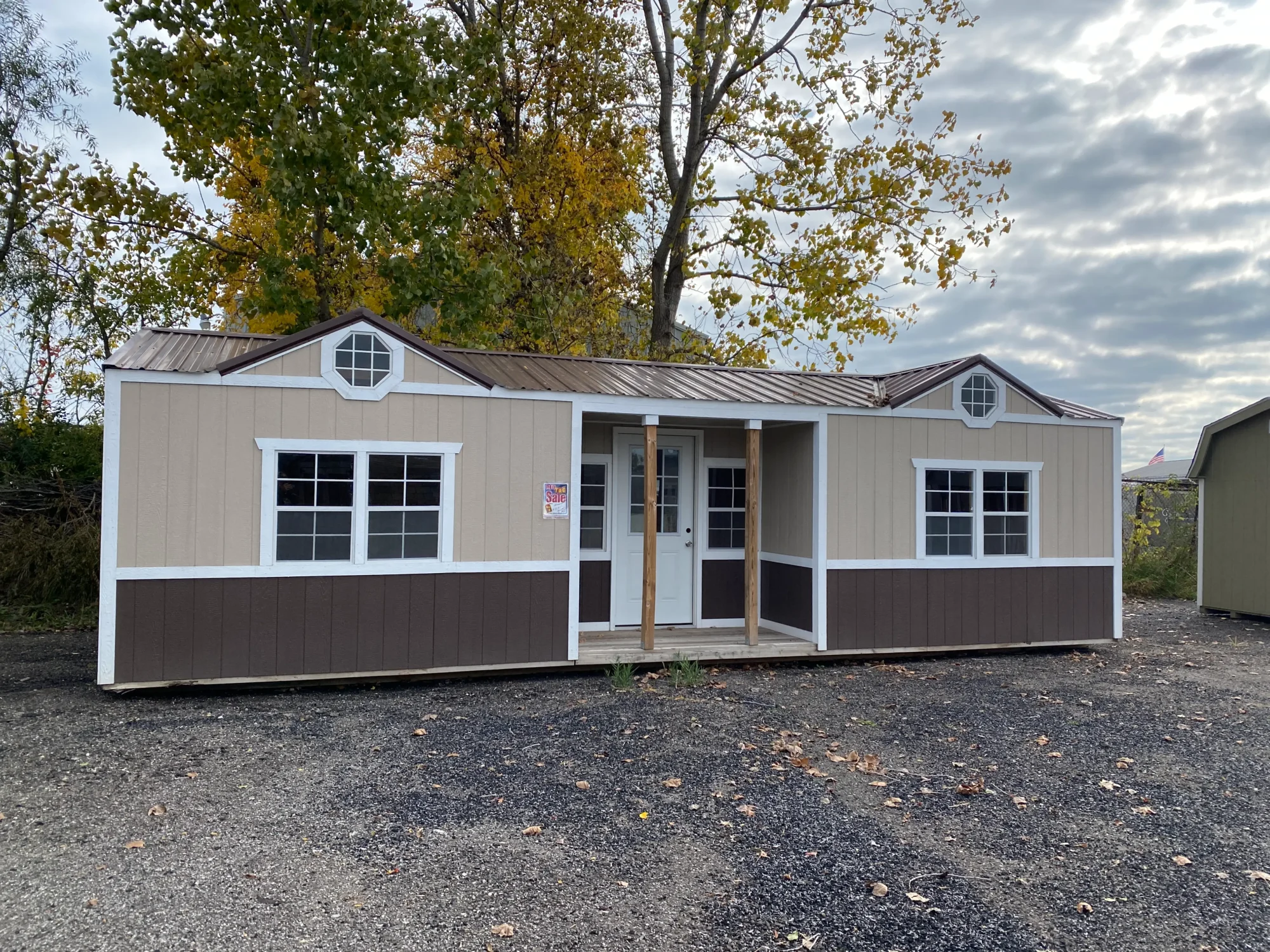
Transportation and on-site assembly
Once prefabricated sections are complete, they are transported to the building site. This step requires careful planning and coordination. Foundations must be prepared in advance, and access to the property must allow for delivery. On-site assembly typically happens quickly, with sections joined and secured in place.
This streamlined process reduces on-site disruption and shortens overall build time. Homeowners often appreciate the reduced impact on their property compared to lengthy traditional construction projects.
Energy efficiency and modern standards
Many prefabricated homes are built with energy efficiency in mind. Controlled construction allows for tight building envelopes and consistent insulation installation. This can improve thermal performance and reduce energy loss. Modern prefabricated homes often meet or exceed current building codes.
Energy efficiency also contributes to long-term comfort and operating costs. A well-built prefabricated home can provide stable indoor temperatures and lower utility expenses.
Common uses for prefabricated homes
Prefabricated homes serve a wide range of purposes. Some people use them as primary residences, while others choose them for guest houses, rental units, or extended family living. Their flexibility makes them appealing for properties with evolving needs.
Prefabricated structures are also used in settings where speed and consistency matter. Their predictable build process supports projects that require reliable timelines without sacrificing quality.
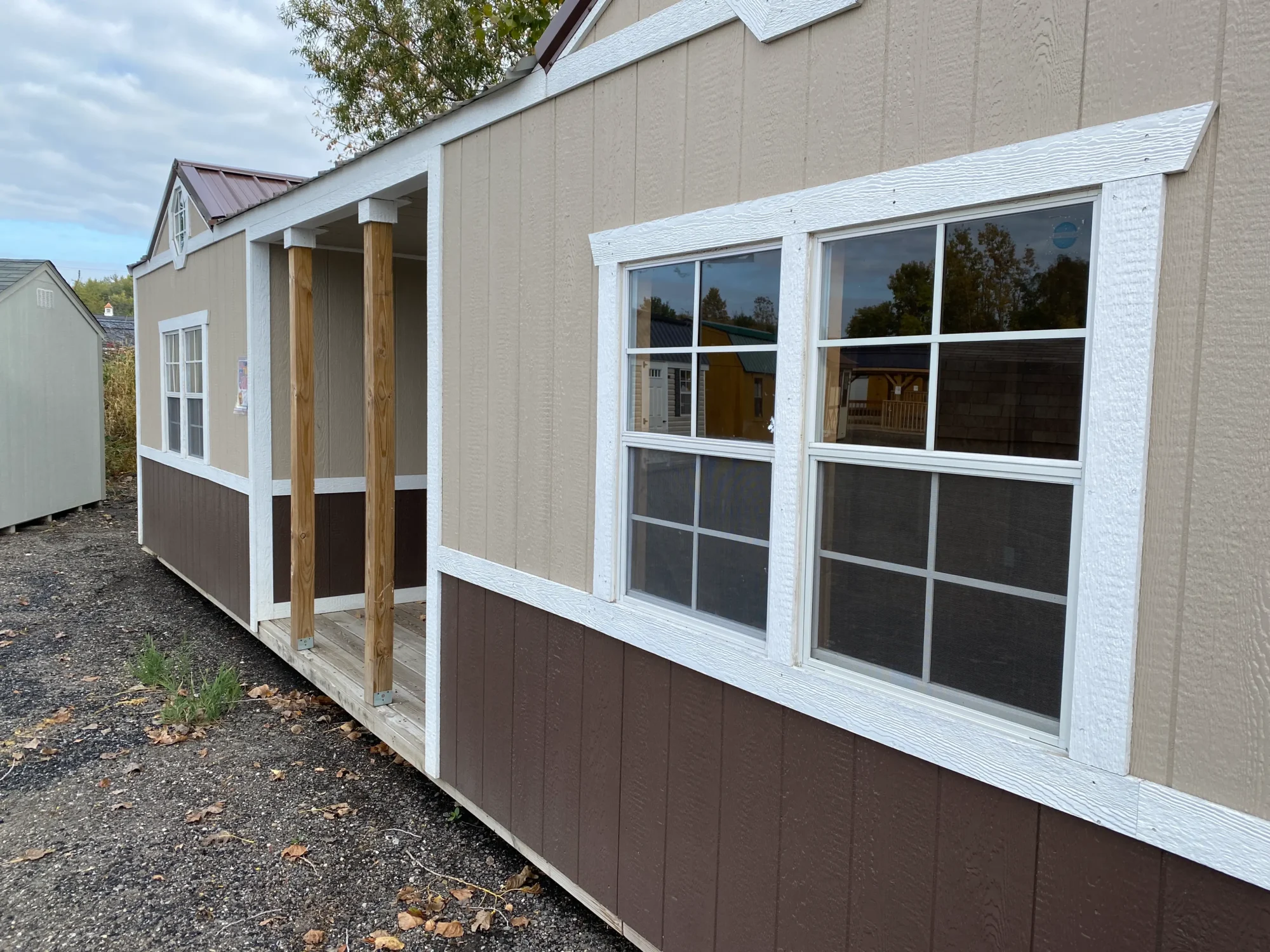
Prefabricated homes and zoning considerations
Local zoning and building regulations influence where prefabricated homes can be placed. Requirements vary by region and may affect foundation type, utility connections, and placement. Understanding local regulations early helps prevent delays.
Working with providers who understand local requirements simplifies the process. Preparation and compliance play a significant role in successful installation.
How prefabricated buildings fit into broader property use
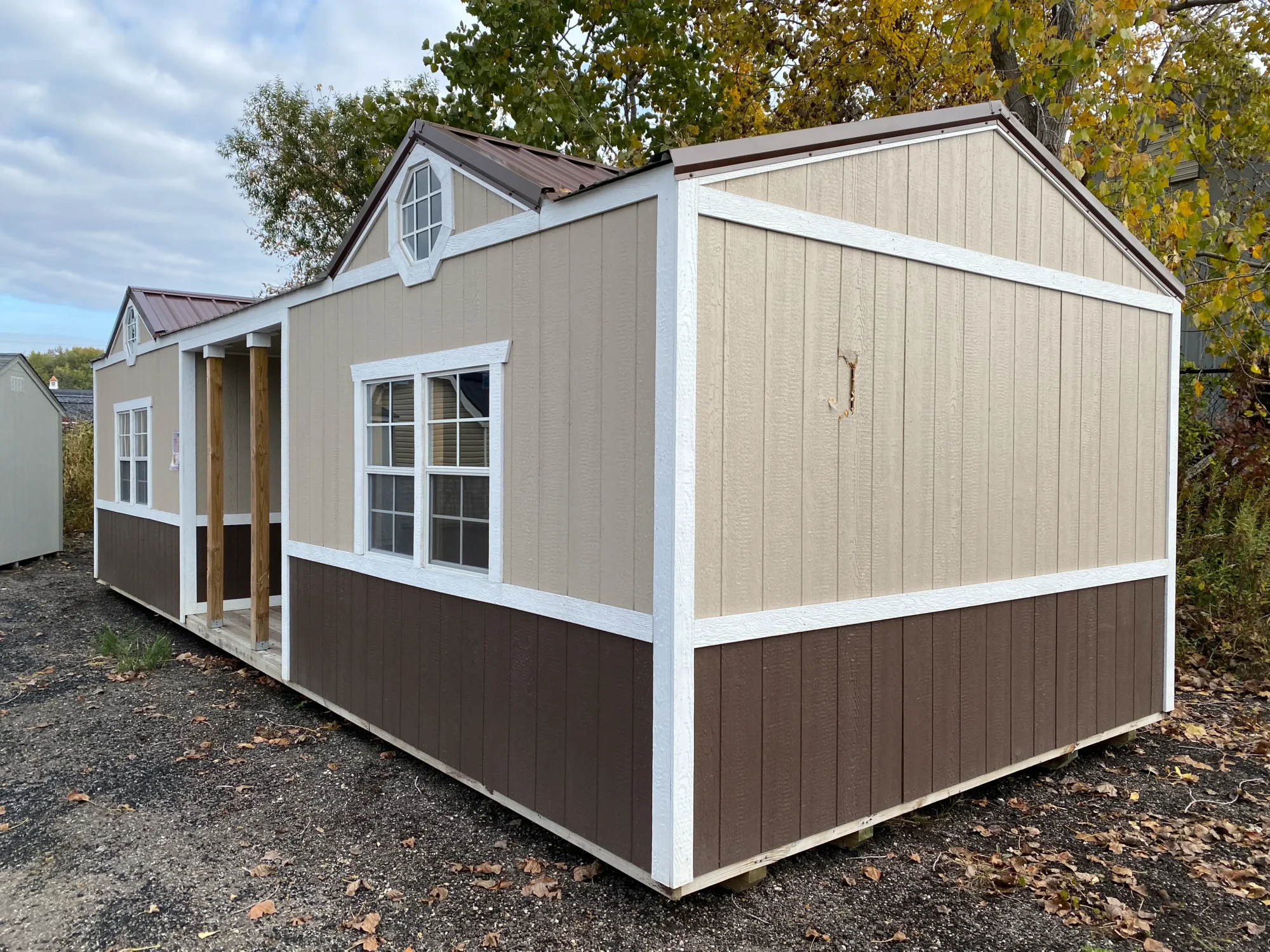
Prefabricated construction extends beyond residential use. Storage buildings, cabins, and auxiliary structures often use similar building principles. These structures benefit from the same controlled construction environment and efficient assembly.
Exploring in-stock buildings can help buyers understand the quality and versatility of prefabricated construction. Seeing finished structures provides confidence in materials, layout, and craftsmanship.
Learning from established building practices
Builders rely on time-tested construction principles regardless of where a structure is assembled. Proper framing, moisture control, and structural support remain essential. The fundamentals of home building apply equally to prefabricated and site-built homes.
Conclusion
Understanding what is pre fabricated homes involves recognizing how modern construction methods improve consistency, efficiency, and quality. These homes are built with care in controlled environments, transported with precision, and assembled to meet current standards. For those exploring housing or auxiliary building options, prefabricated construction offers a practical and dependable approach. To see how prefabricated principles apply across different structures, explore the in-stock buildings available from Hartville Outdoor Products, where thoughtful design and construction support real-world needs.