
What Is A Prefab House
Many homeowners begin their research by asking what is a prefab house because they want a building option that avoids the delays, waste, and complications of traditional construction. Prefab houses are growing in popularity for their fast build times, controlled manufacturing quality, and predictable costs. These homes are built in sections inside a factory, transported to the buyer’s property, and assembled on site. This approach creates a cleaner workflow and reduces the number of variables that slow down typical home building. Learning what a prefab house is and how it compares to site built homes helps buyers choose the right structure for their land, budget, and long term plans.
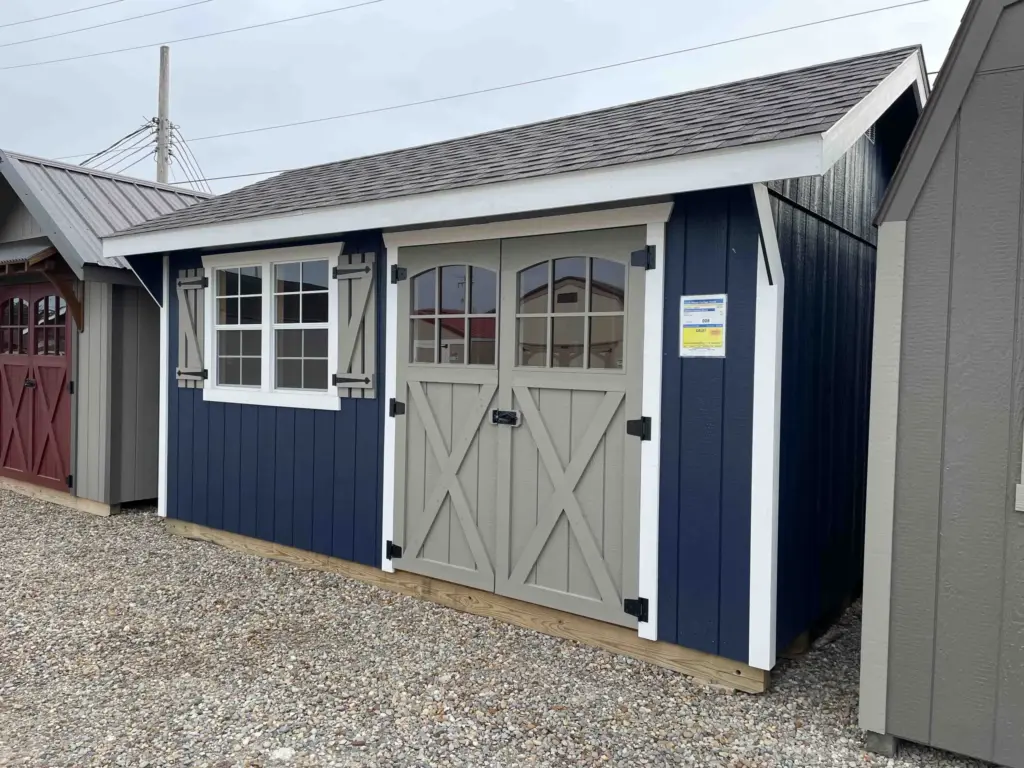
The Basic Idea Behind Prefab Homes
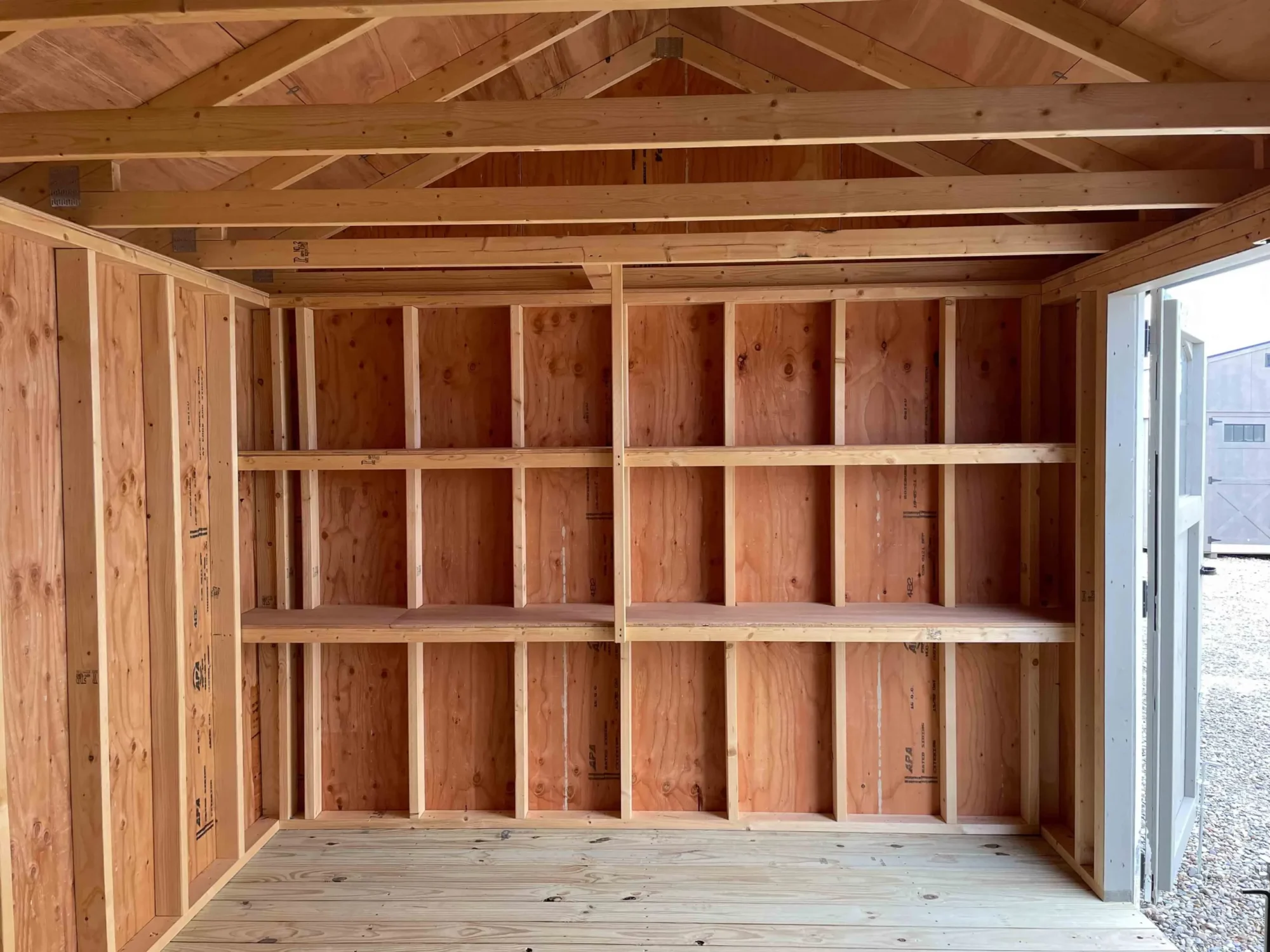
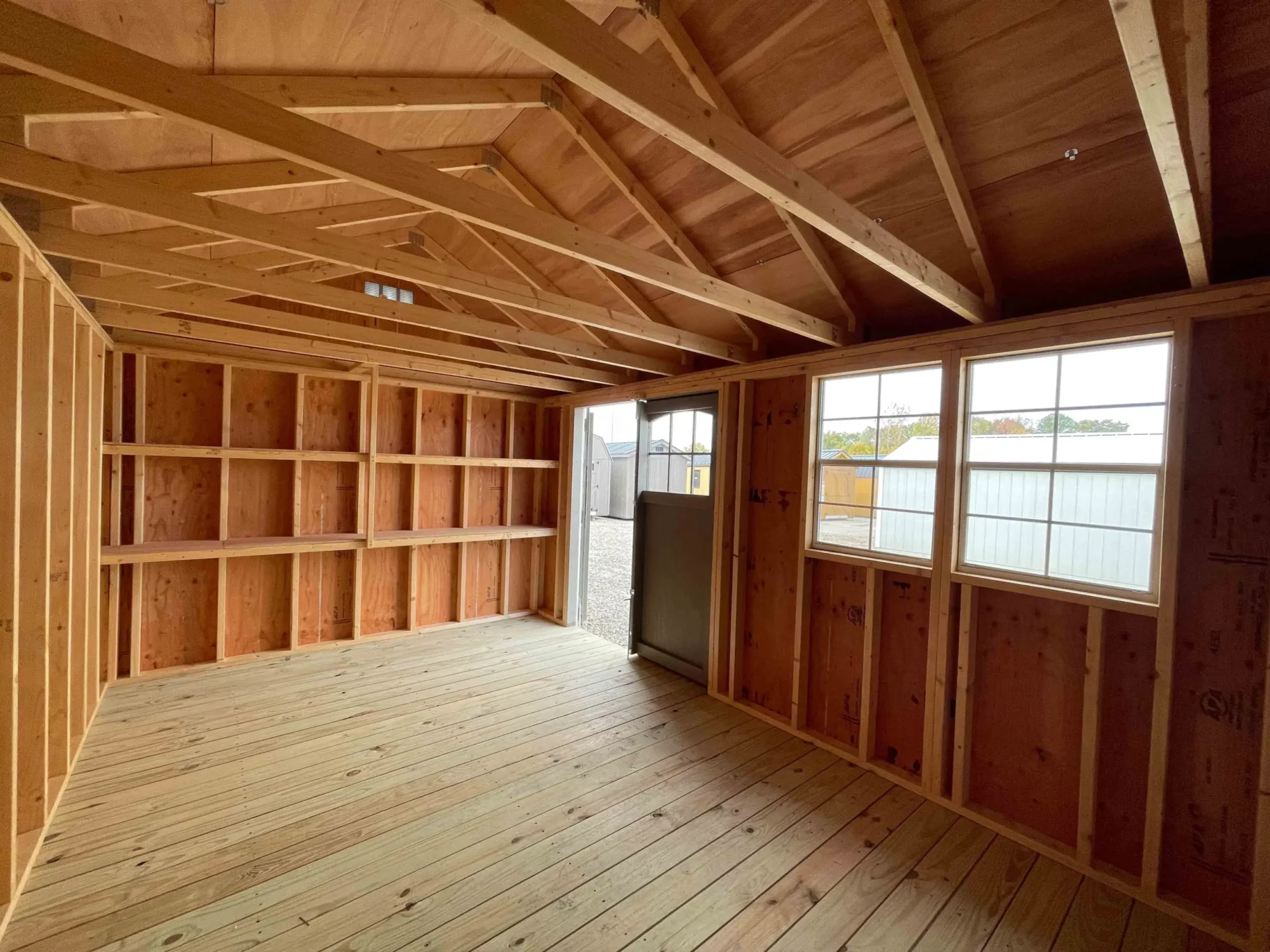
To understand what is a prefab house, it helps to know how the manufacturing process works. Instead of cutting lumber and assembling walls outdoors, the builder constructs the major sections indoors using approved plans and standardized methods. These sections, often called modules or panels, include walls, floors, roof parts, and interior framing. Once the components are complete, they are transported to the property and installed on a prepared foundation. This method reduces exposure to weather and keeps materials protected during construction. A consistent indoor workflow also improves accuracy and reduces errors that happen when crews face unpredictable weather or rushed deadlines.
How Prefab Houses Differ From Traditional Construction
The biggest difference between prefab houses and traditional homes comes from how and where they are built. Traditional construction requires workers to complete every stage on site, which means weather delays, scheduling conflicts, and material issues can increase both cost and time. Prefab homes avoid these problems because most of the work happens indoors. This allows manufacturers to follow precise building standards while reducing waste. Traditional construction exposes every framing and finishing step to outdoor conditions, while prefab production shields the components until the building arrives at the property. This difference helps explain why people researching what is a prefab house often discover that prefab homes offer quicker and more predictable building timelines.
Types Of Prefab Houses
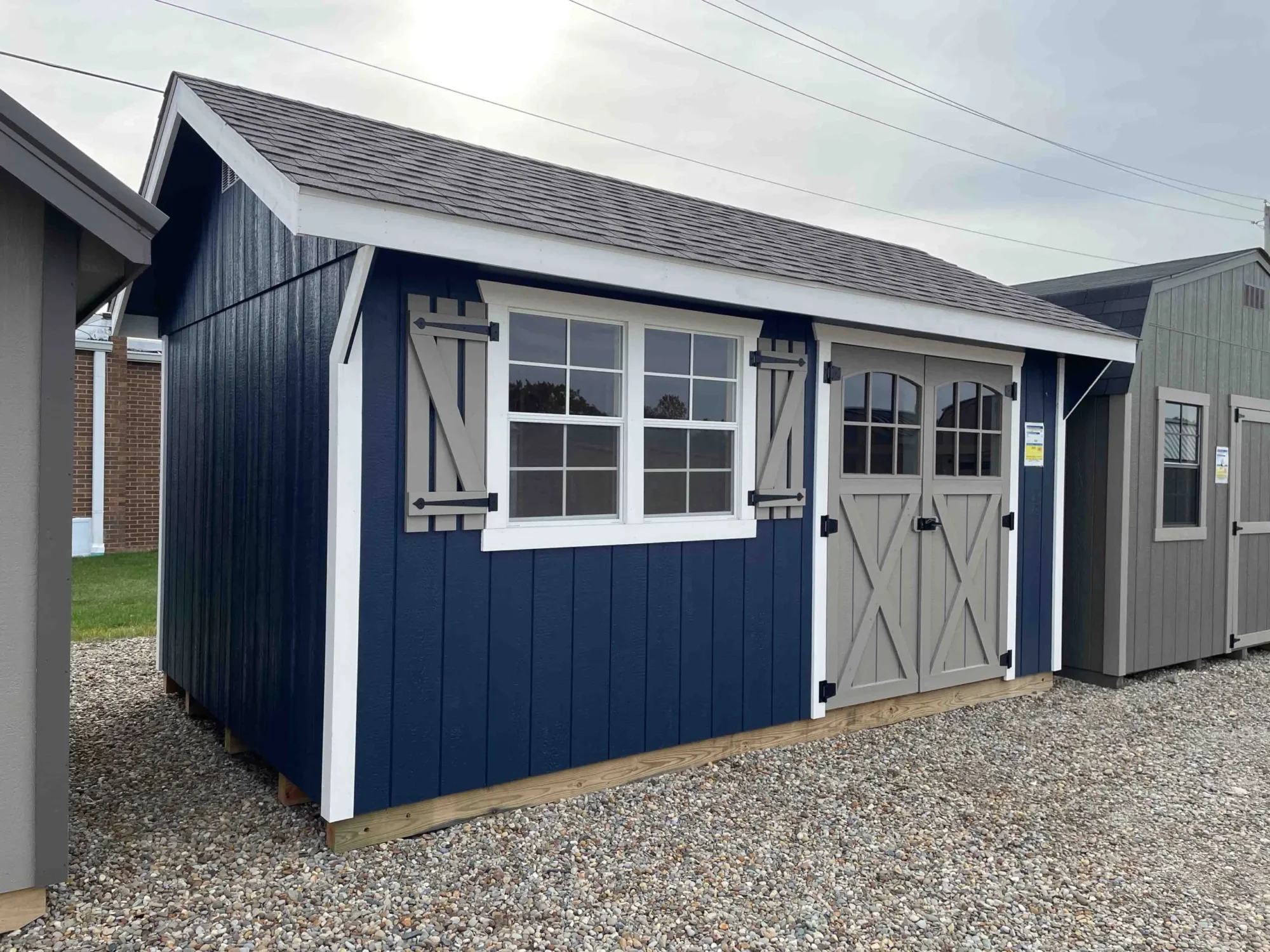
The term “prefab house” covers several building styles, each with its own process and advantages. Some homes arrive as complete modules with interior walls, wiring, insulation, and fixtures already in place. Others use a panelized system where wall panels and roof structures arrive flat and are assembled like a kit once they reach the property. Some buyers choose hybrid approaches that combine both methods. Understanding these options helps answer what is a prefab house because buyers realize that prefab is not a single building style but a category that includes multiple construction systems. Each option supports different budgets, timelines, and customization needs.
Why Prefab Homes Are Built Indoors
Building indoors is one of the main reasons prefab houses have become so dependable. Rain, snow, and extreme temperatures can damage lumber or slow down outdoor construction, but indoor manufacturing keeps every component protected. This results in cleaner cuts, Straighter framing, and better consistency across the entire structure. When buyers search what is a prefab house, they often learn that indoor building reduces waste, improves structural accuracy, and helps workers follow a steady routine. This controlled environment creates a home that fits together with better precision once delivered to the site.
Materials Used In Prefab Houses
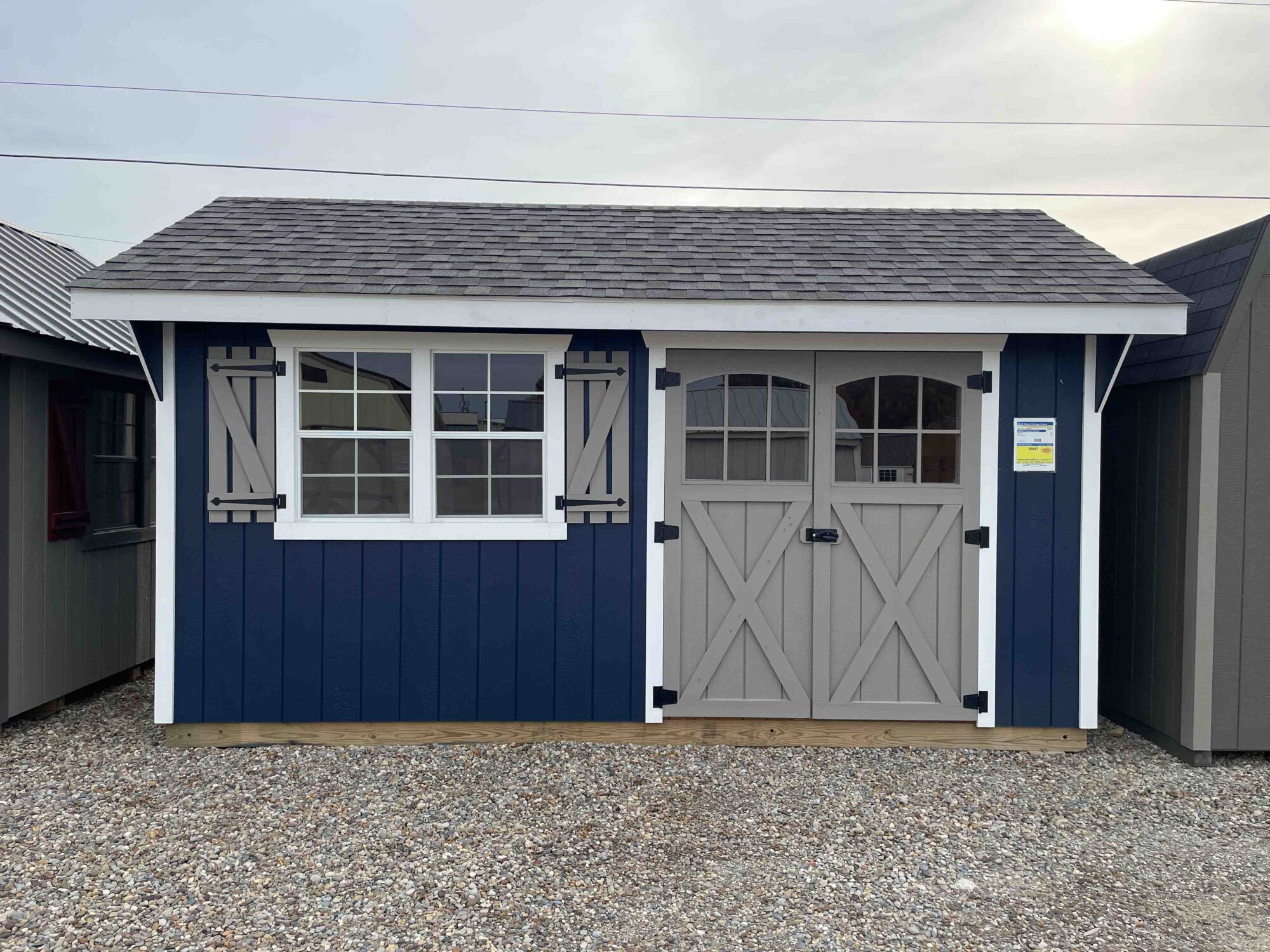
Prefab houses use the same structural materials found in site built homes, including lumber, engineered wood products, insulation, roofing, and siding. The difference lies in how those materials are handled. Indoor construction improves storage, handling, and assembly, which results in stronger seams and more accurate alignment. Many manufacturers use advanced framing techniques, including engineered wood, to reduce weight while improving strength. When buyers ask what is a prefab house made of, they often discover that prefab materials meet or exceed the same building codes required for traditional homes. The result is a home that performs well in various climates and supports long term durability.
Foundation Requirements For Prefab Homes
Although prefab houses are built in factories, they still require a strong on site foundation. The foundation may be a slab, crawl space, or full basement depending on local building codes and owner preference. Once the foundation is ready, the modules or panels are delivered and secured. This two part building process helps explain what is a prefab house because it shows that prefab homes are not temporary or portable structures. They are permanent homes attached to permanent foundations, designed to last for decades with proper care. Foundation accuracy is important because it ensures the sections fit together correctly when assembled.
How Prefab Houses Are Assembled On Site
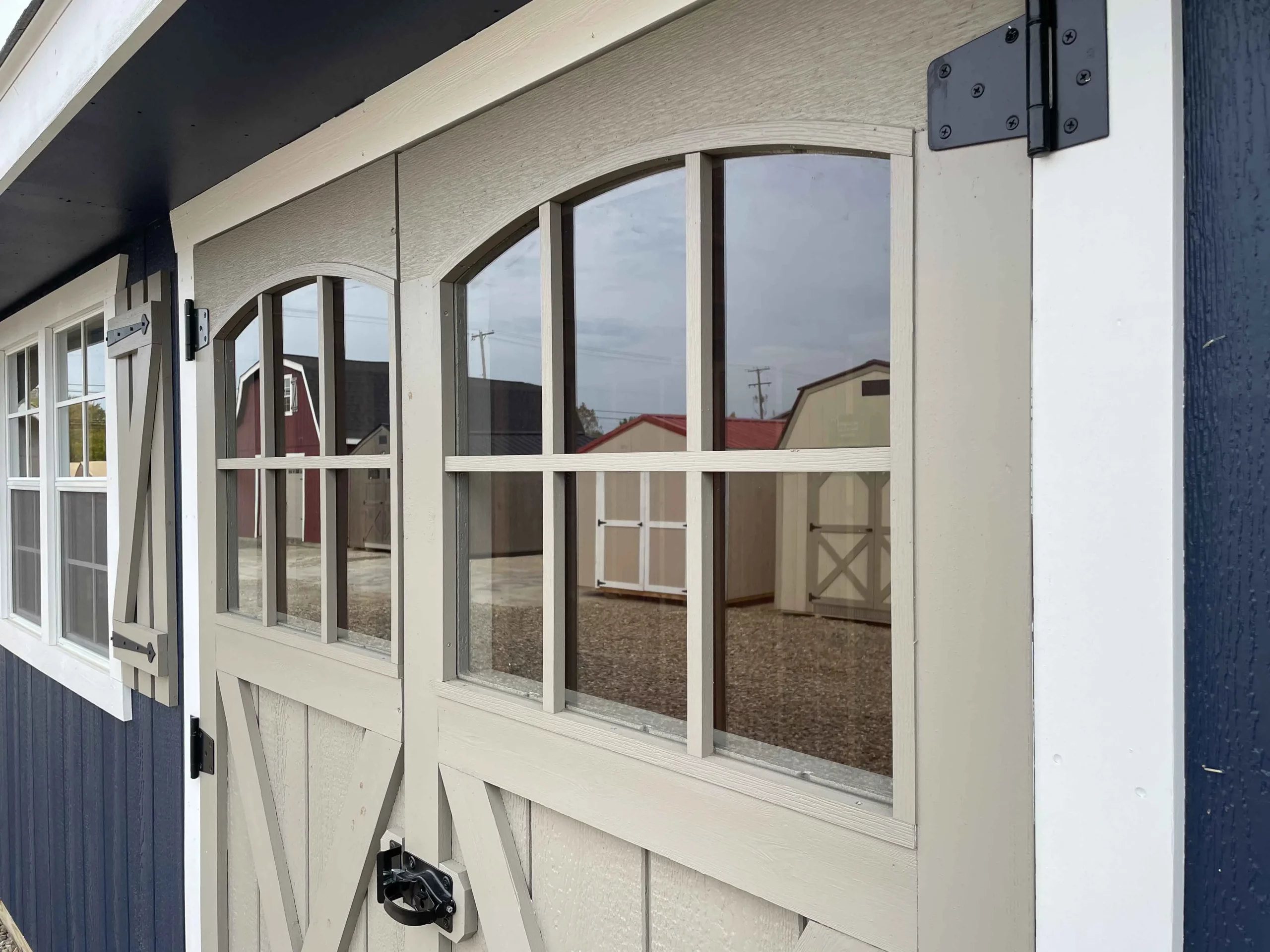
Assembly is one of the fastest phases in the prefab building process. Once the components arrive, crews use cranes and specialized equipment to place modules or panels in position. Since most of the build work was completed in the factory, the on site stage focuses on connection, alignment, sealing, and final finishing. Electrical connections, plumbing tie ins, roofing seams, and exterior trim complete the process. Buyers who research what is a prefab house are often surprised at how quickly the home takes shape once delivery begins. In many cases, the structure is weather tight within a short period, allowing interior finishing to continue without delays.
Advantages Of Prefab Houses
Prefab houses offer several benefits that appeal to modern homeowners. Faster building times are one of the most well known advantages, but cost control is equally important. Indoor manufacturing reduces waste and prevents budget surprises caused by weather delays. Precision and consistency also improve because factory tools and indoor conditions keep materials straight and dry. Many people ask what is a prefab house because they want a home with better energy efficiency, and prefab construction supports this with tight seams, accurate framing, and improved insulation placement. These advantages create homes that perform well while supporting predictable build schedules.
Customization Options In Prefab Houses
Prefab houses offer a surprising range of customization choices. Buyers can choose layouts, roof styles, siding materials, flooring options, kitchen packages, and energy upgrades. Many manufacturers allow design changes within preset layout limits, while others offer entirely custom builds. Understanding customization helps answer what is a prefab house because it shows that prefab does not mean “one size fits all.” Instead, prefab construction gives homeowners control over style, features, and layout, while still benefiting from the efficiency of factory production.
Misconceptions About Prefab Houses
Many people assume prefab houses are low quality or temporary, but this misconception comes from outdated building methods. Modern prefab construction meets the same building codes required for traditional homes and often surpasses them due to controlled indoor assembly. Prefab homes also use strong materials, advanced engineering, and proven building techniques that help them withstand years of use. When people search what is a prefab house today, they often discover how far the industry has evolved. Prefab houses are not mobile homes or temporary cabins. They are permanent, well crafted residential structures built for long term use.
Why Prefab Houses Appeal To Modern Buyers
Homeowners with busy schedules appreciate the predictable timeline that prefab homes offer. The faster construction process helps reduce stress and shortens the wait for move in day. Buyers who prioritize efficiency and energy savings also see strong value in prefab design. Clean framing, accurate insulation placement, and better controlled assembly support long term performance. People researching what is a prefab house often choose prefab options because they provide a balance of speed, strength, and customization that fits modern lifestyles.
Conclusion
Prefab houses offer a dependable, efficient, and well crafted approach to home building. Understanding what is a prefab house gives buyers clarity when comparing options and planning long term investments. For support choosing a structure that fits your property and goals, explore reliable solutions at Hartville Outdoor Products and find a model built for strength, quality, and comfort.