
How To Move Metal Shed
Moving a metal shed may seem like a challenging project, but careful planning can make the process much safer and more manageable. Whether you’re relocating the shed to another area of your property or transporting it to a new location, understanding how to move a metal shed correctly helps prevent damage to the structure and reduces the risk of injury. The best approach depends on the shed’s size, condition, foundation, and the equipment available. This guide explains how to move a metal shed step by step, including how to prepare the structure, choose the right moving method, protect the shed during transport, and determine when professional assistance may be the better option.
Inspect the Metal Shed Before Moving
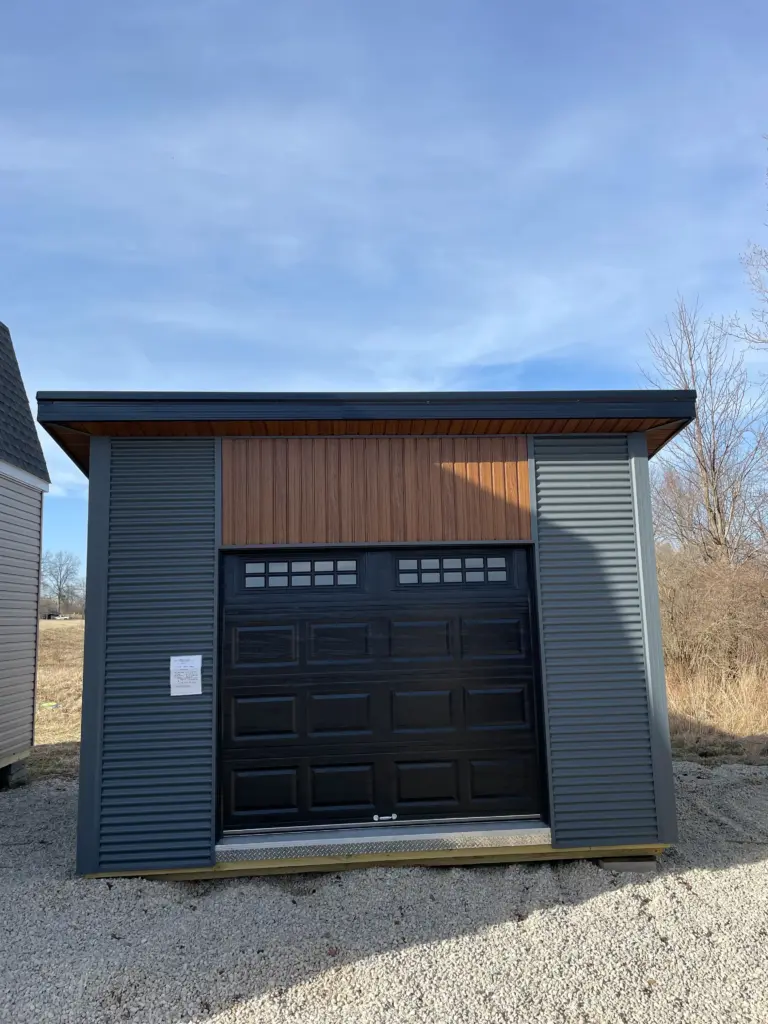
The first step in moving a metal shed is understanding what you are working with. Shed size, weight, age, and construction style all affect how the shed can be moved. Smaller sheds may be light enough to lift or roll, while larger sheds require equipment or partial disassembly. Inspect the structure for rust, loose fasteners, or weak framing. Older sheds may have brittle panels that crack under stress. Also check how the shed is anchored to the ground. Some sheds are bolted to concrete slabs, while others rest on gravel or blocks. Knowing these details helps you decide whether the shed can be moved intact or needs to be taken apart first.
Preparing The Shed Interior
Before moving a metal shed, everything inside must be removed. Tools, shelving, equipment, and stored items add weight and can shift during movement, increasing the risk of damage. Removing interior contents also makes the shed easier to handle and safer to move. If shelves are attached to the walls, consider removing them as well to prevent stress on the panels. Sweep the floor and check for fasteners that may have worked loose over time. Preparing the interior allows you to inspect the floor framing and ensures nothing interferes with lifting or sliding the structure. A lighter shed is easier to control and less likely to twist during the move.
Deciding Whether To Move Or Disassemble
Not all metal sheds should be moved in one piece. Larger sheds or those with structural wear are often safer to disassemble and reassemble. Disassembly allows panels to be transported individually, reducing stress on the frame. This approach also makes it easier to move sheds through narrow spaces or uneven terrain. Smaller, well-built sheds may be moved intact using skids, pipes, or lifting equipment. For homeowners considering future relocation, structures like a 10×20 Premier Cottage are often designed with durability in mind, making them easier to reposition when needed.
Tools and Equipment Commonly Used to Move Sheds
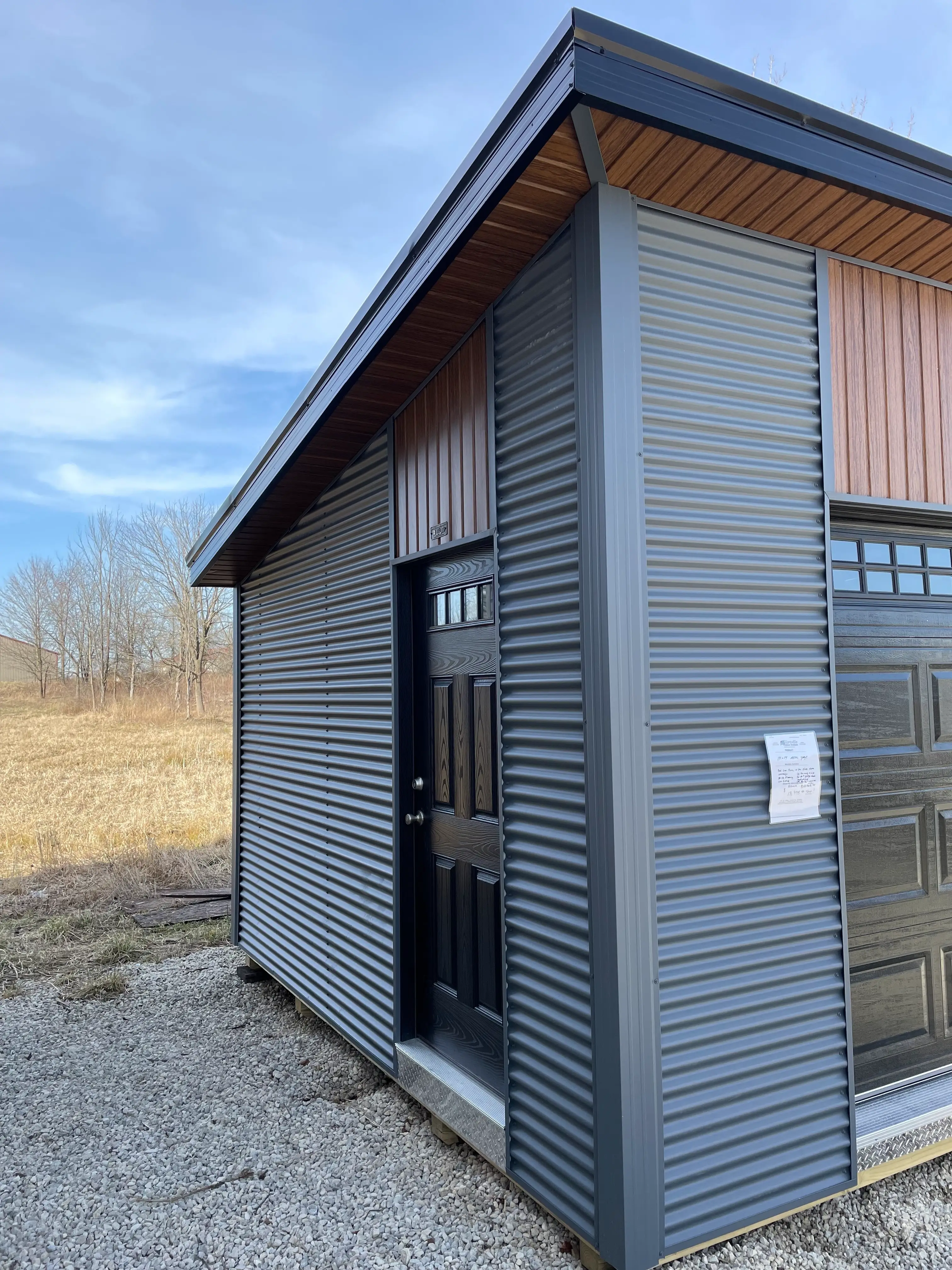
The tools required depend on the shed size and movement method. Common tools include pry bars, jacks, heavy-duty pipes or rollers, ratchet straps, and plywood sheets. Pipes placed under the shed can act as rollers for short-distance moves. Jacks help lift the shed onto skids or trailers. For larger sheds, forklifts or tractors may be necessary. Protective gloves and sturdy footwear are essential for safety. According to Family Handyman, having the right equipment on hand reduces the risk of injury and structural damage during shed moves. Never attempt to move a shed without proper support and assistance.
Preparing the New Location Before Moving
The destination site should be ready before the shed is moved. Clear debris, level the ground, and prepare a proper foundation such as gravel, concrete blocks, or a slab. A level base prevents doors from sticking and reduces stress on the structure. Measure the new location carefully to ensure adequate clearance on all sides. Consider drainage, sunlight, and access paths. Preparing the site ahead of time allows the shed to be placed immediately after moving, reducing the time it spends unsupported. Proper site preparation helps extend the life of the shed and prevents future shifting or settling. If you’re considering replacing or upgrading your existing structure, explore our storage sheds to compare a variety of durable designs built for long-term outdoor use.
Protecting the Shed During the Move
Protecting the metal shed during the moving process is just as important as planning the move itself. Metal panels can bend, scratch, or dent if they are not properly secured. Before moving, doors should be closed and latched tightly, or temporarily removed if they swing freely. Sharp edges, corners, and seams are especially vulnerable and may benefit from padding using moving blankets, cardboard, or foam.
Ratchet straps can help hold panels firmly in place, but they should be tightened carefully to avoid warping the structure. If the shed is being rolled or slid, make sure the base remains evenly supported at all times. Sudden drops or uneven lifting can twist the frame and cause doors to misalign later. Taking extra time to stabilize and protect the shed reduces the risk of cosmetic damage and structural issues. These precautions also make the move safer for everyone involved, helping ensure the shed arrives at its new location intact and ready for use.
Moving the Shed Safely
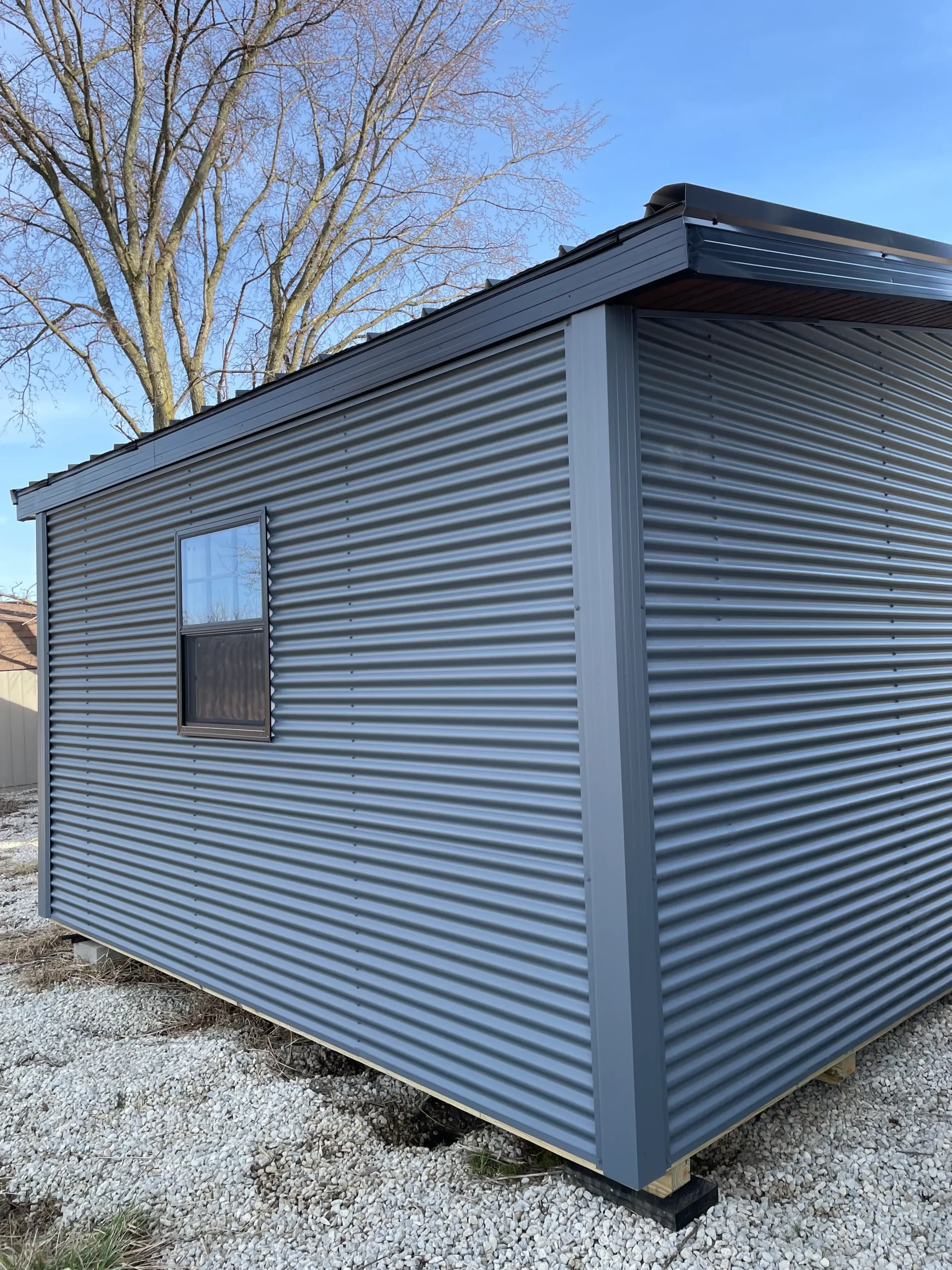
For short moves within the same property, rolling or sliding the shed is often the most practical approach. Pipes or heavy-duty rollers placed under the shed allow it to move gradually. Move slowly and evenly, repositioning rollers as needed. Keep the shed level to avoid twisting the frame. Having multiple helpers ensures balanced movement and control. Avoid dragging the shed directly on the ground, as this can damage the base. Short-distance moves work best on flat terrain and with sheds that are structurally sound.
Transporting a Metal Shed to a New Property
Moving a shed to a different property usually requires disassembly or professional transport. Panels should be labeled during disassembly to simplify reassembly. Use padding to protect painted surfaces during transport. Secure all components tightly to prevent shifting. For larger sheds, hiring professionals with flatbed trailers and lifting equipment may be the safest option. Homeowners who anticipate future moves may prefer sheds designed for flexibility. Options like a 12×20 Classic Barn offer storage capacity while still allowing manageable relocation when planned correctly.
Common Mistakes to Avoid
One of the most common mistakes is underestimating the shed’s weight. Attempting to move it without enough help or equipment can cause injuries or damage. Another mistake is failing to secure doors and panels, which can swing open and bend during movement. Rushing the process often leads to uneven lifting or dropping the shed. Skipping site preparation can result in improper placement and future issues. Taking time to plan each step reduces risks and ensures a smoother move.
Conclusion
Learning how to move a metal shed begins with proper planning, careful preparation, and the right equipment. Taking time to inspect the structure, remove its contents, prepare the new location, and choose the safest moving method helps protect both the shed and everyone involved. Whether you move the shed intact or disassemble it first, following the correct steps can make the relocation process much smoother.If you’re considering upgrading your outdoor storage, Hartville Outdoor Products offers a wide selection of quality sheds designed for durability, functionality, and long-term value. Explore our storage shed options to find a structure that meets your current needs and adapts to future changes.