
Learning how to move a storage shed can save you from tearing down a useful structure when you redesign your yard or change properties. However, moving a shed takes more planning than simply lifting one side and pulling it across the ground. The building can twist, crack, or separate from its floor if you move it without proper support. The safest approach depends on the shed size, construction, distance, foundation, and available equipment.
Small sheds may move across a property with rollers, skids, jacks, or a trailer. Larger sheds often need professional equipment such as a flatbed, hydraulic trailer, or specialized shed-moving system. Before you begin, inspect the building, empty the interior, disconnect utilities, and prepare the new location. A careful plan can protect the shed and reduce the chance of damaging doors, walls, roofing, or surrounding property.
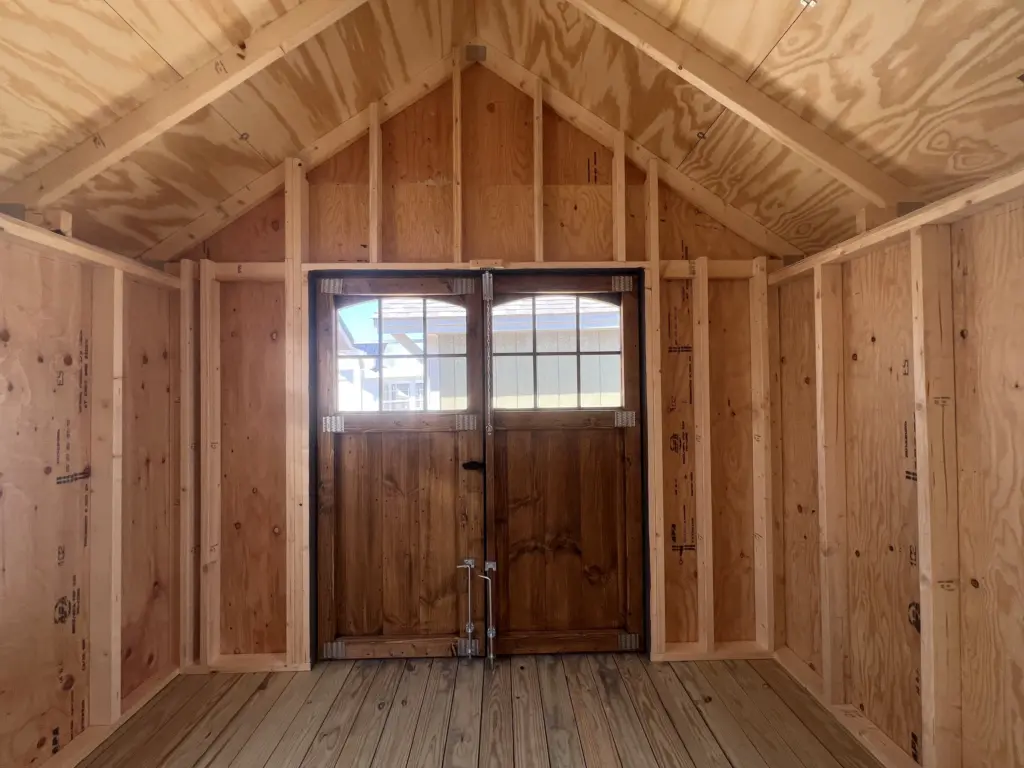
How To Move A Storage Shed Safely
Start by deciding whether you can realistically move the shed yourself. Measure the building and estimate its weight based on the framing, siding, floor, roof, and contents. A small lightweight shed may be manageable with several people and basic equipment. A large wood building can weigh thousands of pounds. In that situation, professional help often makes more sense. Never attempt to lift a large structure with equipment that does not have enough capacity.
Walk around the shed and inspect the floor, skids, wall corners, roof, and door openings. Repair loose framing before moving anything. Remove shelves or heavy items that could shift inside. Larger buildings usually require stronger lifting points and more specialized transportation.
Empty The Shed Before Moving It
Remove everything from the shed before lifting or dragging it. Lawn equipment, tools, shelves, storage bins, and furniture add unnecessary weight. Loose items can also shift during movement and damage the walls or doors. Take down wall-mounted objects when possible. Heavy shelving can pull on the framing as the building flexes. The lighter you make the shed, the easier it becomes to control.
Disconnect any electrical wiring, plumbing, or other utilities before work begins. Do not pull a shed while cables or pipes remain attached. If the shed has electrical service, shut off the power and use a qualified electrician when required. Remove exterior steps, ramps, skirting, or attached decks that could interfere with lifting. Secure windows and doors so they do not swing open. These simple steps reduce weight and help protect the structure during the move.

Prepare The New Shed Location First
Prepare the destination before you move the building. The new site should be level, stable, and well drained. Remove grass, roots, loose soil, and debris from the footprint. Many storage sheds perform well on a compacted gravel pad because gravel supports drainage and creates a stable base. The exact foundation should match the shed size and local requirements.
Measure the new location carefully and make sure the shed will fit. Leave enough room around the building for doors, maintenance, and future repairs. Check the route between the old and new locations as well. Remove obstacles such as low branches, fences, patio furniture, or temporary structures. The path should be wide enough for the shed and moving equipment. Preparing the site first prevents you from having to leave the building suspended or sitting in an unstable position.
Use Rollers Or Pipes For A Short Move
Small sheds can sometimes move across a flat property with heavy-duty rollers or round pipes. First, raise the shed slowly with suitable jacks. Place strong blocks beneath the frame as you work. Never depend on a jack alone to support a building. Once you create enough clearance, place several pipes or rollers beneath the shed skids. Lower the building carefully onto them.
Move the shed slowly while shifting the rear rollers to the front as the structure advances. Keep several people nearby to watch the building and control its direction. This method works best on firm, level ground. Soft soil can cause rollers to sink. Slopes also increase the risk of losing control. Do not stand downhill from a moving shed. If the terrain is uneven or the structure feels unstable, stop and choose a safer method.
Move The Shed With Skids And Pulling Equipment
Some storage sheds already sit on strong wooden skids. These skids can help move the building across short distances. Raise the shed enough to place smooth supports, heavy boards, or a prepared path beneath the skids. A suitable vehicle, winch, or come-along may then pull the structure slowly. Keep the pull straight whenever possible so the shed does not twist.
Do not attach the pulling line to siding, door frames, or other weak parts. Connect only to structural framing that can handle the load. Move a few feet at a time and inspect the building after each section. Watch for cracking, leaning, or separation between the floor and walls. A slow move gives you time to correct problems. Hartville Outdoor Products’ storage sheds and barns show how different building styles use various floor and skid configurations that may affect moving options.

Use A Trailer For Longer Distances
A trailer often makes more sense when you need to move a shed across a large property or to another location. The trailer must have enough width, length, and weight capacity for the building. You also need equipment that can load the shed without damaging it. Hydraulic shed trailers make this process much easier because they can tilt, lift, and position the structure with better control.
Road transport adds another level of planning. Building width, height, route clearance, permits, and local transportation rules may apply. Overhead wires, bridges, narrow roads, and low tree branches can create serious hazards. For general background on storage buildings and common shed designs, see sheds on Wikipedia. If the shed must travel on public roads, a professional mover can help handle route planning and transportation requirements.
Protect The Shed From Structural Damage
A shed can look strong while still flexing during movement. Doors may go out of square, windows can crack, and wall connections can loosen. Temporary bracing can help protect the structure. Add diagonal braces inside the shed if the walls seem flexible. Reinforce wide door openings when needed. Make sure the floor remains firmly attached to the wall framing before lifting.
Raise the building evenly instead of lifting one corner too high. Excessive twisting can damage the frame. Use multiple jacking points when necessary and add solid blocking under the structure. Never crawl beneath a suspended shed. If you need to work near the underside, support the building with properly placed blocks that can carry the load. Move slowly and stop whenever the structure shifts unexpectedly. Protecting the frame matters more than finishing the move quickly.
Set The Shed On Its New Foundation
Once the shed reaches the new location, align it carefully before lowering it. Check the position relative to property lines, walkways, and other buildings. Make sure the doors face the correct direction and have enough clearance to open fully. Lower the shed gradually onto the prepared foundation. Check the level from side to side and front to back before removing the lifting equipment.
After placement, inspect doors and windows. A door that suddenly sticks can indicate that the building is not level. Add or adjust foundation support rather than forcing the door. Reconnect ramps, steps, utilities, and other removed features only after the shed sits securely. Walk around the structure and inspect the roof, siding, floor, and corners for damage. A final inspection helps you catch small issues before they become larger problems.

Know When To Hire A Professional Shed Mover
Understanding how to move a storage shed helps you decide whether the project fits your tools and experience. Small sheds may move successfully with rollers, skids, jacks, and careful planning. Large buildings require much more support. If the shed is heavy, tall, wide, or located on difficult terrain, a professional mover can reduce risk. Specialized equipment also makes it easier to control the building without placing people in dangerous positions.
If moving the existing shed no longer makes financial sense, replacing it may be another option. Hartville Outdoor Products offers storage sheds, barns, garages, and other outdoor buildings in many sizes and styles. Buyers can compare structures based on storage needs, available property space, and future use. Whether you move your current shed or choose a new one, prepare the foundation carefully. A stable site and proper support can help the building remain level and useful for many years.