
How To Move a Large Shed
Estimated reading time: 7 minutes
Relocating a shed may seem simple at first, but moving even a small outdoor structure involves far more planning than most homeowners expect. Storage sheds are heavy, awkward to lift, and vulnerable to structural damage if moved incorrectly. Uneven ground, weak flooring, and improper lifting methods can easily twist the frame or crack the walls during transportation. Whether the goal is to create more yard space, improve landscaping, reposition a workshop, or relocate a portable building to a new property, understanding the best way to move a storage shed helps prevent expensive mistakes. A successful move depends on preparation, the right equipment, and knowing when professional assistance is necessary. Proper planning protects both the shed itself and the property around it while making the entire relocation process safer and more efficient.
The safest way to move a storage shed depends on the shed’s size, condition, weight, distance, and the terrain it must travel across.
Why Homeowners Move Storage Sheds
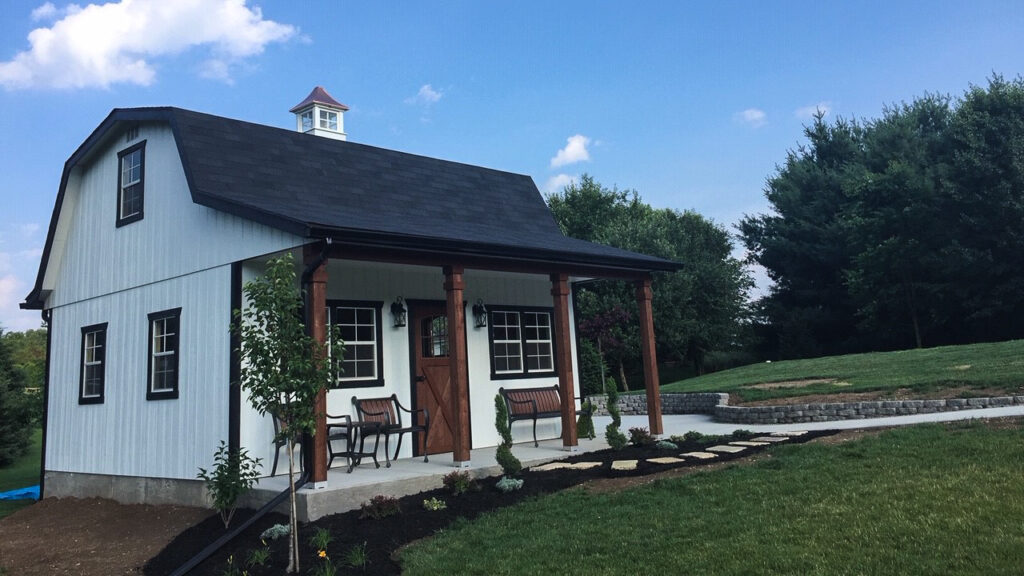
There are many reasons homeowners choose to relocate outdoor storage buildings instead of replacing them entirely. Some people want to redesign their yard layout, while others need more space for landscaping, patios, gardens, or outdoor recreation areas. In some cases, homeowners move sheds to improve drainage or protect the structure from water damage caused by poor placement. Portable buildings are also commonly relocated during property renovations or when preparing for additional outdoor structures such as garages or greenhouses. Moving an existing shed is often more practical than purchasing a completely new building, especially if the structure is still in good condition.
Important Factors Before Moving A Shed
Before relocating any outdoor structure, it is important to evaluate the condition of the building carefully. Older sheds with weak flooring, rotted framing, or moisture damage may not survive transportation safely. The size and weight of the shed also play a major role in determining which moving method is appropriate. Small portable sheds may be relocated within the same property fairly easily, while larger structures often require trailers, lifting equipment, or professional shed movers. Homeowners should also inspect the surrounding terrain because steep slopes, mud, tree roots, and narrow gates can make relocation significantly more difficult.
Preparing The Shed Before Transportation
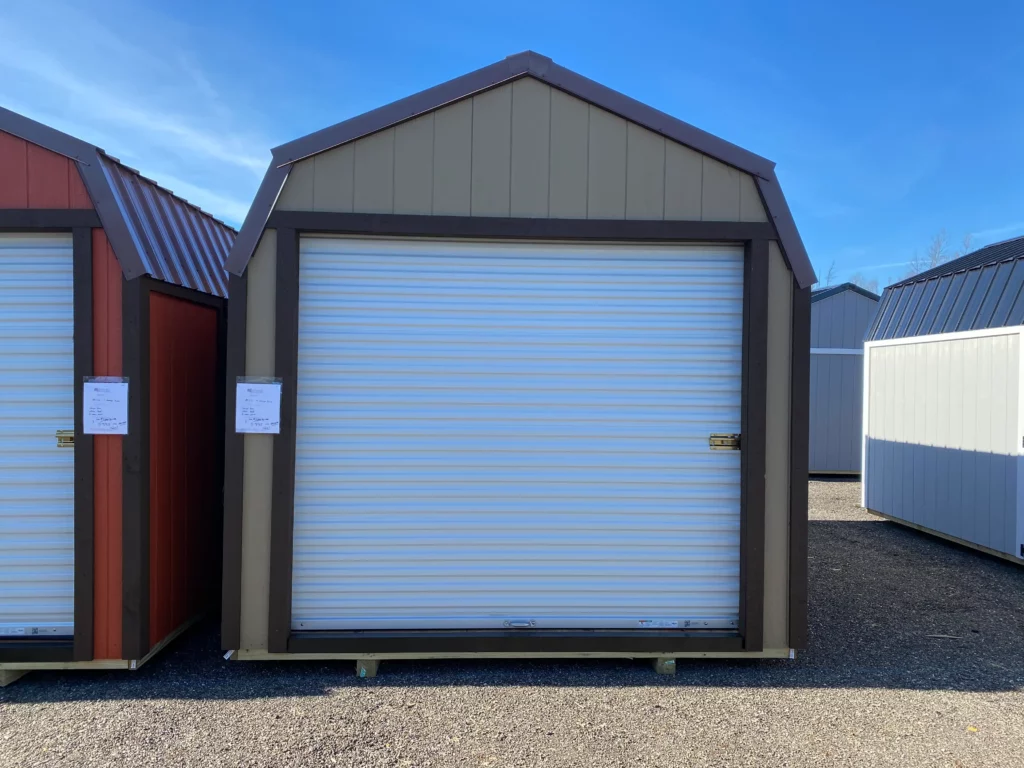
Proper preparation is one of the most important parts of safely relocating a storage building. Start by removing all tools, lawn equipment, shelving, and stored belongings from inside the structure. Even lightweight items can shift during movement and create structural stress. Disconnect electrical wiring if the shed has lighting or outlets installed. Remove exterior obstacles such as ramps, attached planters, or loose trim pieces that could be damaged during transportation. Inspect the floor framing underneath the shed carefully because weak or water-damaged flooring may fail once lifting begins. Taking the time to prepare the structure correctly helps reduce the risk of damage throughout the move.
Choosing The Best Moving Method
The best relocation method depends on the shed’s size, weight, and moving distance. Smaller portable sheds are sometimes moved short distances using rollers or skids across level ground. Larger buildings often require trailers, tractors, forklifts, or hydraulic lifting systems to move safely. Structures being relocated to another property usually need professional transportation equipment capable of handling oversized loads securely. Choosing the wrong moving method can damage both the shed and surrounding property, especially if the structure is lifted unevenly or transported across rough terrain.
Comparison Of Common Shed Moving Methods
| Moving Method | Best For | Difficulty Level | Professional Help Recommended |
|---|---|---|---|
| Conveyor Rollers | Short-distance backyard moves | Moderate | Sometimes |
| Trailer Transport | Long-distance relocation | High | Yes |
| Tractor Or Skid Steer | Large sheds on open property | High | Yes |
| Manual Jack And Rail System | Smaller portable sheds | Moderate | Optional |
Short-Distance Shed Relocation
When moving a shed within the same property, rollers and skid systems are among the most common methods used. This process typically involves lifting the structure slightly and placing pipes or rollers underneath so the building can move gradually across level ground. Short-distance relocation works best for lightweight portable sheds with solid flooring and stable framing. However, even small moves can become risky if the ground is uneven or soft. Structures may shift unexpectedly during transportation, which can damage walls, doors, or roofing systems if the frame twists under pressure.
Moving A Shed To Another Property
Relocating a storage building to a completely different property is significantly more complicated than moving it across a backyard. Larger sheds often require oversized load permits, specialized trailers, and route planning to avoid low power lines or narrow roads. Professional shed delivery services usually use hydraulic trailers designed to distribute weight evenly and minimize structural movement during travel.. This helps protect the building from cracking or shifting while on the road. Homeowners planning long-distance relocation should always verify local permit requirements before transportation begins.
How Much Does It Cost To Move A Shed?
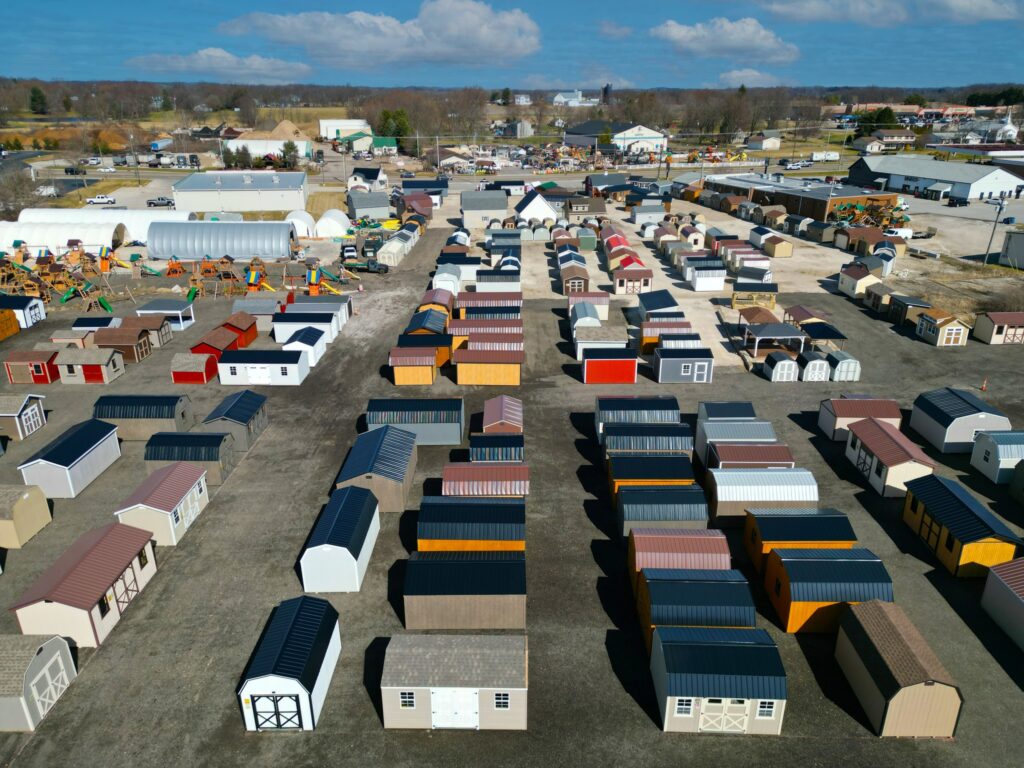
The cost of relocating a shed depends on several factors, including the structure’s size, moving distance, terrain, and accessibility. Small local moves may cost only a few hundred dollars, while larger sheds transported long distances can cost significantly more due to permits, labor, and specialized equipment. Difficult access conditions such as hills, fences, mud, or tree removal may also increase pricing. In some cases, older sheds in poor condition may cost more to relocate than they are worth. Comparing relocation costs against replacement value helps homeowners decide whether moving the structure is the best long-term option.
Quick Shed Moving Tip
Before lifting any shed, inspect the flooring and lower framing underneath the structure carefully. Weak or water-damaged floor systems are one of the most common reasons sheds crack or collapse during transportation.
Weather And Ground Conditions Matter
Ground conditions have a major impact on how safely a shed can be moved. Wet or muddy soil may cause equipment to sink, while frozen ground can create uneven movement during lifting. Windy weather also increases risk when transporting taller buildings because strong gusts can shift lightweight structures unexpectedly. Professional shed movers often schedule relocations during stable weather conditions to reduce safety concerns and avoid unnecessary delays. Paying attention to environmental conditions helps protect both the structure and surrounding property during transportation.
When Professional Shed Movers Are Worth It
While some smaller portable buildings can be relocated by homeowners, larger sheds usually require professional equipment and experience. Heavy buildings often need hydraulic lifting systems, trailers, or skid steers capable of moving large loads safely without damaging the structure. Experienced movers also understand how to balance weight properly and navigate difficult terrain. Homeowners with larger outdoor structures often prefer professionally built portable buildings from companies such as Hartville Outdoor Products, which are designed for durability and long-term usability. Protecting that investment during relocation is extremely important.
Common Mistakes During Shed Relocation
One of the biggest mistakes homeowners make is attempting to move sheds without evaluating structural condition first. Weak flooring, rotted framing, and loose siding can fail quickly once lifting begins. Another common issue is using undersized equipment that cannot support the shed’s weight properly. Attempting to drag buildings across uneven ground may also twist the frame and cause permanent structural damage. Proper planning, balanced lifting, and realistic expectations are critical for avoiding costly mistakes during transportation.
Expert Advice On Moving Portable Buildings
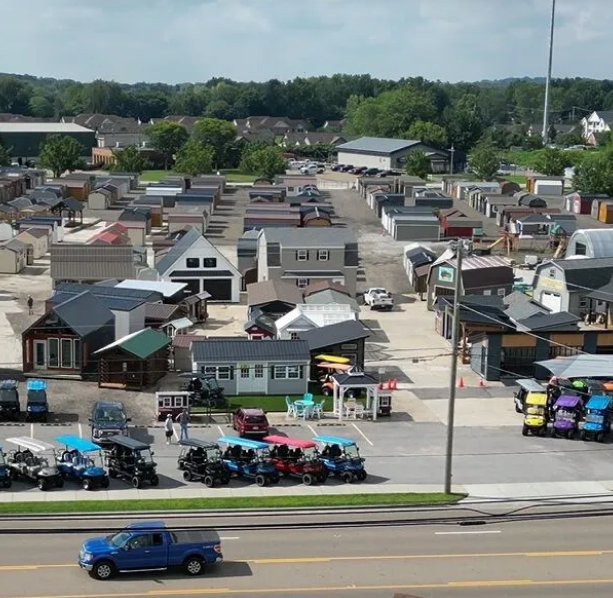
According to relocation guidance from This Old House, portable structures should always be evaluated for structural integrity and transported using equipment designed for the building’s size and weight. Proper preparation and stable lifting systems help reduce the risk of structural damage during relocation.
Conclusion
Understanding the best way to move a storage shed helps homeowners protect their investment while avoiding unnecessary structural damage and safety risks. Successful relocation depends on careful planning, proper equipment, stable ground conditions, and realistic expectations about the building’s size and condition. While smaller sheds may be relocated short distances with the right preparation, larger outdoor structures often require professional transportation methods to ensure safe handling. A properly moved shed can continue providing reliable storage and functionality for many years without the expense of replacement. For homeowners looking for durable portable buildings and dependable outdoor storage solutions, Hartville Outdoor Products offers quality structures built for long-term performance and everyday usability.