
Raising chickens at home can provide fresh eggs, useful garden fertilizer, and an enjoyable way to become more involved with your property. However, the success of a backyard flock depends heavily on the shelter you provide. Chickens need protection from rain, wind, extreme temperatures, predators, and other environmental hazards. Learning how to make a chicken coop correctly means planning beyond four walls and a roof. A practical coop should provide enough interior room, secure sleeping areas, ventilation, nesting space, easy access, and a protected outdoor area where birds can move naturally during the day.
Before buying lumber or cutting your first board, think about your flock size, available yard space, local climate, cleaning routine, and the number of chickens you may keep in the future. A coop that barely fits your current flock can become crowded quickly if you add more birds. Good planning can also reduce daily chores because doors, feeders, nesting boxes, and cleaning access can be positioned where they are easy to reach. Whether you build the entire structure yourself or start with a professionally built animal shelter, the goal should be a secure, dry, well-ventilated home that remains practical throughout the year.
How To Make A Chicken Coop With A Practical Plan
Start by sketching the coop before purchasing materials. Your plan should identify the sleeping area, nesting boxes, roosting bars, access doors, ventilation openings, windows, feeding space, and connection to an outdoor run. Consider how you will enter the coop for cleaning and how you will collect eggs without disturbing the flock unnecessarily. A full-size human access door can make maintenance considerably easier than trying to reach through a small chicken opening. You should also determine how electrical wiring or lighting will be handled if you expect to add those features later.
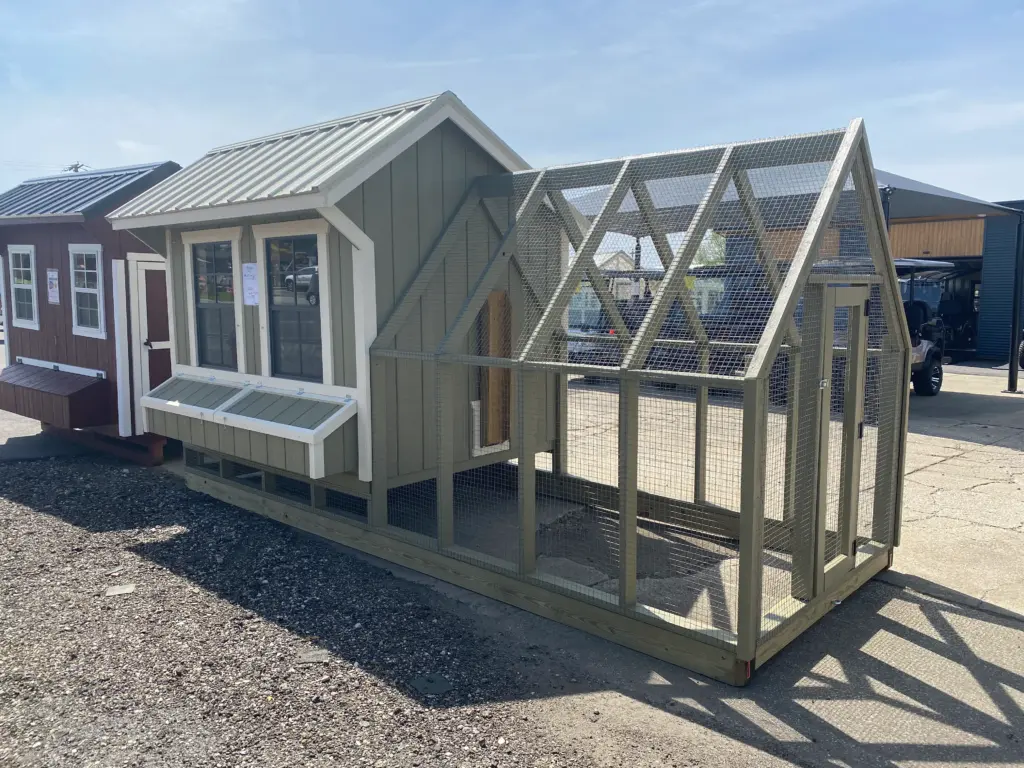
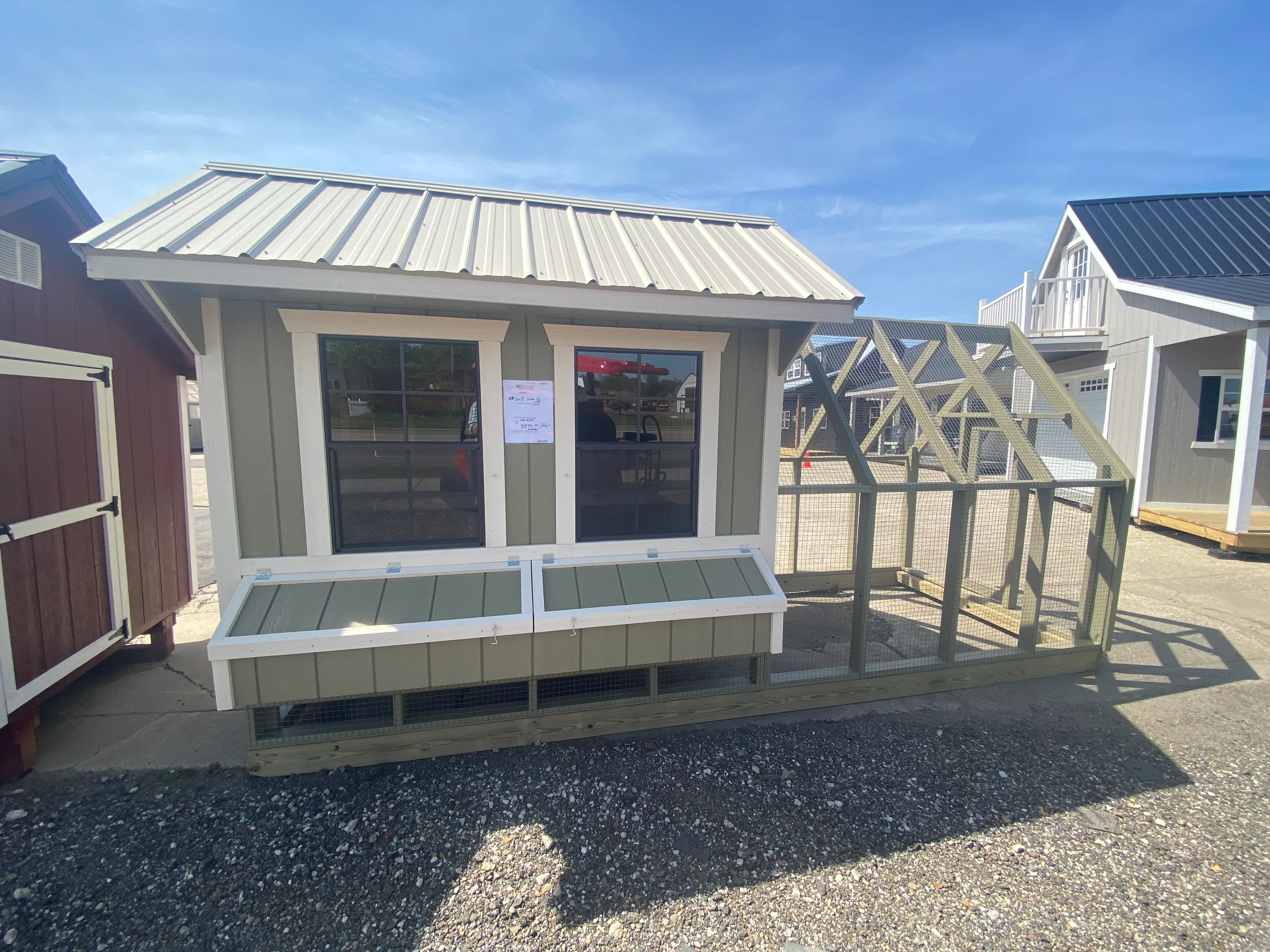
Plan the structure around the number and size of chickens you expect to keep. Larger breeds generally need more room than smaller birds. Crowded conditions can increase stress, moisture, odor, and competition around food or roosting areas. Outdoor access also matters because chickens benefit from space to walk, scratch, dust bathe, and explore. Leave enough room around the coop for future repairs and cleaning rather than placing it tightly against another structure. If you prefer a ready-built option, Hartville Outdoor Products offers a 6×8 chicken coop with a run that demonstrates how indoor shelter and a protected outdoor area can be combined into one practical structure.
Choose The Right Location And Coop Size
Location affects comfort, drainage, maintenance, and the long-term condition of the building. Select a relatively level area that does not collect standing water after rain. A low section of the yard may remain damp, creating muddy conditions around the entrance and adding unnecessary moisture underneath the coop. Good drainage helps protect floor framing while keeping the flock’s environment cleaner. Consider sunlight and shade as well. Morning sun can help dry damp areas, while some afternoon shade may reduce heat buildup during hot summer weather. Avoid positioning the coop where roof runoff from another building will flow toward it.
The location should also allow convenient daily access. Chickens require regular feeding, watering, egg collection, observation, and cleaning, so a coop placed far from the house can make routine care more difficult during rain, snow, or cold weather. Think about how feed and bedding will be transported to the structure. Leave enough clearance for wheelbarrows, carts, or other equipment. Before construction, check applicable zoning, setback, poultry, and accessory-building requirements in your community. Regulations can differ depending on where you live. Planning the size and placement correctly from the beginning is much easier than moving a completed chicken coop because it was built too close to a property line or in an unsuitable part of the yard.
Build A Strong Foundation And Floor
The base of the chicken coop supports everything above it, so avoid treating the foundation as an afterthought. Depending on the size and design, a small coop may sit on pressure-treated skids, concrete blocks, piers, or another suitable foundation system. Whatever approach you choose, the base should remain stable, level, and adequately supported. Keeping wood framing away from constantly wet soil can reduce moisture-related deterioration. Raising the coop slightly above grade can also improve airflow underneath while reducing direct contact between floor framing and the ground.
Build the floor with materials capable of supporting the structure, chickens, bedding, feeders, and the people who will enter for maintenance. A smooth, durable floor surface makes cleaning easier because bedding and manure can be removed without catching on damaged boards or large gaps. Seal openings that could allow rodents or predators to enter from underneath. If the coop is elevated, make sure the area below does not become an easy hiding or nesting location for unwanted animals. The floor should also meet the wall framing cleanly so vulnerable gaps are not left around the perimeter. Taking additional time to square and level the floor platform will make wall and roof construction much easier later.
Frame The Walls, Doors, And Roof Properly
Once the floor platform is secure, frame the walls according to your plan. Standard wood framing can create a strong structure while giving you convenient locations for windows, vents, nesting boxes, doors, and exterior sheathing. Frame openings before standing the walls rather than cutting through structural members afterward. Make sure wall sections remain square and are securely connected at corners. The chicken access door should be large enough for birds to enter comfortably but small enough to close securely at night. Include a larger door for people so bedding, feeders, tools, and other supplies can be moved without difficulty.
The roof should direct rain and snow away from the walls and entrances. A sloped roof also creates additional interior air volume and provides space for high ventilation openings. Install appropriate roof sheathing and a weather-resistant roofing material suited to your climate. Metal roofing is a popular option for agricultural and backyard structures because it provides durable coverage when installed correctly. Extend roof edges enough to help keep water away from openings and siding. Flashing should be used where required to prevent water infiltration. A well-built roof protects more than the chickens. It also protects bedding, feed, framing, nesting areas, and everything else stored inside the coop.
Add Ventilation, Light, And Weather Protection
Ventilation is essential because chickens produce moisture through breathing and manure. Without adequate airflow, humidity and odors can build up inside the coop. Provide ventilation openings high on the walls so warm, moist air can escape while avoiding strong drafts directly across birds resting on the roost. Cover vents securely with strong hardware cloth to prevent wildlife from entering. Windows can provide additional airflow and natural light when weather permits, but they should close securely when necessary. Screens alone may not provide enough protection against determined predators, so select materials based on both ventilation and security.
Weather protection should account for the conditions your area experiences throughout the year. Exterior siding, roofing, trim, doors, and openings should work together to keep rain from reaching the interior. Inspect wall-to-roof connections carefully because wind-driven rain can enter small gaps. In colder regions, reducing drafts around roosting areas is important, but completely sealing the coop is not the answer because moisture still needs a way to escape. During warmer months, shade and airflow become particularly important. The goal is to create a dry shelter with controlled ventilation rather than an airtight box. Good airflow, adequate roof protection, and proper drainage work together to create a more comfortable environment for your flock.
Install Roosts, Nesting Boxes, Feeders, And Waterers
Interior features determine how comfortable and convenient the finished coop will be. Chickens naturally prefer to sleep above floor level, so provide stable roosting bars with enough space for the flock. Position them where birds can reach them without difficulty and where droppings will not fall directly into nesting boxes, feeders, or water containers. Avoid placing roosts too close to ventilation openings that create strong drafts. Roosting bars should also be positioned so you can reach the surrounding area easily during cleaning. Removable or accessible interior components can make routine maintenance faster.
Nesting boxes should provide a quiet, protected place for hens to lay eggs. Position them lower than the main roosting area so chickens are less likely to choose the boxes as their overnight sleeping location. Design the boxes so eggs can be collected easily without entering difficult corners of the structure. Feeders and waterers should also be positioned where they remain accessible without taking up unnecessary floor space. Keeping water away from bedding can help control moisture. Store additional feed in secure containers rather than leaving open bags where rodents or wildlife can reach them. A thoughtfully organized interior reduces wasted space and makes daily flock care considerably easier.
Build A Secure Run And Plan For Easy Maintenance
A protected outdoor run gives chickens space to exercise and perform natural behaviors while providing an additional layer of security. Build the run with durable framing and appropriately sized hardware cloth rather than relying on lightweight materials that predators may damage. Pay particular attention to the bottom edge because animals may attempt to dig underneath the enclosure. A secure roof or covered top can help protect the flock from climbing and flying predators. Gates should close firmly and use dependable latches. Inspect the entire run periodically because soil movement, weather, corrosion, and animals can create weak spots over time.
Biosecurity should also be part of routine coop management. The USDA Animal and Plant Health Inspection Service provides its official Defend the Flock resources to help poultry keepers understand practices that can reduce disease risks. Keep the coop reasonably clean, remove wet bedding, maintain clean water, and watch birds for changes in behavior or condition. Design choices can make these tasks easier. Large access doors, removable bedding areas, reachable corners, and convenient nesting boxes reduce the work required for regular maintenance. A coop that is easy to clean is more likely to receive consistent care than one filled with inaccessible spaces and complicated features.
Create A Chicken Coop That Works For Years
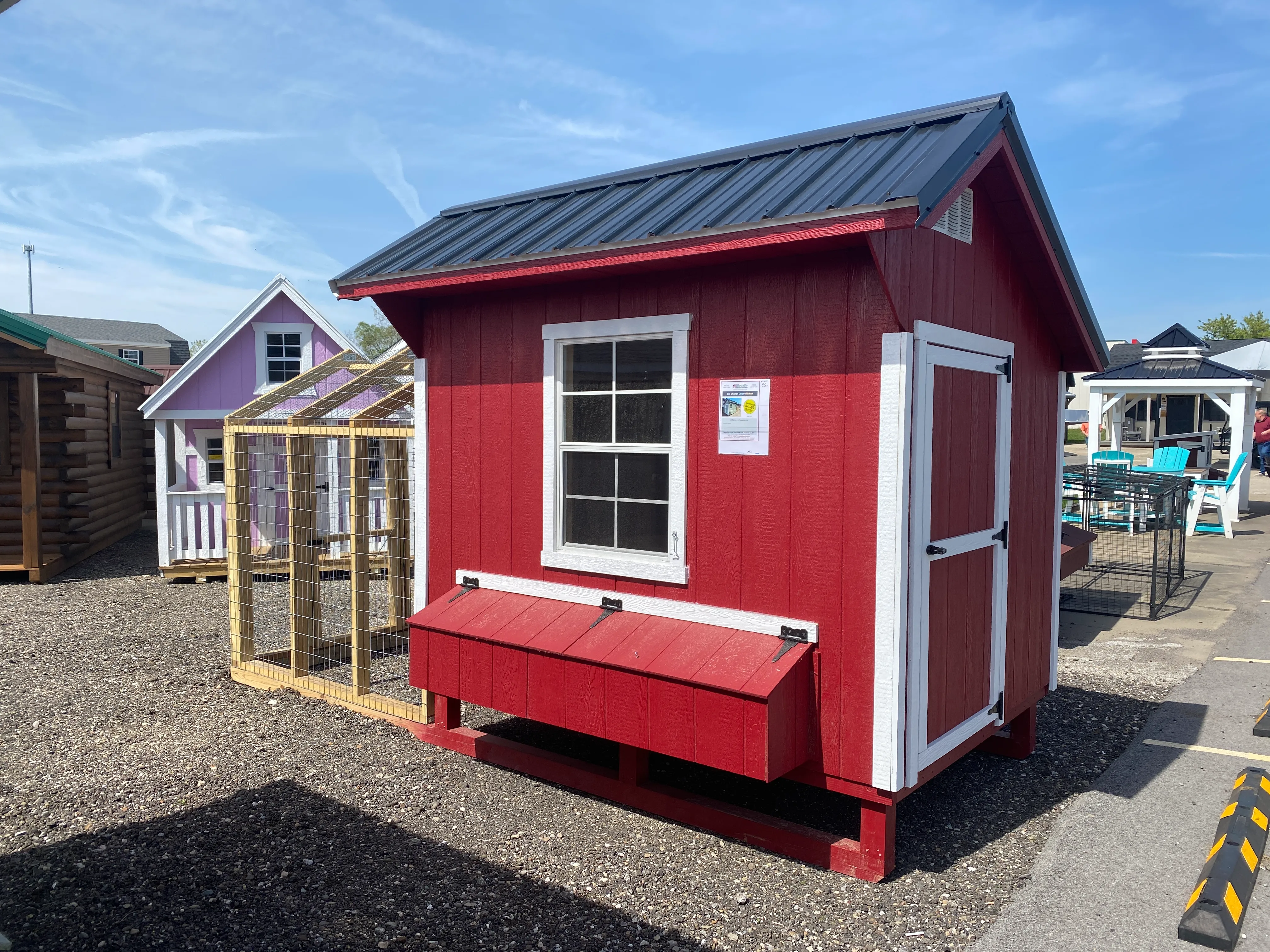
Learning how to make a chicken coop involves more than assembling lumber and adding a roof. A useful structure begins with the right location and a stable foundation, then combines secure framing, weather protection, ventilation, nesting space, roosts, outdoor access, and convenient cleaning features. Think about how every part of the coop will function during daily use. Doors should be easy to secure, eggs should be simple to collect, bedding should be easy to replace, and the entire structure should protect chickens without preventing necessary airflow. Planning for future flock growth can also prevent the need to replace a small coop sooner than expected.
Building from scratch can be rewarding, but it is not the only option for homeowners who want to raise chickens. Hartville Outdoor Products offers professionally built outdoor structures along with animal shelter options designed for practical property use. A ready-built chicken coop can reduce the amount of framing, roofing, and construction work required while providing an organized starting point for your flock. Whether you build your own structure or choose a completed coop, focus on durability, security, accessibility, and the long-term needs of your chickens. A well-planned coop makes caring for the flock easier and creates a backyard structure that can remain useful for many seasons.