
How To Keep Rats Out Of Chicken Coop
How to keep rats out of chicken coop is a major concern for many backyard poultry owners. Rats actively search for food, shelter, and warmth, which makes chicken coops highly attractive. Feed spills, nesting materials, and hidden spaces create the perfect environment for rodents to settle and multiply quickly. Once rats move into a coop, they can contaminate feed, spread disease, damage structures, and threaten young chicks. Preventing infestations requires more than setting traps. Poultry owners need a long-term strategy that includes proper feed storage, structural reinforcement, routine cleaning, and regular maintenance. Understanding why rats target coops helps homeowners stop problems before infestations become severe. When owners remove food sources and secure weak points, they make the coop far less appealing to rodents over time.

Why Rats Target Chicken Coops
Chicken coops provide an ideal environment for rats because they combine three essential survival needs: food, shelter, and safety. Feed that spills onto the ground becomes an easy meal, while bedding materials offer nesting opportunities. Coops also protect rats from predators and harsh weather, making them highly attractive shelter locations. Even a small gap in the structure can allow entry. When learning how to keep rats out of chicken coop, it is important to recognize that rats are opportunistic. They will exploit any weakness, whether it is leftover feed, unsealed openings, or clutter around the coop. Eliminating these attractants reduces the likelihood of infestation and makes the environment less suitable for long-term rodent activity.
Feed Control And Storage Practices
Feed is the number one reason rats are drawn to chicken coops. Leaving feed accessible overnight invites rodents to return repeatedly. Using sealed metal containers prevents rats from chewing through storage and contaminating supplies. Feeding chickens only what they can consume during the day reduces waste. Hanging feeders slightly off the ground also limits access. When considering how to keep rats out of chicken coop, controlling feed is one of the most effective steps. Without a consistent food source, rats are less likely to remain in the area. Proper feed management creates an environment where rodents cannot easily survive.
Sealing Gaps And Reinforcing Structure
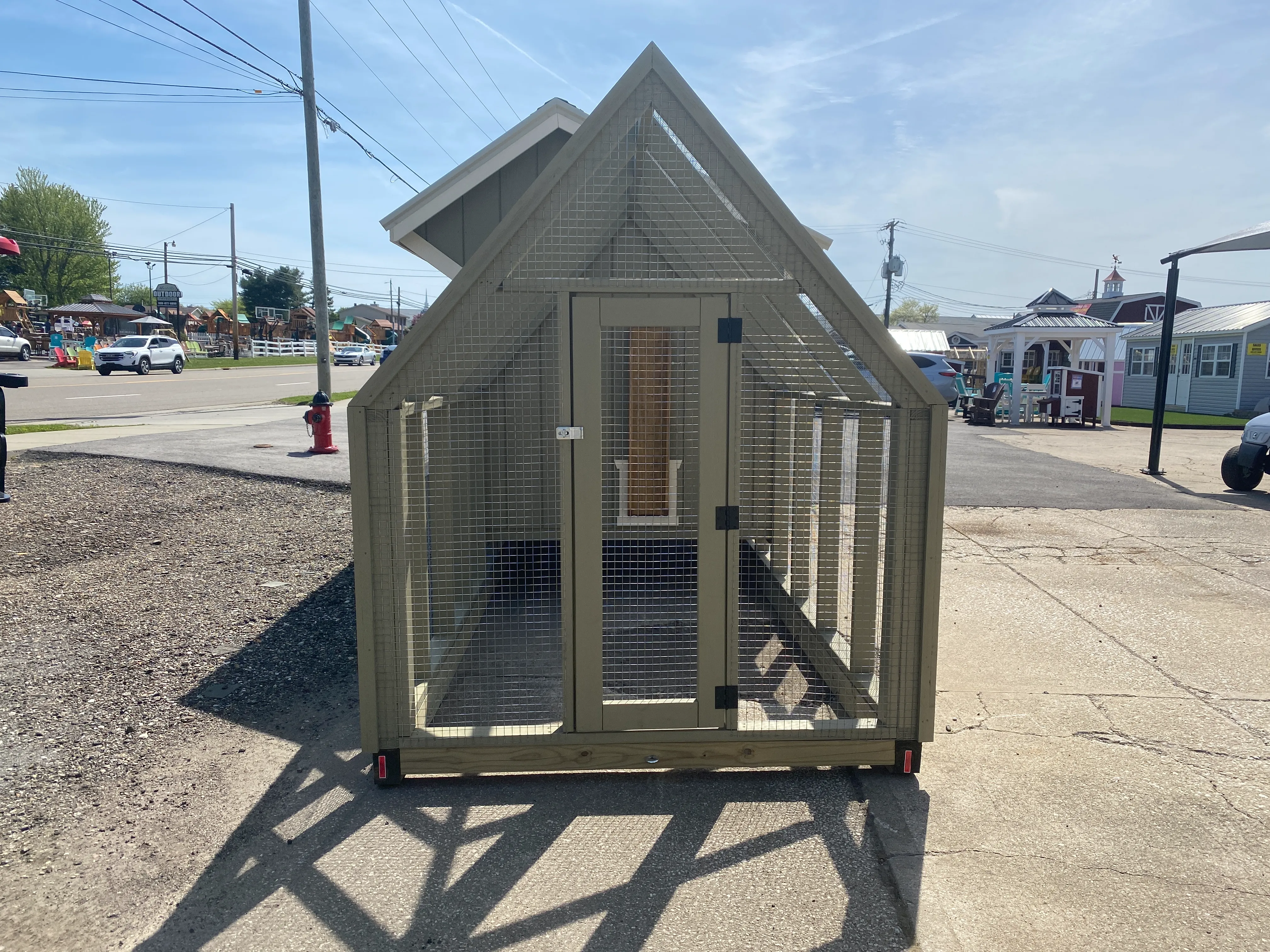
Rats can enter through extremely small openings, sometimes less than half an inch wide. Regular inspections help identify weak points such as cracks, loose boards, or gaps near doors. Replacing standard chicken wire with hardware cloth adds stronger protection, as rats can chew through weaker materials. Securing doors with tight-fitting latches prevents entry during nighttime hours when rats are most active. Understanding how to keep rats out of chicken coop involves eliminating every possible entry point. Even small openings should be sealed immediately to prevent infestation from starting.
Elevating The Coop And Preventing Burrowing
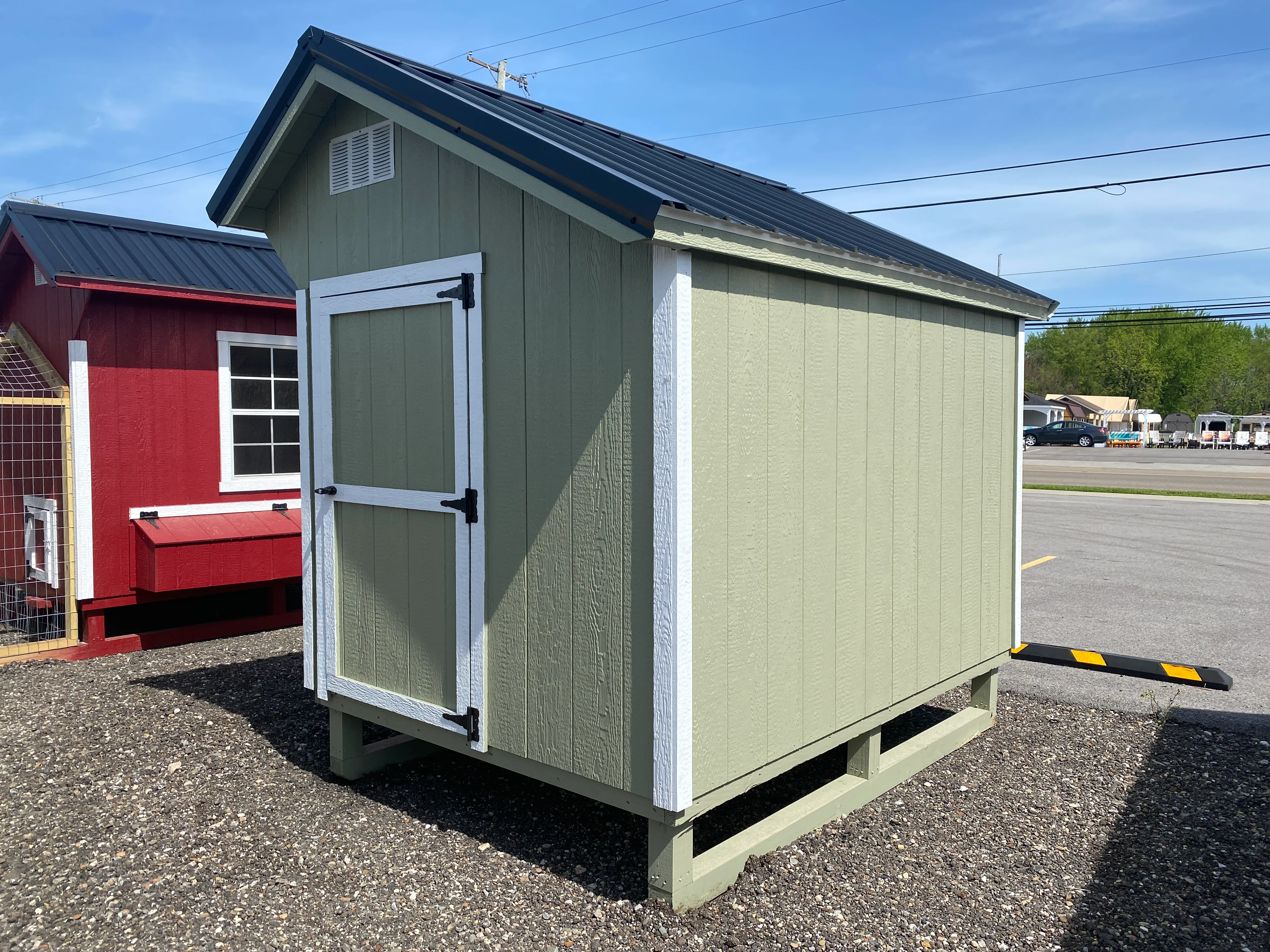
Raising the coop off the ground reduces the risk of rats burrowing underneath. Installing a solid floor or burying wire mesh below the coop perimeter creates a barrier against digging. Gravel bases improve drainage and make tunneling more difficult. Elevation also helps keep the interior dry, which discourages rodents from nesting. Structural adjustments such as these provide long-term protection and reduce the need for constant intervention. A well-designed coop foundation is a key component in preventing rodent access.
Keeping The Surrounding Area Clean
The environment around the coop plays a major role in rodent control. Tall grass, wood piles, and scattered debris create hiding spots for rats. Keeping vegetation trimmed and removing unnecessary clutter limits shelter options. Regularly cleaning droppings and leftover bedding reduces odor and food residue that attract pests. Homeowners who understand how to keep rats out of chicken coop focus not only on the structure itself but also on the surrounding area. A clean, open space makes it difficult for rodents to establish nests nearby.
Managing Bedding And Waste
Improper bedding management can create ideal nesting conditions for rats. Wet or soiled bedding attracts pests and supports bacterial growth. Using dry bedding materials and replacing them regularly keeps the coop environment clean. Composting waste away from the coop prevents rodents from accessing organic material. The deep litter method can be effective if managed correctly, but it must be monitored to prevent buildup of food scraps. Proper waste management reduces attraction and supports overall flock health.
Controlling Moisture And Coop Conditions
Moisture creates an environment where pests thrive. Damp bedding, standing water, and poor ventilation all contribute to rodent attraction. Ensuring proper airflow and keeping the coop dry reduces these risks. Many poultry owners also consider broader environmental factors, including temperature control, as explained in this guide on does chicken coop need heat. Managing moisture and airflow together creates a healthier environment for chickens while making conditions less favorable for rodents.
Using Traps And Deterrents
Traps can help reduce rat populations, but they should not be the only solution. Snap traps and enclosed bait stations are commonly used, but they must be placed where chickens cannot access them. Poison should generally be avoided due to risks to pets and wildlife. Deterrents such as ultrasonic devices offer limited effectiveness but may complement other methods. When learning how to keep rats out of chicken coop, it is important to combine trapping with prevention. Removing attractants ensures that new rats do not replace those that are eliminated.
Choosing A Well-Designed Coop
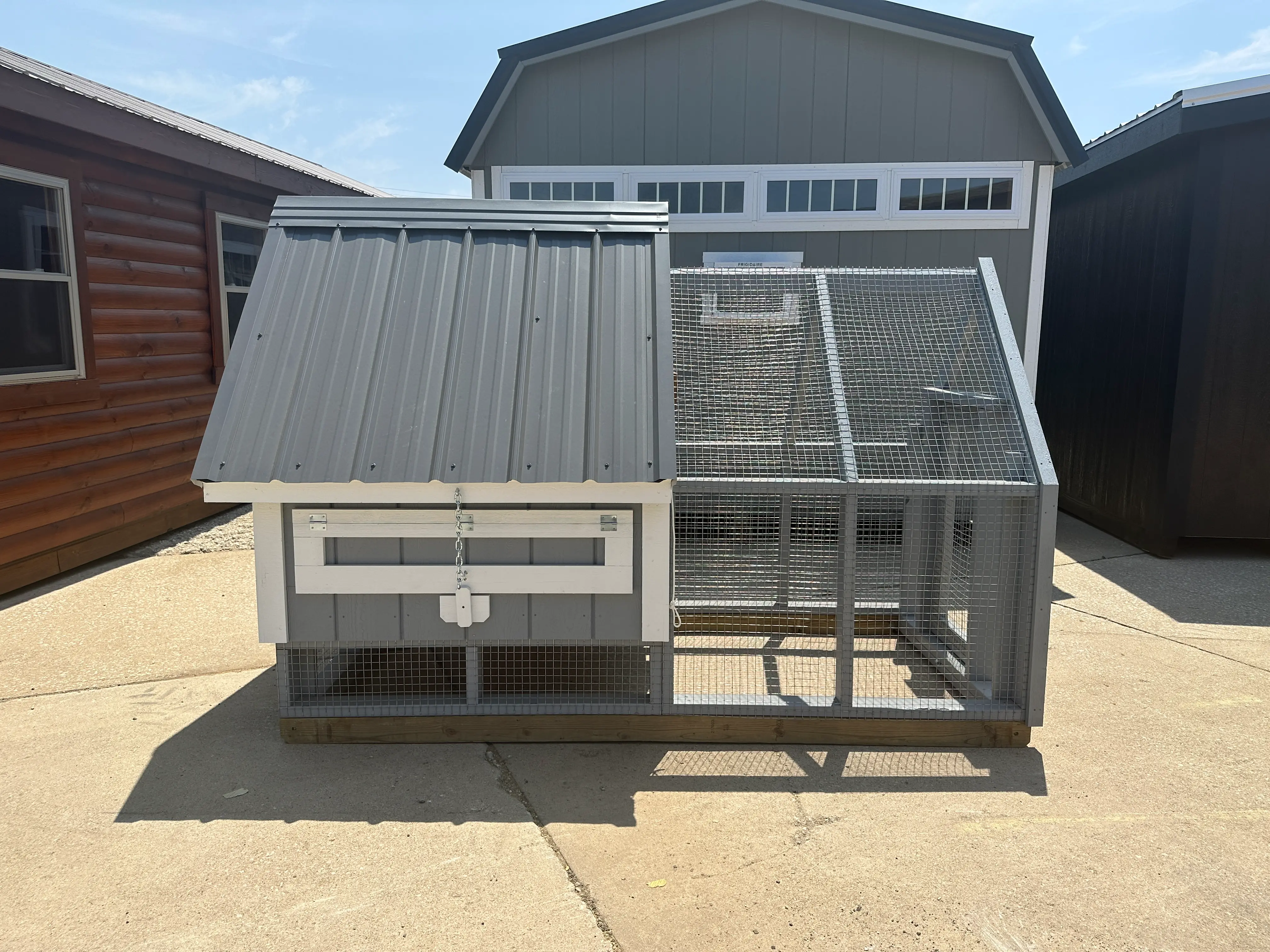
The design of the coop itself plays a major role in pest prevention. A secure structure such as a chicken coop for 6 chickens provides better protection through solid construction and controlled access points. Quality materials reduce the likelihood of gaps or weak spots that rats can exploit. A well-built coop supports proper ventilation, easy cleaning, and efficient feeding practices, all of which contribute to a pest-resistant environment. Investing in a strong structure simplifies long-term maintenance and reduces the chances of infestation.

Upgrading To Larger Coop Systems
For larger flocks, upgrading to a more spacious structure such as a backyard chicken coop improves organization and reduces overcrowding. Larger coops allow better separation of feeding, nesting, and waste areas, which helps limit rodent attraction. Organized layouts make it easier to clean and monitor conditions regularly. Expanding the coop system often eliminates many of the problems that lead to infestations in smaller, poorly organized setups.
Professional Pest Control Guidance
In severe cases, professional pest control may be necessary to fully eliminate infestations. Experts can identify hidden nesting areas and recommend targeted treatments. According to guidance from the Environmental Protection Agency, effective rodent control focuses on removing food, water, and shelter rather than relying solely on chemicals. Professional insight can help homeowners address persistent problems while maintaining a safe environment for animals and people.

Conclusion
How to keep rats out of chicken coop requires a combination of proper feed control, structural reinforcement, cleanliness, and consistent maintenance. Eliminating food sources and sealing entry points significantly reduces the chances of infestation. Keeping the surrounding area clean and managing moisture further discourages rodents from settling nearby. Long-term success depends on building a system that removes the conditions rats need to survive. For poultry owners looking to improve their setup with durable and secure structures, Hartville Outdoor Products offers solutions designed to support organized and efficient backyard environments.