
How to Keep Mice Out of Storage Boxes
You usually discover mice in storage boxes after the damage is already done. You open a box looking for seasonal decorations, winter clothes, or camping gear and find shredded paper, droppings, chewed fabric, or nesting material hidden inside. Mice quietly move into garages, sheds, attics, and basements because these spaces offer warmth, shelter, and protection from predators. Once they settle in, they can damage valuable belongings, contaminate surfaces, and even chew wiring or insulation nearby. Learning how to keep mice out of storage boxes helps prevent costly damage and protects your storage areas long-term. The best prevention methods focus on reducing access to food, eliminating hiding spots, sealing entry points, and choosing stronger storage containers that rodents cannot easily invade. With the right setup and regular maintenance, you can create a storage space that stays cleaner, safer, and far less attractive to mice throughout the year.

Why Mice Are Attracted to Storage Boxes
Mice are opportunistic survivors. They’re drawn to any space that offers:
- Shelter from the elements
- Warmth and nesting materials
- Food sources, even in trace amounts
- Dark, undisturbed environments
Storage boxes, especially those kept in garages, sheds, or attics, are often packed with linens, paper, or clothes, perfect materials for nests. If your storage area is quiet and infrequently accessed, mice can move in undetected.

Use Rodent-Resistant Containers
The first step in keeping mice out of storage boxes is selecting the right type of container.
Best options include:
- Heavy-duty plastic bins with tight-fitting lids: Mice can chew through thin or flimsy plastic, so choose thick, durable models.
- Metal storage boxes: Steel or aluminum boxes are completely chew-proof and ideal for long-term storage.
- Sealed wooden chests: Only effective if properly sealed with no entry gaps.
Avoid using cardboard boxes, fabric containers, or anything with soft sides, as mice can easily chew or claw their way inside.

Seal Gaps and Entry Points in the Storage Area
Even the most rodent-resistant boxes won’t help if mice have free access to your shed, attic, or basement. Inspect the area for entry points and seal them promptly.
Focus on:
- Gaps around doors, windows, or vents
- Cracks in the foundation or flooring
- Spaces around utility lines or pipes
- Loose siding or soffits
Use steel wool and caulk, wire mesh, or expanding foam to fill small holes. For larger gaps, consider metal flashing or pest-proof mesh screens.
Store Items Off the Ground
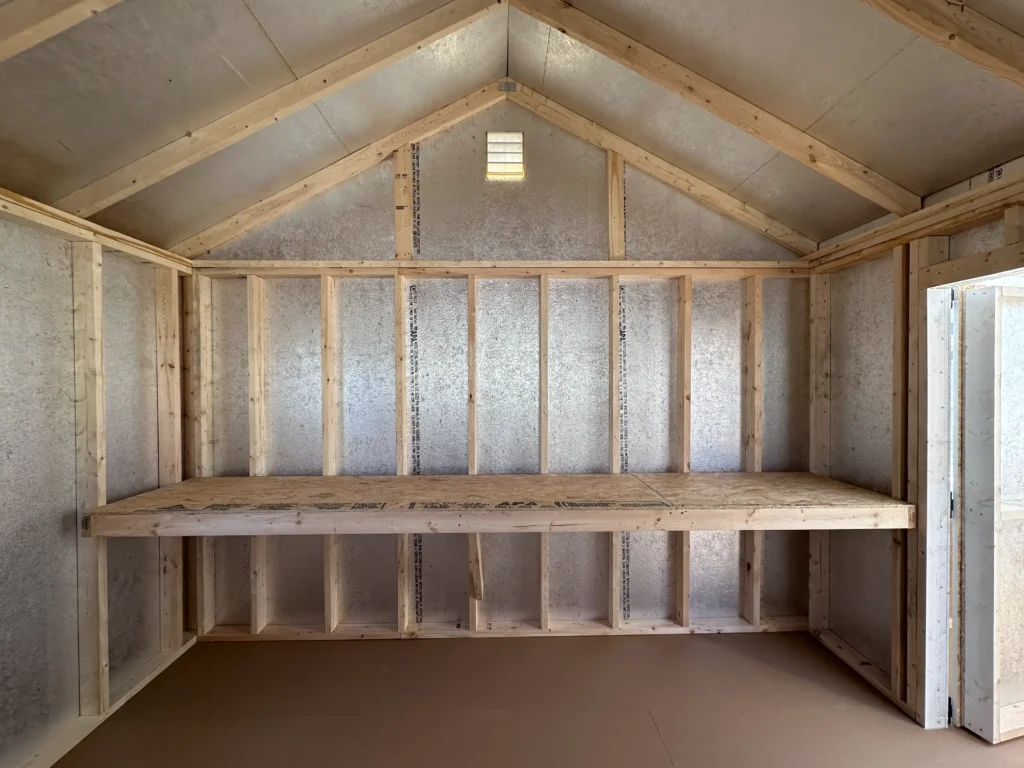
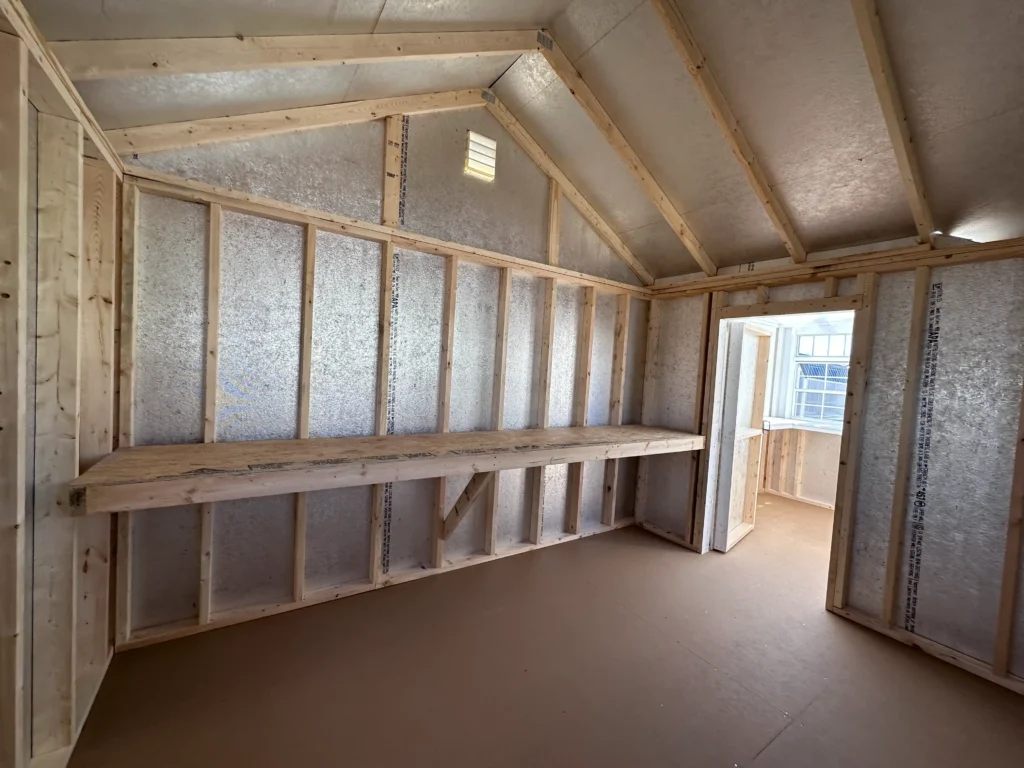
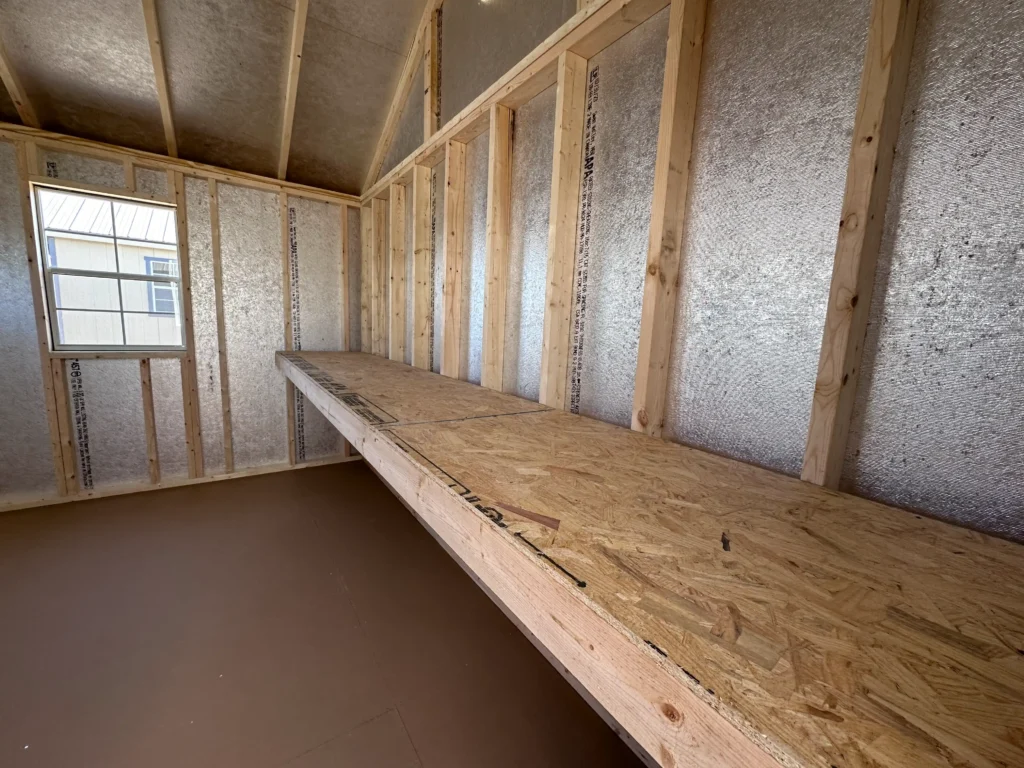
Elevate your storage boxes at least six inches off the floor to make them less accessible and less inviting. Use shelving units, pallets, or sturdy workbenches. Mice are excellent climbers but reducing their path of access makes your storage less vulnerable.
Keep the Area Clean and Dry
A cluttered, damp, or dirty environment attracts mice and other pests. To make your storage space less appealing:
- Remove food, crumbs, or spilled liquids.
- Keep trash sealed and regularly removed.
- Avoid storing pet food, birdseed, or dry goods unless in airtight metal or thick plastic containers.
- Ventilate the space to reduce moisture and humidity, which can attract pests.
Regularly cleaning and organizing the area also makes it easier to detect signs of infestation early.
Use Natural Mouse Deterrents
There are several natural methods for keeping mice away from storage areas without using harmful chemicals or traps.
Effective deterrents include:
- Peppermint oil: Soak cotton balls in oil and place them around entry points, corners, and near storage bins.
- Mothballs: Some people place mothballs in storage areas, though their strong smell can be off-putting for humans, too.
- Cedar chips: Naturally repels rodents and insects.
- Ultrasonic repellents: Devices that emit high-frequency sound to deter mice (effectiveness varies).
While these methods may not be foolproof on their own, they work well when combined with physical prevention strategies.
Inspect and Rotate Stored Items Regularly
Check your storage area every few weeks for signs of rodent activity. Look for:
- Chew marks or shredded materials
- Small black droppings (mouse feces)
- Nesting material like paper, fabric, or insulation
- Urine stains or musty odors
Rotate boxes occasionally to disturb any nesting attempts and discourage mice from settling in undisturbed corners.
Consider Traps or Professional Solutions for Severe Problems
If you’ve had mouse issues in the past or are currently dealing with an infestation, you may need to set traps as a preventative measure.
Types of traps include:
- Snap traps: Effective and inexpensive but must be checked regularly.
- Live traps: Humane capture-and-release options.
- Electronic traps: Deliver a quick, lethal shock, clean and reusable.
For larger infestations, especially in outdoor structures like sheds or garages, professional pest control services can offer more targeted treatments and long-term exclusion solutions.
Why Outdoor Storage Buildings Need Extra Rodent Protection
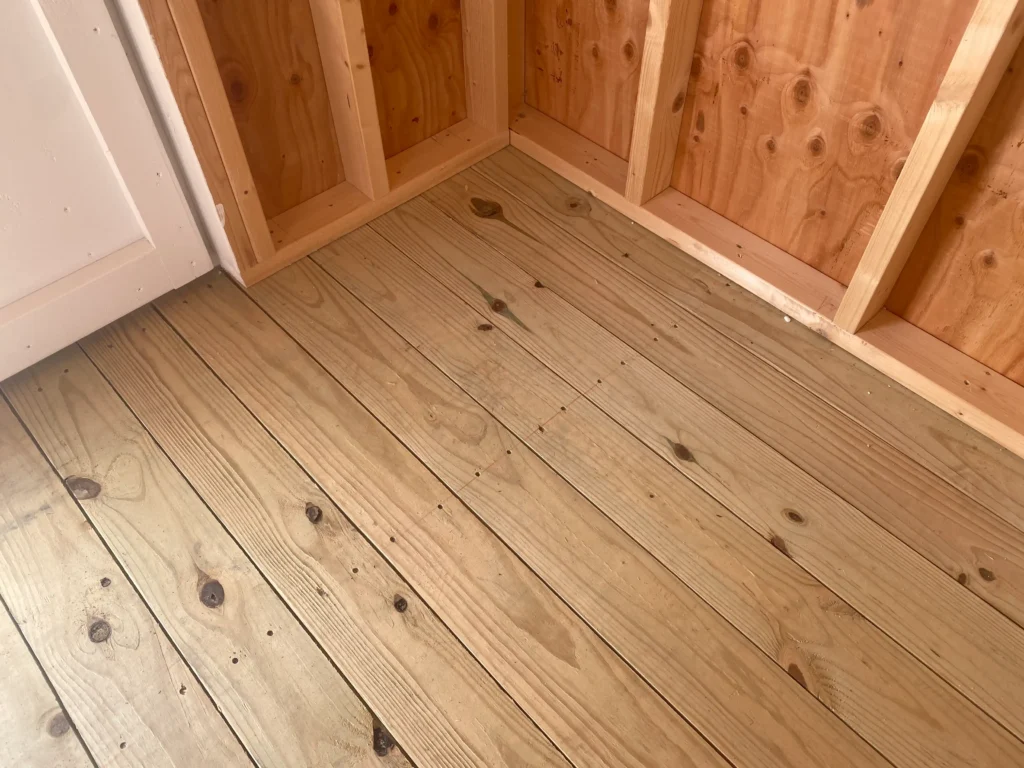
Outdoor storage buildings face greater exposure to rodents than indoor storage areas because they sit closer to natural nesting environments. Sheds, detached garages, and outdoor storage units often attract mice during colder months when temperatures drop and food becomes harder to find. Small gaps beneath doors, poorly sealed corners, and unprotected vents create easy access points. Even well-organized storage spaces can become vulnerable if the structure itself is not properly sealed. Regular inspections help identify weak areas before mice establish nests inside walls or hidden corners. Many homeowners also overlook the importance of door seals and flooring gaps, which rodents commonly exploit. Installing weather stripping, reinforcing lower wall sections, and keeping vegetation trimmed around the structure all help reduce rodent activity. Choosing a well-built storage shed with durable materials and tighter construction can also improve long-term protection. When outdoor storage buildings stay dry, clean, and properly sealed, they become far less appealing to mice searching for shelter and nesting areas.
Storing Seasonal and Outdoor Gear Safely
Items like patio cushions, holiday décor, and camping equipment are especially susceptible to mouse damage. For these:
- Vacuum-seal fabrics or clothing.
- Use hard-shell bins with weather-tight seals.
- Add dryer sheets or cedar blocks inside bins for scent-based protection.
Companies like Hartville Outdoor Products offer outdoor storage solutions that include sealed sheds, poly storage boxes, and raised units designed to keep pests and moisture out. Choosing the right storage setup helps minimize exposure and risk.

Conclusion
Finding mice inside storage boxes can quickly turn a clean storage area into a frustrating and expensive problem. Many homeowners discover damage only after opening boxes filled with shredded paper, droppings, or chewed fabric. Mice search for warm, quiet spaces where they can safely nest and access food or soft materials. Garages, sheds, attics, basements, and outdoor storage buildings often provide ideal conditions for infestations, especially when boxes remain untouched for long periods. Once mice settle into a storage area, they can damage valuables, contaminate surfaces, and even chew nearby wiring or insulation. Learning how to keep mice out of storage boxes helps protect your belongings and prevent long-term rodent problems. Homeowners looking for secure outdoor storage solutions can also explore Hartville Outdoor Products, which offers durable sheds and storage buildings designed to help protect items from pests, moisture, and changing weather conditions.