
How To Insulate a Shed Floor
Estimated reading time: 6 minutes
A shed with an uninsulated floor can quickly become cold, damp, and uncomfortable, especially during winter or wet weather. Whether you use your shed for storage, hobbies, or as a workshop, proper floor insulation helps improve comfort while protecting the building and its contents from moisture and temperature changes. Understanding how to insulate a shed floor also helps homeowners appreciate the construction methods that contribute to a durable, energy-efficient outdoor building. While insulation can be added to some existing sheds, professionally built sheds often include flooring systems designed to support long-term performance with minimal maintenance.
Insulating a shed floor helps reduce heat loss, control moisture, and create a more comfortable space throughout the year when installed correctly.
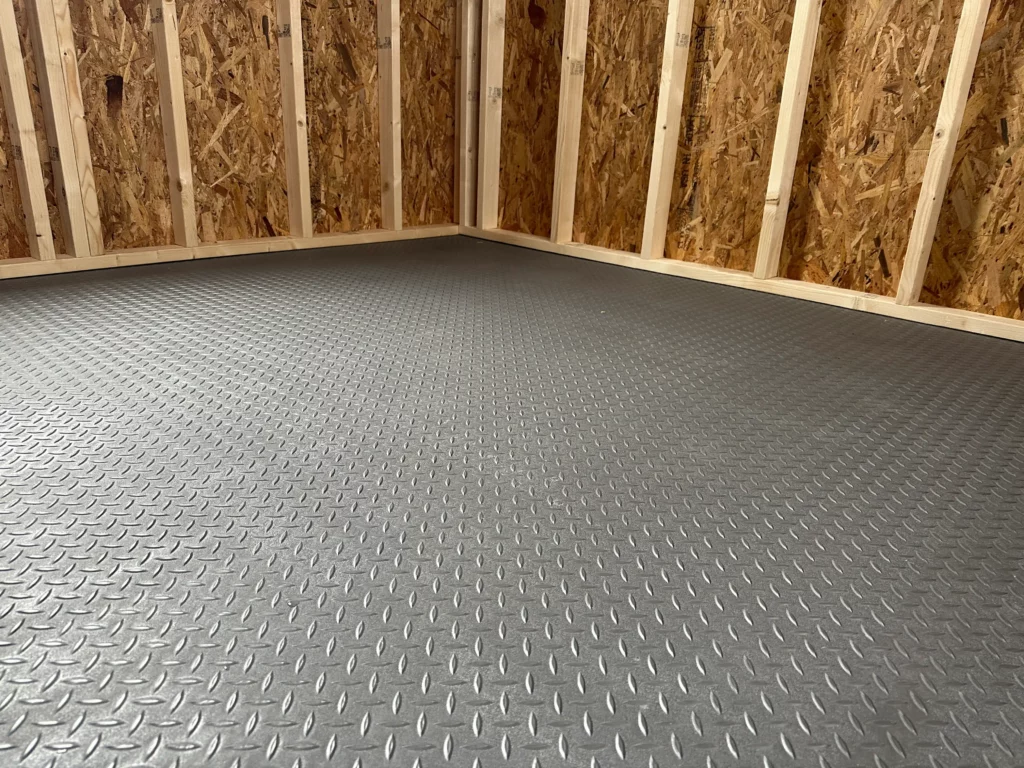
Reasons to Insulate Your Shed Floor;
- Retain Heat: Insulating the floor effectively holds in warmth for months when using space heaters more efficiently.
- Control Moisture: Proper insulation keeps moisture at bay, reducing the risk of tool other potential damages caused by trapped moisture.
- Air Quality: An insulated floor promotes air circulation and comfort within the shed, creating a more enjoyable workspace.
Comparison Of Common Shed Floor Insulation Materials
| Material | Main Benefit | Moisture Resistance | Best Application |
|---|---|---|---|
| Rigid Foam Board | High insulating value | Excellent | Permanent shed floors |
| Foam Board | Lightweight and easy to fit | Very Good | General floor insulation |
| Fiberglass | Affordable insulation | Moderate | Dry enclosed floor cavities |
| Mineral Wool | Fire and moisture resistance | Very Good | Premium floor systems |
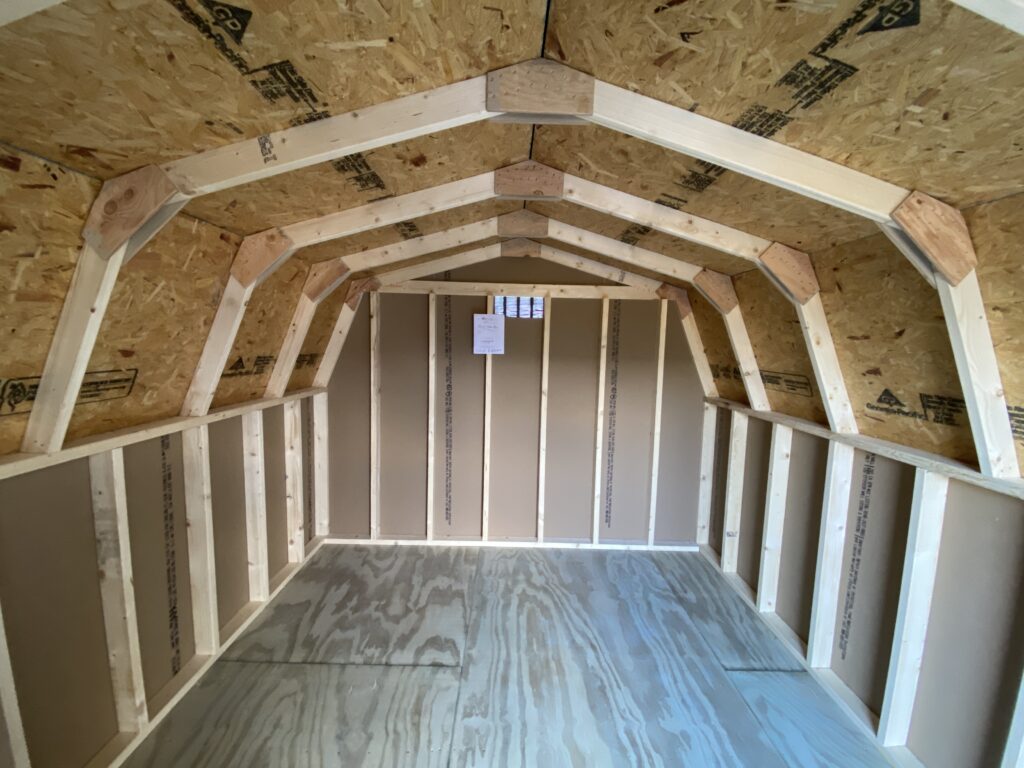
Common Materials Used For Shed Floor Insulation
Several insulation materials can improve the thermal performance of a shed floor. Rigid foam insulation boards are popular because they provide excellent moisture resistance and high insulating value. Foam board insulation also works well beneath flooring systems, while vapor barriers help reduce ground moisture. In colder climates, fiberglass insulation may be added where appropriate, provided it remains dry and properly protected.
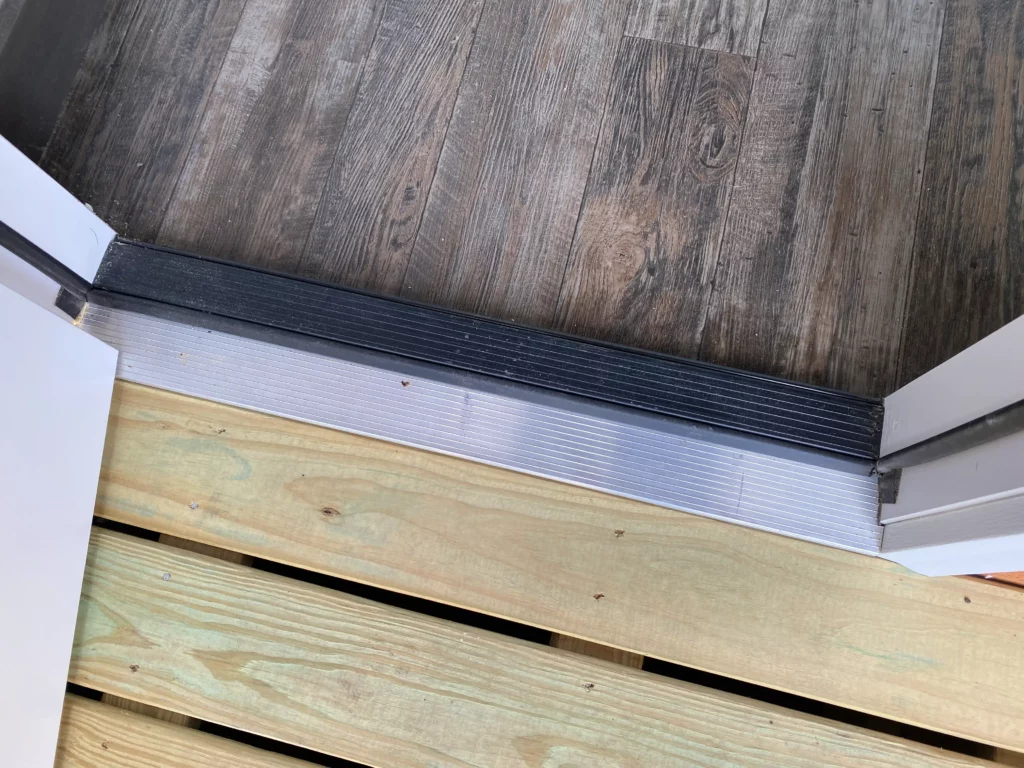
Steps to properly insulate and protect your floor
- Check the condition of the floor to ensure it is clean, dry and free of debris. If needed make it by adding plywood or a new layer.
- Lay down a vapor barrier, across the floor to prevent moisture from seeping. Use a gun to secure it
- Cut foam insulation boards to fit snugly between the floor joists to reduce heat loss and block moisture.
- For added insulation, in areas consider adding a layer of foam board on top of the foam.
To enhance the the insulation and reduce heat loss and boosts the sheds insulation follow these steps;
- Seal Gaps and Seams: Once you’ve installed the insulation use a caulking gun to seal any openings or crevices, between the insulation boards and along the edges of the floor. Proper air sealing is essential for maintaining a temperature and preventing moisture infiltration into the area.
- Lay Down Plywood Subfloor: Cover the insulation with plywood to create a subfloor. Securing plywood onto the joists will provide a base for the flooring. Opt for moisture plywood to safeguard the insulation and uphold the sheds integrity.
- Finalize Flooring: Consider installing vinyl flooring or another finishing material over the plywood subfloor. Not does this enhance the sheds appearance. It also adds an additional barrier against moisture and heat loss. Don’t forget to add weather stripping around the door for insulation.
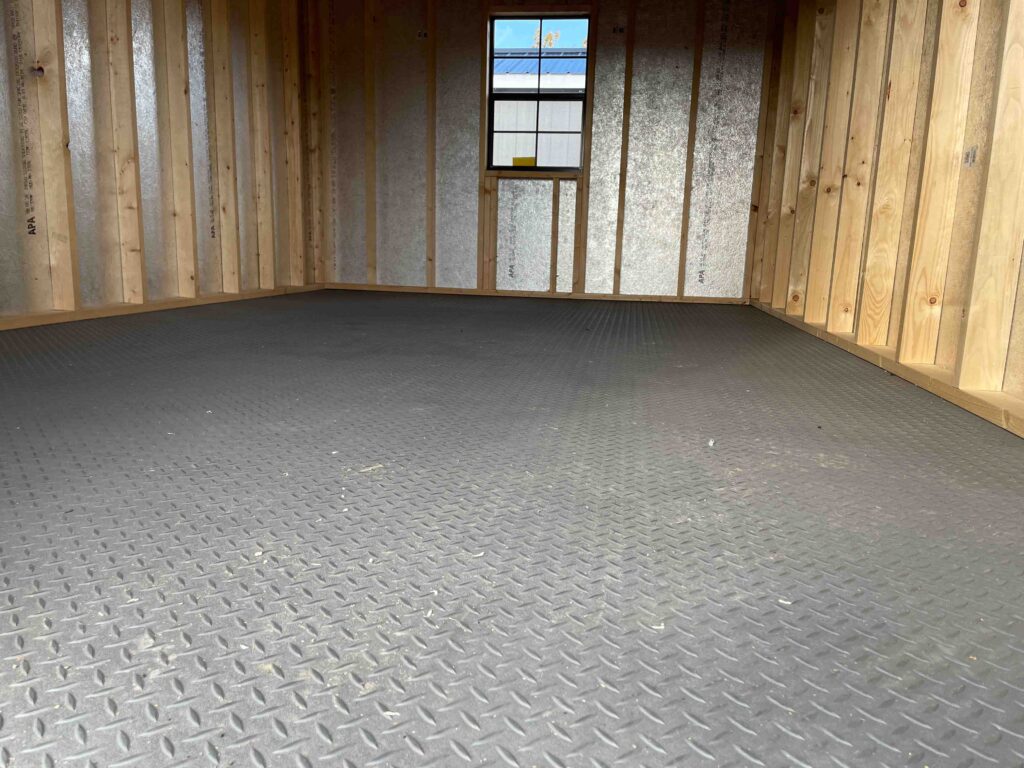
Tips for Shed Insulation
- Prioritize Ventilation: Ensure ventilation within your shed to prevent moisture accumulation and promote optimal air circulation.
- Insulate Walls and Roof; While insulating your shed floor is crucial insulating its walls and roof will further improve comfort levels and energy efficiency in your space.
- Using a Space Heater Effectively: During the winter months, utilizing a space heater can be beneficial in keeping your space warm. However, for effectiveness, it is essential to ensure that the shed floor and other areas are adequately insulated.
The Advantages of Insulating a Shed Floor
When contemplating the insulation of a floor it is crucial to recognize the array of advantages that accompany this practice. Insulating the floor of a shed can greatly improve its comfort and utility transforming it into an area. By insulating the floor you establish a barrier against drafts and moisture infiltration preventing issues such as tool corrosion and wood warping. This additional layer of protection proves valuable in regions with weather patterns where temperature variations are significant. Shed floor insulation aid in maintaining an indoor climate and plays an integral role in safeguarding your possessions and prolonging the life expectancy of your shed.
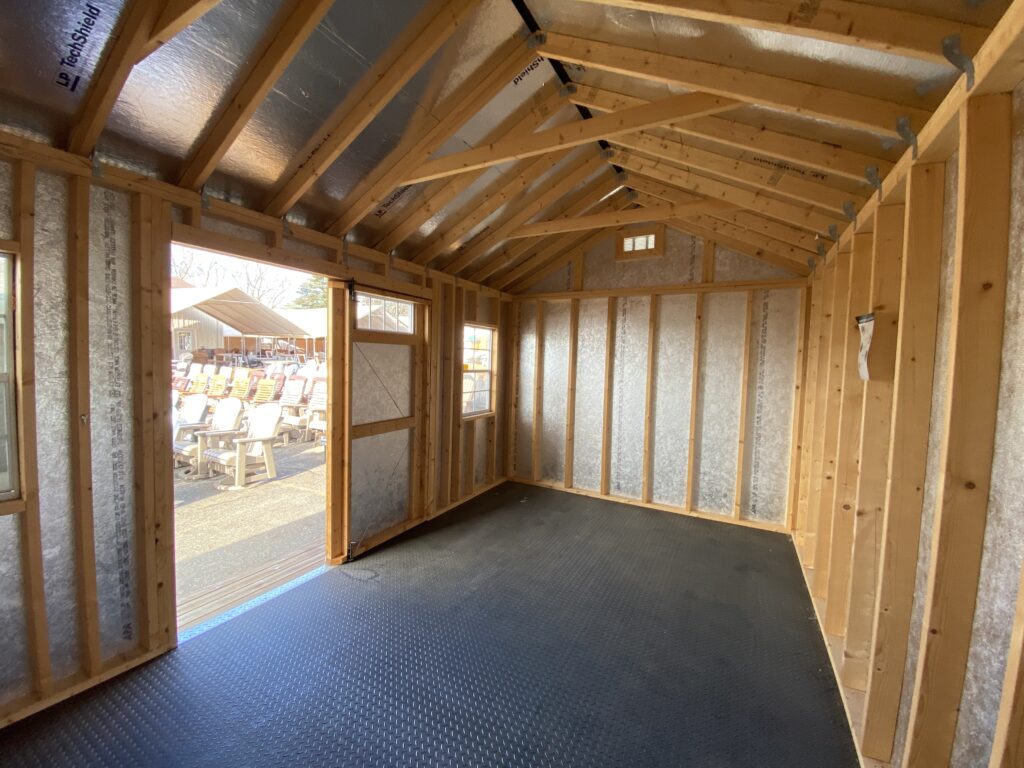
Selecting Appropriate Materials for Shed Floor Insulation
Choosing materials is key when embarking on shed floor insulation projects. Rigid foam insulation stands out as an option owing to its R-value and resistance to moisture, making it an excellent choice for insulating shed floors.
Moreover, using foam board insulation presents a budget-simple, easy-to-set-up choice that fits nicely between the floor joists, delivering thermal insulation. Whether you’re adding insulation to a floor for the first time or upgrading an existing one, these materials ensure that your shed floor stays well insulated and long-lasting. When installed correctly, an insulated shed floor can significantly reduce heat loss. Enhance the energy efficiency of the shed.
Conclusion
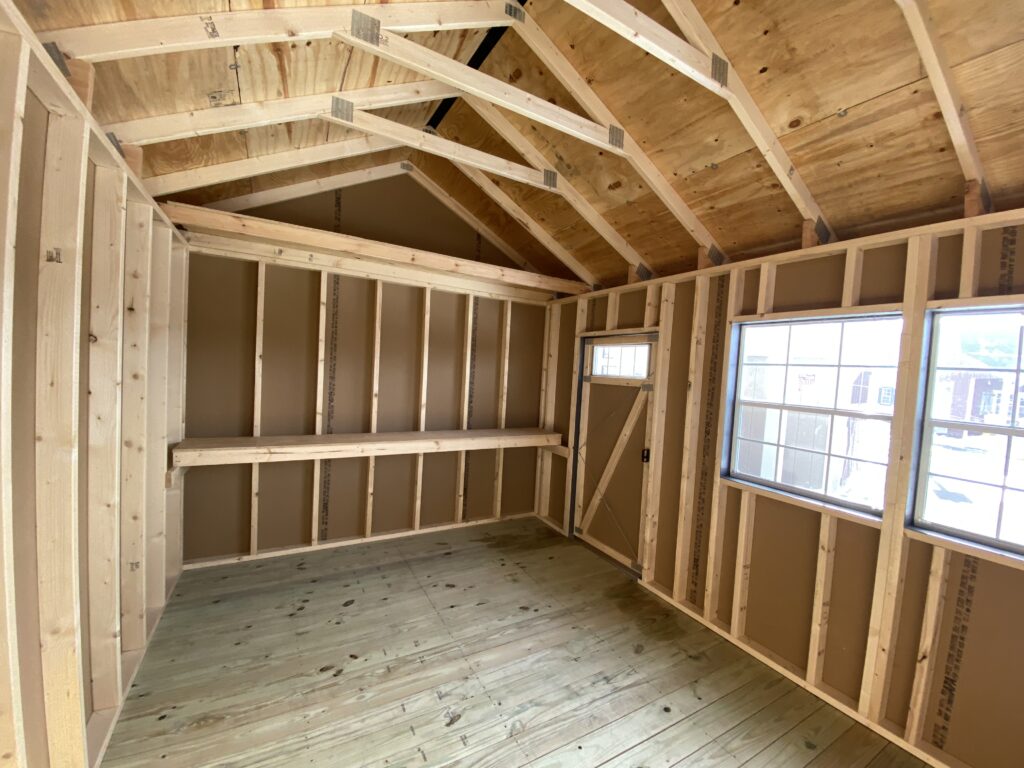
Learning how to insulate a shed floor helps homeowners understand why quality flooring systems play such an important role in comfort, durability, and moisture protection. While insulation can improve existing buildings, choosing a professionally built shed with a well-designed floor often provides better long-term performance and fewer maintenance concerns. Whether your shed is used for storage, hobbies, or as a workshop, proper floor construction contributes to a more comfortable space throughout the year. If you’re looking for durable outdoor buildings built with quality materials, explore the selection available at Hartville Outdoor Products.