
How To Disable Garage Door Sensors
Homeowners sometimes search for how to disable garage door sensors after their garage door suddenly refuses to close. While it may seem like the quickest solution, permanently disabling the sensors is neither recommended nor safe. These sensors are designed to prevent the garage door from closing on a person, pet, vehicle, or other object in its path. In most situations, a sensor problem can be solved by cleaning, realigning, or repairing the system rather than bypassing it. Understanding why the sensors stop working is a much better long-term solution than attempting to disable an important safety feature.
Garage door safety sensors became a standard feature because they have prevented countless injuries and accidents. When they stop working correctly, the garage door opener assumes there is an obstruction and refuses to close. This behavior often frustrates homeowners, but it also shows the safety system is doing exactly what it was designed to do. Learning how the sensors work makes troubleshooting much easier and often eliminates the need for expensive repairs.
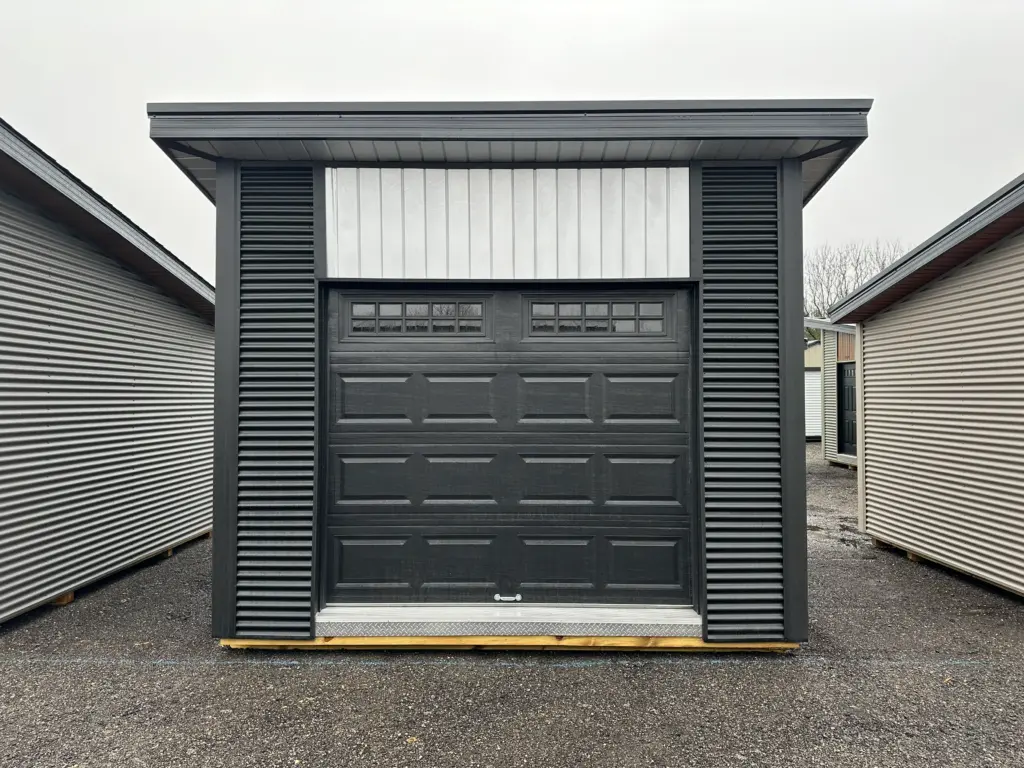
The Purpose Of Sensors
Before considering how to disable garage door sensors, it helps to understand why they exist. Every modern garage door opener uses two photoelectric sensors mounted near the bottom of the door tracks. One sensor sends an invisible infrared beam while the other receives it. When that beam remains uninterrupted, the opener allows the garage door to close normally. If the beam is interrupted or the sensors lose alignment, the opener immediately stops or reverses the closing cycle. This system protects children, pets, vehicles, bicycles, and personal belongings from being struck by a closing garage door. Removing or permanently bypassing this protection increases the risk of property damage and serious injury. For that reason, manufacturers design their openers to rely on these sensors during normal operation.
Why Garage Door Sensors Stop Working
Most sensor problems are surprisingly simple. Dirt on the lenses, loose mounting brackets, damaged wiring, or accidental bumps from lawn equipment can interrupt communication between the two sensors. These issues often appear suddenly, making homeowners believe the opener itself has failed when only a minor adjustment is needed. Indicator lights on the sensors usually provide the first clue. A steady light generally indicates proper alignment, while a blinking or dark indicator suggests the sensors cannot communicate. Checking these lights before attempting any repairs helps narrow down the source of the problem much more quickly.
Realigning The Sensors Is Usually The Better Solution
In many cases, homeowners searching for how to disable garage door sensors actually need to realign them. Slight movement in the mounting brackets can interrupt the infrared beam even though both sensors appear to be facing each other. Carefully loosening the mounting hardware, adjusting one sensor slightly, and watching the indicator light often restores normal operation within a few minutes. Cleaning the sensor lenses at the same time improves the chances of success. Dust, cobwebs, pollen, and road debris accumulate near the garage floor and sometimes interfere with the infrared beam. A clean microfiber cloth is usually all that is needed to restore clear communication.
Inspecting The Wiring Before Replacing Parts
Sensor wiring runs close to the floor where it can be exposed to moisture, accidental impacts, rodents, or normal wear over time. Damaged wiring often creates symptoms that look exactly like poor sensor alignment. Before purchasing replacement sensors or opener components, inspect the wiring carefully from each sensor back to the opener. Look for loose wire connections, cracked insulation, corrosion, or cables that have been pinched by staples or fasteners. Correcting these problems often restores the system immediately without requiring any replacement parts. Spending a few extra minutes inspecting the wiring can save unnecessary expense.
Temporary Manual Closing Should Only Be Used When Necessary
Some garage door openers allow homeowners to close the door temporarily by holding the wall-mounted control button until the door reaches the floor. This feature is intended for emergencies when the safety sensors cannot communicate properly. It is not designed to replace normal operation or permanently bypass the safety system. If this temporary override becomes necessary, the underlying sensor issue should still be diagnosed and repaired as soon as possible. Continuing to rely on manual overrides removes an important layer of protection that modern garage door systems are designed to provide.
Keeping The Garage Organized Helps Protect The Sensors
Many garage door sensor problems begin with accidental contact. Lawn mowers, bicycles, snow blowers, storage bins, and gardening tools frequently strike the lower sensor brackets while being moved around the garage. Keeping these items organized reduces the likelihood of bumping the sensors out of alignment. Creating dedicated storage outside the garage often makes routine maintenance much easier. Large outdoor equipment no longer competes for valuable floor space, reducing clutter around the garage door opening and helping the safety sensors remain protected throughout the year.
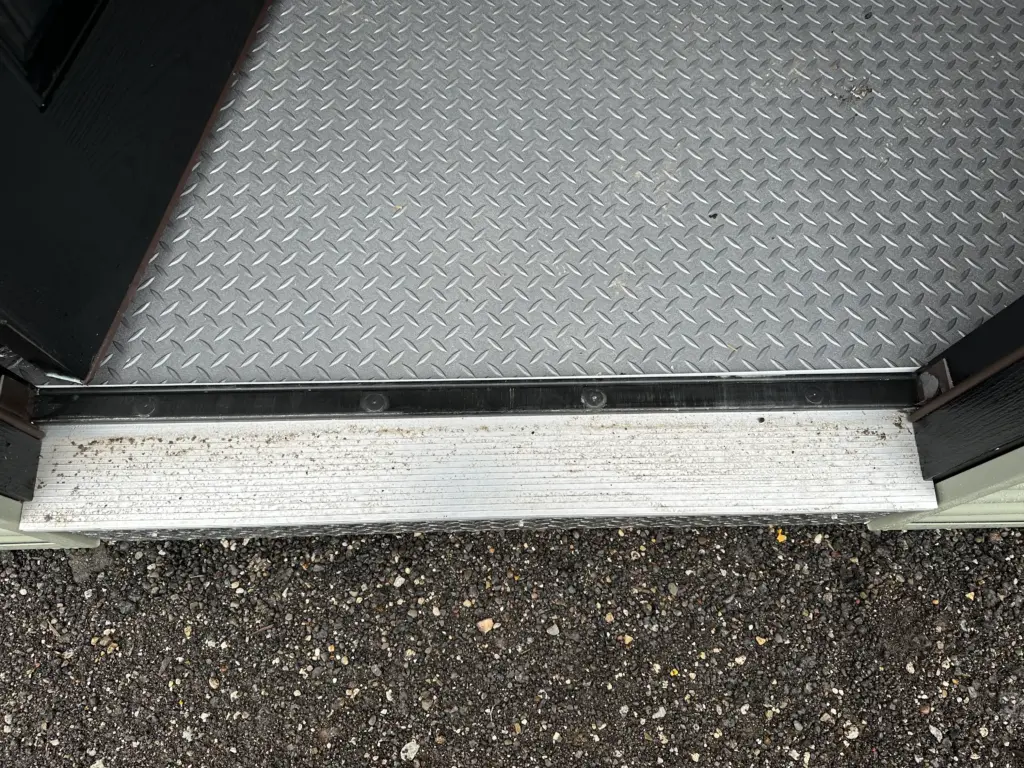
Additional Storage Can Reduce Garage Congestion
One of the simplest ways to protect garage door components is by reducing overcrowding inside the garage. Equipment that is rarely used does not always need to occupy valuable indoor space. Moving larger tools and seasonal items into a dedicated storage building creates a safer and more functional garage environment while protecting sensitive garage door hardware. Storage solutions such as the Garage Buildings available from Hartville Outdoor Products provide additional space for equipment that would otherwise be stored close to the garage door tracks and safety sensors.
Knowing When Sensor Replacement Is The Better Option
Although many homeowners begin searching for how to disable garage door sensors, replacement is often the correct solution when the sensors have suffered physical damage. Cracked housings, broken lenses, water intrusion, or damaged internal electronics cannot usually be repaired. Continuing to bypass or ignore faulty sensors only creates additional safety concerns while leaving the garage door system unreliable. When replacement becomes necessary, choose sensors that are designed for your specific garage door opener. Matching components communicate correctly with the opener and maintain the safety features originally built into the system. After installation, the sensors should be carefully aligned and tested before returning the garage door to everyday use.
Common Mistakes Homeowners Make
One of the biggest mistakes is assuming the sensors themselves have failed without performing basic inspections first. Dust on the lenses, loose brackets, disconnected wiring, or objects blocking the beam are responsible for many service calls every year. Replacing parts before checking these simple issues often wastes both time and money. Another common mistake is forcing the garage door closed repeatedly while ignoring the warning signs. The opener is designed to stop for a reason. Repeatedly overriding the safety system without repairing the actual problem increases the risk of damaging the opener, the door, or anything beneath it.
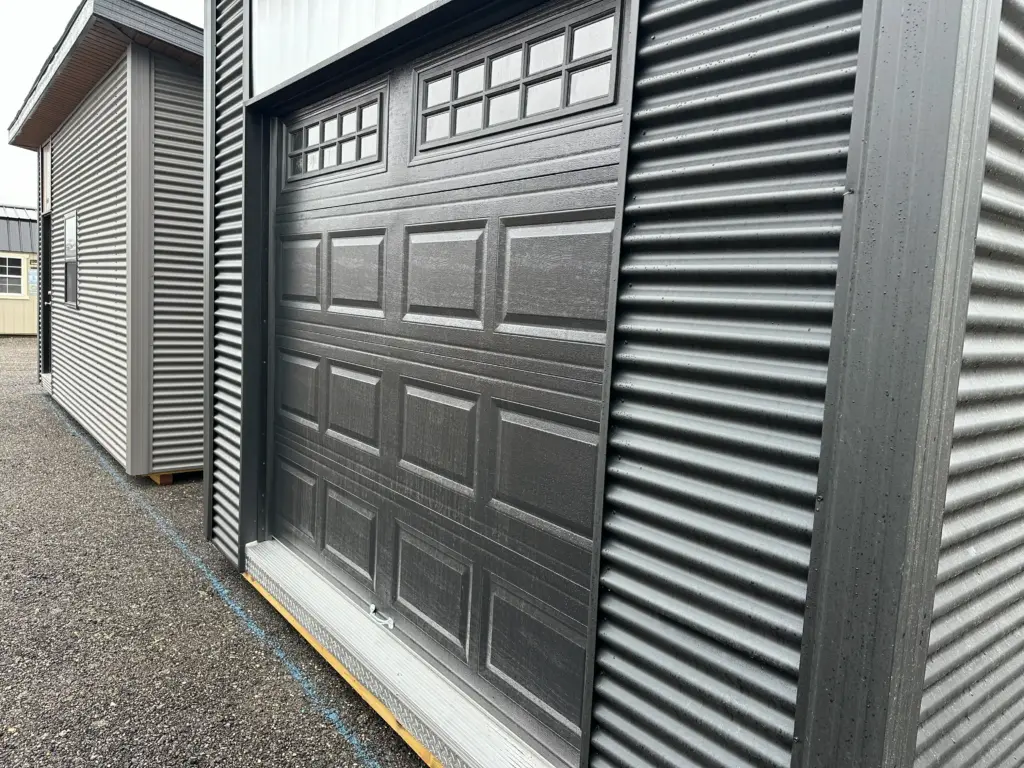
Weather And Garage Conditions Can Affect Sensor Performance
Garage door sensors operate in an environment that changes throughout the year. Dust from summer lawn work, moisture during rainy seasons, road salt during winter, and temperature fluctuations all influence how well the sensors perform. While the components are designed for everyday garage conditions, routine inspection helps identify problems before they interrupt normal operation. Extreme temperature changes may also loosen mounting hardware over time. Even slight movement can interrupt the infrared beam and prevent the garage door from closing. Checking sensor alignment during seasonal maintenance helps keep the system working consistently throughout the year.
Routine Maintenance Prevents Most Sensor Problems
Regular maintenance is far easier than emergency repairs. Wiping the sensor lenses with a soft microfiber cloth, confirming the indicator lights remain steady, and checking that the mounting brackets stay secure takes only a few minutes. These simple habits greatly reduce unexpected failures while extending the life of the entire garage door system. Maintenance should also include watching how the garage door operates. Smooth, quiet movement usually indicates the system is functioning properly. If the door begins reversing unexpectedly or hesitates while closing, inspect the sensors before assuming a more serious mechanical problem exists.
Keeping The Garage Safer Through Better Organization
Many garages become crowded with lawn equipment, bicycles, sports gear, ladders, and seasonal decorations. As available floor space disappears, the chances of accidentally striking the garage door sensors increase. Creating a cleaner layout helps protect the sensors while making the entire garage safer and easier to use. Organized storage also improves access to vehicles and work areas. Homeowners who remove unnecessary clutter often discover they spend less time moving equipment around and more time actually using the garage for its intended purpose.
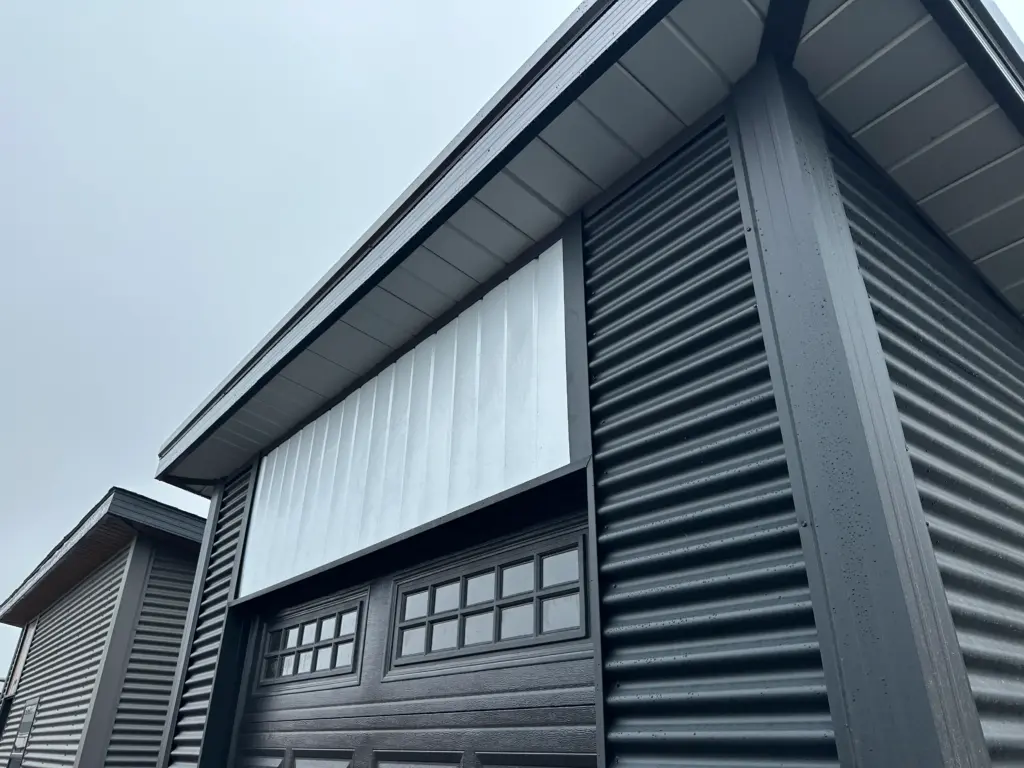
Extra Storage Helps Protect Your Garage Door System
Moving bulky equipment into a dedicated outdoor storage building reduces traffic around the garage door tracks and safety sensors. Lawn tractors, snow blowers, gardening supplies, and seasonal items no longer compete for space near sensitive garage door components. This simple change lowers the likelihood of accidental damage while making the garage feel larger and more functional. Adding outdoor storage is also an excellent way to preserve the condition of both the garage and its safety equipment. A less crowded garage is easier to clean, easier to maintain, and far less likely to experience repeated sensor alignment problems.
Learn The Correct Repair Instead Of Looking For A Shortcut
Searching for how to disable garage door sensors usually begins with frustration, but the better solution is almost always proper diagnosis and repair. Garage door safety systems are designed to prevent accidents, and restoring them to full working order protects both people and property. Most problems involve simple cleaning, alignment, or wiring repairs rather than expensive replacement. Homeowners who understand how the safety system operates can solve many common issues themselves while recognizing when professional assistance is appropriate. This balanced approach keeps the garage door dependable without sacrificing the protection built into modern openers.
Learn More About Garage Door Safety
Routine inspections and proper maintenance help keep every garage door system operating safely. Homeowners can also find helpful information about garage door maintenance, inspections, and safety practices through the Family Handyman garage door maintenance guide, which explains simple ways to keep garage doors working reliably.
Conclusion
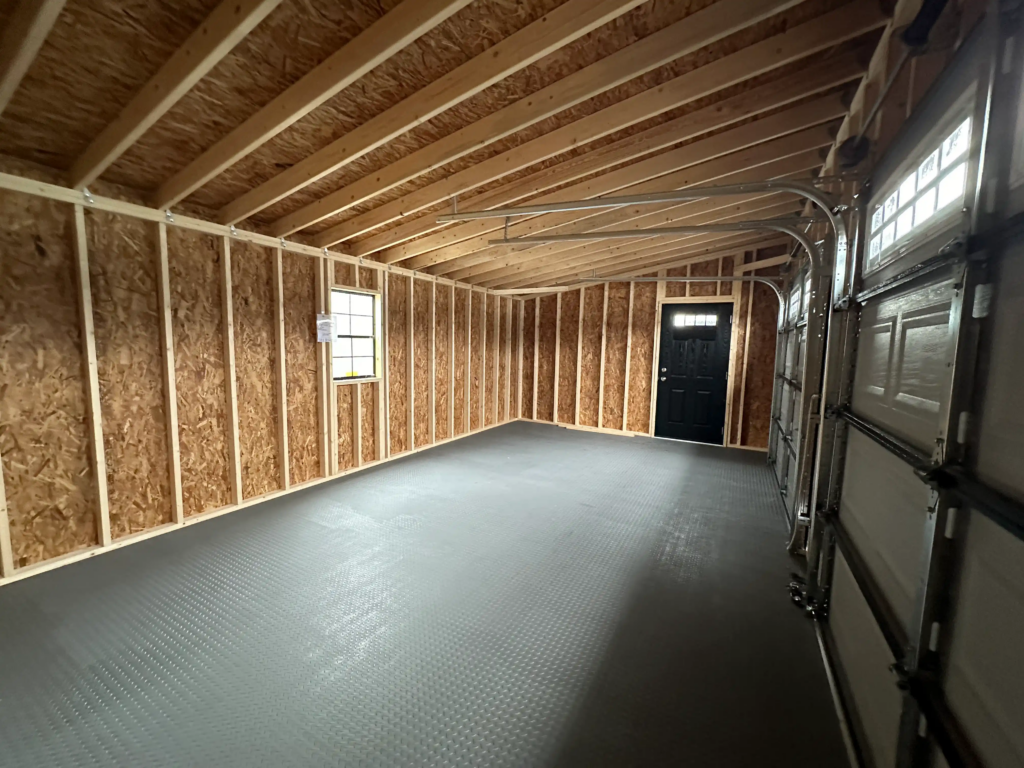
Although many homeowners search for how to disable garage door sensors, repairing the underlying problem is almost always the safer and smarter solution. Properly functioning sensors protect your family, vehicles, and belongings every time the garage door operates. Regular cleaning, careful alignment, and routine inspections keep the safety system dependable for years to come. If you’re looking to free valuable garage space and reduce the risk of damaging garage door components, explore the in-stock storage buildings available from Hartville Outdoor Products and create a cleaner, more organized garage environment.