
How To Clean A Chicken Coop
How to clean a chicken coop is one of the most important responsibilities for maintaining a healthy flock and a safe environment. Chickens produce waste daily, and without regular cleaning, droppings, moisture, and leftover feed can create conditions that attract pests and harmful bacteria. A clean coop supports better egg production, reduces odor, and prevents disease from spreading among birds. Cleaning does not have to be complicated, but it must be consistent and thorough. Understanding how to clean a chicken coop properly helps poultry owners protect both their birds and their property. Establishing a routine ensures that the coop remains a dry, well-ventilated, and sanitary space throughout the year.

Why Regular Coop Cleaning Matters
Keeping a chicken coop clean directly impacts flock health and productivity. Accumulated droppings release ammonia, which can irritate chickens’ respiratory systems and weaken their immune response. Dirty bedding also creates a breeding ground for mites, lice, and bacteria. When learning how to clean a chicken coop, it is important to understand that cleanliness prevents problems rather than reacting to them. A well-maintained coop reduces stress among birds and creates a more stable environment. Clean conditions also make it easier to spot early signs of illness, allowing for faster intervention when needed.
Preparing The Coop For Cleaning
Before starting the cleaning process, chickens should be safely removed from the coop or allowed access to a secure outdoor run. Feeders, waterers, and removable accessories should be taken out to allow full access to interior surfaces. Wearing gloves and a mask helps protect against dust and bacteria during cleaning. Preparation ensures that the process remains efficient and thorough. When considering how to clean a chicken coop, proper setup prevents contamination and allows every area of the coop to be addressed effectively.
Removing Bedding And Waste
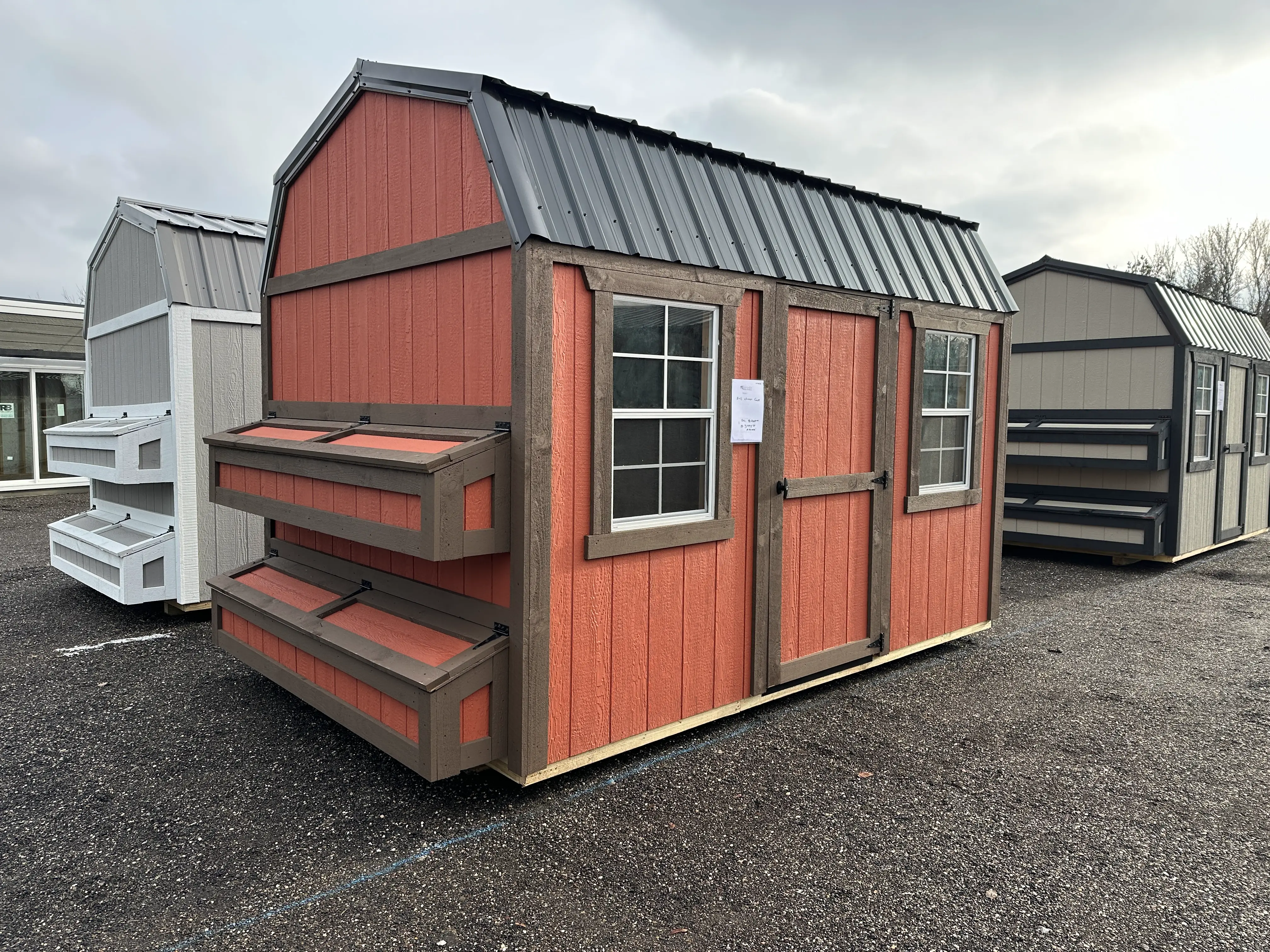
The first major step in cleaning is removing all old bedding and waste material. Bedding such as straw, pine shavings, or sand should be cleared out completely to expose the coop floor. This step eliminates moisture buildup and reduces odor. Using a shovel or rake makes removal easier, especially in larger coops. Disposing of waste properly prevents attracting pests. When learning how to clean a chicken coop, removing all organic material creates a clean foundation for the rest of the process and prevents bacteria from lingering.
Scraping And Surface Cleaning
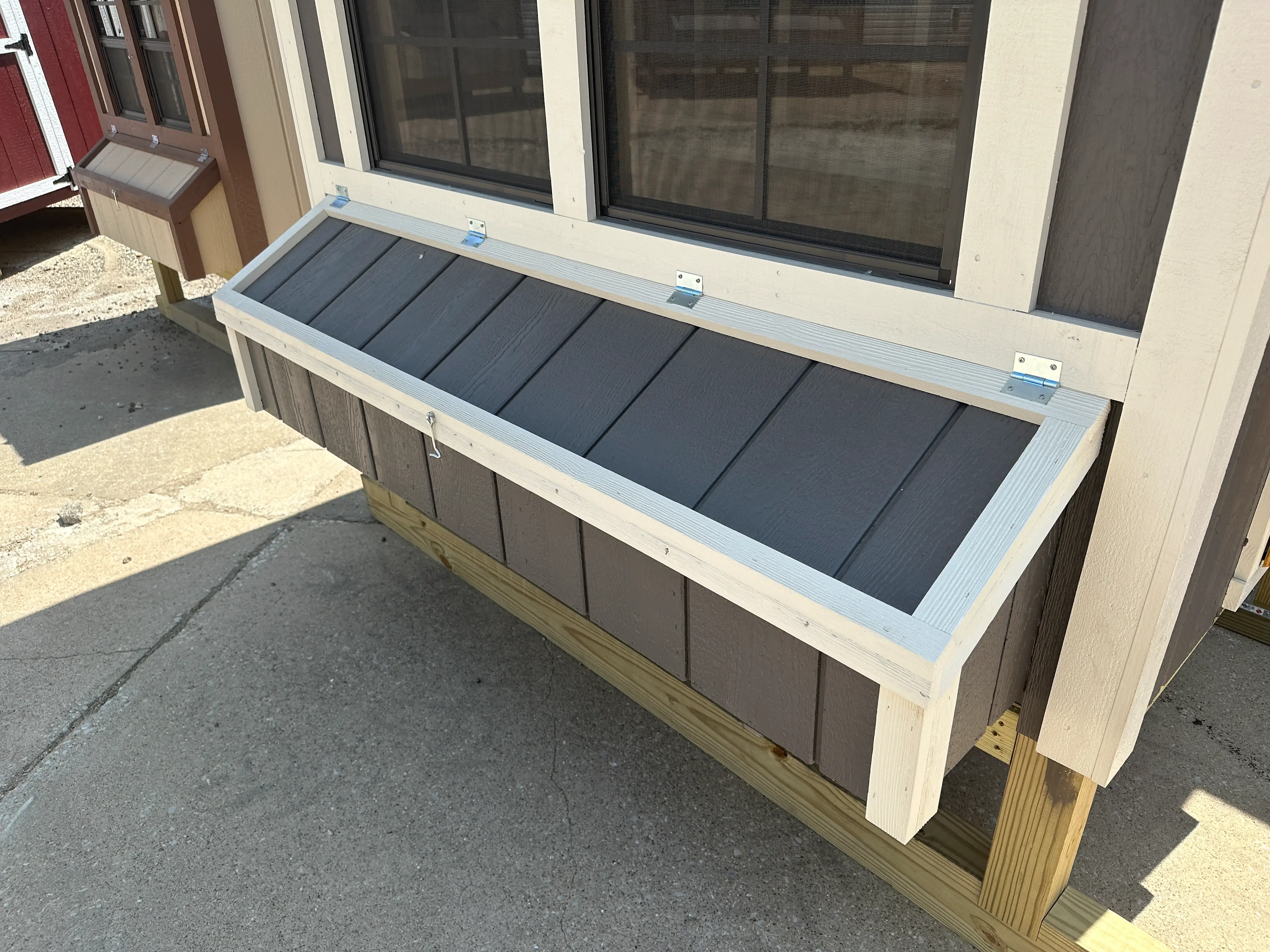
After bedding removal, surfaces should be scraped to remove any remaining buildup. Roosting bars, nesting boxes, and floor areas often collect dried droppings that need to be loosened before washing. A scraper or stiff brush works well for this step. Cleaning surfaces thoroughly helps eliminate bacteria and parasites that may remain hidden. Understanding how to clean a chicken coop involves addressing both visible waste and residue that can harbor contaminants. Proper scraping ensures that the coop is ready for deeper cleaning.

Washing And Disinfecting The Coop
Once surfaces are cleared, washing with water and a mild cleaning solution helps remove remaining dirt. Disinfectants designed for agricultural use provide additional protection against bacteria and viruses. Vinegar solutions may also be used for lighter cleaning tasks. When disinfecting, it is important to allow surfaces to dry completely before reintroducing chickens. According to guidance from the Centers for Disease Control and Prevention, maintaining clean poultry environments reduces the spread of harmful pathogens. Proper washing ensures that the coop remains a safe environment for both birds and handlers.
Drying And Ventilation After Cleaning
Drying the coop thoroughly is essential before adding fresh bedding. Moisture left behind can quickly lead to mold growth and odor issues. Opening vents and allowing airflow helps speed up drying time. Sunlight also acts as a natural disinfectant, reducing bacteria on surfaces. When learning how to clean a chicken coop, drying is just as important as washing. A dry coop maintains better air quality and prevents moisture-related problems from returning quickly.

Adding Fresh Bedding And Setup
Once the coop is dry, fresh bedding should be added evenly across the floor. Bedding absorbs moisture and provides comfort for chickens. Nesting boxes should also be refilled with clean material to encourage egg laying. Feeders and waterers can then be returned and cleaned before use. Proper setup ensures that the coop remains organized and functional. Fresh bedding improves cleanliness and supports daily flock activity.
Insulation And Environmental Control
Maintaining a stable environment inside the coop helps reduce cleaning frequency and moisture buildup. Proper insulation keeps internal conditions more consistent and prevents condensation issues. Many poultry owners reference guides like does chicken coop need insulation to understand how insulation affects airflow and moisture control. A balanced environment supports cleaner conditions and reduces the likelihood of mold and odor problems developing inside the coop.
Storing Cleaning Supplies Properly
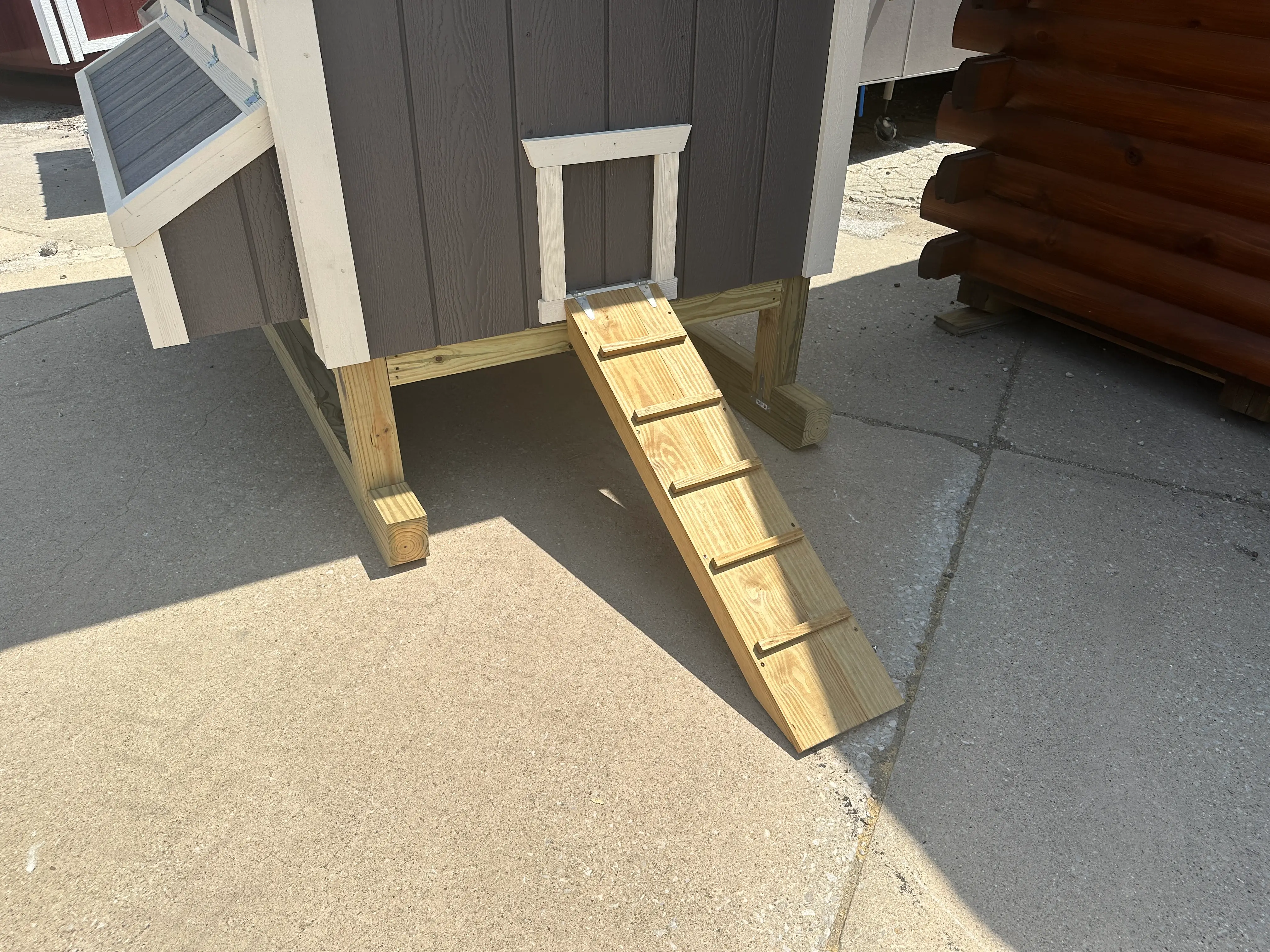
Keeping cleaning tools organized makes routine maintenance easier. Brushes, disinfectants, and spare bedding should be stored in a dry location to prevent contamination. A structure such as a 12×20 shed with a loft provides secure storage space for poultry supplies. Organized storage ensures that materials remain clean and ready for use. Proper storage reduces clutter around the coop and supports efficient cleaning routines.
Managing Equipment And Feed Storage
In addition to cleaning tools, poultry owners often store feed, fencing, and seasonal equipment. A larger structure such as a 14×32 shed allows for better organization and protection of supplies. Keeping feed dry prevents spoilage and reduces pest attraction. Organized storage improves workflow and ensures that maintenance tasks can be completed efficiently.
Creating A Cleaning Schedule
Establishing a routine simplifies coop maintenance. Light cleaning tasks such as removing droppings can be done weekly, while deeper cleaning may be performed monthly or seasonally depending on flock size. Consistency prevents buildup and reduces the effort required during major cleanings. A schedule ensures that the coop remains sanitary without becoming overwhelming. When learning how to clean a chicken coop, routine maintenance proves more effective than occasional deep cleaning alone.
Conclusion
How to clean a chicken coop involves consistent maintenance, proper waste removal, effective disinfecting, and moisture control. A clean coop supports flock health, improves egg production, and reduces odor and pest issues. Establishing a routine and maintaining proper storage for supplies ensures long-term success. For poultry owners looking to organize equipment and maintain efficient cleaning routines, Hartville Outdoor Products offers durable outdoor storage solutions designed to support backyard farming and property organization.