
How To Build A Small Storage Shed
Learning how to build a small storage shed can give you practical space for garden tools, lawn equipment, bicycles, seasonal decorations, and other items that take up room in a garage. A compact shed also fits properties where space is limited. However, even a small structure needs careful planning. A weak foundation, poorly framed walls, or a leaking roof can shorten the life of the entire building.
Start by deciding what you want to store and how often you will access those items. Then choose a shed size that fits both the equipment and your available yard space. You also need to consider drainage, doors, ventilation, roofing, and local building requirements. A simple rectangular design usually makes construction easier for a first-time builder. Careful measurements and a level foundation will also make every later step easier.
Plan The Small Storage Shed Before Building
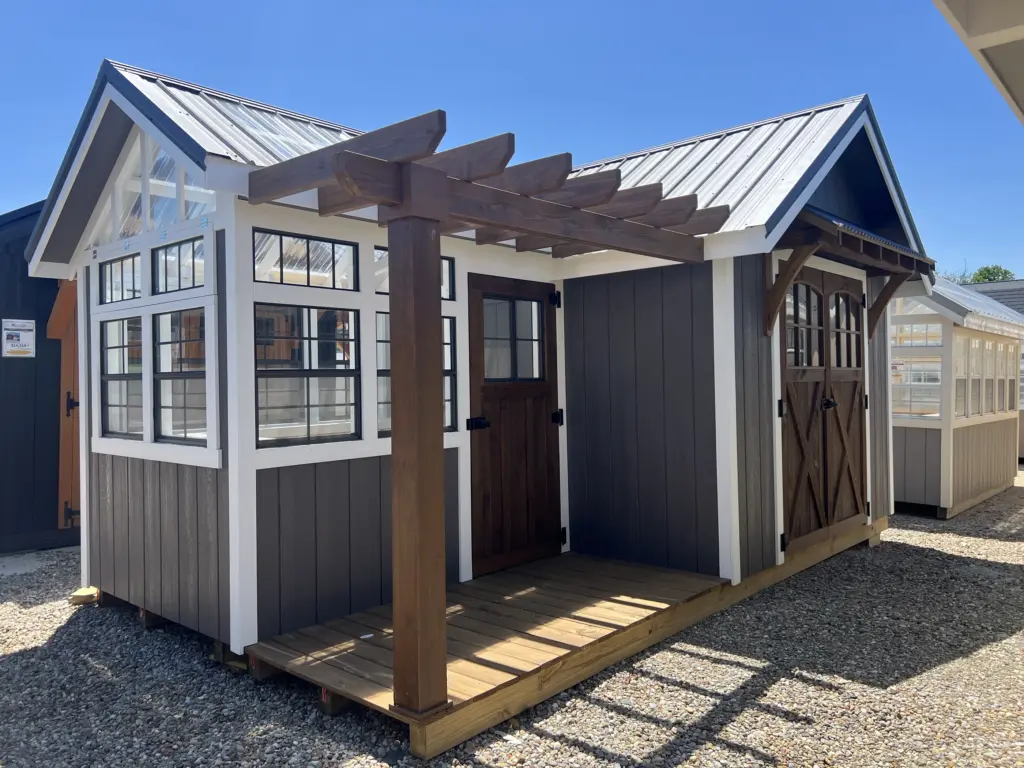
Begin with a simple drawing that shows the shed dimensions, door location, windows, roof style, and interior layout. Common small shed sizes include 6×8, 8×8, 8×10, and 10×10. The right size depends on what you plan to store. Garden tools require less room than a riding mower, workbench, or several bicycles. Measure larger equipment before choosing the final dimensions. Leave enough room to walk inside instead of filling every square foot with storage.
Think about the future too. Storage needs often increase over time. A shed that barely fits your current equipment may become crowded within a few years. Looking at finished shed layouts can help you understand how door placement and floor dimensions affect usable storage space. Once you settle on a size, create a material list before construction begins.
Choose And Prepare The Shed Location
Select a part of the yard that drains well after rain. Avoid low areas where water regularly collects because constant moisture can damage the shed floor and foundation. The site should also provide enough clearance for doors to open fully. Leave room around the outside for painting, repairs, mowing, and future maintenance. Keep the building away from locations where roof runoff from another structure will constantly hit the walls or foundation.
Remove grass, roots, loose topsoil, and other organic material from the building footprint. A compacted gravel pad can provide a stable and well-drained base for many small sheds. Extend the gravel beyond the building edges when possible. This helps reduce mud and water splash around the lower walls. Check the site with a long level before installing the foundation. You should also confirm local setback, permit, and accessory-building requirements before construction. Solving these issues early can prevent the need to move a completed shed later.
Build A Strong Shed Floor
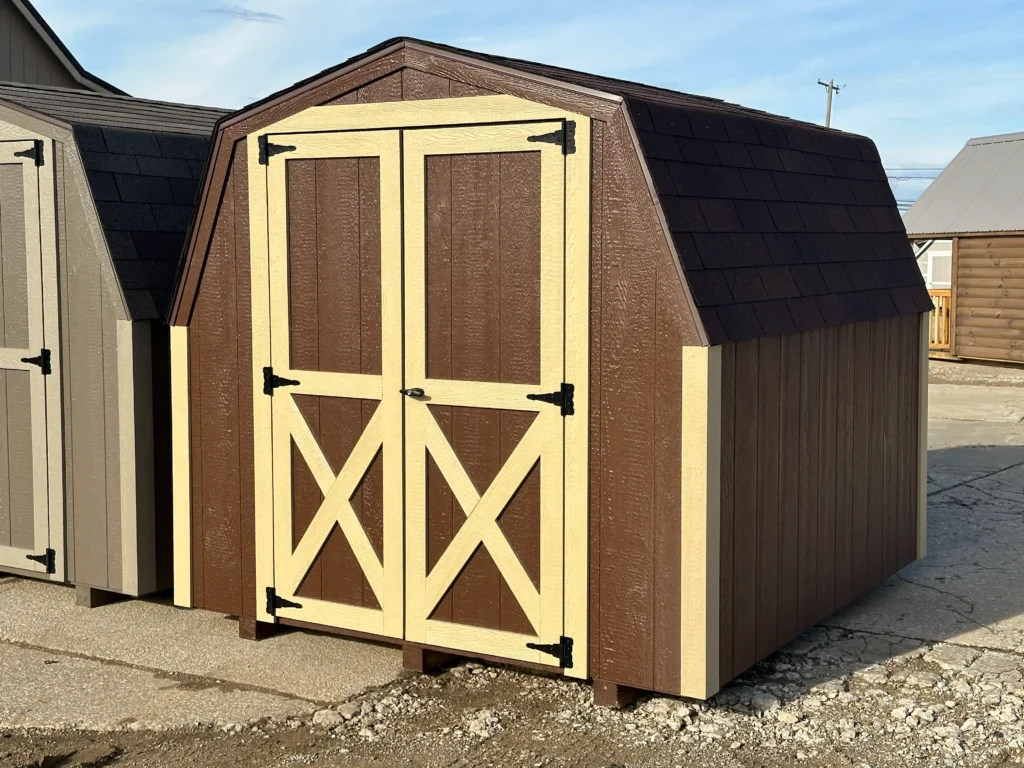
The floor supports everything above it, so build it carefully. Small sheds often use pressure-treated skids or another suitable foundation system beneath a wood floor frame. Position the supports on the prepared base and make sure they remain level. Then build a rectangular floor frame from appropriately sized lumber. Install interior floor joists at consistent spacing. Measure diagonally from opposite corners to confirm that the frame is square before fastening everything permanently.
Cover the floor frame with exterior-rated plywood or another suitable structural panel. Run panels across the joists and make sure every edge has support. Fasten the floor securely with exterior-rated screws or nails. If you plan to store a mower or other heavy equipment, consider additional blocking or stronger joists where needed. Keep untreated framing away from direct ground contact. A strong, level floor creates the platform for the walls and helps the finished shed doors operate properly.
Frame The Shed Walls And Door Opening
Build the wall frames on the completed floor when space allows. Start with the bottom and top plates, then install vertical studs at regular intervals. Frame the door opening at the same time. If the shed will have windows, include those openings before raising the walls. Small storage sheds benefit from wide doors because lawn equipment, wheelbarrows, and bicycles can be awkward to move through narrow openings.
Raise one wall at a time and secure it to the floor frame. Use temporary braces to hold the walls plumb until all four sides connect. Check corners with a level and confirm the wall tops remain aligned. Reinforce door openings with proper framing so they do not sag over time. Avoid cutting structural studs later to create openings that you forgot to plan. Accurate wall framing makes siding, roofing, and door installation much easier.
Frame And Cover The Shed Roof
A small shed can use a gable, lean-to, or other simple roof design. A gable roof provides a traditional appearance and creates some extra space near the center. A lean-to roof uses a single slope and can simplify framing. Whatever style you choose, build enough pitch to move rain and snow away from the structure. Follow the appropriate framing method for the shed width and local weather conditions.
Cover the roof framing with suitable sheathing. Then add underlayment, drip edge, flashing, and the final roofing material. Asphalt shingles and metal roofing both work well when installed correctly. Extend the roof slightly beyond the walls to reduce water exposure around the siding. Pay attention to the edges and roof penetrations because water often enters through poorly sealed transitions. For general background on common shed designs, see sheds on Wikipedia.
Install Siding, Doors, And Ventilation
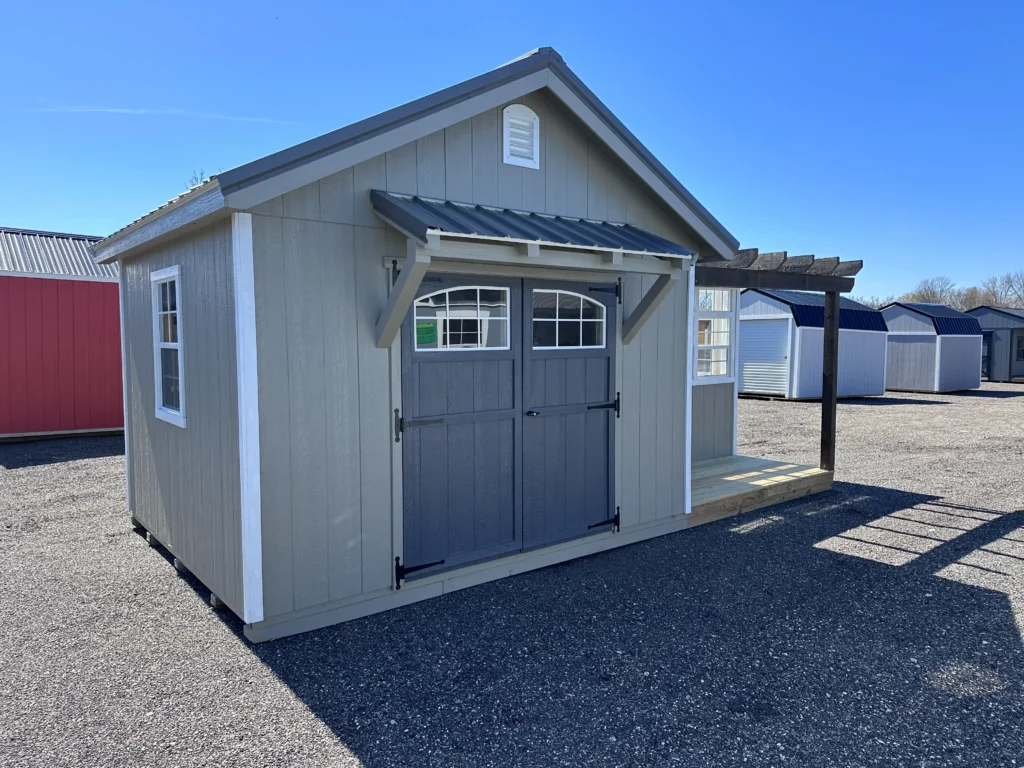
Once the roof protects the structure, cover the walls with exterior siding. Common choices include wood panels, engineered siding, vinyl, or metal. Choose a material that suits your budget and maintenance preferences. Install any required weather-resistant barrier before the siding. Keep siding away from standing water and wet soil. Proper exterior trim around corners and openings can improve appearance while helping protect vulnerable edges.
Install the shed doors carefully and make sure they open without dragging across the ground. Double doors work particularly well when you store a mower or bulky equipment. Add durable hinges and a secure latch. Small vents near the upper walls can help warm, humid air escape. Ventilation becomes especially useful when the shed stores lawn equipment or other items that may introduce moisture. Hartville Outdoor Products offers several storage shed and barn styles that show how different doors, rooflines, siding options, and vents can work together.
Organize The Interior For Maximum Storage
A small shed works best when you use wall and vertical space efficiently. Add shelves for smaller containers, garden supplies, and hand tools. Wall hooks can hold shovels, rakes, hoses, and extension cords. Keep the floor clear enough to move larger equipment without constantly shifting other items. Place frequently used tools near the entrance and seasonal items toward the back or on higher shelves.
Do not overload wall shelves without proper support. Fasten heavy shelving directly into wall framing rather than relying only on thin siding or interior panels. You can also add overhead shelves if the roof design provides enough clearance. Keep storage away from vents so airflow remains open. If you plan to run electricity to the shed, complete wiring according to applicable requirements before covering interior wall cavities. A thoughtful storage layout can make a compact shed feel much larger.
Finish The Shed For Long-Term Use
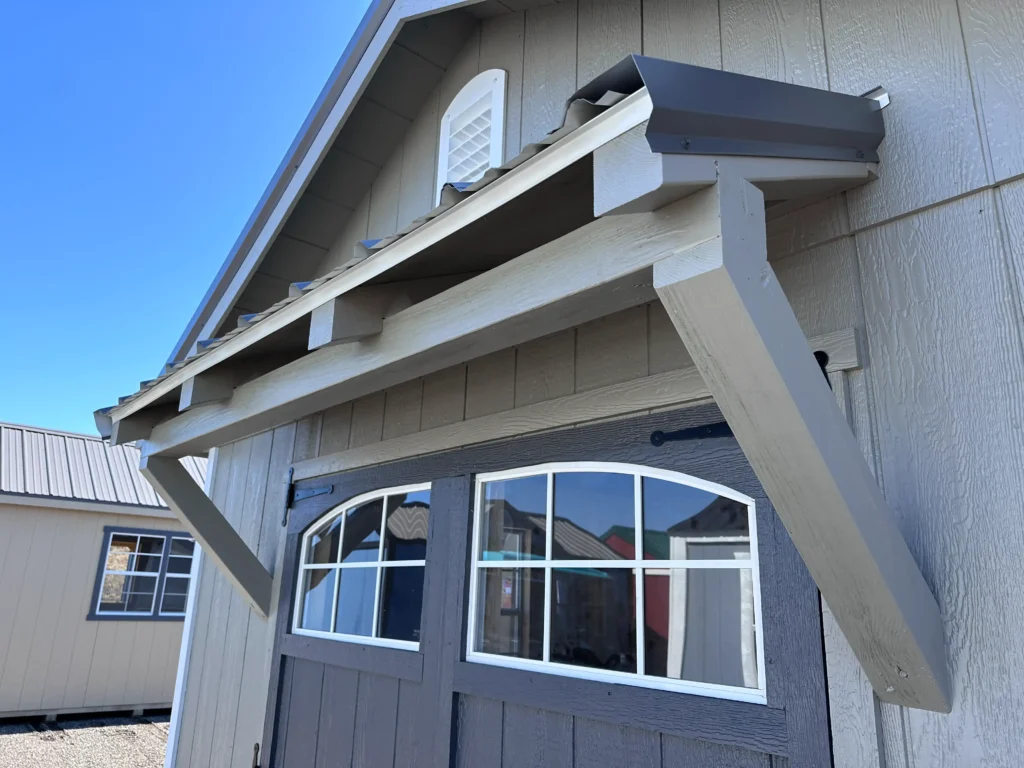
Learning how to build a small storage shed involves more than framing four walls. A successful structure needs a well-drained site, stable floor, strong wall framing, weather-resistant roof, secure doors, and proper exterior protection. Check the building after heavy rain and correct any leaks or drainage problems quickly. Inspect siding, roofing, doors, and the floor every year. Small repairs can prevent larger problems later.
If you prefer to avoid building from the ground up, Hartville Outdoor Products offers prefab storage sheds in many compact sizes and styles. Buyers can choose buildings for garden equipment, tools, bicycles, household storage, and other needs. Whether you build your own shed or choose a finished structure, plan for enough space and easy access. A well-built small storage shed can organize your property, protect equipment, and provide useful storage for many years.