
How to Build a Shed Roof
A shed roof does far more than simply cover a building. It protects tools, equipment, and stored belongings from rain, snow, wind, and long-term moisture damage while also affecting the overall durability and appearance of the structure itself. A properly built roof can extend the lifespan of a shed for many years, while poor construction often leads to leaks, sagging, and costly repairs. Understanding how to build a shed roof helps homeowners recognize the importance of proper framing, weatherproofing, and material selection when investing in outdoor storage. Whether considering a simple lean-to design or a more durable gable roof, the quality of the roof system plays a major role in how well the structure performs over time. Knowing what separates strong roof construction from weak design can help homeowners make smarter decisions when choosing or comparing storage sheds.
A durable shed roof depends on proper design, strong framing, quality roofing materials, and effective weather protection to ensure long-term performance.

Choosing a Shed Roof Design
The first step in building a shed roof is deciding on the appropriate design. The roof’s shape affects not only the aesthetics but also its ability to shed water and snow, accommodate ventilation, and provide overhead storage. The most common shed roof styles include:
- Gable Roof: Characterized by two sloping sides that meet at a ridge, this design is effective for water runoff and offers interior height.
- Lean-To Roof: A single sloped roof that is simple to construct and ideal for sheds built against existing structures.
- Saltbox Roof: Asymmetrical in design, with one long slope and one short, often chosen for its unique appearance and wind resistance.
- Hip Roof: Features four sloping sides, providing excellent stability in high-wind areas but requires more advanced framing techniques.
Your choice of roof style should align with your shed’s purpose, aesthetic preferences, and local weather conditions.
Comparison Of Common Shed Roof Styles
| Roof Style | Best For | Weather Resistance | Construction Complexity |
|---|---|---|---|
| Gable Roof | General storage sheds and workshops | High | Moderate |
| Lean-To Roof | Smaller sheds and attached structures | Moderate | Easy |
| Saltbox Roof | Windy climates and unique designs | High | Moderate |
| Hip Roof | Areas with strong wind exposure | Very High | Advanced |

Measuring and Planning the Roof
Accurate measurement is essential for a properly constructed shed roof. Begin by determining the width and length of the shed to calculate the roof span and pitch. Roof pitch refers to the angle of the slope and is usually expressed as a ratio (e.g., 4:12, meaning four inches of rise for every twelve inches of run). The pitch affects not only water drainage but also the shed’s appearance and headroom. Steeper pitches shed snow and rain more efficiently, while lower pitches may be easier to build but require enhanced waterproofing measures. Sketching the roof plan or using construction software can help visualize the project and determine the quantity of materials needed, such as rafters, sheathing, shingles, and fasteners.

Selecting Roofing Materials
The choice of roofing materials impacts the shed’s durability, weather resistance, and cost. The most commonly used materials for shed roofs include:
- Asphalt Shingles: Affordable and easy to install, offering good protection and a range of color options.
- Metal Roofing: Highly durable, resistant to fire and pests, and long-lasting, though it may be noisier during rain.
- Corrugated Plastic or Fiberglass Panels: Lightweight and simple to install, suitable for sheds used primarily for gardening or utility storage.
- Cedar Shakes or Shingles: Provide a natural look and good insulation, though they require more maintenance.
Choose materials that match your budget, climate, and desired aesthetic. Always use exterior-rated products designed for roofing applications.
Framing the Roof Structure
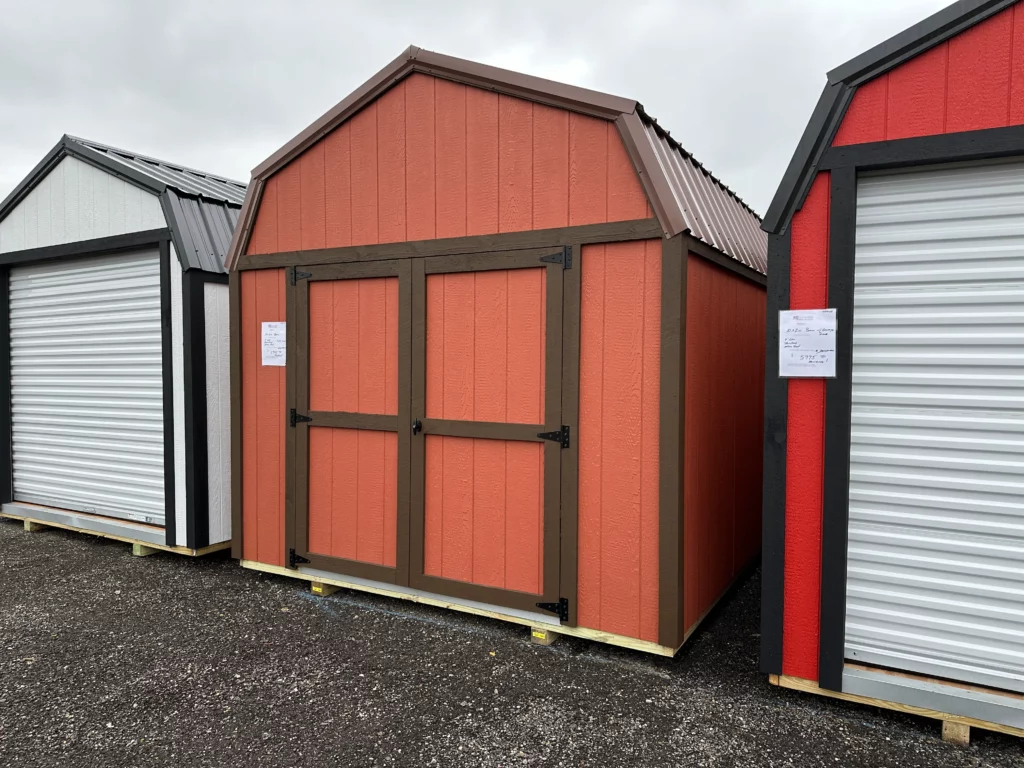
The framing system is one of the most important parts of a durable shed roof because it supports the entire roofing structure and helps the building withstand changing weather conditions over time. Strong framing keeps the roof stable during heavy rain, snow accumulation, and high winds while also preventing sagging and structural movement. Professionally built sheds often use carefully measured rafters or engineered trusses designed to distribute weight evenly across the structure. Proper spacing, alignment, and reinforcement all contribute to long-term durability and performance. When evaluating a shed, homeowners should pay close attention to how the roof framing is constructed because weak framing can lead to expensive repairs and reduced lifespan. Quality craftsmanship in this stage is one of the biggest differences between a long-lasting storage building and one that develops structural problems over time.
Installing Roof Sheathing
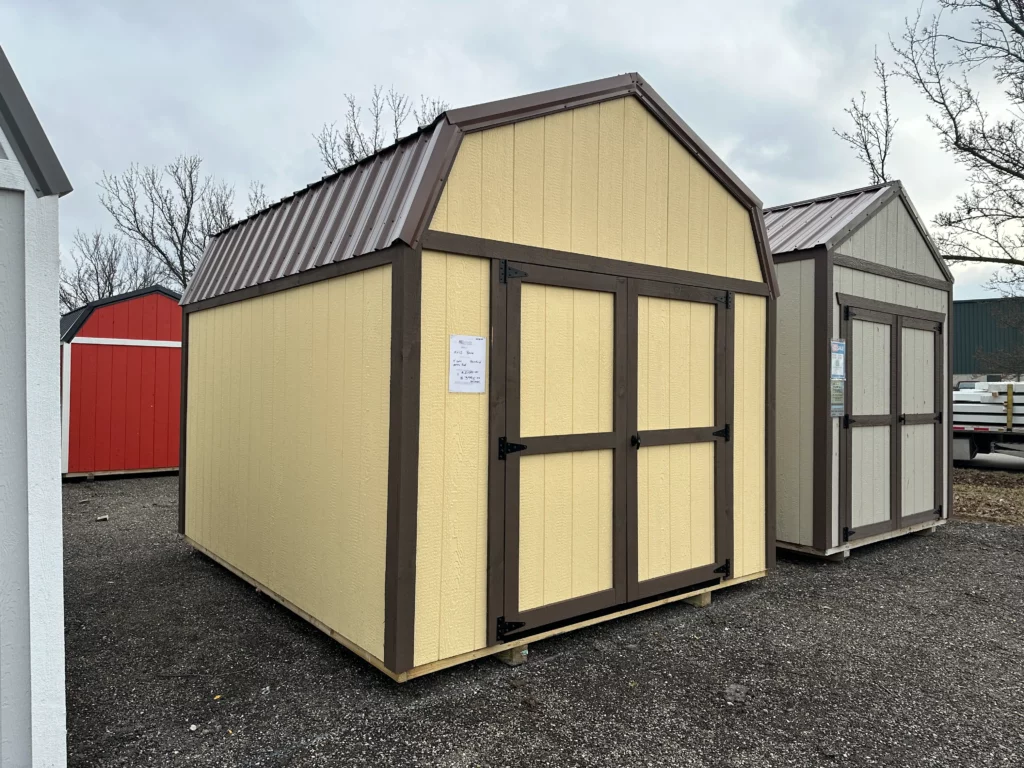
Roof sheathing creates the solid surface beneath the final roofing material and plays a major role in overall roof strength. High-quality sheds commonly use durable plywood or oriented strand board designed to handle outdoor exposure and structural stress. Properly installed sheathing improves stability, helps support roofing materials evenly, and reduces the risk of moisture-related issues over time. Panels should fit securely with consistent spacing to allow for natural expansion and contraction during temperature changes. A strong sheathing layer helps maintain the integrity of the entire roof system while improving resistance against weather and long-term wear. Homeowners comparing storage sheds should look for structures built with quality materials and careful roof assembly rather than focusing only on appearance or price.
Weatherproofing the Roof
To protect the shed from water infiltration, it’s crucial to install underlayment and flashing before adding the final roofing material. Begin by rolling out roofing felt or synthetic underlayment over the sheathing, starting at the bottom edge and overlapping each layer. Install metal drip edges along the eaves and rake edges to direct water away from the structure. Flashing should be added around any roof penetrations, such as vents or skylights, to prevent leaks. Proper weatherproofing helps extend the lifespan of the roof and protects the shed’s interior from moisture-related damage.

Installing the Roofing Material
The final roofing material has a major impact on the shed’s durability, weather resistance, and maintenance requirements. Asphalt shingles remain popular because they are affordable and visually versatile, while metal roofing is valued for long-term durability and resistance to fire, moisture, and pests. Regardless of the material used, proper installation and weather sealing are essential for preventing leaks and protecting the structure underneath. High-quality roofing systems are designed to handle years of exposure to rain, snow, sunlight, and seasonal temperature changes without deteriorating prematurely. Professionally constructed sheds typically include roofing systems built for reliable long-term performance, which helps homeowners avoid the frustration and repair costs often associated with poorly installed roofs.

Ventilation and Finishing Details
Proper ventilation is important to prevent heat buildup and moisture accumulation inside the shed. Install ridge vents, gable vents, or soffit vents depending on your roof design. Good airflow helps maintain a consistent temperature and extends the life of roofing materials. Finish the roof with fascia boards, ridge caps, and trim to improve aesthetics and seal exposed edges. Paint or stain any exposed wood surfaces with weather-resistant products to prevent rot and decay. According to roofing guidance from the This Old House roofing experts, proper ventilation, weatherproofing, and material selection are some of the most important factors in extending the lifespan of outdoor structures. Understanding these roofing fundamentals helps homeowners choose storage sheds that can better withstand long-term exposure to changing weather conditions.
Safety Considerations
When building a shed roof, always prioritize safety. Use ladders and scaffolding correctly, wear protective gear, and avoid working in bad weather. If you’re unsure about any part of the construction, consult with a professional to ensure the job is done right.
Conclusion
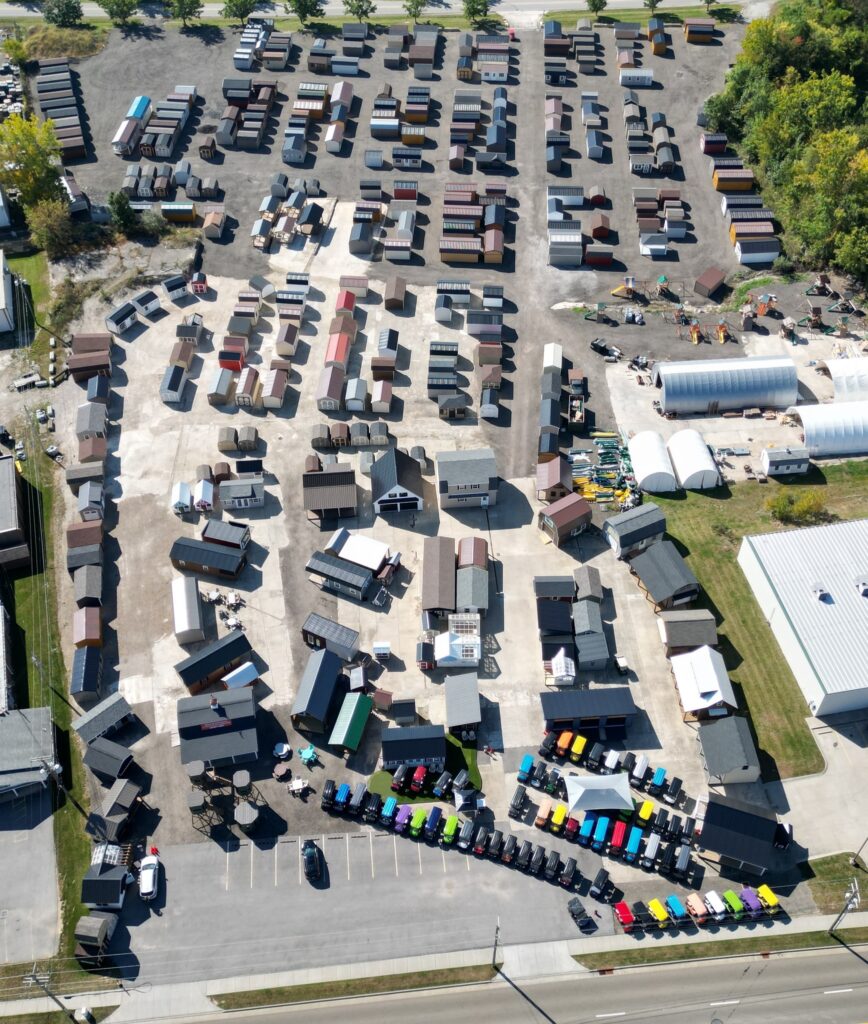
Understanding how to build a shed roof highlights just how important proper design, framing, and weather protection are to the long-term performance of any storage building. A well-constructed roof helps prevent water damage, improves durability, and protects everything stored inside the shed throughout changing weather conditions. While learning about roofing systems can help homeowners recognize quality construction, building a durable roof requires precision, experience, and reliable materials. Poor framing or improper waterproofing can lead to expensive repairs and reduced structural lifespan over time. For homeowners looking for dependable storage solutions without the uncertainty of a major DIY project, Hartville Outdoor Products offers professionally built storage sheds designed with durable roofing systems and long-lasting craftsmanship for reliable everyday use.