
A shed ramp can make a huge difference when you move lawn equipment, carts, bicycles, tools, or heavy storage items in and out of the building. Without one, even a small step at the doorway can make access awkward. Learning how to build a ramp for a storage shed starts with measuring the doorway and floor height. You also need to choose a safe slope, strong framing, and a durable surface. The ramp should support the weight of both the equipment and the person moving it.
The right design depends on how you use the shed. A lightweight ramp may work for hand tools and bicycles. A riding mower or heavy equipment needs stronger framing and better support. Drainage also matters because water can damage wood and create slippery surfaces. Before construction, think about ramp width, slope, material, ground conditions, and the weight that will cross it. A well-planned ramp can make the shed easier to use every day and reduce strain when moving heavy items.
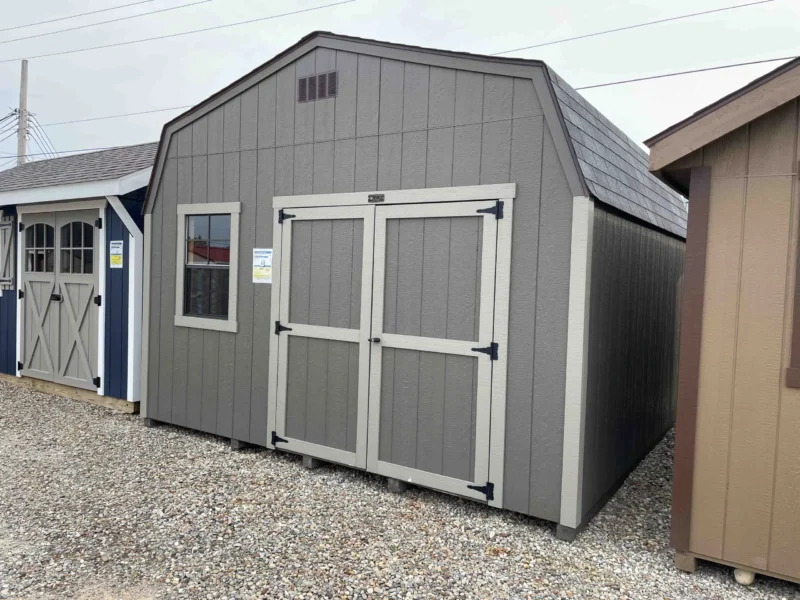
How To Build A Ramp For A Storage Shed Correctly
Start by measuring the height from the ground to the shed floor. Then measure the width of the doorway. These two numbers help determine the ramp length and width. A taller shed floor requires a longer ramp if you want a gentle slope. Avoid making the ramp too steep just to save space. A steep ramp can make it difficult to push a mower or cart uphill. It can also become dangerous when you move heavy equipment downhill.
Next, decide how the ramp will connect to the shed. The top should meet the threshold smoothly without creating a large bump. The bottom should sit firmly on stable ground. Build the framing from lumber that can handle exterior exposure. Pressure-treated wood works well for many shed ramps because it resists moisture better than untreated lumber. Homeowners comparing shed sizes and entry layouts can browse in-stock storage sheds from Hartville Outdoor Products before planning a ramp for a specific building.
Choose A Safe Ramp Slope
Slope affects how easy the ramp feels to use. A short, steep ramp may fit in a small area, but it creates more effort when moving equipment. A longer ramp reduces the angle and makes access smoother. For riding mowers, wheelbarrows, and heavy carts, a gentler slope usually works better. Measure the vertical rise carefully before deciding on ramp length. Then make sure you have enough clear ground in front of the shed.
Do not copy an accessibility ramp ratio automatically unless you are building an accessible route. Shed ramps often serve equipment rather than people with mobility needs. However, the same basic principle still applies. A gentler slope gives you better control when moving a mower, cart, or other heavy item. Keep enough open space at the bottom so you can approach the ramp in a straight line. Avoid placing the ramp where fences, landscaping, or nearby structures force a sharp turn. If people will use the ramp regularly, check your local building requirements before construction. For general background on ramp design, see ramps in architecture on Wikipedia.
Prepare A Stable Base At The Bottom
A ramp needs solid support at the lower end. Soft soil can settle and cause the ramp to shift. Remove loose grass, topsoil, and organic material beneath the ramp landing area. Then create a compacted base with gravel or another suitable material. Concrete pavers or a small pad can also provide stable support in some installations. The correct approach depends on soil conditions, ramp size, and load.
Drainage matters as much as support. Water should not collect around the ramp or shed entrance. Standing water can soften soil and encourage wood decay. Grade the surrounding area so rain moves away from the building. If the ramp sits directly below roof runoff, consider gutters or another way to redirect water. Check the base after heavy rain during the first few months. If you notice settling, correct it early. A strong ramp frame cannot perform well if the ground beneath it keeps moving.
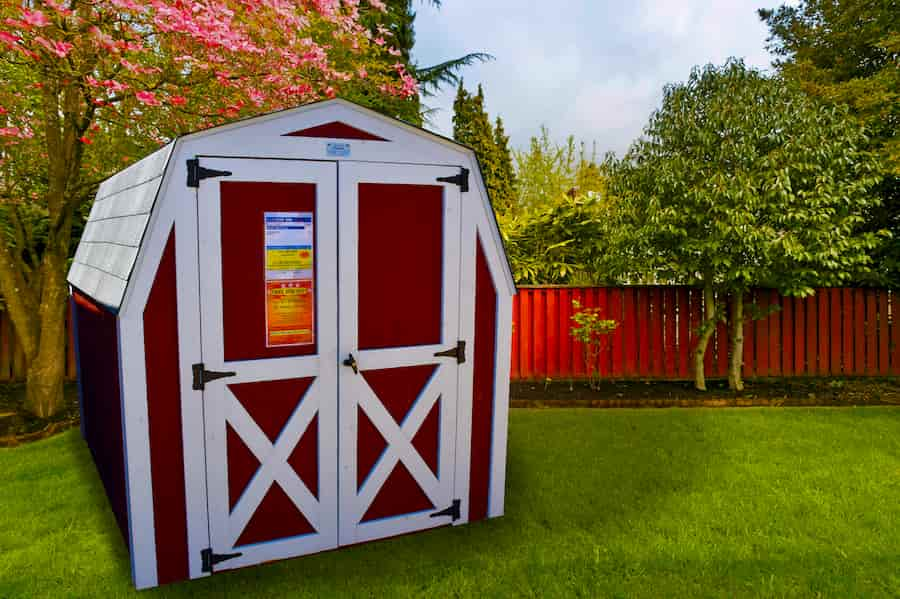
Build A Strong Ramp Frame
The ramp frame carries the load, so choose lumber sizes based on the width, span, and expected weight. Use pressure-treated joists or stringers for exterior durability. Position them close enough to prevent the ramp surface from flexing. Heavy equipment may require larger framing members or closer spacing. Add blocking between the joists where it improves stability. Keep the frame square as you assemble it.
Fasten the ramp securely to the shed. Do not depend on a few deck screws driven into thin trim boards. Connect the ramp to structural framing at the shed entrance. Use exterior-rated structural fasteners that suit the lumber and connection. The lower end should rest evenly on the prepared base. Test the frame before adding the surface. Walk across it and check for movement. If it twists, bounces, or shifts, strengthen the support before continuing. A solid frame should feel stable even before the decking goes on.
Install A Durable And Slip-Resistant Surface
Pressure-treated deck boards or exterior-rated plywood can work as ramp surfaces. The best option depends on the ramp design and equipment. Deck boards allow small gaps for drainage. Plywood creates a smoother surface for small wheels. If you use plywood, choose a product that can handle outdoor exposure and protect it according to the manufacturer’s instructions. Make sure every panel edge receives proper support.
The surface should also provide traction. Smooth wet wood can become slippery. Textured boards, anti-slip strips, or another exterior traction product can improve grip. Avoid large gaps that can catch narrow wheels. Fasteners should sit flush with the surface so tires and shoes do not catch on them. Inspect the ramp after installation and remove sharp edges or splinters. If you plan to drive a riding mower into the shed, test the surface carefully before regular use. Good traction becomes especially important during rain, snow, or early morning moisture.
Make The Ramp Wide Enough For Equipment
Measure the widest equipment that will use the ramp. Then add extra clearance on both sides. A ramp that barely matches the mower width leaves little room for steering mistakes. Wider ramps make it easier to line up equipment with the doorway. They also reduce the chance that a wheel slips off the edge. In many cases, matching the ramp width to the shed door opening creates a practical design.
Think about future equipment too. You may use a smaller mower now but buy a larger one later. A little extra width can prevent the need to rebuild the ramp. Edge guides can help keep wheels on the ramp, but they should not create trip hazards. If the shed has double doors, a full-width ramp often works better than two narrow tracks. Hartville Outdoor Products offers sheds with several door styles and building sizes. Reviewing storage shed options can help you see how different entrances affect ramp planning.
Protect The Ramp From Moisture And Wear
Outdoor ramps face rain, sunlight, snow, mud, and constant traffic. Pressure-treated lumber can resist moisture better than untreated wood, but it still needs proper drainage. Leave suitable gaps between deck boards so water can escape. Avoid trapping leaves and dirt against the shed threshold. These materials hold moisture and can accelerate decay. Keep the bottom of the ramp away from standing water whenever possible.
Inspect the ramp at least once or twice each year. Look for loose fasteners, cracked boards, soft spots, and movement at the connection to the shed. Tighten or replace hardware as needed. Clean algae or dirt that makes the surface slippery. If you apply a protective finish, use one that suits exterior wood and the ramp surface. Do not allow paint or sealant to create a slick walking surface. Regular maintenance costs very little compared with replacing a ramp after moisture damages the framing.
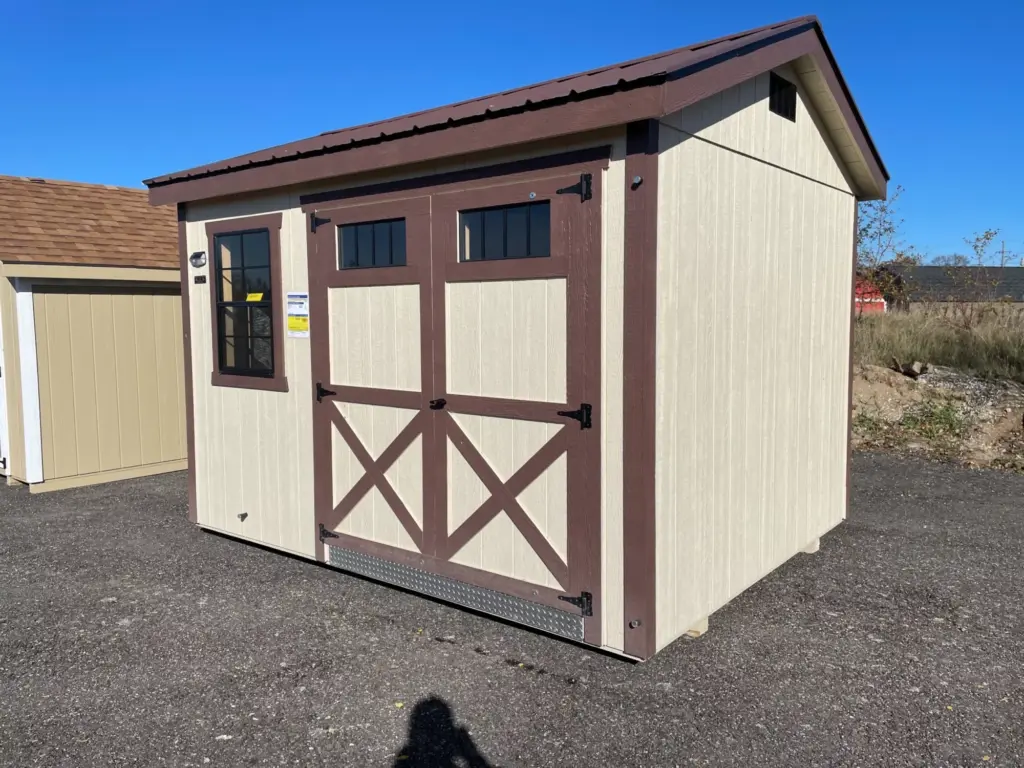
Build A Ramp That Makes Your Shed Easier To Use
Knowing how to build a ramp for a storage shed helps you create safer and easier access for equipment. Start with accurate measurements and choose a slope that feels comfortable. Prepare stable ground, build a strong frame, and use an exterior surface with good traction. Make the ramp wide enough for your largest equipment. Then protect it from moisture and inspect it regularly. These simple steps can prevent many common ramp problems.
A well-designed ramp works best with a shed that already fits your storage needs. Hartville Outdoor Products offers storage sheds in many sizes, styles, and door configurations. Buyers can choose structures for lawn equipment, tools, bicycles, household storage, and other property needs. The right doorway height and width can make ramp planning much easier. Whether you build your own shed or choose a finished structure, plan the entrance carefully. A strong ramp can turn an awkward step into smooth access and make daily storage much more convenient.