
How To Build A Chicken Coop Out Of Pallets
Building a chicken coop out of pallets has become a popular option for homeowners looking to create affordable backyard poultry housing without spending thousands of dollars on new materials. Reclaimed pallets can provide a low-cost starting point for coop walls, flooring, and framing, but not every pallet is safe or durable enough for long-term use around chickens. Poor ventilation, moisture buildup, weak flooring, and untreated gaps can quickly create problems if the structure is not planned carefully. Understanding how to build a chicken coop out of pallets helps homeowners recognize both the advantages and limitations of pallet construction before starting a project. While pallet coops may work well for small backyard flocks, durability, weather protection, and predator resistance are critical factors that should never be overlooked.
A well-built pallet chicken coop depends on safe pallet selection, proper ventilation, strong framing, weather protection, and secure predator-resistant construction.
Choosing The Right Pallets
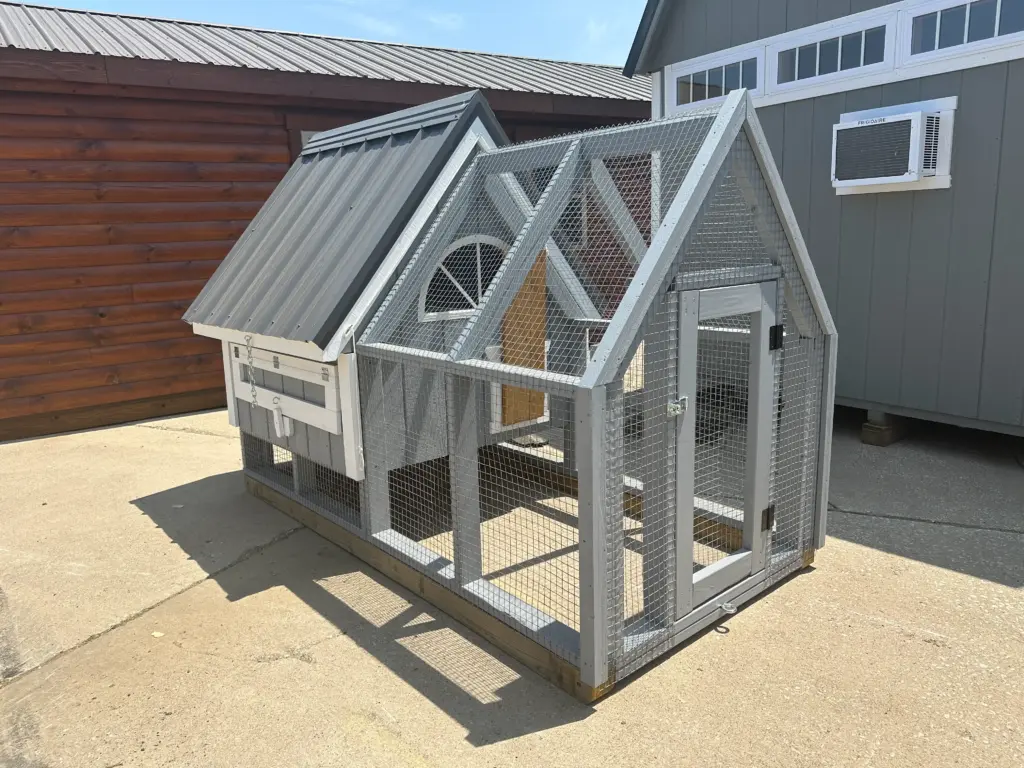
Not all pallets are suitable for building a chicken coop. Some pallets are treated with chemicals that can be harmful to animals, while others may be damaged or structurally weak. Look for pallets stamped with “HT,” which indicates heat treatment rather than chemical treatment. Strong, clean pallets with minimal cracks provide better support and longevity. When learning how to build a chicken coop out of pallets, selecting quality materials is the first step toward creating a safe environment for chickens. Poor-quality pallets may save money initially but can lead to repairs or replacements later.
DIY Pallet Coop Vs Professionally Built Chicken Coop
| Feature | DIY Pallet Coop | Professionally Built Coop |
|---|---|---|
| Initial Cost | Lower upfront cost | Higher upfront investment |
| Durability | Depends on pallet quality | Built for long-term use |
| Weather Protection | Varies by construction quality | Designed for outdoor exposure |
| Maintenance Needs | Often requires more repairs | Lower long-term maintenance |
| Predator Resistance | Can vary significantly | Typically stronger and more secure |
| Insulation And Ventilation | May require customization | Usually professionally designed |
Planning The Coop Design
Before assembling pallets, it is important to plan the layout and size of the coop. The number of chickens determines how much space is required for roosting, nesting, and movement. Proper spacing prevents overcrowding and supports flock health. Ventilation, door placement, and access for cleaning should also be considered during the design phase. A well-planned structure improves usability and reduces maintenance challenges. When approaching how to build a chicken coop out of pallets, taking time to design the structure ensures better results and fewer adjustments during construction.
Building A Strong Frame
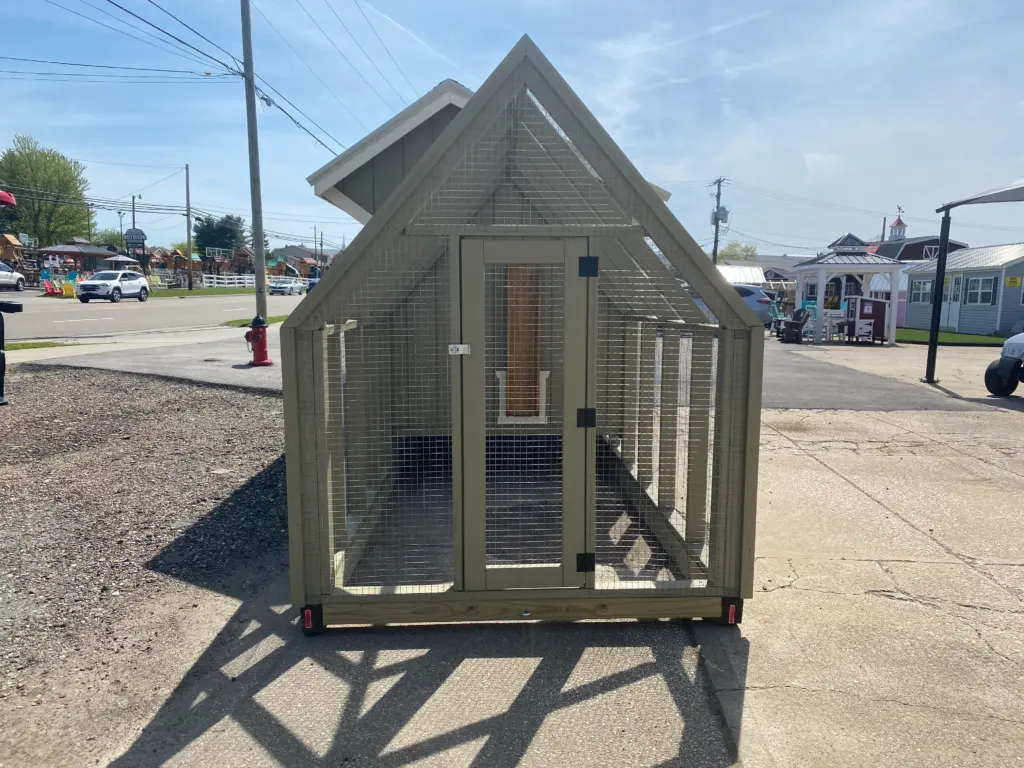
The frame forms the foundation of the coop and must be sturdy enough to support walls, roofing, and environmental stress. Pallets can be used as wall panels, but additional framing lumber often improves strength. Securing pallets together with screws rather than nails provides better durability. Reinforcing corners ensures the structure remains stable over time. A strong frame protects chickens from predators and harsh weather conditions. Understanding how to build a chicken coop out of pallets involves balancing cost savings with structural integrity to create a safe and lasting coop.
Adding Walls And Insulation
Once the frame is complete, pallet boards can be used to create walls. Gaps between boards should be sealed or covered to prevent drafts and moisture intrusion. Insulation may be added depending on climate conditions. Proper insulation helps regulate temperature and reduces stress on chickens. Many poultry owners consider factors like airflow and temperature control, often referencing guides such as does chicken coop need insulation to better understand how environmental conditions affect coop design. Balanced insulation and ventilation improve overall flock comfort and health.
Roofing And Weather Protection
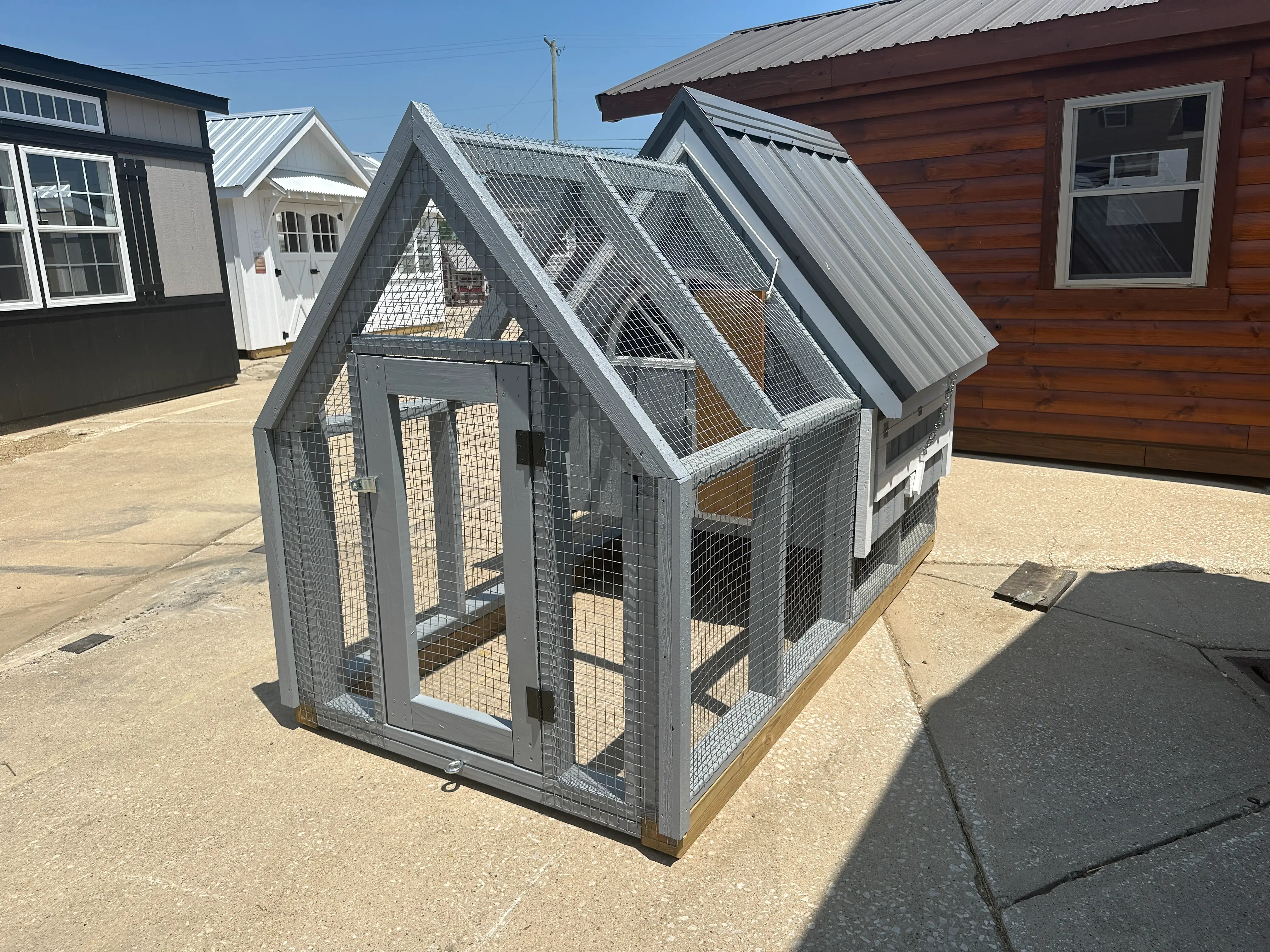
A durable roof is essential for protecting chickens from rain and snow. Pallets alone are not suitable for roofing, so additional materials such as plywood and metal sheets or shingles should be used. Sloped roofing helps water drain away from the structure, preventing leaks and moisture buildup. Weatherproofing the roof ensures the coop remains dry and comfortable year-round. When learning how to build a chicken coop out of pallets, roofing should never be overlooked, as it plays a major role in long-term durability.
Flooring And Predator Protection
The coop floor must protect chickens from predators and moisture. Elevated floors prevent ground moisture from entering the coop, while hardware cloth or wire mesh can be added beneath the structure for additional security. Solid flooring materials improve cleaning and reduce bacteria buildup. Predator-proofing is essential for protecting chickens from animals such as raccoons, foxes, and rodents. A secure floor system ensures safety and supports overall flock health.
Doors And Accessibility
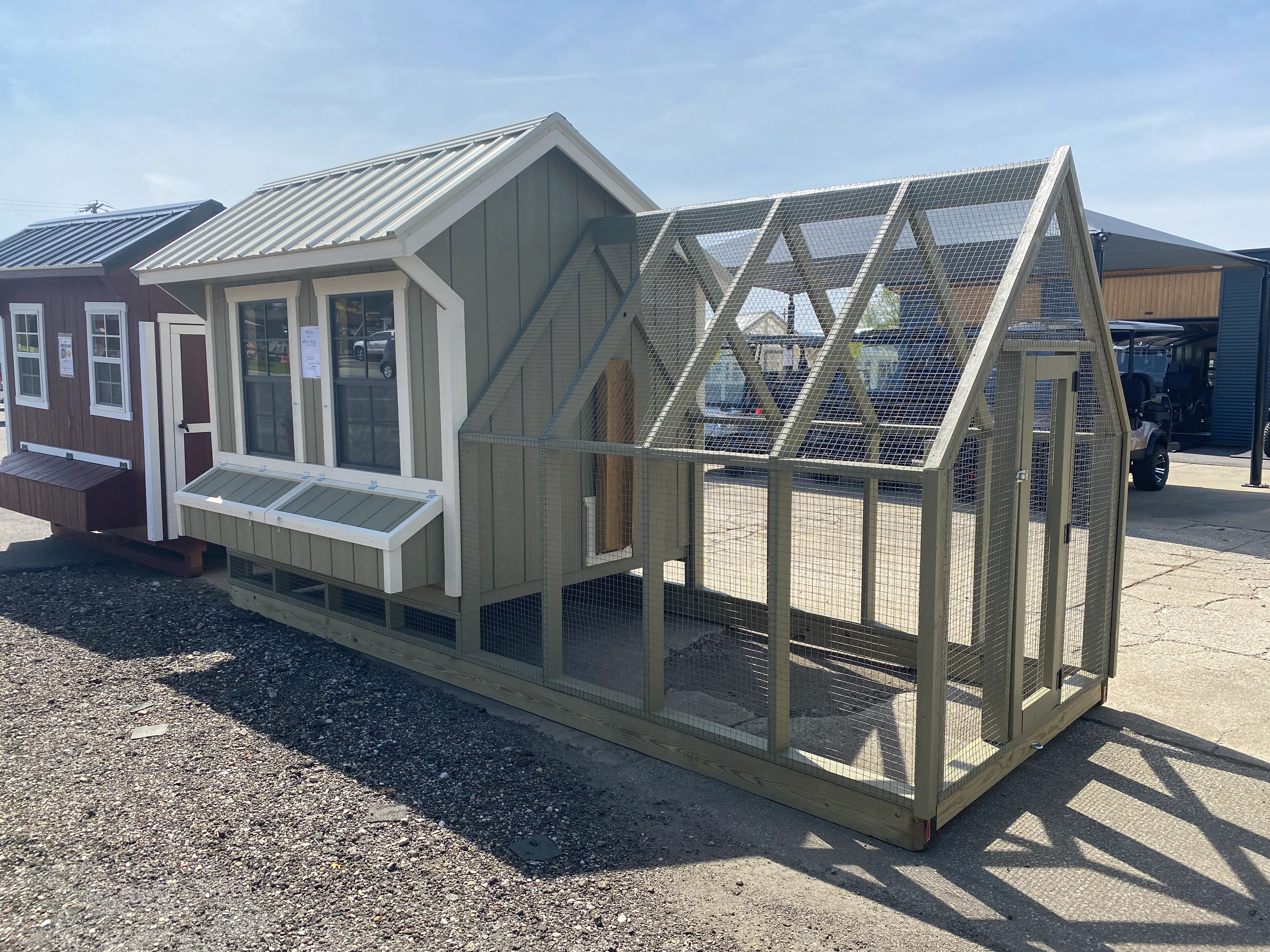
Easy access to the coop simplifies cleaning, feeding, and egg collection. Doors should be large enough for maintenance tasks and securely latched to prevent predators from entering. Smaller access points for chickens allow them to move freely between the coop and outdoor run. Proper door placement improves functionality and convenience. When building a pallet coop, ensuring accessibility reduces daily workload and improves long-term usability.
Ventilation And Airflow
Ventilation prevents moisture buildup and maintains air quality inside the coop. Openings near the roofline allow warm, moist air to escape while avoiding direct drafts on chickens. Proper airflow reduces ammonia buildup and supports respiratory health. Even pallet-built coops must include ventilation features to maintain a healthy environment. Balanced airflow improves comfort and reduces maintenance needs over time.
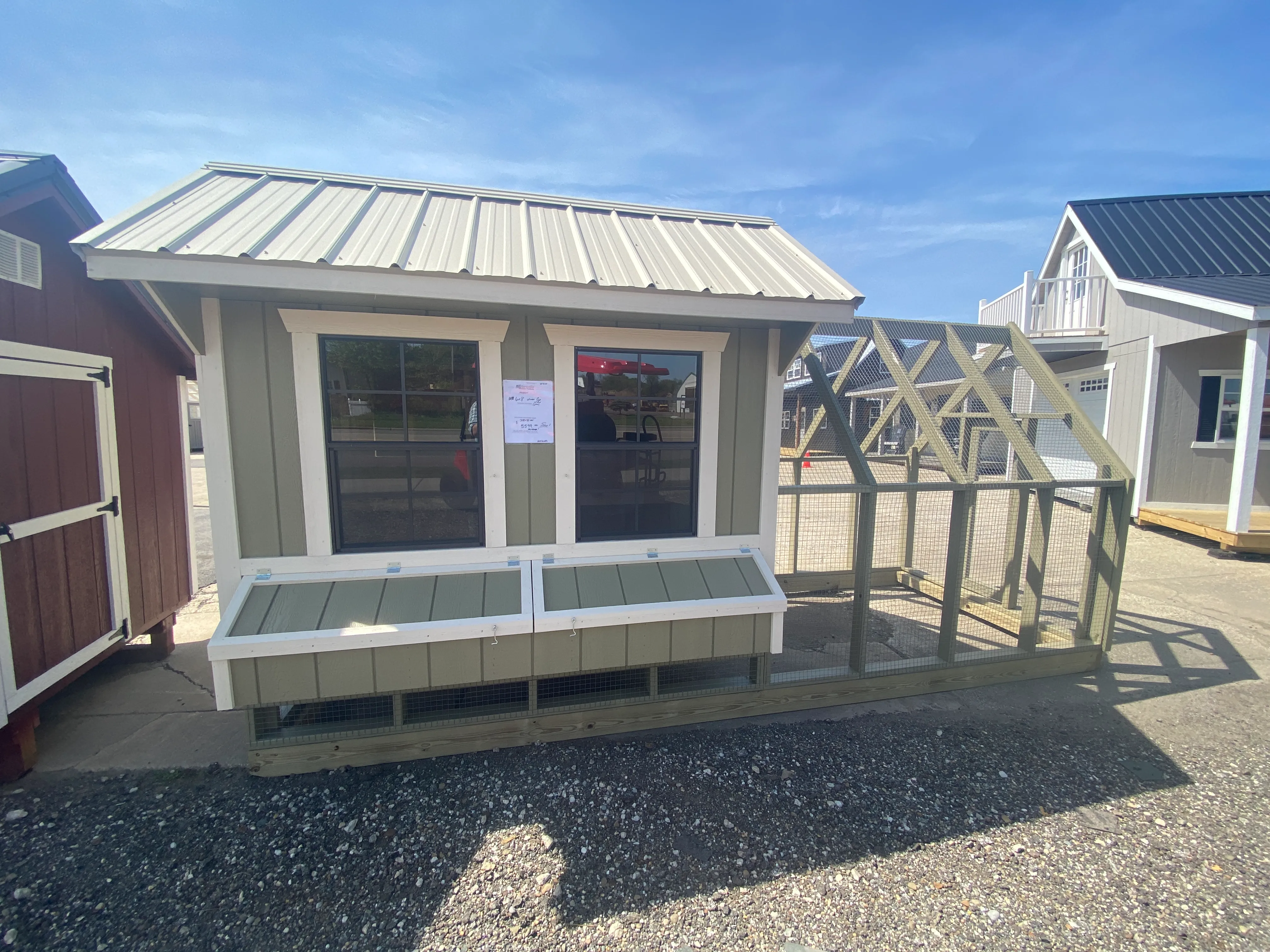
Comparing DIY Coops To Professional Builds
While pallet coops can be cost-effective, they often require more maintenance and may not last as long as professionally built structures. Gaps in pallet wood, uneven surfaces, and inconsistent materials can lead to durability issues. Professionally designed coops offer better structural integrity, weather resistance, and ease of cleaning. According to poultry housing recommendations from the Penn State Extension, proper construction and materials significantly impact flock health and coop longevity. Comparing both options helps homeowners decide whether building or buying is the better long-term solution.
When Buying A Coop Makes More Sense
For many homeowners, purchasing a high-quality coop provides better value over time. Professionally designed structures use durable materials, proper ventilation systems, and layouts optimized for maintenance. A well-built coop reduces the need for repairs and offers consistent performance. Options such as 8×12 chicken coop plans provide reliable designs that eliminate guesswork and improve long-term results. While pallet builds may work for short-term solutions, investing in quality construction often saves time and money in the long run.
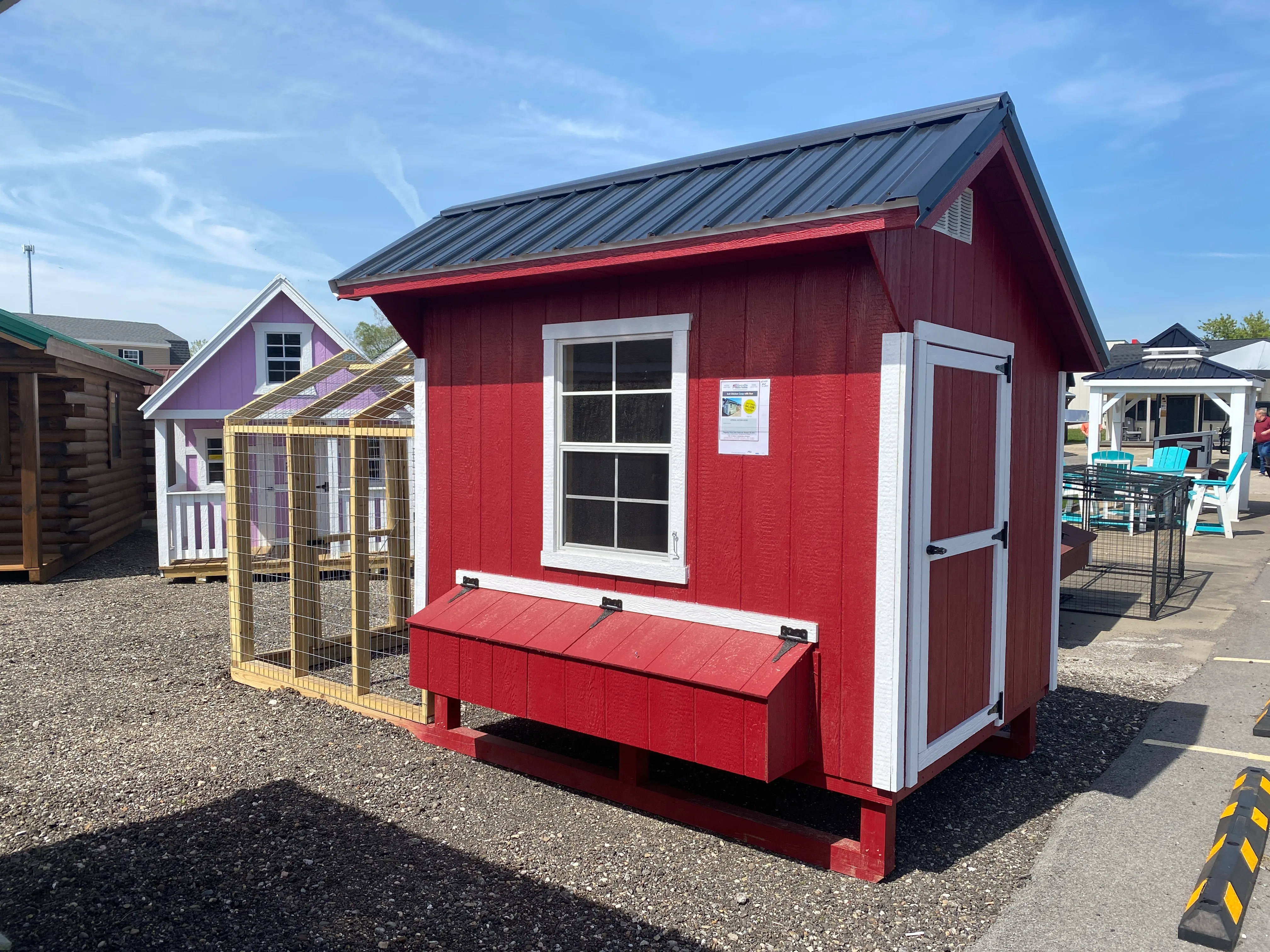
Storage And Organization For Poultry Care
Managing a chicken coop also involves storing feed, tools, and equipment properly. A dedicated structure such as a 12×20 shed with a loft provides space to keep supplies dry and organized. Proper storage supports efficient daily routines and protects materials from weather exposure. Organized setups improve workflow and reduce clutter around the coop area.
Conclusion
How to build a chicken coop out of pallets offers a cost-effective way to house chickens, but it requires careful planning, quality materials, and consistent maintenance. While DIY pallet coops can work for small flocks, they often lack the durability and efficiency of professionally built structures. Investing in a well-designed coop ensures better protection, easier maintenance, and long-term reliability. For poultry owners who want dependable, high-quality solutions without the trial and error of DIY builds, Hartville Outdoor Products offers durable options designed to support healthy and efficient backyard poultry setups.