
How To Adjust Garage Door Sensors
Garage door sensors are one of the most important safety features built into a modern garage door system. Their job is simple but essential. They detect objects, pets, or people in the doorway and stop the garage door from closing if something blocks its path. When these sensors become misaligned, however, the garage door may refuse to close, reverse unexpectedly, or flash the opener lights instead of operating normally. Fortunately, learning how to adjust garage door sensors is usually a straightforward process that restores normal operation without replacing expensive parts.
Many homeowners immediately assume the garage door opener has failed when the real problem is much smaller. A loose mounting bracket, dirty sensor lens, or slight movement caused by everyday use can interrupt the invisible infrared beam between the two sensors. Before calling for repairs or purchasing new components, understanding how the sensors work and how to adjust them properly can often solve the problem in just a short amount of time.
Start With Understanding Their Purpose
Garage door sensors operate as a pair. One sensor sends an invisible infrared beam across the bottom of the garage door opening while the second sensor receives it. As long as the receiving sensor detects that beam, the opener allows the garage door to close. If anything blocks the beam or the sensors lose alignment, the opener immediately stops or reverses the door to prevent accidents. This safety system has become a standard feature on residential garage doors because it significantly reduces the risk of injury and property damage. Rather than viewing the sensors as an inconvenience when problems occur, it helps to remember that they are performing exactly as designed by preventing the door from closing when communication between the sensors has been interrupted.
Recognizing The Signs That Adjustment Is Needed
Several warning signs indicate the sensors may need adjustment. The garage door may begin closing before reversing without touching the floor. Sometimes it refuses to close unless the wall-mounted control button is held continuously. Many garage door openers also flash their lights repeatedly after an unsuccessful closing attempt. These symptoms often point directly to sensor alignment rather than a mechanical problem with the opener itself. Indicator lights located on each sensor provide additional information. Under normal conditions, both lights remain steady. If one begins blinking or turns off completely, the sensors are no longer communicating correctly. Checking these indicator lights before making adjustments helps confirm that alignment is the most likely cause of the problem.
Inspect The Sensor Brackets Before Adjusting Anything
Before moving the sensors, examine the mounting brackets carefully. Since the sensors are installed only a few inches above the garage floor, they are frequently bumped by lawn mowers, bicycles, garbage containers, snow shovels, and other equipment. Even a slight impact may shift the bracket enough to interrupt the infrared beam. Loose screws, bent brackets, or damaged mounting hardware should be corrected before adjusting the sensors themselves. Tightening a loose bracket often restores proper alignment without requiring further adjustments. Starting with secure mounting hardware prevents the sensors from drifting out of position again after the repair is complete.
Clean The Sensor Lenses Before Making Adjustments
Garage environments collect dust, pollen, cobwebs, grass clippings, and road debris throughout the year. Because the sensors are positioned close to the floor, dirt quickly builds up on the lenses. Even a thin layer of dust can weaken the infrared beam enough to create operating problems that appear to be caused by poor alignment. Use a clean microfiber cloth to wipe each lens gently. Avoid abrasive materials or harsh cleaning products that could scratch the protective surface. While cleaning, inspect each sensor housing for cracks or moisture damage that might indicate replacement is necessary instead of adjustment.
How To Adjust Garage Door Sensors Correctly
Once the brackets are secure and the lenses are clean, loosen the mounting hardware just enough to allow one sensor to move slightly. Avoid moving both sensors at the same time because doing so makes it more difficult to determine which adjustment improves the alignment. Small movements work much better than large corrections because the infrared beam is extremely precise. Watch the indicator light while slowly repositioning the sensor. When the receiving sensor detects the beam again, the blinking light usually becomes solid. Hold the sensor firmly in position while tightening the mounting hardware to prevent it from shifting during installation. Patience during this stage often determines whether the repair succeeds on the first attempt.
Test The Safety System After Every Adjustment
Once the indicator lights show proper alignment, test the garage door several times before considering the repair complete. Allow the door to close normally and confirm that it no longer reverses unexpectedly. Then interrupt the sensor beam using a long object while the door is closing. The opener should immediately stop and reverse direction, confirming that the safety system continues to function correctly. Performing this simple test ensures the sensors are not only aligned but also protecting everyone who uses the garage. Skipping the test may leave hidden problems undiscovered until the next time the garage door is operated.
Reducing Future Sensor Problems
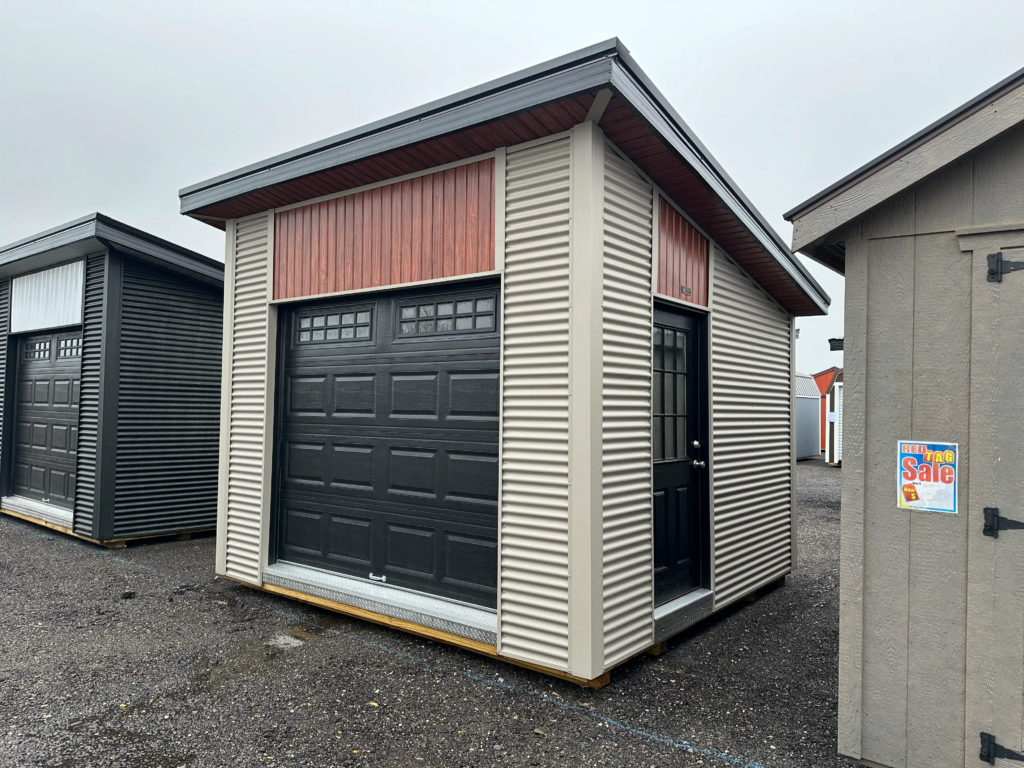
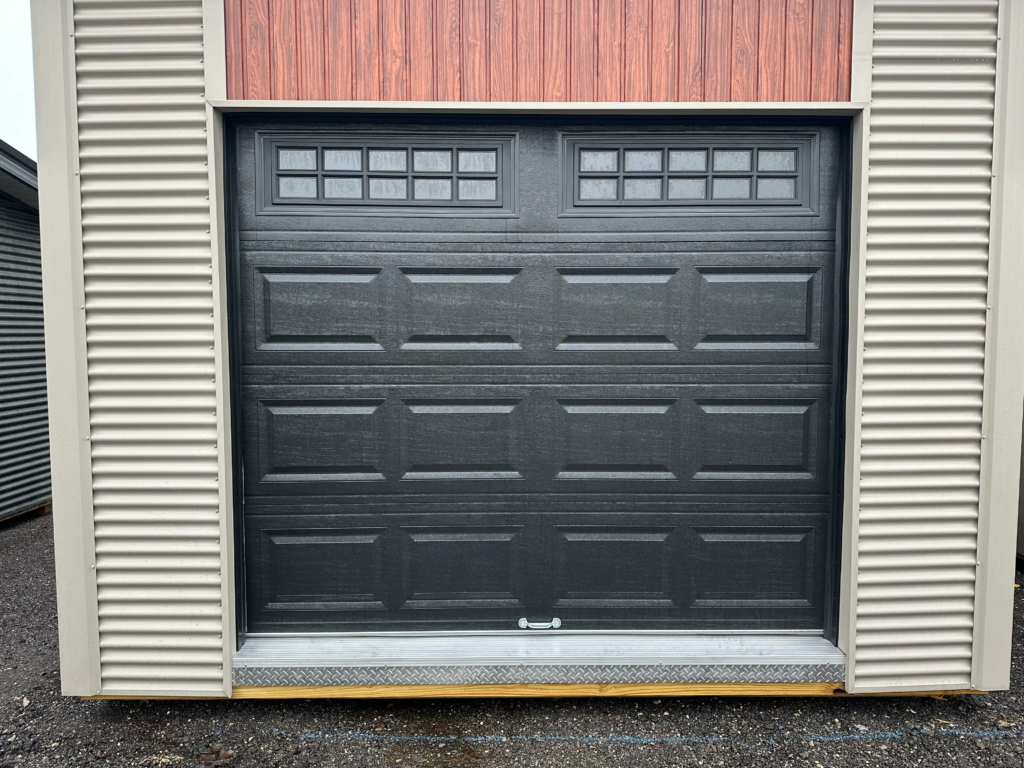
Many alignment problems occur because garages become crowded over time. Lawn equipment, bicycles, ladders, sports gear, and storage containers often end up leaning against the garage walls where the sensors are mounted. Every time these items are moved, there is a chance they will bump the brackets and interrupt the alignment. Creating additional storage outside the garage helps reduce this risk considerably. Dedicated storage buildings provide space for bulky equipment while keeping the garage safer and easier to maintain. Homeowners looking for extra storage often choose the Garage Buildings available from Hartville Outdoor Products, allowing the garage to remain organized without overcrowding the area around the garage door system.
Troubleshooting Sensors That Continue Losing Alignment
Sometimes homeowners successfully adjust the sensors only to find the problem returns a few days later. When this happens, the alignment itself is usually not the real issue. Loose mounting hardware, worn brackets, vibration from daily garage door operation, or slight movement in the track can gradually shift the sensors back out of position. If adjustments become a regular routine, inspect the entire mounting system instead of simply moving the sensors again. Garage doors open and close thousands of times throughout their lifetime. Those repeated movements create vibration that can loosen hardware over time. Tightening brackets, replacing damaged mounting components, and ensuring the track remains stable often provide a permanent solution instead of repeated sensor adjustments.
Inspect The Wiring Before Replacing The Sensors
Electrical wiring is another common source of sensor problems. The low-voltage wires connecting the sensors to the opener run close to the floor where they may be exposed to moisture, rodents, accidental impacts, or normal wear. Damaged wiring can interrupt communication between the sensors even when they are perfectly aligned. Inspect the wires from each sensor back to the opener, looking for loose terminals, cracked insulation, corrosion, or pinched cables. Correcting these issues often restores reliable operation immediately. Replacing sensors before checking the wiring may solve nothing if the real problem lies elsewhere in the system.
Weather Can Affect Sensor Performance
Garage door sensors operate in changing conditions throughout the year. Dust during dry seasons, moisture during rainy weather, and temperature changes during winter all influence how well the sensors perform. While the components are designed for everyday garage environments, seasonal changes sometimes expose small issues that were previously unnoticed. Temperature fluctuations can also cause slight expansion and contraction of mounting hardware. Although these movements are minor, they occasionally affect sensor alignment enough to interrupt the infrared beam. Including the sensors in seasonal garage maintenance helps prevent unexpected problems.
Common Mistakes To Avoid When Adjusting Sensors
One of the most common mistakes homeowners make is adjusting both sensors at the same time. Doing so makes it difficult to identify which movement improves the alignment and which one creates additional problems. Working with one sensor while leaving the other in place provides much better control during the adjustment process. Another mistake is tightening the mounting hardware before confirming the indicator lights remain steady. The sensor often shifts slightly as the fastener is tightened. Holding the sensor securely while tightening the bracket helps preserve the alignment that was just achieved.
Knowing When Replacement Is Necessary
Most garage door sensor problems can be solved through cleaning, wiring repairs, or careful adjustment. However, replacement becomes the better option when the sensor housing is cracked, the lens is damaged, or internal electronic components have failed. Physical damage often prevents reliable communication regardless of how carefully the sensors are aligned. When replacement is required, choose components recommended by the garage door opener manufacturer. Compatible sensors communicate correctly with the opener and maintain the safety features originally designed into the system. After installation, always perform a complete alignment and safety test before returning the garage door to regular use.
Routine Maintenance Keeps The System Reliable
Once you understand how to adjust garage door sensors, routine maintenance becomes simple. Cleaning the lenses several times each year, checking the mounting brackets for movement, and confirming the indicator lights remain steady takes only a few minutes. These small maintenance tasks help prevent unexpected failures while extending the life of the entire garage door system. It is also helpful to observe how the garage door operates during normal use. Smooth movement and consistent closing indicate the opener and safety system are working together correctly. Any hesitation, unexpected reversal, or unusual behavior should be investigated before the problem becomes more serious.
Keeping The Garage Organized Protects The Sensors
A well-organized garage naturally reduces accidental damage to garage door components. Lawn equipment, bicycles, ladders, storage bins, and sporting equipment often end up leaning near the lower corners of the garage where the sensors are mounted. Every time these items are moved, they create another opportunity to knock a sensor out of alignment. Moving larger equipment into dedicated outdoor storage helps preserve both the garage door system and the usable space inside the garage. With fewer obstacles around the doorway, routine maintenance becomes easier and the sensors remain protected from accidental impacts.
Learn More About Garage Door Maintenance
Homeowners interested in extending the life of their garage door system can find additional maintenance guidance through the Utah State University Extension, which offers practical home maintenance resources covering a variety of residential improvement topics, including garage care and seasonal upkeep.
Conclusion
Learning how to adjust garage door sensors is one of the simplest ways to restore safe and reliable garage door operation. Most alignment problems can be solved by inspecting the brackets, cleaning the lenses, checking the wiring, and making careful adjustments instead of replacing expensive parts. Regular maintenance keeps the sensors working properly while protecting everyone who uses the garage. If you are also looking to create a cleaner, more organized garage, explore the in-stock storage buildings available from Hartville Outdoor Products and enjoy a workspace with more room and fewer obstacles around your garage door system.