
How Often Clean Chicken Coop
Keeping a chicken coop clean is one of the simplest ways to protect your flock’s health, improve egg quality, and reduce unpleasant odors. However, there isn’t a single cleaning schedule that works for every coop. The ideal routine depends on factors such as flock size, bedding type, weather conditions, and coop design. Understanding how often to clean a chicken coop helps prevent harmful bacteria, parasites, and excess moisture while making routine maintenance far more manageable. With a consistent cleaning schedule, backyard chicken keepers can create a healthier environment that supports productive and comfortable birds throughout the year.
Most backyard chicken coops benefit from daily spot cleaning, weekly maintenance, and a complete cleanout every four to eight weeks, although individual conditions may require more frequent attention.
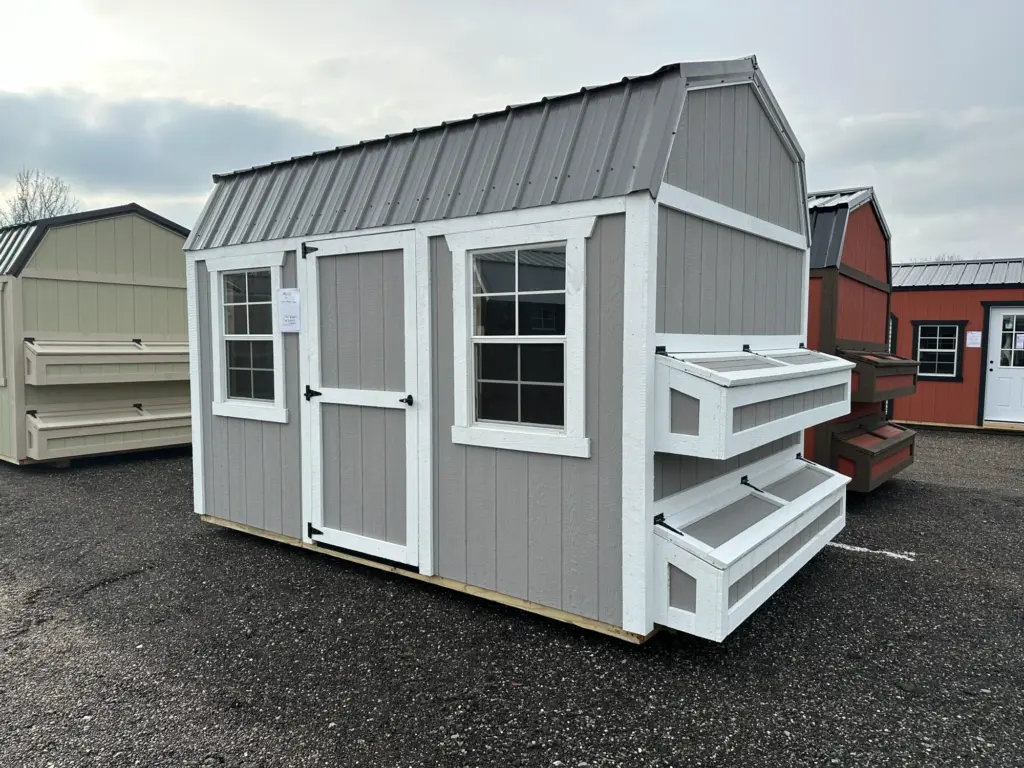
Why Coop Cleanliness Matters
A clean chicken coop directly impacts the health and comfort of your birds. Chickens spend a significant amount of time inside the coop, especially overnight and during poor weather. Droppings, moisture, and feed dust build up quickly, creating conditions that encourage bacteria, mold, and parasites. Ammonia fumes from decomposing manure can irritate chickens’ eyes and lungs and may lead to respiratory problems if not controlled. Clean coops also discourage flies, mites, and rodents. Beyond health concerns, cleanliness affects egg quality and consistency. Chickens that live in clean, dry conditions experience less stress and tend to lay more reliably. Maintaining coop hygiene is a preventative measure that reduces illness before it starts.
Daily Cleaning Tasks
Daily cleaning does not mean scrubbing the entire coop every day. Instead, it focuses on small tasks that prevent waste from accumulating. Each day, remove visible droppings from roost bars and areas directly beneath where chickens sleep. Check waterers for spills and replace wet bedding immediately. Wet bedding creates ideal conditions for bacteria and mold growth. Inspect feeding areas and remove spilled feed that could attract pests. These daily habits take only a few minutes but greatly reduce odor and moisture buildup. Daily checks also allow you to observe your flock closely, making it easier to notice changes in behavior or early signs of illness.
Weekly Maintenance Cleaning
Weekly cleaning tasks go a step further than daily maintenance. This usually includes replacing soiled bedding in nesting boxes and high-traffic areas, wiping down surfaces near feeders and waterers, and checking ventilation openings. Nesting boxes should be kept especially clean to prevent dirty eggs and discourage egg eating. Removing compacted bedding weekly helps maintain dryness and controls odor. During weekly cleaning, inspect corners and seams for signs of mites or mold. Weekly maintenance keeps conditions stable and reduces how often a full cleanout is needed.

Full Coop Cleanouts
A full coop cleanout involves removing all bedding, scraping surfaces, and thoroughly cleaning the interior. Most backyard chicken coops need a full cleanout every four to eight weeks. Smaller coops or larger flocks may require more frequent cleanouts. During this process, remove all bedding and dispose of it or compost it if appropriate. Scrape floors, walls, and roosts to remove stuck droppings. Use a mild poultry-safe cleaner and allow all surfaces to dry completely before adding fresh bedding. Full cleanouts reset the coop environment and help control long-term buildup of harmful organisms.
Bedding Type and Cleaning Frequency
The type of bedding used in a coop plays a major role in how often cleaning is required. Pine shavings are widely used because they absorb moisture well and are easy to replace. Straw often looks clean on the surface but can trap moisture underneath, requiring more frequent changes. Sand bedding allows droppings to be scooped out daily and can reduce odor, though it needs regular raking. Deep litter systems use thick bedding layers that break down slowly, requiring fewer full cleanouts but careful management. Choosing the right bedding for your climate and flock size reduces cleaning frequency and improves coop conditions.
Comparison Of Common Chicken Coop Bedding Materials
| Bedding Material | Moisture Control | Cleaning Frequency | Best For |
|---|---|---|---|
| Pine Shavings | Excellent | Moderate | Most backyard coops |
| Straw | Moderate | More Frequent | Cold climates |
| Sand | Very Good | Daily Spot Cleaning | Warm climates |
| Deep Litter System | Good | Least Frequent | Experienced chicken keepers |
Seasonal Cleaning Changes
Cleaning schedules often change with the seasons. During warmer months, higher temperatures increase odor and bacterial growth, so coops may need more frequent attention. Flies and pests are also more active in summer, making cleanliness essential. In winter, chickens spend more time inside the coop, increasing waste buildup. However, removing all bedding too often in cold weather can eliminate insulation. Many keepers clean less frequently in winter while monitoring moisture and ammonia levels closely. Adjusting cleaning routines based on season helps balance health and practicality.
Quick Chicken Coop Cleaning Tip
Keeping a small shovel or droppings scraper inside the coop makes daily spot cleaning much faster and helps prevent waste from building up between weekly cleanings.

Signs Your Coop Needs Cleaning Sooner
Even with a schedule, conditions inside the coop should guide your cleaning decisions. Strong ammonia smells indicate that droppings have built up too much. Damp bedding, visible mold, or condensation inside the coop require immediate attention. Dirty eggs often point to unclean nesting boxes. Chickens showing respiratory symptoms or avoiding certain areas of the coop may be reacting to poor conditions. According to guidance from poultry health experts, early intervention through improved sanitation can prevent more serious health problems. A well-maintained coop should smell earthy, not sharp or sour.
Flock Size and Space Considerations
The number of chickens in a coop greatly affects how quickly it becomes dirty. More birds mean more droppings, moisture, and wear on bedding. Overcrowding increases stress, disease risk, and cleaning frequency. Providing adequate space reduces waste concentration and improves airflow. Larger setups allow birds to spread out, making sanitation easier to manage. Some keepers expand their setup or move supplies into larger storage-style structures like a 14×32 shed to support growing flocks and reduce clutter inside the coop.
Outdoor Runs and Sanitation
Keeping the outdoor run clean is just as important as maintaining the coop itself. Remove droppings, old feed, feathers, and wet patches regularly to discourage flies, rodents, and harmful bacteria. Improving drainage in muddy areas also helps prevent moisture from being tracked back into the coop. Many backyard chicken keepers store bedding, feed, and cleaning supplies in nearby storage buildings to keep the coop organized and reduce clutter. Durable options such as the Backyard Chicken Coops and separate storage buildings from Hartville Outdoor Products make daily flock care more efficient while helping maintain a cleaner overall setup.

Health Risks of Poor Hygiene
Poor coop hygiene can lead to serious health problems for chickens. Respiratory infections, mites, lice, and fungal diseases thrive in dirty environments. Wet bedding increases the risk of bumblefoot, a painful foot infection. Ammonia exposure can cause long-term lung damage. These issues often require treatment and can lead to flock losses if ignored. Regular cleaning is far easier and less costly than dealing with preventable illness. Clean environments support immune function and overall flock well-being.
Creating a Realistic Cleaning Routine
The best cleaning schedule is one you can maintain consistently. For most backyard flocks, daily spot cleaning, weekly maintenance, and monthly full cleanouts work well. Larger flocks may need more frequent attention. Writing down tasks or setting reminders helps build routine. Involving family members or rotating responsibilities can make coop care more manageable. A realistic schedule keeps the coop clean without becoming overwhelming.

Conclusion
Understanding how often to clean a chicken coop helps create a healthier environment for your flock while reducing odors, pests, and disease risks. Although daily spot cleaning, weekly maintenance, and regular deep cleanouts provide a reliable routine for most backyard flocks, the ideal schedule should always reflect your coop size, bedding choice, flock population, and seasonal conditions. Consistent cleaning not only improves chicken health but also extends the life of the coop itself. If you’re planning to upgrade your poultry setup or need durable outdoor structures to support your flock, explore the quality chicken coops and outdoor buildings available from Hartville Outdoor Products.