
How much does a garden shed weigh is one of the first questions homeowners ask when planning delivery, site preparation, or relocation. Shed weight matters because it affects transportation, foundation requirements, anchoring, and whether a structure can be moved after installation. The weight of a garden shed varies significantly depending on size, materials, roofing type, and interior features. A small metal shed may weigh only a few hundred pounds, while a large wooden structure with lofts and heavy framing can weigh several thousand pounds. Understanding how much does a garden shed weigh requires looking beyond square footage and examining the construction details that add mass. Knowing the approximate weight helps homeowners prepare their property correctly and avoid costly mistakes during installation.
What Affects Garden Shed Weight
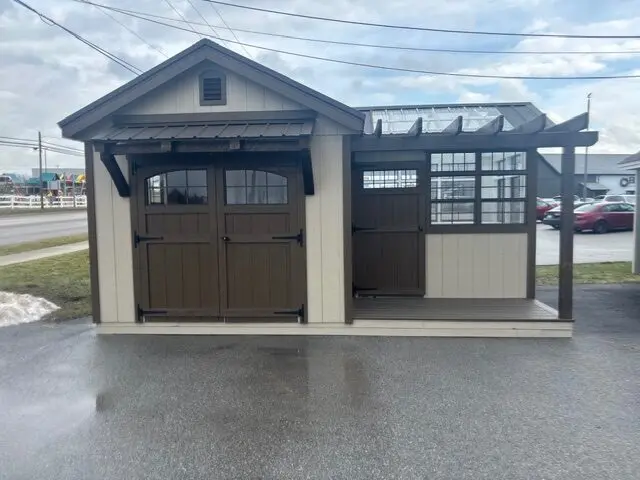
Several factors influence how much a garden shed weighs. The most obvious factor is size. Larger sheds require more framing, siding, flooring, and roofing materials, all of which increase total weight. Material choice also plays a major role. Wood sheds typically weigh more than metal or resin sheds because of solid framing and plywood or board siding. Roof design adds additional weight, especially when shingles replace lighter metal panels. Interior features such as lofts, shelving, reinforced floors, and insulated walls increase mass as well. When homeowners research how much does a garden shed weigh, they should consider every structural component rather than focusing only on dimensions. A shed with thicker flooring designed to hold heavy equipment will weigh more than a simple storage structure of the same size.
Average Weights By Shed Size
While weight varies by design, general estimates help homeowners plan. A small 8×8 wooden shed often weighs between 800 and 1,200 pounds depending on construction style. Mid-sized sheds around 10×12 or 10×16 frequently weigh between 1,500 and 3,000 pounds. Larger garden sheds measuring 12×20 or more can easily exceed 4,000 pounds once roofing, doors, and flooring are installed. Understanding how much does a garden shed weigh in these size categories helps determine whether professional delivery equipment is necessary. Most prefabricated sheds require specialized trailers or forklifts for placement. Attempting to move larger structures without proper equipment can damage both the shed and surrounding property.
Material Differences And Weight Impact
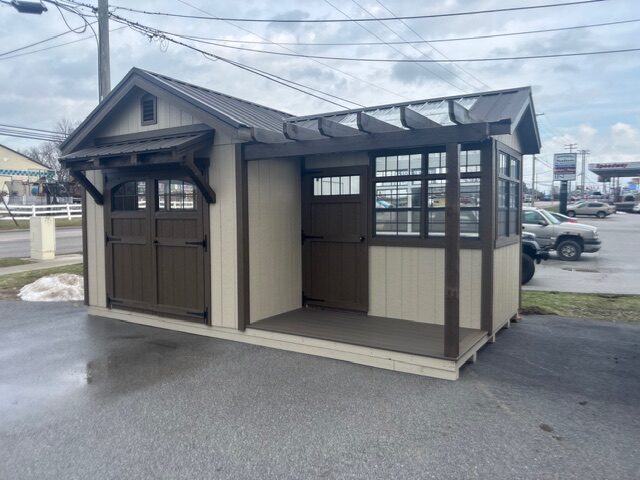
Material selection significantly affects overall shed weight. Wooden sheds built with pressure-treated floor systems and framed walls provide durability but add mass. Metal sheds use lighter panels and thinner framing, which reduces weight but may not offer the same insulation or strength. Resin sheds remain the lightest option in many cases, making them easier to assemble and relocate. However, lighter materials sometimes require additional anchoring to withstand wind. Homeowners exploring how much does a garden shed weigh should compare materials carefully, especially in regions with heavy snow or strong storms. Heavier wooden sheds often perform better under snow loads because of reinforced roof framing, though they demand stronger foundations.
Foundation Requirements Based On Shed Weight
The weight of a shed determines the type of foundation required. Smaller, lightweight sheds may sit on gravel pads or compacted stone bases. Heavier wooden sheds often require reinforced gravel pads, concrete piers, or full concrete slabs to distribute weight evenly. Improper foundation preparation can lead to settling, door misalignment, and structural stress. When planning installation, homeowners must calculate how much does a garden shed weigh and match the base accordingly. A well-prepared foundation not only supports weight but also improves drainage and long-term durability. Skipping this step can create expensive repairs later.
Delivery And Placement Considerations
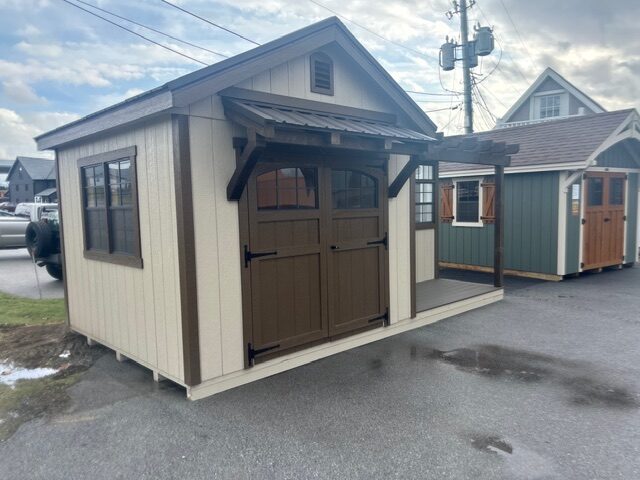
Delivery logistics depend directly on shed weight. Prefabricated wooden sheds are typically delivered fully assembled using hydraulic trailers that gently lower the structure onto a prepared base. Heavier sheds require clear access paths wide enough for equipment. Low-hanging branches, soft soil, or narrow gates may complicate placement. Homeowners researching how much does a garden shed weigh should evaluate their property’s layout before scheduling delivery. Professional installers assess access points and ground conditions to prevent damage during transport. Proper planning ensures the shed arrives safely and sits level on its foundation.
Wind Resistance And Anchoring
Heavier sheds generally offer better natural wind resistance due to their mass, but anchoring remains essential in many regions. Lightweight sheds especially require ground anchors or tie-down systems to prevent shifting during storms. The answer to how much does a garden shed weigh becomes important when determining the type and number of anchors needed. In areas prone to high winds, even heavier sheds benefit from secure anchoring systems attached to concrete or ground stakes. According to guidance from the Federal Emergency Management Agency, proper anchoring significantly improves structural stability during severe weather events.
Weight Examples From Larger Garden Sheds
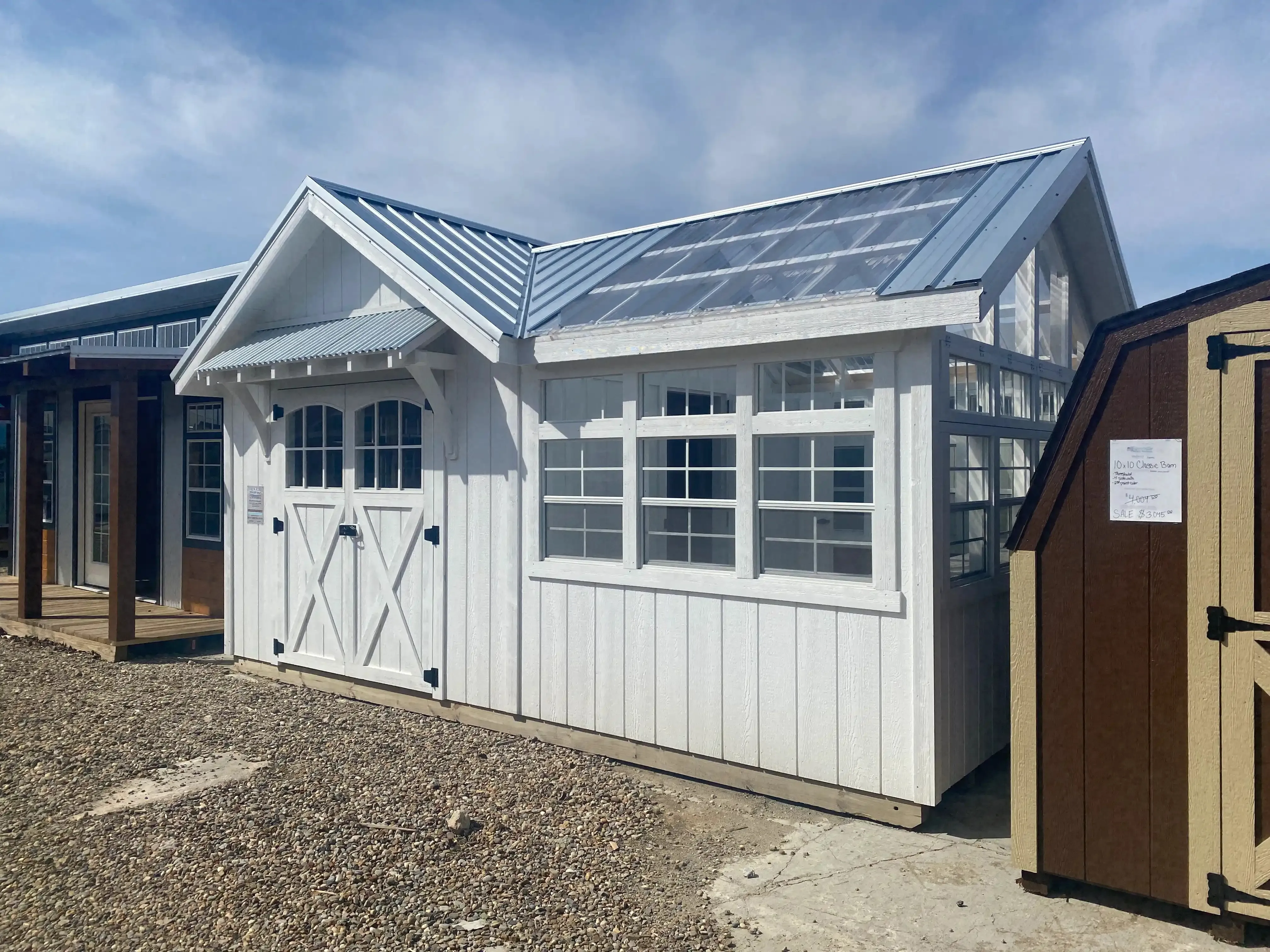
When examining larger wooden models, weight increases quickly. For example, a structure similar in scale to a 14×24 Executive Barn often weighs several thousand pounds because of its reinforced floor system and roof framing. The additional square footage allows for greater storage capacity but requires more substantial base preparation. Heavier framing materials ensure the structure handles equipment, lawn tractors, and seasonal storage safely. These factors contribute to long-term durability but also require careful delivery planning. Larger sheds rarely move once installed because of their mass.
Lofts And Interior Framing Add Weight
Interior upgrades increase total shed weight more than many homeowners expect. Adding loft storage, built-in shelving, or reinforced flooring adds lumber and fasteners. A structure comparable to a 12×20 Classic Monoslope includes additional framing to support overhead storage, which increases overall mass. These enhancements improve functionality but also require stable foundations and professional delivery equipment. When planning features, homeowners should account for both added convenience and structural weight. The more features included, the more important foundation preparation becomes.
Conclusion
How much does a garden shed weigh depends on size, materials, roof style, and interior features. Smaller sheds may weigh under 1,000 pounds, while large wooden structures can exceed 4,000 pounds. Weight directly affects foundation requirements, delivery logistics, and anchoring methods. Careful planning ensures the shed sits securely and performs well for years. For homeowners seeking durable storage structures built to handle Ohio weather conditions, Hartville Outdoor Products offers a variety of shed sizes designed to meet different storage needs while maintaining structural strength and stability.