
Giving chickens enough room is one of the most important parts of planning a backyard flock. A coop that feels spacious at first can become crowded quickly as the flock grows. Overcrowding can lead to stress, dirty bedding, stronger odors, feather pecking, and competition around roosts or nesting boxes. That is why many new chicken keepers ask how many sq ft per chicken in coop space they should provide. The right number depends on the size of the birds, the amount of outdoor access, the climate, and how much time chickens spend inside the shelter.
A common starting point is about 3 to 4 square feet of indoor coop space per standard-size chicken. Larger breeds often need more room. Bantams may need less. Chickens that spend most of the day in a secure outdoor run may tolerate a smaller indoor area better than birds that stay inside for long periods. However, giving extra room usually makes cleaning easier and reduces competition. Good coop planning should also include roosting space, nesting boxes, ventilation, feeding areas, and enough room for you to enter and maintain the structure comfortably.
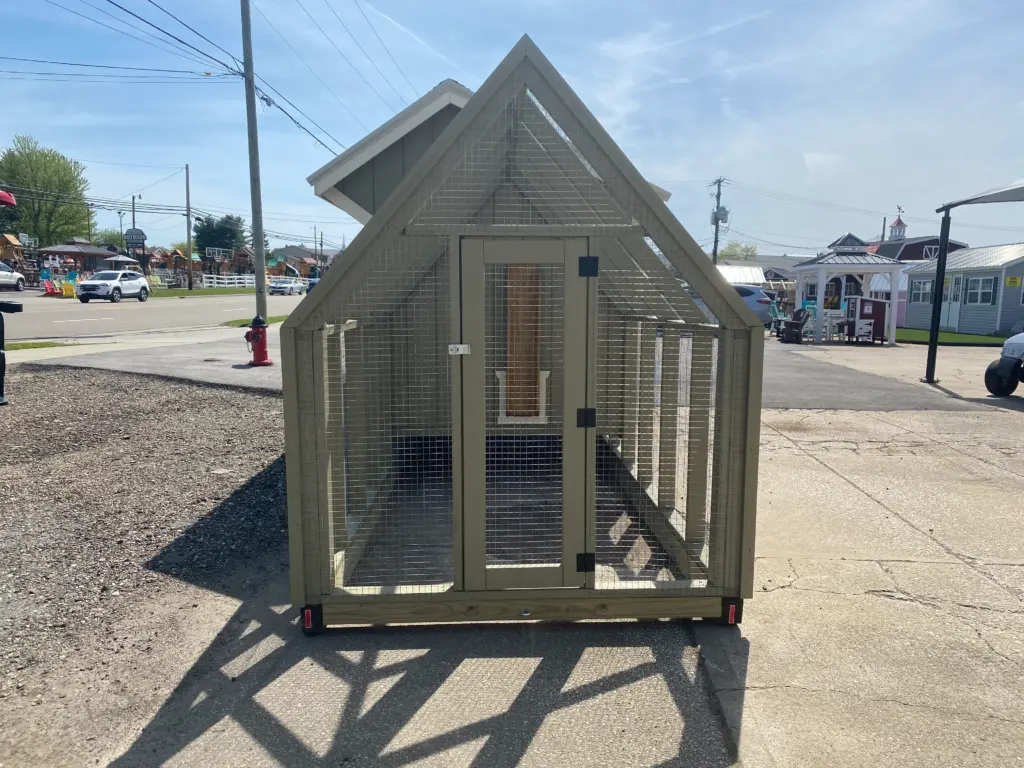
How Many Sq Ft Per Chicken In Coop Space Is Recommended?
For many standard backyard breeds, plan around 3 to 4 square feet of indoor space per chicken. This gives each bird enough room to move, turn, reach roosts, and avoid constant contact with the rest of the flock. If you keep larger breeds, aim closer to 4 to 5 square feet per bird. Bantam chickens can often manage with less because they take up much less space. These numbers work best as planning guidelines rather than strict limits. A larger coop usually creates fewer management problems than a coop built at the smallest possible size.
Outdoor access changes the equation too. Chickens that spend most daylight hours in a secure run or fenced yard may use the coop mainly for sleeping and laying eggs. In that case, indoor space can remain closer to the lower end of the range. If bad weather, snow, predators, or local conditions keep the flock inside often, extra room becomes more important. Hartville Outdoor Products offers chicken coops in different sizes, which can help homeowners compare layouts before choosing a structure for a specific flock size.
Calculate Coop Size Based On Your Flock
Once you know the approximate space needed per bird, calculating the minimum coop size becomes simple. Multiply the number of chickens by the target square footage. For example, six standard hens at 4 square feet each need about 24 square feet of indoor coop space. Eight hens would need about 32 square feet. Ten birds would need around 40 square feet. These numbers cover the basic floor area, but they do not account for every interior feature that may take up usable space.
Feeders, waterers, nesting boxes, ramps, and storage areas can reduce the amount of open floor space available to the flock. That is why building slightly larger than the calculated minimum is often a smart choice. Extra space also gives you room to add another bird later without creating immediate crowding. If you expect your flock to grow, plan for that before buying or building the coop. Increasing the building size at the beginning is usually easier than modifying a finished structure. A little extra room can also make cleaning, inspection, and egg collection much more comfortable for the person caring for the birds.
Give Larger Chicken Breeds More Room
Not all chickens need the same amount of space. Heavy breeds such as Brahmas, Cochins, and Jersey Giants take up more room than smaller laying breeds. Their larger bodies require wider walking paths, stronger roosts, and more generous openings. A coop that works well for six small hens may feel crowded with six very large birds. Larger chickens also need more room to move without bumping into feeders, walls, or other birds. Planning around 4 to 5 square feet of indoor space per large chicken can provide a better starting point.
Size also affects roost design. Larger birds need wider roosting areas and more space between bars. They may not jump as high as lighter breeds, so roosts should remain easy to reach. Door openings and ramps should also fit the flock comfortably. Avoid using a single square-foot recommendation without considering the actual breeds you plan to raise. The best coop gives every bird enough space to move naturally. If you expect to keep a mixed flock, use the requirements of the largest birds when choosing the building size. This approach gives smaller chickens extra room without creating problems for the heavier birds.
Plan Enough Outdoor Run Space
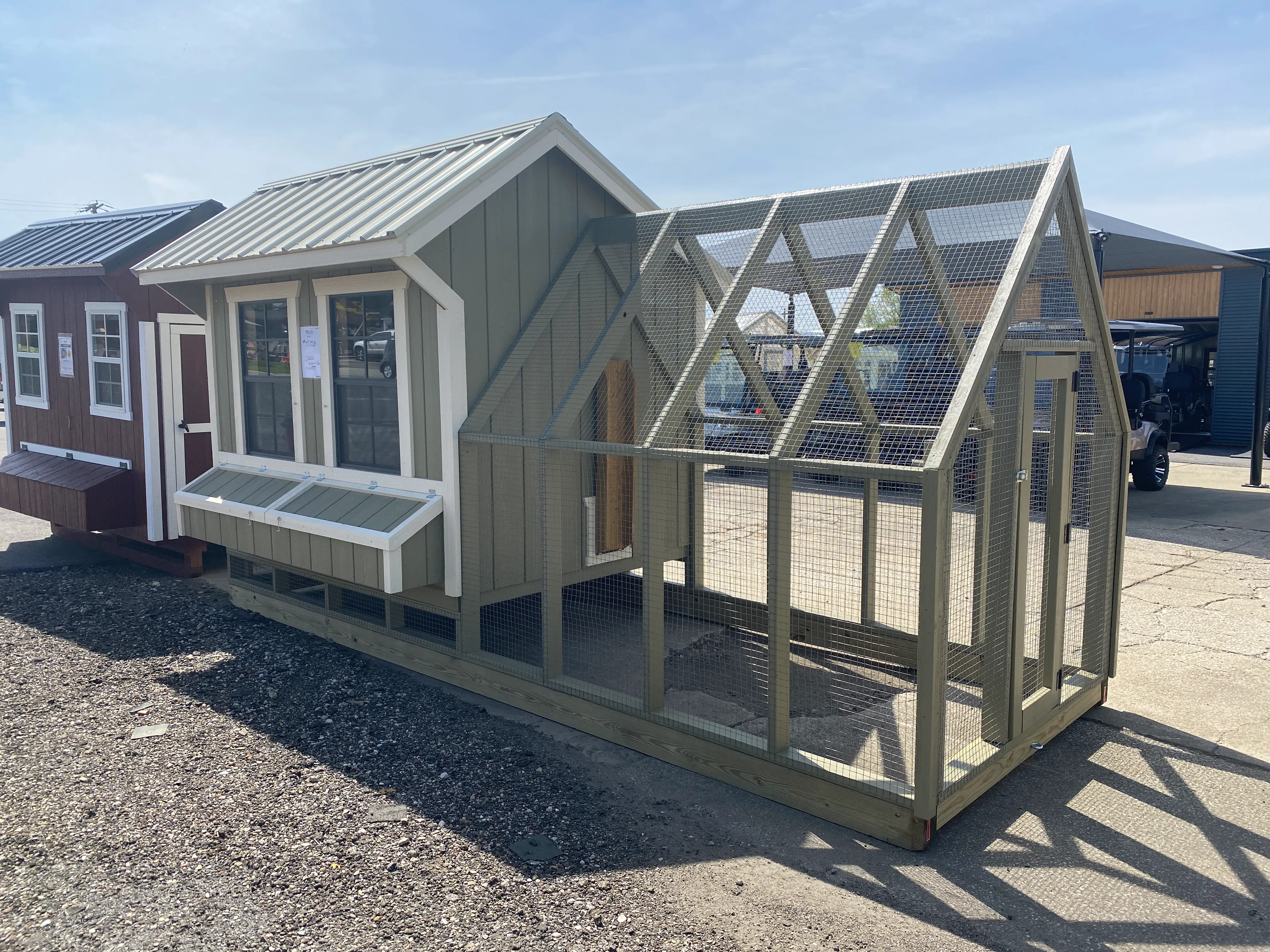
Indoor coop space matters, but chickens also benefit from a secure outdoor area. A common planning range is around 8 to 10 square feet of run space per standard chicken. More room is even better when the property allows it. Outdoor space gives chickens room to walk, scratch, dust bathe, explore, and move away from dominant flock members. A larger run can also reduce wear on the ground because the birds spread their activity across a wider area.
The run should connect easily to the coop and include secure fencing. Use durable materials that resist predators and weather. Pay attention to the bottom edge because animals may try to dig under the enclosure. Shade is also important during hot weather. Add covered areas where chickens can escape direct sun and rain. Hartville Outdoor Products offers a 6×8 chicken coop with a run that shows how an enclosed shelter and protected outdoor area can work together. When choosing a coop, look at the entire setup rather than only the interior floor dimensions.
Include Roosting And Nesting Space In The Plan
Floor area alone does not determine whether a coop feels comfortable. Chickens spend a large part of the night on roosts, so they need enough bar space to settle without crowding. As a practical starting point, allow around 8 to 12 inches of roosting length per standard bird. Larger breeds may need more. Space the roosts so birds can move between them without falling onto nesting boxes or feeders. Keep them away from direct drafts and place them where cleaning remains easy.
Nesting boxes also need thoughtful placement. You do not need one box for every hen because several hens often share the same box. A common approach is one nesting box for every three to four laying hens. Place the boxes below the main roosting area so birds do not choose them as sleeping spots. Keep them in a quieter part of the coop and make egg collection easy. Nesting boxes, roosts, feeders, and waterers all take up space. That is another reason to build slightly larger than the simple square-foot calculation suggests.
Prevent Problems Caused By Overcrowding
Too many chickens in a small coop can create several problems at once. Birds may compete for roosting space, feeders, water, and nesting boxes. Stress can increase feather pecking and aggressive behavior. More birds also produce more moisture and manure in the same area. This can make bedding dirty much faster and increase odors. Ventilation becomes harder to manage because the coop holds more humidity and airborne particles than the space can comfortably handle.
Watch the flock for signs of crowding. Birds that constantly push each other off roosts or gather tightly around resources may need more space. Strong odors or damp bedding can also indicate that the coop has too many birds for its current ventilation and cleaning schedule. Expanding the outdoor run may help, but it will not solve every indoor crowding issue. If the birds spend long periods inside, the coop itself needs enough space. Providing extra room usually costs less than dealing with health, behavior, and maintenance problems later.
Balance Space With Ventilation And Cleanliness
A large coop can still become unhealthy if it lacks proper ventilation. Chickens release moisture through breathing and manure. That moisture needs a way to escape. Place ventilation openings high on the walls so warm, damp air can leave without creating strong drafts across sleeping birds. Cover openings with secure hardware cloth to keep predators outside. Avoid sealing the coop tightly during cold weather because trapped moisture can create serious problems.
Cleaning also becomes easier when the coop provides enough room. Wide doors, accessible corners, removable bedding, and reachable roost areas can make daily and weekly maintenance faster. Remove wet bedding promptly and keep waterers from leaking onto the floor. The USDA Animal and Plant Health Inspection Service offers official Defend the Flock resources that help poultry keepers improve biosecurity and reduce disease risks. Good spacing, airflow, cleaning, and secure shelter all work together. One feature cannot make up for problems in another area.
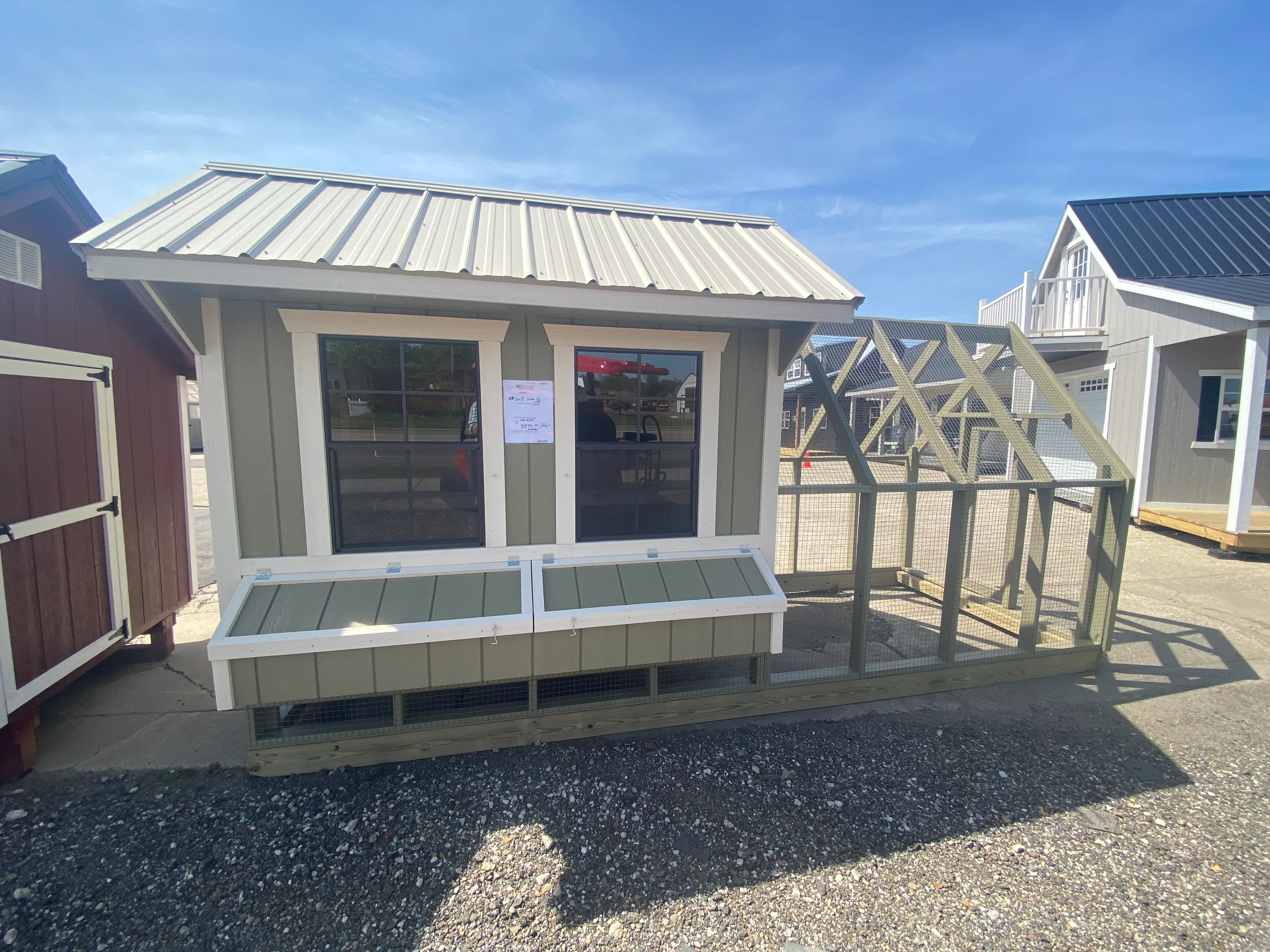
Choose A Coop With Room For Future Growth
Knowing how many sq ft per chicken in coop space you need helps you choose a structure that supports both the birds and your daily routine. Around 3 to 4 square feet per standard chicken is a useful starting point. Larger breeds often need closer to 4 to 5 square feet. Outdoor runs should provide additional room for movement and natural behavior. Remember to account for roosts, nesting boxes, feeders, waterers, and cleaning access when comparing coop sizes.
It also makes sense to plan beyond your current flock. Many chicken owners add birds after the first season. Choosing a slightly larger coop now can prevent overcrowding later. Hartville Outdoor Products offers chicken coops and other outdoor structures designed for practical backyard use. Buyers can compare available sizes and layouts before selecting a structure. Whether you build your own coop or choose a finished option, give the flock enough room to move, rest, feed, and stay comfortable. Extra space can make chicken care easier and help the coop remain useful for many years.