
How long do manufactured homes last is a question many buyers ask when comparing housing options. Manufactured homes have evolved significantly over the past several decades, and modern construction standards differ greatly from early mobile homes built before federal regulation. Today’s manufactured homes must comply with strict HUD code requirements, which establish standards for structural integrity, energy efficiency, plumbing, and electrical systems. When properly installed and maintained, a manufactured home can last several decades. Lifespan depends on factors such as climate, foundation type, maintenance habits, and material quality. Understanding how long do manufactured homes last requires separating outdated assumptions from current building practices. Modern units built after 1976 often demonstrate durability comparable to site-built housing when owners maintain them correctly and install them on stable foundations.
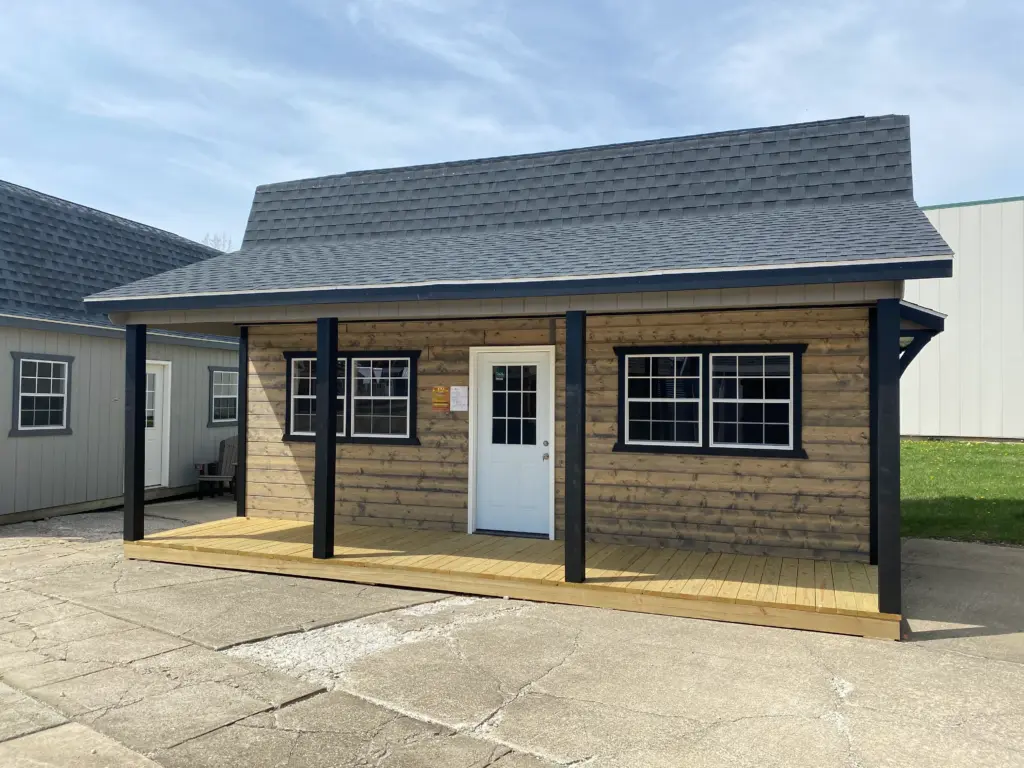
HUD Construction Standards
The durability of manufactured homes improved dramatically after 1976 when the federal government implemented the HUD code. This code established national construction and safety standards that manufacturers must follow. These regulations cover framing strength, wind resistance, insulation levels, and fire safety requirements. Homes built under HUD standards must pass inspection before leaving the factory. This consistency helps answer how long do manufactured homes last in today’s market. Because production occurs in controlled environments, materials remain protected from weather during construction. Factory precision also reduces common site-built errors. While no structure lasts forever without upkeep, modern manufactured homes benefit from standardized engineering that supports long-term performance.
Foundation And Installation Impact
Installation quality directly affects how long a manufactured home lasts. Homes placed on permanent foundations typically experience greater stability and longevity than those resting on temporary supports. A properly engineered foundation distributes weight evenly and protects against soil movement. Anchoring systems also improve resistance to wind uplift and shifting. When evaluating how long do manufactured homes last, buyers should examine whether the home sits on concrete piers, slabs, or basement foundations. Professional installation ensures compliance with local building codes and improves structural durability. Poor setup can lead to settling, cracked walls, or misaligned doors over time. Strong foundations extend the life of any structure.
Climate And Environmental Exposure
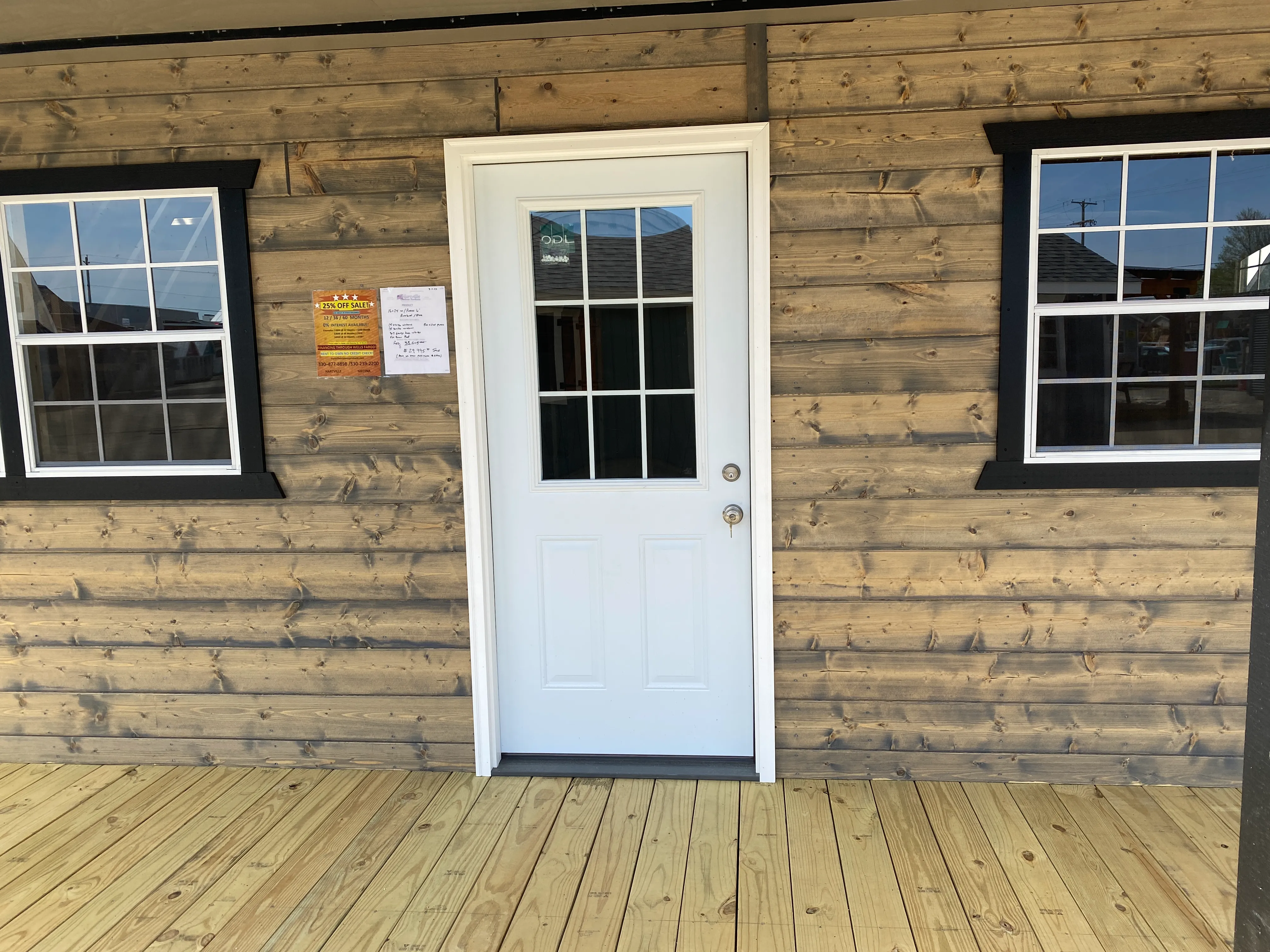
Climate plays a significant role in determining lifespan. Homes in mild climates often last longer because they experience less extreme temperature fluctuation. Regions with heavy snow loads, high humidity, or strong winds demand more maintenance. Moisture intrusion remains one of the biggest threats to longevity. Regular roof inspections and exterior sealing prevent water damage that can shorten lifespan. When asking how long do manufactured homes last, homeowners must consider local weather patterns and environmental stress. Preventative maintenance reduces deterioration and protects structural components from long-term damage.
Maintenance And Upkeep
Routine maintenance extends the life of manufactured housing significantly. Roof resealing, skirting inspection, plumbing checks, and HVAC servicing all protect structural integrity. Neglect accelerates wear, while consistent care preserves value. Replacing worn siding or updating insulation improves both efficiency and durability. Many modern manufactured homes use materials comparable to site-built homes, which respond well to standard home maintenance practices. Owners who treat manufactured homes as permanent residences rather than temporary housing often see decades of service. Lifespan depends less on construction type and more on maintenance discipline.
Estimated Lifespan Of Manufactured Homes By Condition
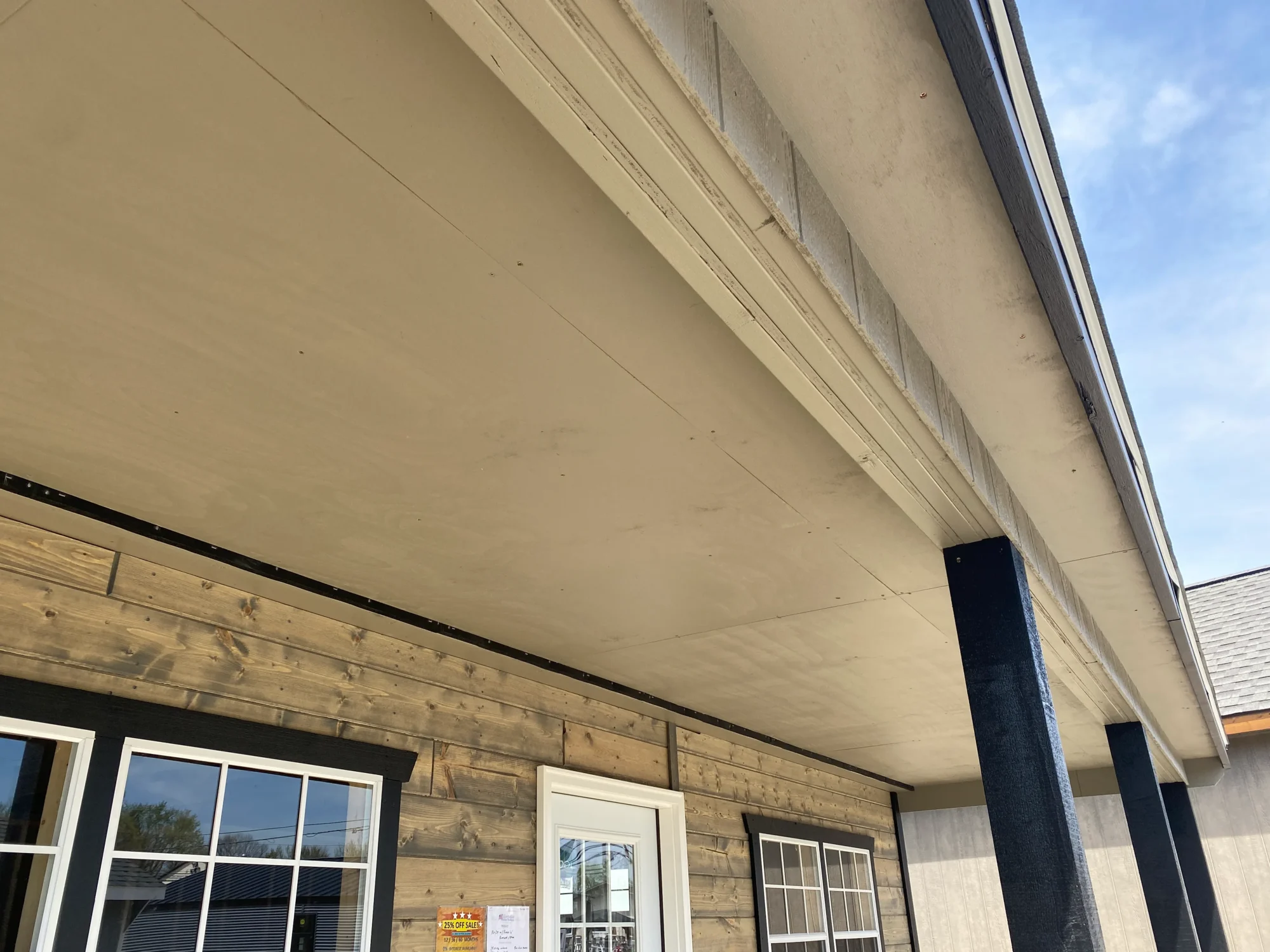
The following table provides a general estimate of how long manufactured homes last under different conditions. Actual lifespan depends on installation quality, climate exposure, maintenance consistency, and structural upgrades over time.
| Condition Of Home | Foundation Type | Maintenance Level | Estimated Lifespan |
|---|---|---|---|
| Pre-1976 Mobile Home | Temporary Blocks Or Metal Frame | Minimal | 20–30 Years |
| Post-1976 HUD-Code Home | Pier And Beam | Moderate | 30–40 Years |
| Post-1976 HUD-Code Home | Permanent Concrete Foundation | Consistent | 40–50+ Years |
| Modern Manufactured Home With Upgrades | Permanent Foundation With Anchoring | High-Level Preventative Maintenance | 50+ Years |
These ranges reflect typical performance patterns observed in properly installed homes. Regular roof inspections, moisture control, foundation stability, and exterior maintenance significantly influence durability. Manufactured housing lifespan improves dramatically when homeowners treat the structure as a permanent residence rather than temporary shelter.
Federal Standards And Long-Term Durability
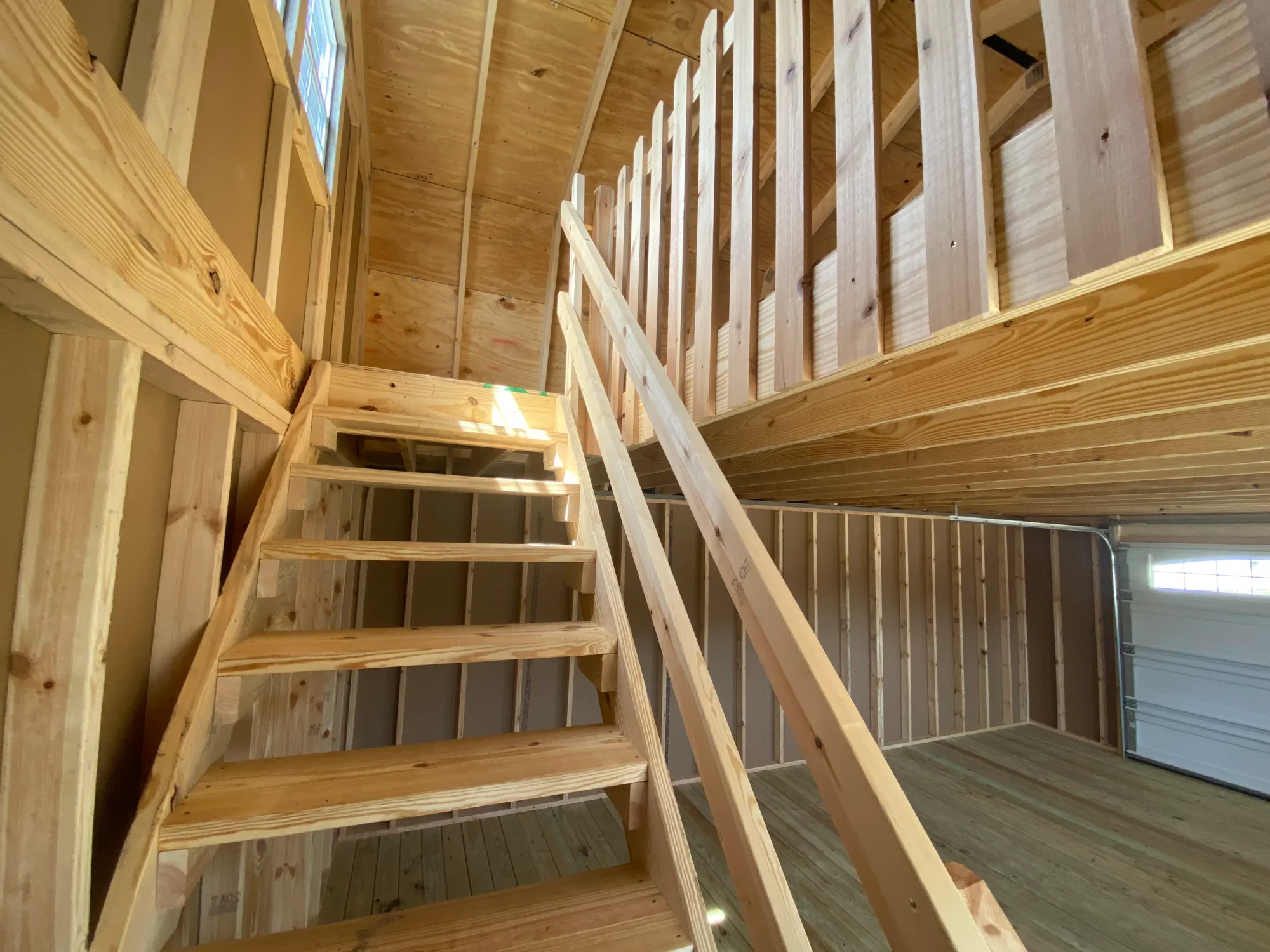
The long-term durability of modern manufactured homes is closely tied to federal construction standards. Since 1976, homes must comply with nationally enforced regulations that address structural design, wind resistance, insulation, plumbing systems, and fire safety. These standards significantly improved the lifespan of manufactured housing compared to earlier mobile homes. The Manufactured Housing Institute explains how federal code requirements strengthened quality control and structural performance across the industry. More information about these standards and how they impact durability can be found through the Manufactured Housing Institute, which outlines how regulated construction improves long-term performance. Compliance with these standards plays a major role in answering how long do manufactured homes last under modern building practices.
Resale Value And Longevity
Lifespan also affects resale value. Homes that receive consistent maintenance retain condition and market appeal longer. Buyers often inspect roofing condition, flooring stability, and foundation quality before purchasing. Well-maintained manufactured homes can provide reliable housing for decades while maintaining structural integrity. Updates such as modern siding or improved insulation extend useful life. The more permanent the installation, the stronger the long-term value tends to be. Longevity connects directly to maintenance investment over time.
Storage And Property Planning Considerations
Property planning around manufactured housing often includes additional storage structures. Homeowners frequently add outdoor buildings to protect tools, equipment, and seasonal items. A structure such as a 10×16 Victorian allows homeowners to reduce clutter inside the home and maintain interior condition. Keeping heavy equipment and moisture-prone items outside the main living space helps preserve flooring and structural elements. Thoughtful property organization supports overall home longevity.
Long-Term Property Improvements
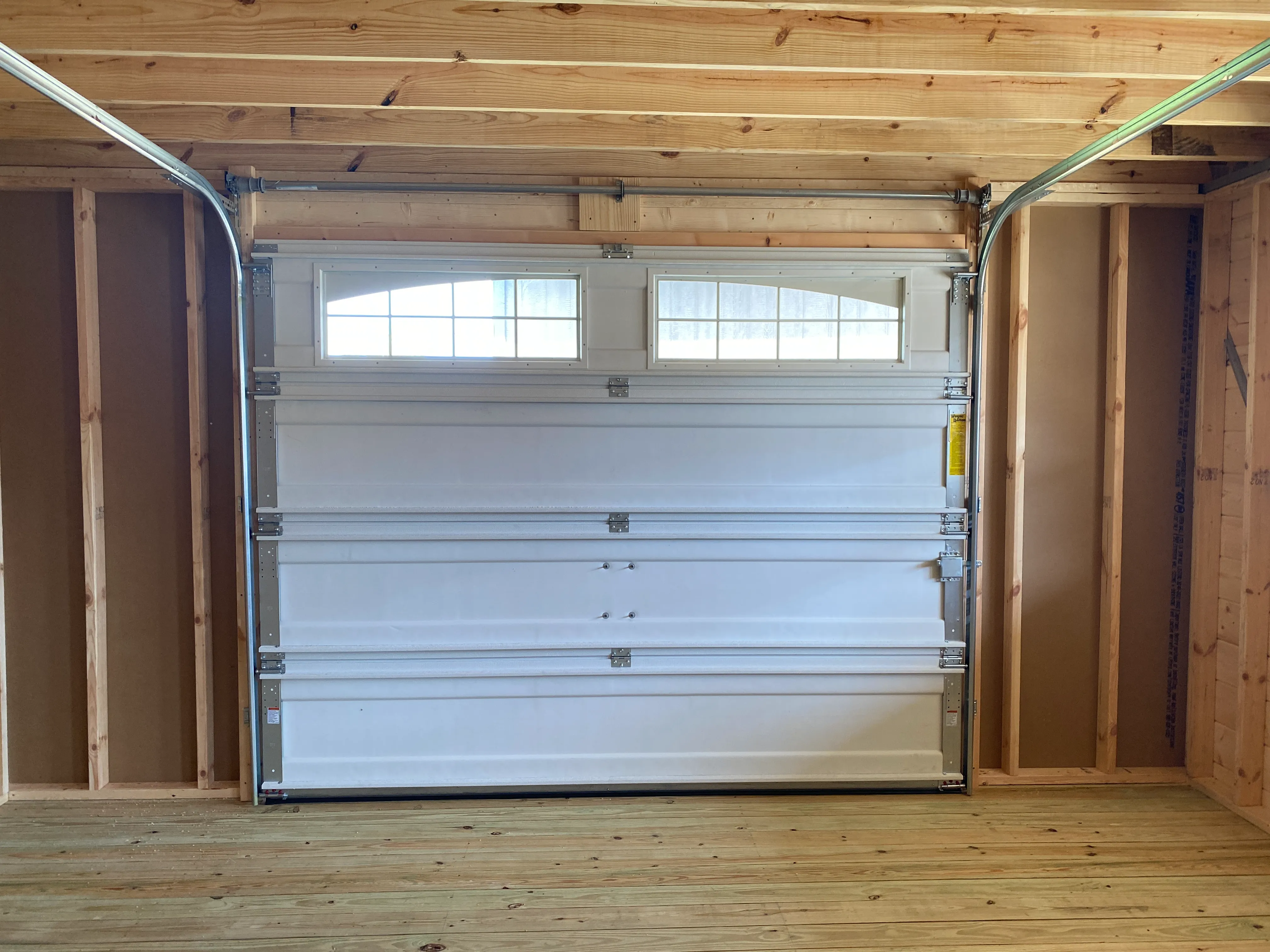
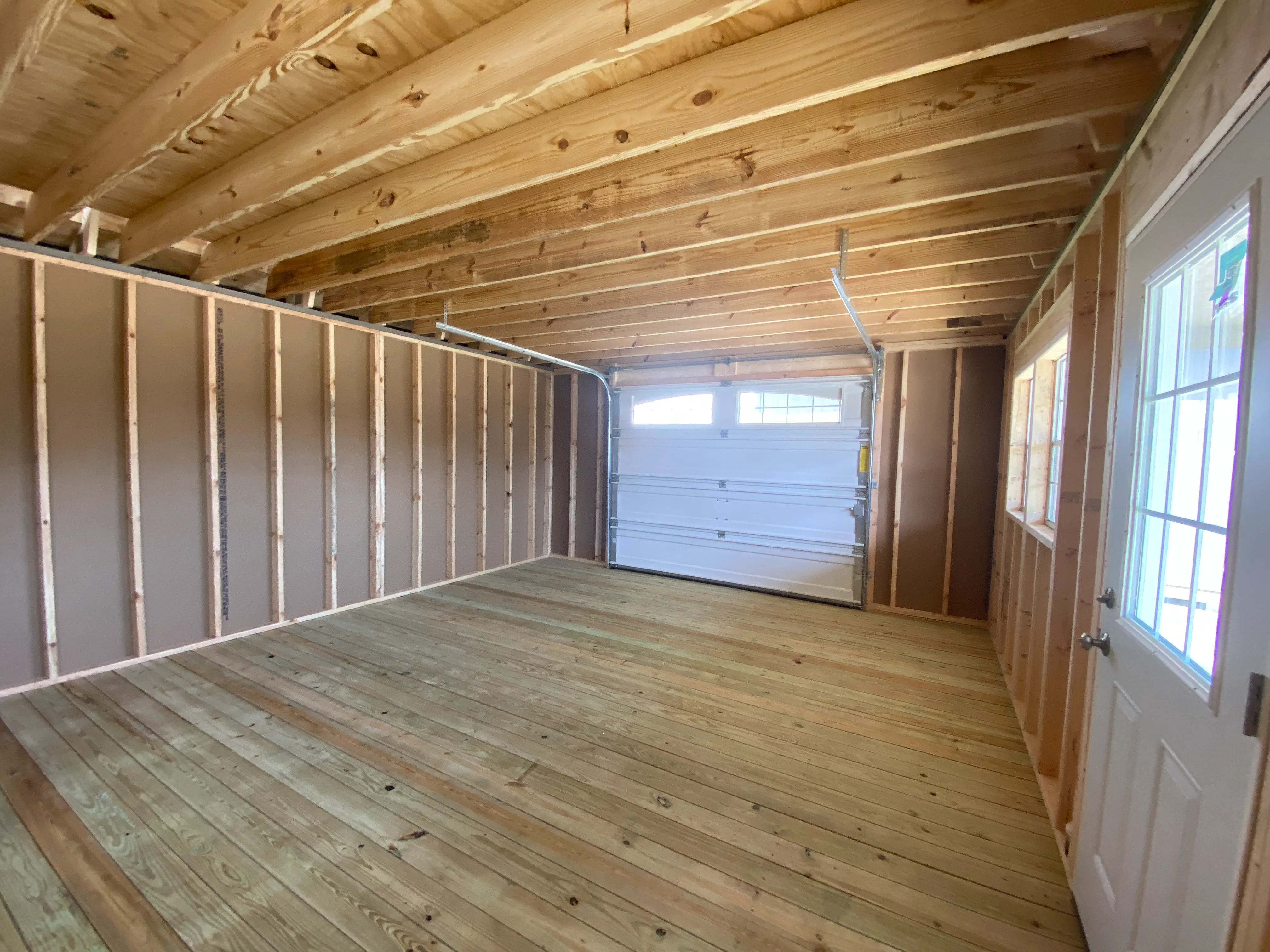
Many homeowners also expand functionality by adding larger storage or garage structures to their property. A durable building such as a 14×14 Executive Modern Garage creates secure space for vehicles and tools, reducing wear inside the manufactured home itself. Protecting equipment outdoors prevents unnecessary stress on interior systems. Strategic property upgrades improve convenience while supporting the main structure’s condition. Proper planning strengthens the long-term performance of both home and property.
Conclusion
How long do manufactured homes last depends on construction standards, installation quality, climate exposure, and ongoing maintenance. Modern manufactured homes built under HUD code can last several decades when properly cared for and installed on stable foundations. Longevity reflects attention to upkeep and environmental protection rather than outdated stereotypes. For homeowners looking to enhance property functionality and protect long-term value, Hartville Outdoor Products offers storage and building solutions that complement residential properties while supporting organization and durability.