
How Deep Should A Bench Seat Be
Estimated reading time: 8 minutes
A comfortable bench seat is usually between 15 and 20 inches deep, but the ideal measurement depends on how and where the bench will be used. Dining benches often work best around 16 to 18 inches, while outdoor seating may need extra depth for cushions and relaxation. Choosing the wrong dimensions can make even the best-looking bench feel uncomfortable after only a few minutes of sitting. That is why understanding how deep should a bench seat be is more important than many homeowners realize. The right depth affects posture, legroom, comfort, and how functional the seating feels in everyday use. Whether you are planning a dining area, upgrading patio seating, or adding a bench to an entryway, knowing the proper dimensions helps you avoid common sizing mistakes and create a setup that feels both practical and inviting.

Standard Bench Seat Depth Measurements
Most standard bench seats provide enough sitting space for most adults while still supporting a comfortable posture. Dining benches usually stay closer to 16 to 18 inches because they need to position people at the proper distance from the table. Benches used for lounging or outdoor relaxation often have slightly deeper seating to allow a more comfortable sitting position. Understanding how deep should a bench seat be starts with knowing how the seating will actually be used. The right depth should allow people to sit comfortably without needing to lean forward or slide awkwardly toward the edge.
Recommended Bench Depth By Seating Type
| Bench Type | Recommended Depth | Best Use |
|---|---|---|
| Dining Bench | 16–18 Inches | Comfortable upright seating for meals |
| Outdoor Patio Bench | 18–20 Inches | Relaxed seating with cushions |
| Entryway Bench | 14–17 Inches | Compact seating for smaller spaces |
| Storage Bench | 15–18 Inches | Balanced comfort with built-in storage |
| Bench With Backrest | 18–20 Inches | Extended sitting comfort and support |
| Backless Bench | 15–17 Inches | Flexible seating with easier movement |
Bench Depth For Dining Areas
Dining benches require careful sizing because comfort directly affects how people sit during meals. If the seating area is too deep, users may struggle to sit close enough to the table comfortably. For most dining setups, a depth of around 16 to 18 inches works best because it creates enough room without forcing poor posture. Proper spacing between the seating and the table is also important for legroom and movement. Many homeowners underestimate how much bench depth affects dining comfort until they begin using the furniture daily. Keeping dimensions balanced ensures the seating remains practical for long meals and gatherings.
Outdoor Bench Seating Recommendations
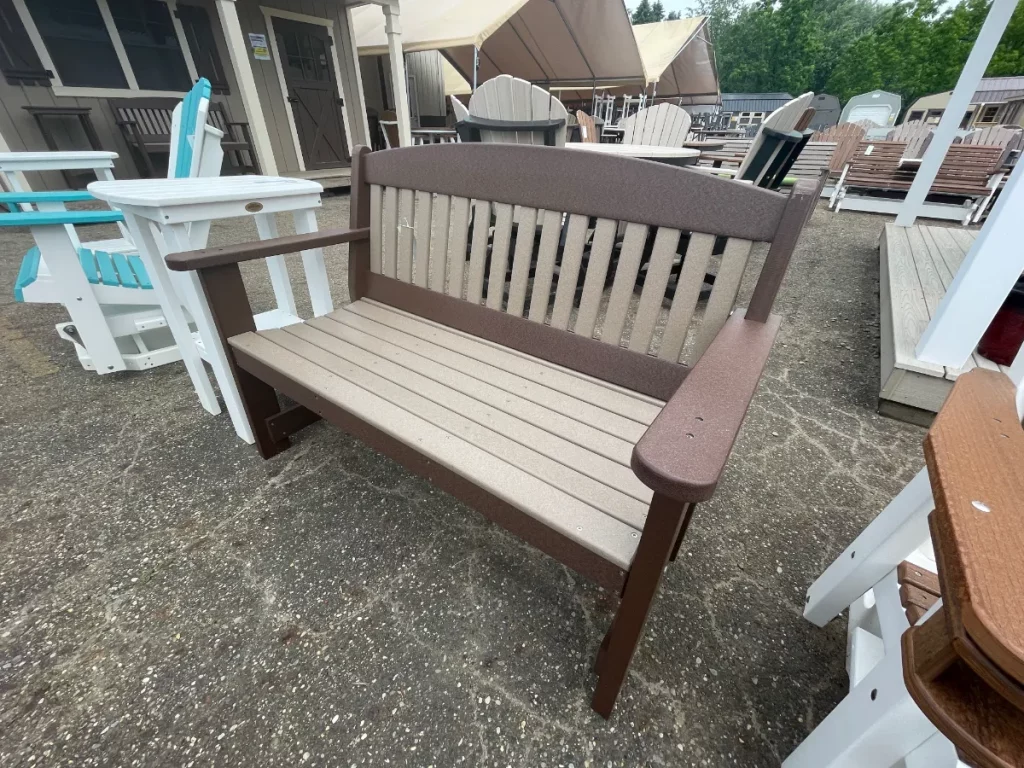
Outdoor seating often benefits from slightly deeper dimensions because the purpose is usually relaxation rather than an upright dining posture. Benches designed for patios, gardens, or fire pit areas commonly range from 18 to 20 inches deep. This extra space allows room for cushions and encourages a more comfortable seating position. Outdoor benches also need to balance comfort with durability since weather exposure can affect materials over time. Homeowners shopping for durable seating often explore high quality outdoor patio furniture that combines comfort, weather resistance, and long-term usability. Understanding how deep should a bench seat be for outdoor spaces helps homeowners choose seating that feels inviting while still fitting naturally within the area.
How Cushions Affect Bench Depth
Cushions can significantly change how a bench feels, which is why they should always be considered during sizing. Thick cushions reduce usable seating space and can make a bench feel shallower than intended. Because of this, benches designed with cushions often need slightly deeper dimensions to maintain comfort. For example, a bench with several inches of padding may require a depth closer to 20 inches rather than the standard 16 to 18 range. Ignoring cushion thickness can result in seating that feels cramped after the cushions are added. Proper planning ensures the finished setup remains comfortable and visually balanced.
Bench Height And Seating Comfort
Depth is important, but overall comfort also depends on height. Most benches are built around 18 inches high, which aligns with standard dining table measurements and allows most people to sit naturally with their feet flat on the floor. If the bench is too low, sitting and standing become uncomfortable. If it is too high, leg positioning may feel awkward. Combining the correct height with proper seating depth creates a more supportive and usable design. These dimensions work together to determine how comfortable the bench feels during everyday use.
Entryway And Storage Bench Sizing
Entryway benches often serve multiple purposes beyond seating. Many include built-in storage for shoes, bags, or seasonal items. Because these benches are used for shorter sitting periods, they can sometimes be slightly shallower than dining or patio seating. Depths around 14 to 17 inches are common in these spaces because they save room while still providing practical seating. Storage benches also need enough interior space to remain functional without making the furniture feel oversized. Finding the right balance between storage and comfort is key when designing or selecting entryway seating.
Choosing Bench Dimensions For Small Spaces
Smaller rooms require careful planning because oversized furniture can quickly make a space feel crowded. In compact dining nooks or narrow hallways, a slightly shallower bench helps maintain open walkways and better movement throughout the room. Benches without backs are also useful in smaller areas because they can slide neatly under tables when not in use. Understanding how deep should a bench seat be in compact spaces allows homeowners to maximize functionality without overwhelming the layout. The goal is to maintain comfort while still preserving visual openness.
Comfort And Ergonomics Matter
Bench seating should support natural posture and allow people to sit comfortably for extended periods. A seat that is too deep often forces shorter individuals to lean forward because their feet cannot rest naturally on the floor. On the other hand, shallow seating may not provide enough thigh support. Proper ergonomics improve comfort and make the furniture more practical for everyday use. Thinking about how different people will use the seating helps ensure the dimensions work well for a variety of body types and sitting styles.
Material Choice Influences Design
The material used for a bench affects both appearance and functionality. Wooden benches remain popular because of their strength, durability, and timeless style. Metal and composite materials are also common, especially for outdoor seating. The material choice can influence thickness, weight, and overall design flexibility. Outdoor benches, in particular, benefit from materials that resist weather and moisture. Selecting high-quality materials helps ensure the bench remains durable and comfortable over time.
Common Mistakes When Choosing Bench Depth
One of the biggest mistakes people make is focusing only on appearance instead of usability. A bench may look stylish but still feel uncomfortable if the dimensions are incorrect. Another common issue is forgetting to account for cushions or table spacing. Some benches are also chosen without considering who will use them most often. Children and adults may require different levels of support and spacing. Understanding how deep should a bench seat be helps avoid these mistakes and leads to furniture that performs well in everyday life.
Why Proper Bench Sizing Matters
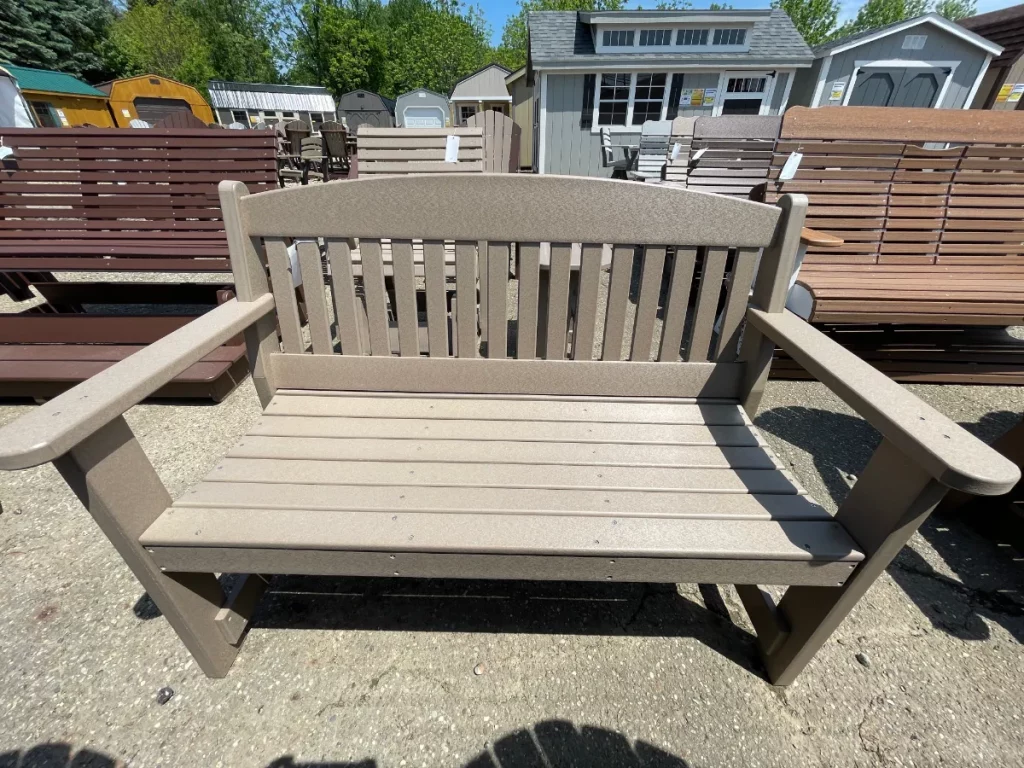
Well-designed seating improves both comfort and functionality within a space. Correct dimensions allow people to sit naturally, move comfortably, and enjoy the area for longer periods. Poorly sized benches often become decorative rather than practical because they are uncomfortable to use. Paying attention to seating depth, height, and spacing creates furniture that works better and lasts longer. These details may seem small, but they make a noticeable difference in daily comfort and usability.
Expert Recommendations On Seating Dimensions
According to furniture design guidance from The Spruce, proper seating dimensions are essential for maintaining comfort and supporting posture during daily use. Recommendations typically fall within the standard 15 to 20 inch range because it accommodates most adults comfortably. Understanding these guidelines helps homeowners make more informed decisions when selecting or customizing seating for their home.
Conclusion
Choosing the correct bench dimensions has a bigger impact on comfort than most homeowners expect. A seat that is too shallow can feel cramped, while one that is too deep may create awkward posture and reduce usability. Understanding how deep should a bench seat be helps create seating that feels natural, supportive, and practical for everyday use. Dining areas, patios, entryways, and outdoor gathering spaces all benefit from slightly different measurements depending on how the seating will be used. Paying attention to depth, height, cushions, and overall ergonomics ensures the furniture remains comfortable long after installation. For homeowners looking to improve outdoor living spaces with durable and well-designed seating, Hartville Outdoor Products offers quality outdoor furniture built for long-term comfort, functionality, and everyday enjoyment.