
How Big is a POD Storage Container?
Portable storage containers offer a flexible way to handle moving, remodeling, decluttering, or temporary storage without making repeated trips to a traditional facility. Before reserving one, however, it is important to know whether the container will fit your belongings and the available space on your property. So, how big is a POD storage container? The most common PODS container lengths are 8 feet, 12 feet, and 16 feet, with exterior widths and heights generally ranging from about 7 to 8 feet. Each size supports a different type of move, from single-room storage to the contents of a small home. Understanding the dimensions, usable capacity, driveway requirements, and storage-unit equivalents helps homeowners choose a container that is large enough without paying for unnecessary space.
PODS containers commonly come in 8-foot, 12-foot, and 16-foot lengths, with the right choice depending on your inventory, property access, and moving distance.
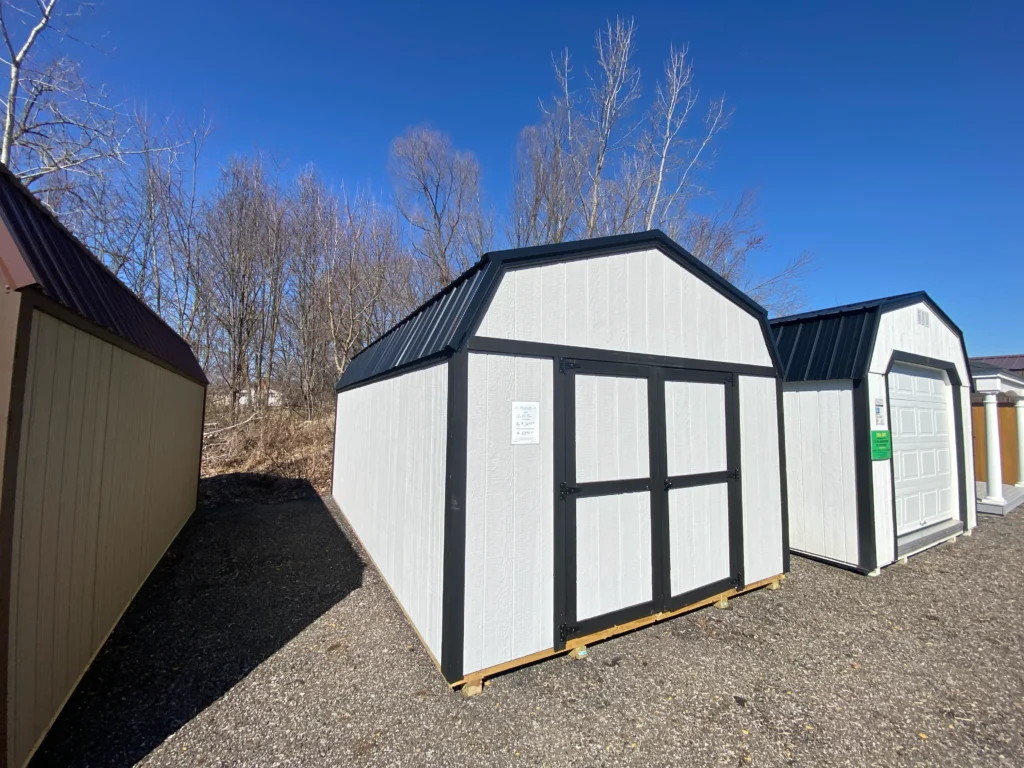
Standard POD Storage Container Sizes
PODS commonly offers three container sizes for residential moving and storage. The 8-foot model measures approximately 8 feet long, 7 feet wide, and 8 feet high. It suits dorm rooms, studio apartments, garage cleanouts, and smaller renovation projects. The 12-foot container measures about 12 feet long, 8 feet wide, and 8 feet high. It generally works for local apartment moves or belongings from roughly 500 to 800 square feet of living space. The 16-foot container measures about 16 feet long, 8 feet wide, and 8 feet high. It is the largest standard residential option and commonly fits belongings from up to about 1,200 square feet. Actual capacity depends on furniture size, packing efficiency, and the shape of stored items.
POD Container Size Comparison
| Container Size | Approximate Exterior Dimensions | Comparable Storage Unit | Typical Use |
|---|---|---|---|
| 8-Foot | 8′ × 7′ × 8′ | About 5′ × 10′ | Studio, dorm, one room, or small cleanout |
| 12-Foot | 12′ × 8′ × 8′ | About 10′ × 10′ | One-bedroom apartment or local renovation |
| 16-Foot | 16′ × 8′ × 8′ | About 10′ × 15′ | Two-bedroom home, larger move, or renovation |
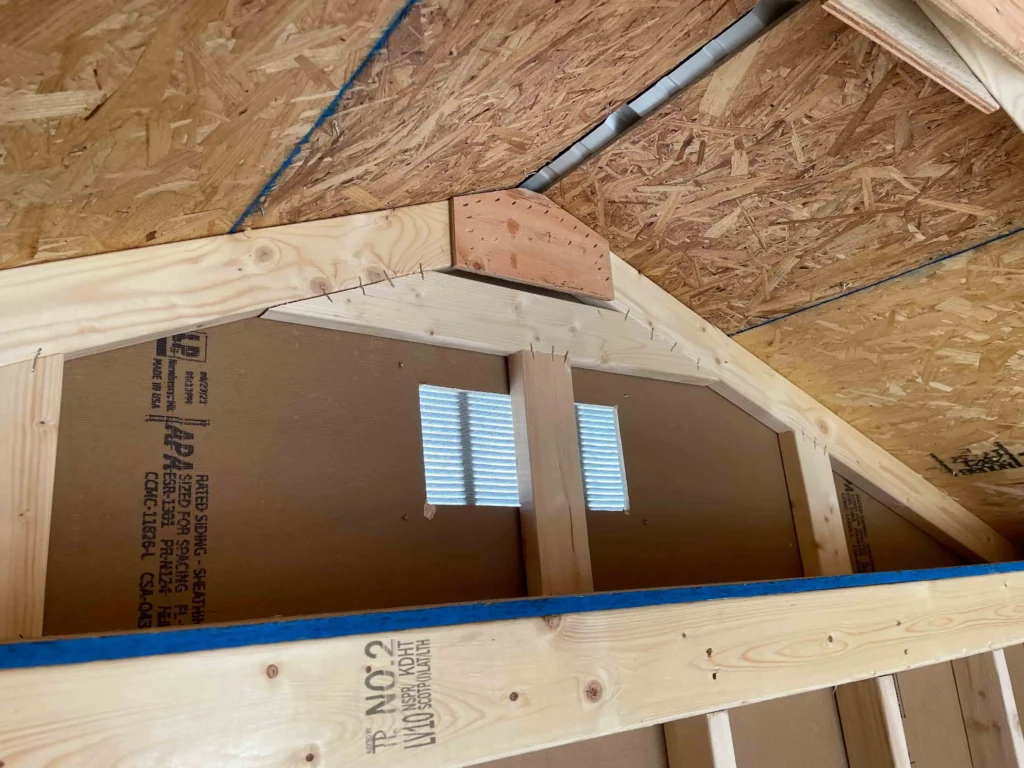
Exterior And Interior Space
Published container measurements usually describe the exterior dimensions. The usable interior space will be slightly smaller because wall panels, framing, doors, and structural components take up room. Container dimensions may also vary slightly between models. For that reason, homeowners should use the published measurements as planning estimates rather than exact interior clearances. Before loading oversized furniture, appliances, or equipment, confirm the available door opening and interior dimensions directly with the provider. Measuring large items in advance also reduces the risk of discovering that a sectional, mattress, or appliance will not fit through the entrance.
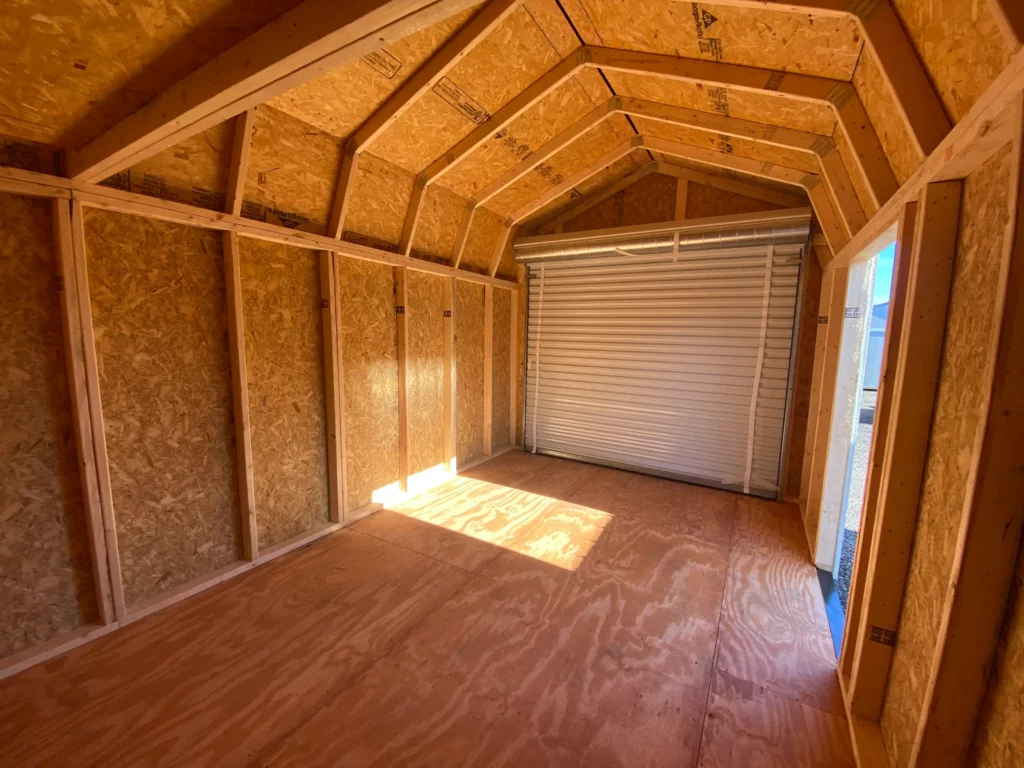
How POD Sizes Compare To Storage Units
An 8-foot PODS container is generally comparable to a 5-by-10-foot self-storage unit. A 12-foot container offers space similar to a 10-by-10-foot unit, while a 16-foot model is commonly compared with a 10-by-15-foot unit. These comparisons provide a useful starting point, but packing style matters. A portable container has fixed dimensions and must be packed efficiently from floor to ceiling. Traditional storage units may offer easier walk-in access, while portable containers provide the convenience of ground-level loading at home. The right choice depends on whether mobility, frequent access, or long-term storage matters most.
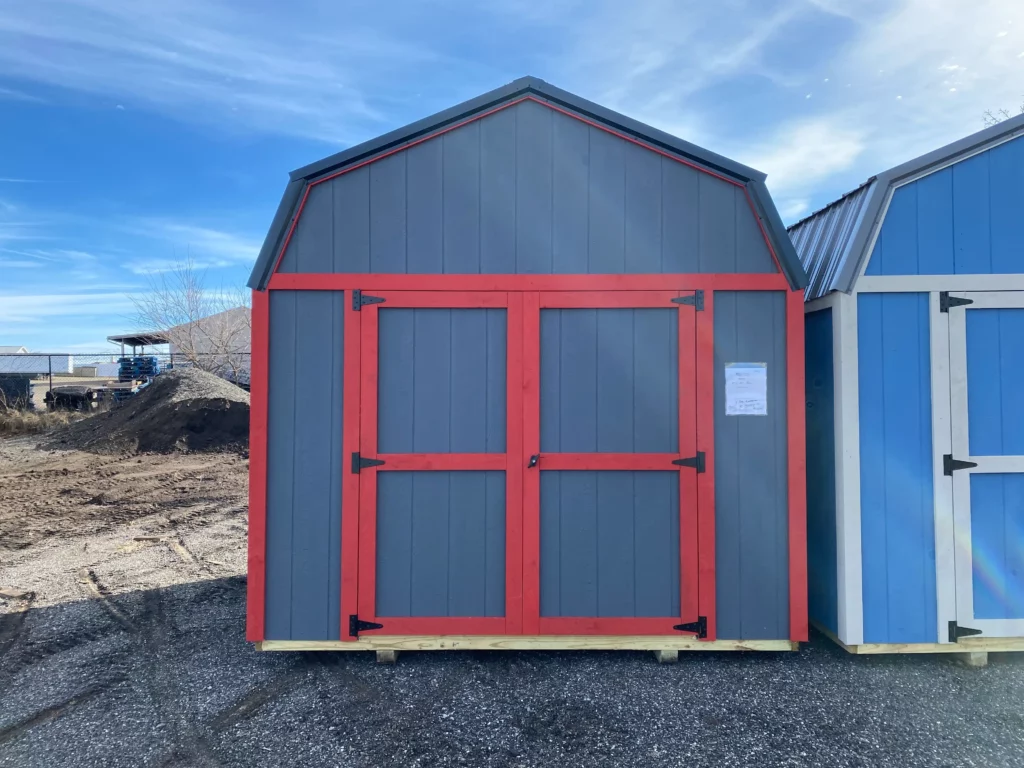
Driveway and Placement Considerations
Before ordering, homeowners often wonder if a POD will fit in their driveway or parking space. A standard single-car driveway is usually about 10 feet wide, which accommodates any size POD with clearance to spare. Length, however, is a key factor—especially for the 16-foot container, which may extend into sidewalks or roadways.
Check for overhead obstructions like trees, power lines, or eaves that may interfere with delivery. PODS are delivered using a patented hydraulic lift system that gently places the container on the ground. For hilly or uneven terrain, it’s best to consult with the PODS delivery team to confirm feasibility.
Use Cases Based on Container Size
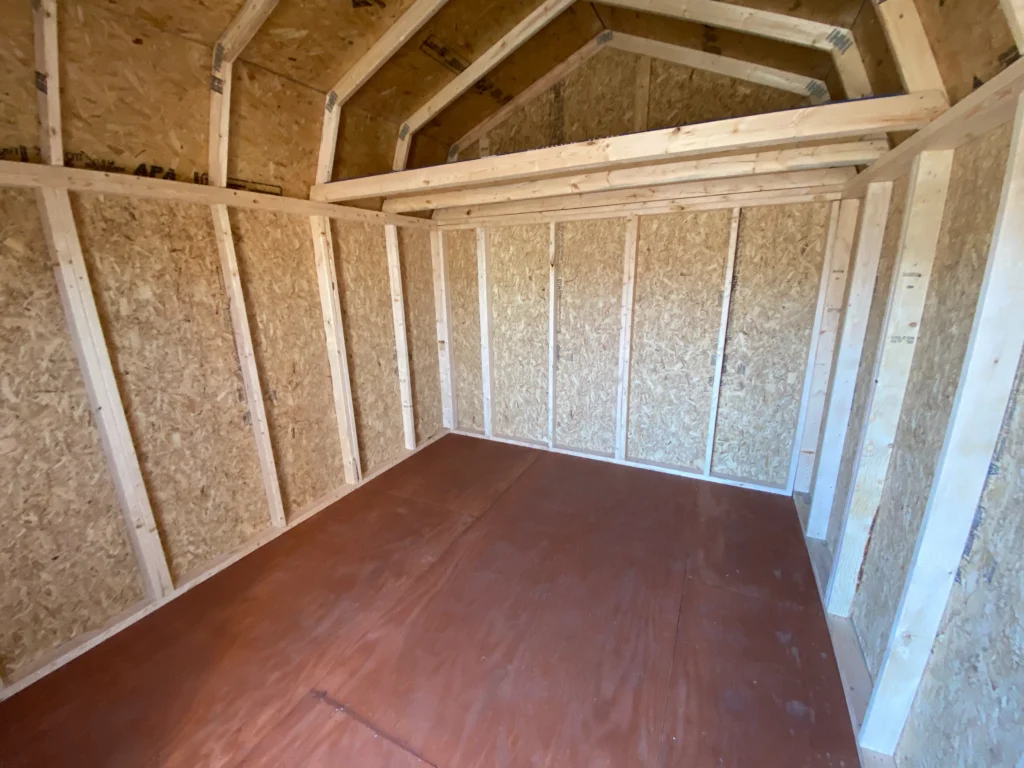
The size of the POD storage container you choose should reflect the volume and type of belongings you plan to store or move.
- 8-foot POD: Best for college dorm moves, decluttering a single room, or storing small office supplies.
- 12-foot POD: Ideal for 1-bedroom apartments or small home renovations.
- 16-foot POD: Recommended for 2–3 bedroom homes, medium renovation projects, or storing seasonal equipment.
For people unsure about what size to choose, it’s always safer to go slightly larger. Overpacking or cramming items into a too-small container can lead to damage and inefficiencies.
How POD Sizes Affect Moving Costs
The size of the POD directly influences cost. Larger containers generally cost more due to increased space and weight. Rates also depend on location, duration, and whether you choose on-site storage or transportation to a storage center. Be sure to compare pricing tiers and inquire about any fees related to distance, duration, or extended rentals.
While PODS are a commercial brand, similar portable storage services exist, often with slightly different container dimensions.
Climate and Environmental Considerations
POD storage containers are weather-resistant, but they are not climate-controlled. If you plan to store electronics, artwork, or temperature-sensitive materials, consider insulating your belongings or using alternate storage.
For outdoor POD use during extreme seasons, covering sensitive items with thermal blankets or placing moisture absorbers inside the unit can help mitigate humidity and temperature shifts.
Homeowners can further protect their stored goods by placing PODS near shaded structures or inside weather-resistant buildings. Hartville Outdoor Products offers custom garages and sheds that can house containers or serve as alternative long-term storage solutions.
PODS vs. Traditional Shed or Garage Storage
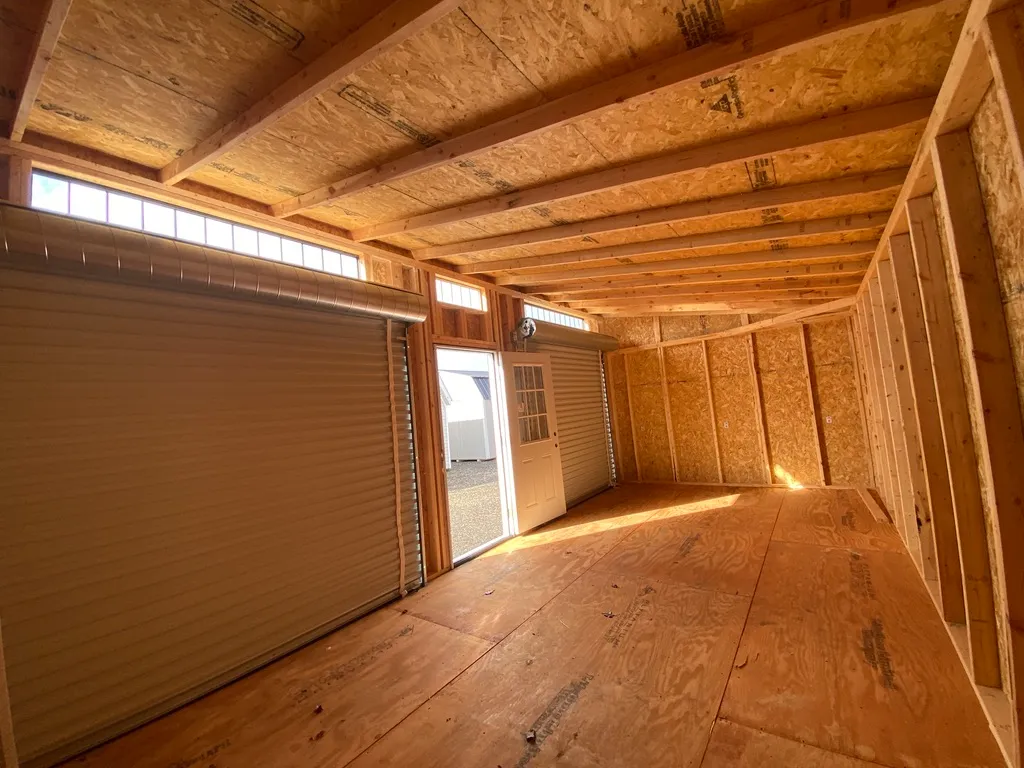
For those with extra space on their property, building a permanent storage solution may be more cost-effective in the long run. PODS are ideal for temporary use but may not be the best solution for years-long storage. Custom sheds and garages offer better climate control, access, and long-term savings.
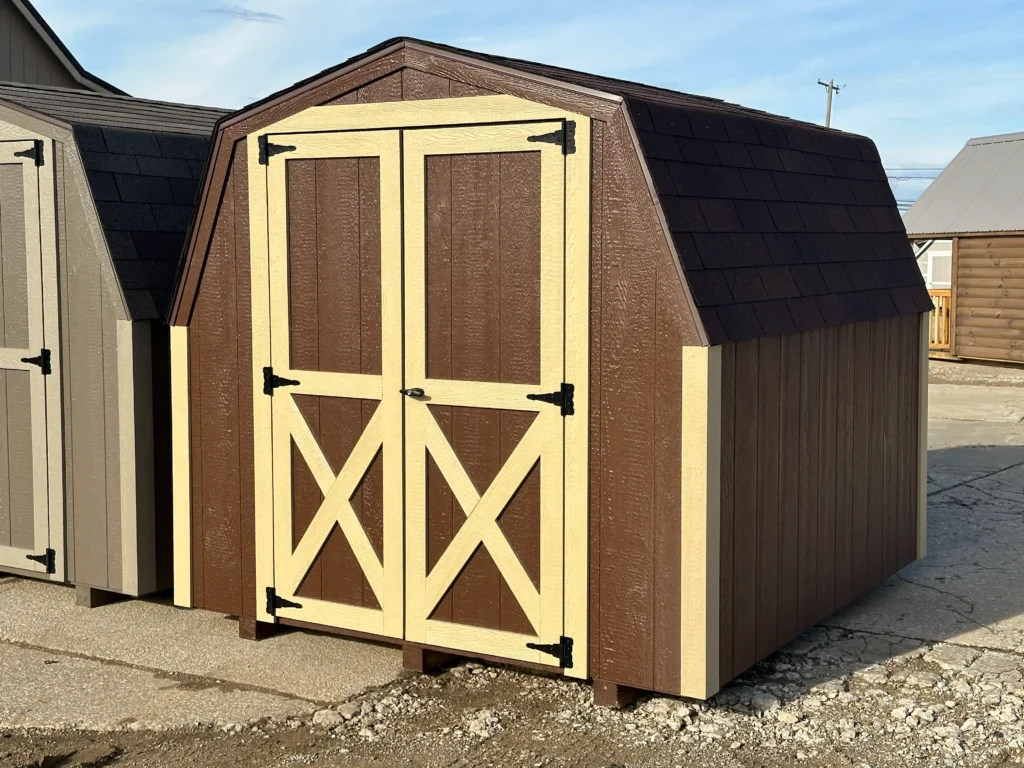
Hartville Outdoor Products specializes in prefab buildings and storage solutions that can be used year-round without recurring rental fees. If you’re considering a POD to store lawn equipment, holiday decorations, or seasonal furniture, investing in a permanent structure could be the smarter move.
Conclusion
So, how big is a POD storage container? The most common residential options are 8, 12, and 16 feet long, with widths and heights of roughly 7 to 8 feet. The smallest size works well for partial loads and compact moves, while the 16-foot option can handle furnishings from a larger apartment or small home. Choosing the right size requires more than comparing length. Homeowners should also consider driveway access, door clearance, packing efficiency, rental duration, and how often they need access to stored belongings. Portable containers are practical for temporary projects, but long-term storage needs may be better served by a permanent outdoor building. Hartville Outdoor Products offers durable sheds, garages, and prefab structures for homeowners who want accessible storage without ongoing container rental fees.