
How Are Log Cabins Insulated
Many buyers ask how are log cabins insulated because log walls look very different from standard framed homes. Logs appear solid and dense, which leads some people to believe they do not need insulation at all. In reality, proper insulation plays a major role in comfort, energy efficiency, and long term performance. Log cabins use a combination of natural thermal properties and added insulation methods to control temperature and reduce heat loss. Understanding how these systems work helps buyers choose the right cabin design and avoid comfort issues later.
The Natural Insulating Properties Of Logs
Logs provide natural insulation because wood slows the transfer of heat. Thick logs absorb warmth during the day and release it slowly when temperatures drop, which helps stabilize indoor conditions. This process, often called thermal mass, allows log cabins to feel warmer in winter and cooler in summer when properly designed. While logs resist heat flow better than thin wall materials, they still allow some energy transfer. This means logs alone are not enough to meet modern comfort expectations in most climates. Knowing how are log cabins insulated starts with understanding that logs contribute to insulation, but they work best when paired with additional methods.
Why Log Thickness Matters
The thickness of the logs plays a large role in insulation performance. Thicker logs slow heat movement more effectively than thin logs. Many modern log cabins use logs that are engineered or milled to specific dimensions that balance strength and thermal performance. However, even thick logs have insulation limits. Building codes often require additional insulation values beyond what logs provide on their own. This is why many builders combine solid log walls with other insulating strategies to improve efficiency and comfort. When buyers ask how are log cabins insulated, log thickness becomes one of the first factors to consider.
Sealing Gaps Between Logs
One of the most important insulation steps involves sealing the spaces between logs. As logs settle over time, small gaps can form, allowing air to pass through. Builders use specialized materials like sealants and flexible fillers to close these gaps and prevent drafts. This process helps maintain indoor temperatures and improves energy efficiency. Proper sealing also blocks moisture intrusion and keeps pests out. Without this step, even thick log walls can lose heat quickly. Effective sealing plays a critical role in answering how are log cabins insulated for real world use.
Insulating The Roof And Ceiling
The roof is one of the biggest sources of heat loss in any building, including log cabins. Most heat rises, so proper ceiling insulation is essential. Log cabin roofs usually include traditional insulation materials such as fiberglass batts or rigid foam panels placed above or below the ceiling structure. This insulation prevents heat from escaping during cold months and reduces heat gain during warmer seasons. Roof insulation works alongside the log walls to create a comfortable indoor environment. When discussing how are log cabins insulated, roof insulation often makes the biggest difference in overall performance.
Floor Insulation In Log Cabins
Floors also contribute to temperature control, especially in cabins built over crawl spaces or piers. Cold air moving beneath the cabin can pull heat from the floor if it is not insulated properly. Builders often install insulation beneath the floor system to reduce heat loss and prevent cold spots. In cabins built on concrete slabs, insulation may be placed under or around the slab to limit temperature transfer. Proper floor insulation improves comfort and reduces energy costs, making it a key part of how are log cabins insulated effectively.
Chinking And Its Role In Insulation
Traditional log cabins relied on materials packed between logs to seal gaps and reduce air flow. Modern cabins still use this concept, but with advanced materials designed to expand and contract with the wood. This process improves flexibility and durability. These materials stay bonded to the logs even as they shift with seasonal changes. By controlling air leakage, chinking supports overall insulation performance. It also improves moisture control, which helps protect the structure. Chinking remains a central part of how are log cabins insulated in modern construction.
Using Modern Insulation Materials
Many log cabins include modern insulation materials hidden within framed sections, roofs, and floors. Builders may use spray foam, rigid foam panels, or fiberglass depending on design goals. Spray foam offers strong air sealing and insulation in one step, while rigid foam provides consistent insulation values. These materials improve efficiency without changing the rustic appearance of the cabin. Combining traditional log construction with modern insulation methods helps meet current building standards and comfort expectations. This blend answers how are log cabins insulated in a way that balances tradition and performance.
Energy Efficiency And Air Tightness
Insulation works best when paired with proper air sealing. Even well insulated walls lose efficiency if air leaks are present. Log cabins rely on careful sealing around doors, windows, and roof connections to prevent drafts. Builders pay close attention to these transition points to maintain consistent temperatures inside. Air tightness reduces strain on heating and cooling systems and improves indoor comfort. When buyers want to know how are log cabins insulated, air sealing is just as important as the insulation materials themselves.
Real World Log Cabin Examples
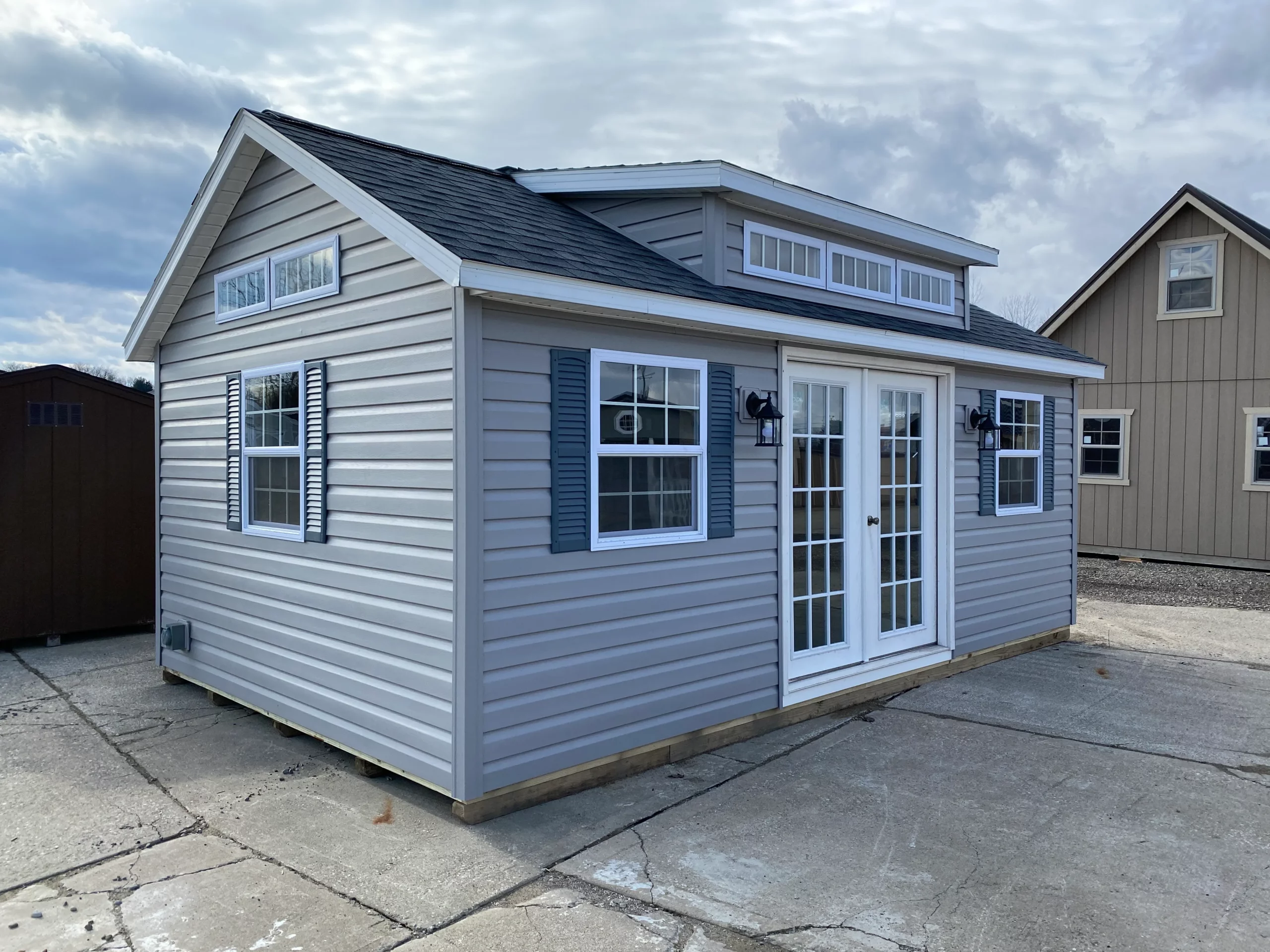
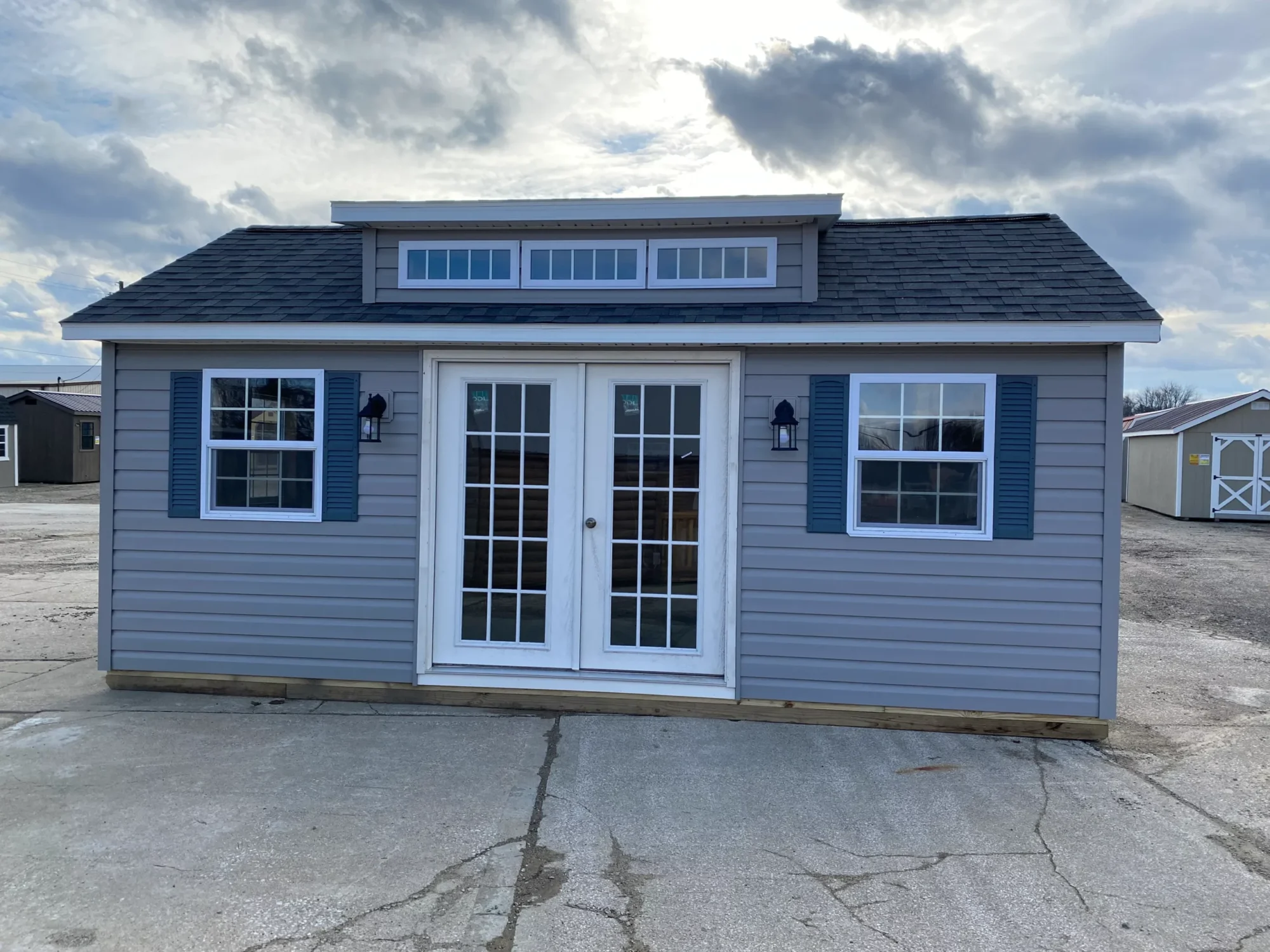
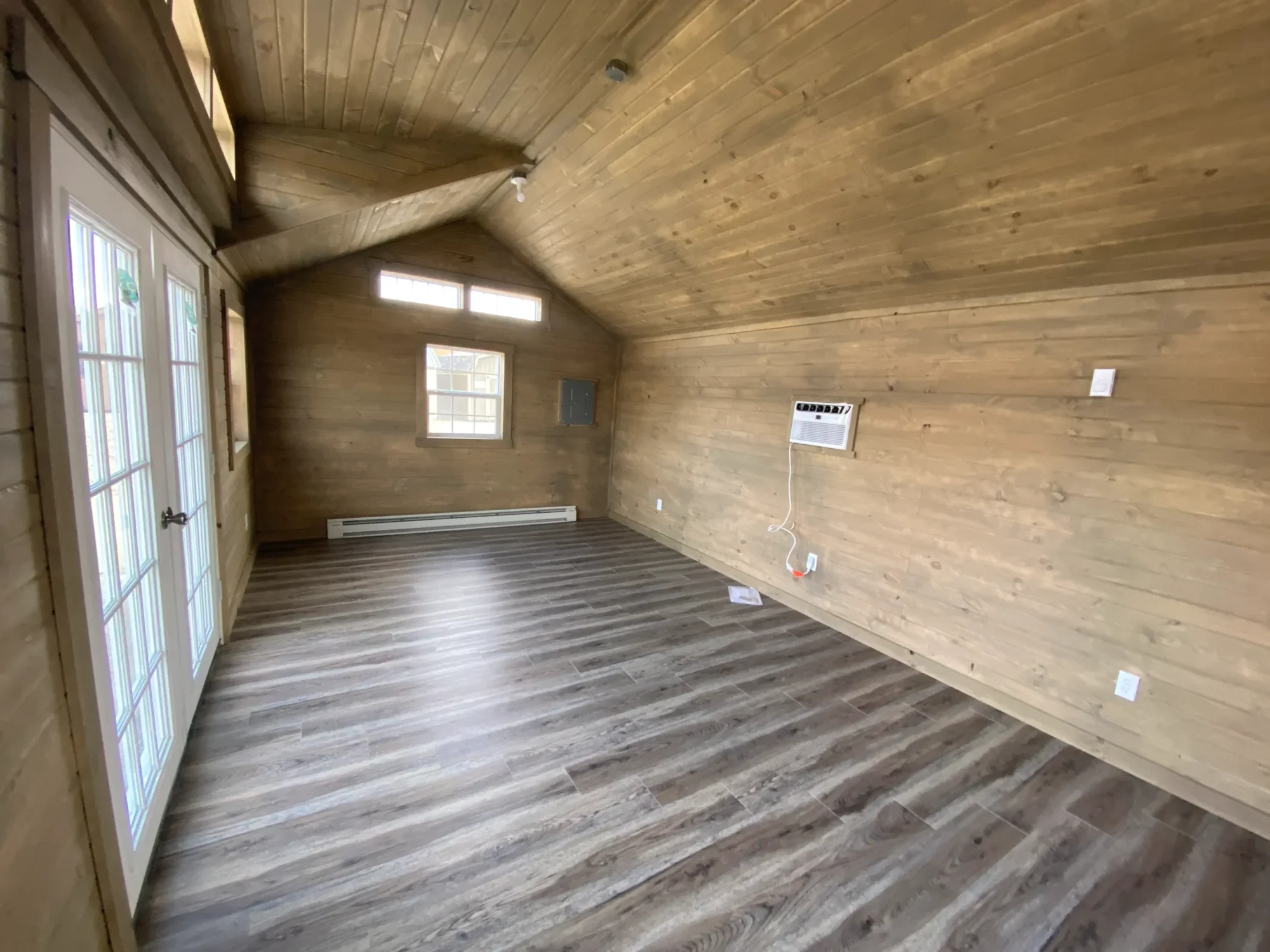
Looking at finished log cabin models helps buyers understand how insulation methods come together in real designs. A structure like the 12×20 Blue Ridge Cabin shows how log walls, roof insulation, sealed joints, and proper floor construction work together to create a comfortable interior. These cabins combine natural materials with proven building techniques to deliver dependable performance throughout the year. Seeing how insulation fits into an actual cabin layout makes the concept easier to understand.
Moisture Control And Insulation
Moisture control plays a major role in insulation performance. When moisture enters walls or roof systems, insulation becomes less effective. Log cabins rely on proper sealing, ventilation, and moisture barriers to protect insulation materials. Managing moisture helps prevent mold, rot, and reduced thermal performance. This protective approach extends the life of the cabin and keeps insulation working as intended. Moisture control is an often overlooked part of how are log cabins insulated properly.
Long Term Performance Of Insulated Log Cabins
Well insulated log cabins perform reliably for decades when maintained properly. Logs settle naturally over time, but modern construction methods account for movement without compromising insulation. Periodic inspection of seals and joints helps maintain efficiency. When insulation systems remain intact, the cabin stays comfortable and energy costs stay manageable. Understanding how are log cabins insulated gives owners confidence that their cabin can handle changing seasons without sacrificing comfort.
Conclusion
Log cabins rely on a combination of natural wood properties, modern insulation materials, and careful sealing to control temperature and maintain comfort. Understanding how are log cabins insulated helps buyers choose designs that perform well in real conditions. If you are exploring quality log cabin options built with dependable insulation systems, visit Hartville Outdoor Products to find cabins designed for strength, comfort, and long term value.