
Homeowners when investing in outdoor living spaces often ask can patio furniture get wet. Patio furniture is designed for exterior use, but that does not mean every material handles moisture the same way. Rain, humidity, morning dew, and snow all expose furniture to water in different forms. Some materials resist moisture naturally, while others require protective finishes or regular maintenance. Knowing how water affects wood, metal, wicker, and fabric cushions helps homeowners protect their investment. Outdoor furniture can get wet, but long-term durability depends on material quality, drainage, and weather exposure. Before assuming all patio furniture performs equally in rain, it is important to examine how specific materials react to moisture and how proper care extends their lifespan.
How Different Materials React To Rain
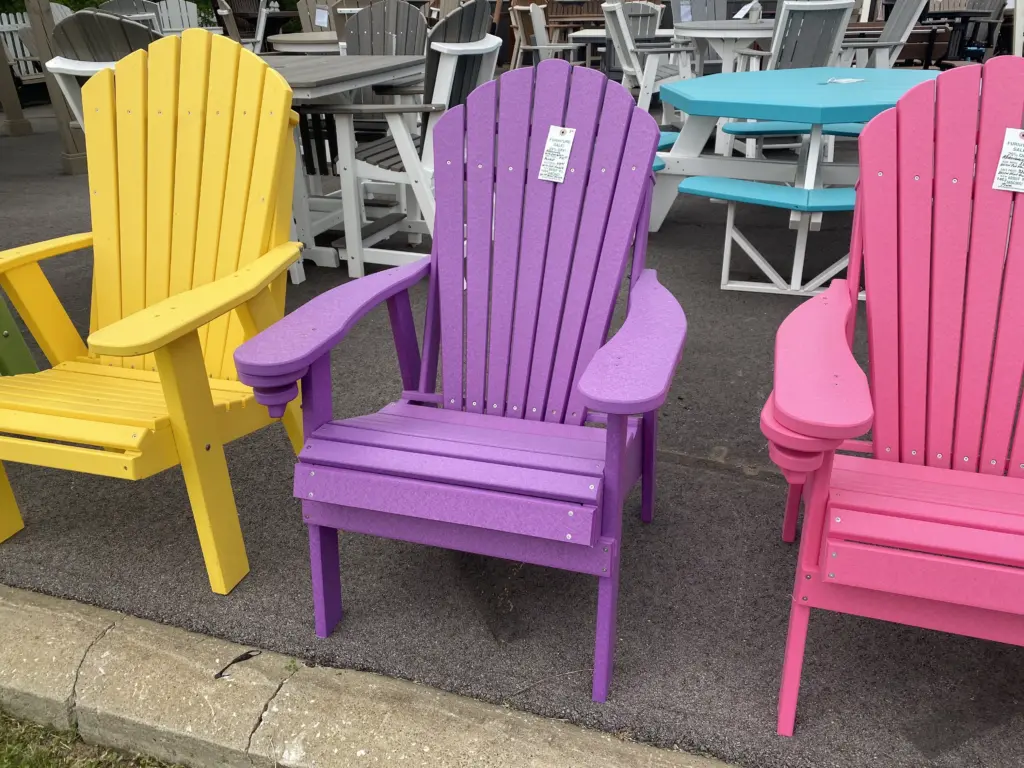
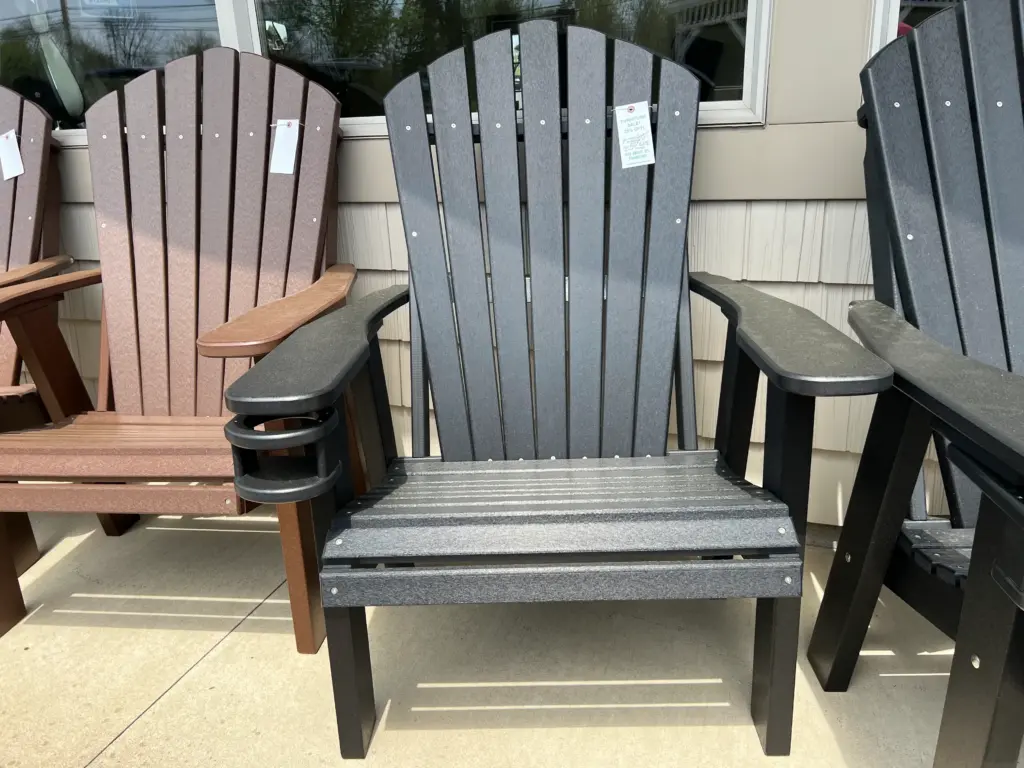
Material composition determines how patio furniture performs when exposed to rain. Aluminum and resin materials resist rust and water absorption, making them suitable for uncovered patios. Steel, unless powder-coated or galvanized, may rust when moisture lingers. Wood absorbs water naturally, which can lead to swelling or warping if not sealed properly. Teak performs better than many other woods because of its natural oils, but even teak benefits from periodic maintenance. When asking can patio furniture get wet safely, the answer depends largely on whether the furniture is designed with moisture resistance in mind. Choosing the right material for local weather conditions improves long-term durability and reduces repair costs.
Wood Patio Furniture And Moisture Exposure
Wood remains a popular choice for outdoor seating and dining sets due to its appearance and durability. However, water exposure requires careful maintenance. Unsealed wood can absorb rainwater, which may cause cracking or mildew growth over time. Applying exterior-grade sealant protects the surface and reduces moisture penetration. Hardwoods such as teak and cedar perform better outdoors than softer woods. Even so, standing water should be wiped away when possible. Understanding can patio furniture get wet without damage requires recognizing that wood tolerates moisture but does not thrive in prolonged damp conditions. Proper finishing and ventilation allow wooden furniture to last for years.
Metal Furniture And Rust Concerns
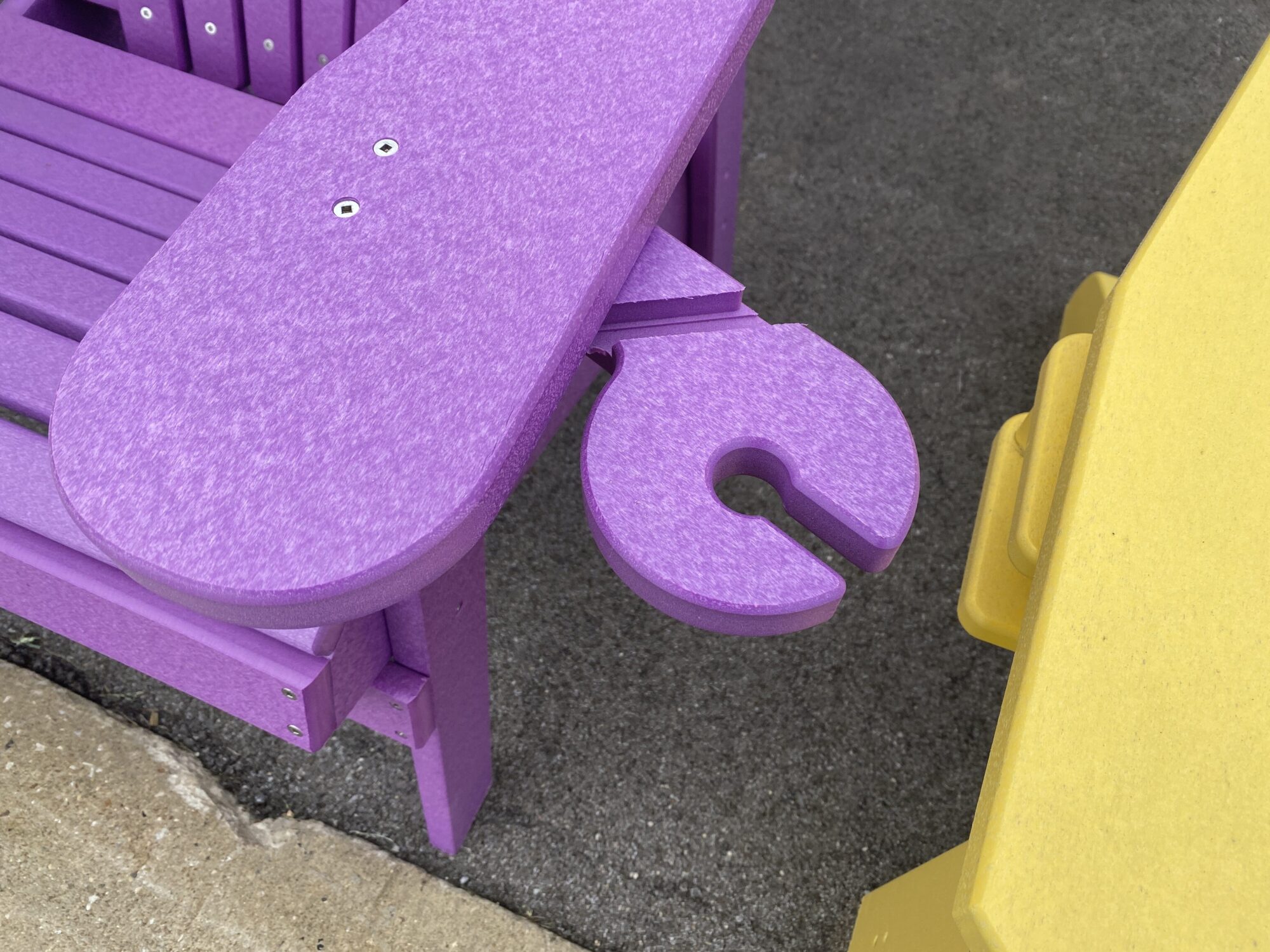
Metal patio furniture handles rain differently depending on its finish. Aluminum resists rust naturally, making it a low-maintenance choice for wet climates. Steel furniture must be treated with powder coating or protective paint to prevent corrosion. If the coating chips, exposed areas may begin to rust when exposed to rain. Regular inspection allows homeowners to touch up worn areas before corrosion spreads. Drainage holes in metal frames prevent water accumulation, which reduces rust risk. When evaluating can patio furniture get wet safely, aluminum often stands out as one of the most weather-resistant materials available.
Wicker And Resin Performance In Wet Conditions
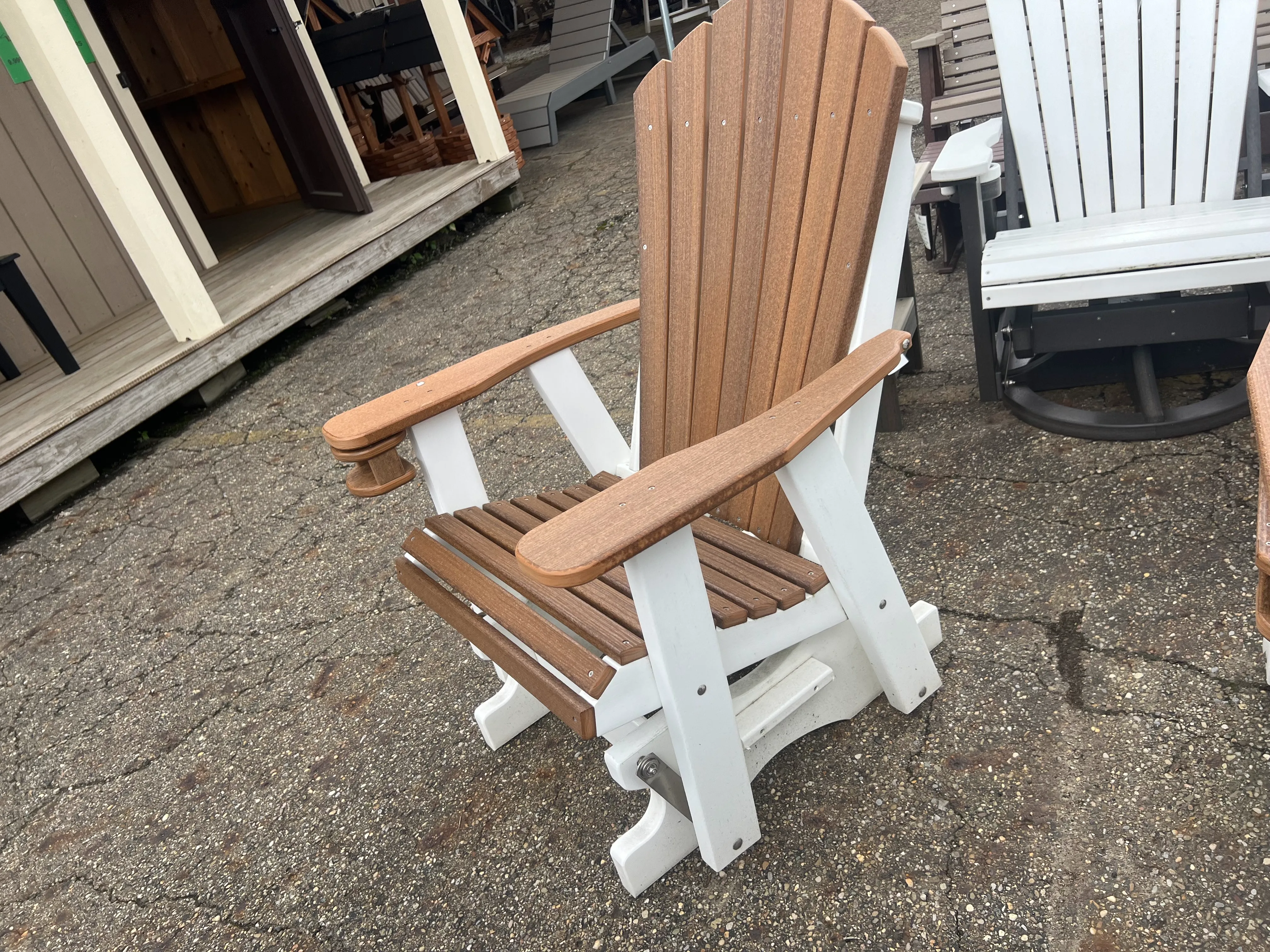
Traditional natural wicker struggles with moisture because plant fibers absorb water and deteriorate over time. Synthetic resin wicker performs much better in wet environments. High-quality resin materials resist water absorption and maintain shape during humidity changes. Frames beneath wicker furniture, often made of aluminum, also contribute to moisture resistance. Cushions paired with wicker furniture must dry properly to prevent mold growth. Buyers should verify whether wicker furniture is natural or synthetic before assuming it tolerates rain. Selecting modern resin wicker helps answer the question can patio furniture get wet with greater confidence in durability.
Cushions And Fabric Care
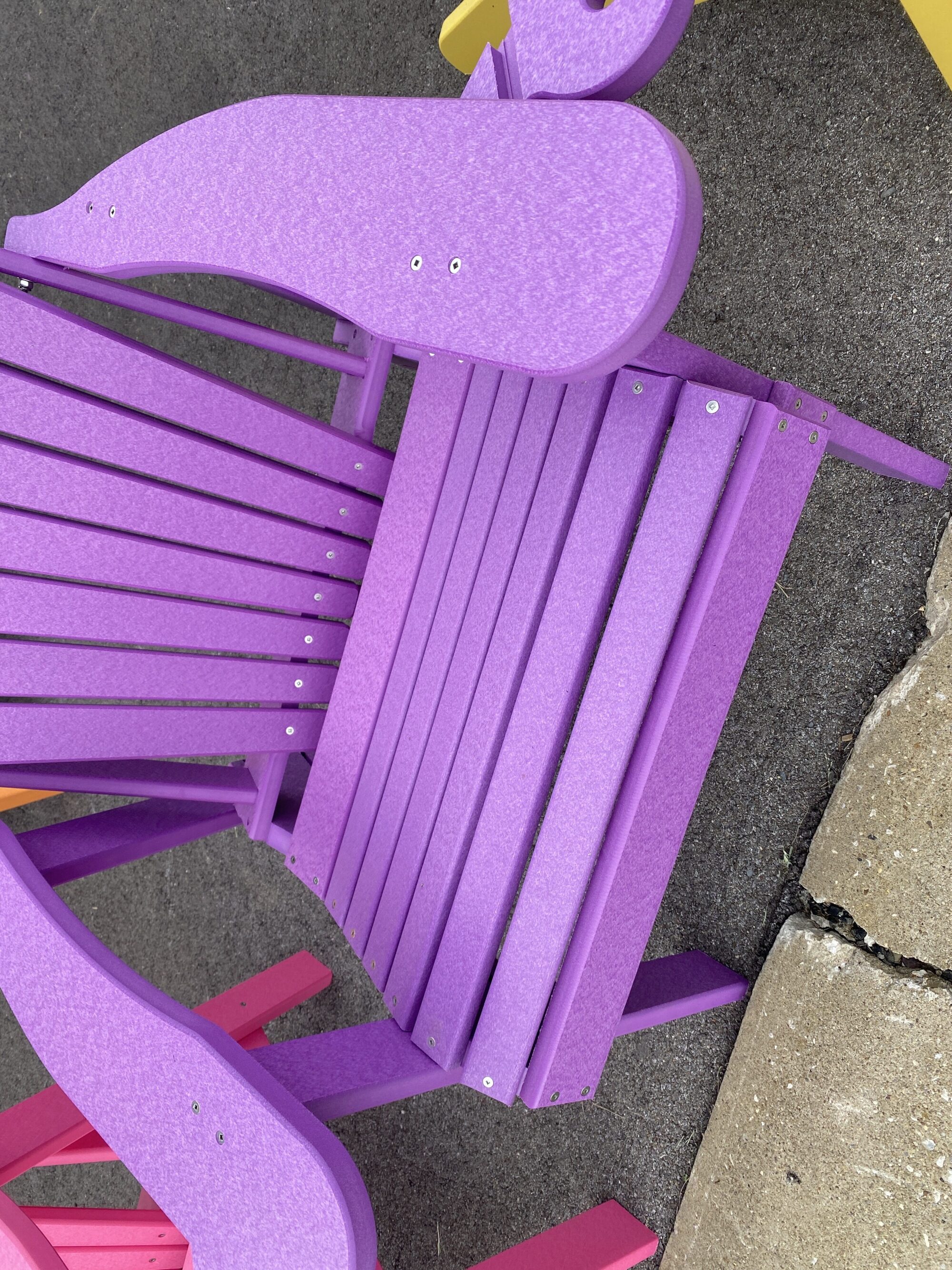
Cushions often represent the most vulnerable component of patio furniture. Outdoor fabrics are designed to resist moisture, but they are not always waterproof. Quick-dry foam and breathable materials improve performance during rain exposure. Removing cushions during heavy storms or storing them in dry locations extends their lifespan. Mold and mildew develop when moisture remains trapped in fabric. Choosing cushions labeled as weather-resistant rather than water-resistant provides additional protection. Proper storage between uses significantly improves longevity.
Drainage And Airflow Considerations
Water damage often occurs not from rain itself but from trapped moisture. Furniture placed directly on grass may retain water longer than pieces placed on stone or concrete patios. Elevating furniture slightly improves airflow and speeds drying. Positioning items where sunlight reaches them during the day also reduces moisture buildup. Good drainage beneath patio surfaces prevents pooling. Even weather-resistant materials perform better when moisture evaporates quickly. Planning furniture placement reduces long-term exposure risk.
Protective Covers And Storage Solutions
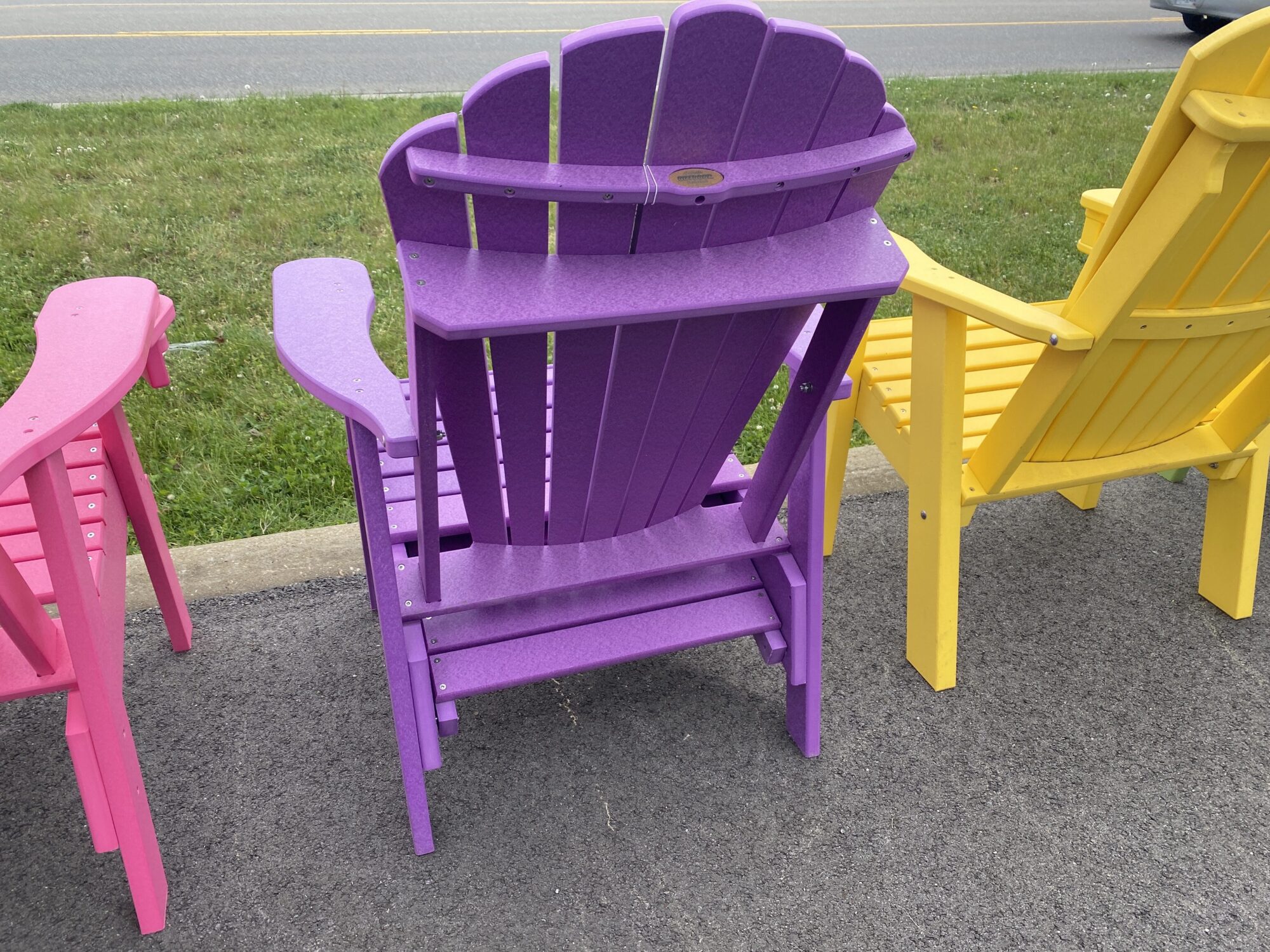
Protective covers add an extra layer of defense during heavy rain or seasonal storms. High-quality covers allow airflow while blocking direct water contact. However, covers should fit properly to prevent condensation from building underneath. For long-term seasonal storage, many homeowners use structures such as a 12×16 executive barn to keep furniture dry during winter months. Indoor storage eliminates repeated exposure to moisture and extends the life of both frames and cushions. Dedicated storage simplifies maintenance and protects investment.
Climate And Regional Weather Impact
Climate conditions influence how patio furniture handles water exposure. Regions with frequent rainfall require materials that dry quickly and resist corrosion. Coastal areas introduce salt exposure, which can accelerate rust on untreated metal. According to climate guidance from the National Oceanic and Atmospheric Administration, increased humidity and precipitation trends in some regions highlight the importance of selecting weather-resistant materials. Homeowners should evaluate long-term climate patterns rather than relying solely on average rainfall data.
Long-Term Maintenance Strategies
Routine maintenance preserves outdoor furniture regardless of material type. Cleaning surfaces regularly removes dirt that traps moisture. Reapplying protective sealants or finishes strengthens resistance against rain. Inspecting hardware and tightening bolts prevents structural stress. Proper care ensures that occasional rain exposure does not shorten lifespan. Maintenance habits often determine durability more than initial material choice.
Expanding Outdoor Storage Capacity
Homeowners who frequently experience heavy rain often invest in additional storage space for seasonal protection. A structure such as a 14×28 Executive Barn provides ample room to store patio sets, cushions, and outdoor décor during harsh weather. Organized storage reduces exposure cycles and preserves furniture appearance. Separating storage space from daily living areas keeps patios uncluttered and protected.
Conclusion
Can patio furniture get wet? Yes, most outdoor furniture is designed to handle rain, but performance depends on material quality, maintenance habits, and climate exposure. Aluminum and resin resist moisture effectively, while wood and steel require protective finishes and periodic care. Cushions demand special attention to prevent mold growth. Strategic storage and protective covers extend lifespan significantly. For homeowners seeking reliable outdoor storage solutions to protect patio investments, Hartville Outdoor Products offers durable structures designed to keep outdoor furniture secure and organized throughout the seasons.