When people consider renting or owning a storage unit, safety is usually the first concern that comes to mind. Items placed in storage often carry financial or emotional value, which makes security a priority. The question are storage units safe does not have a simple yes or no answer. Safety depends on how the storage space is built, where it is located, and how it is used over time.
Storage solutions range from large commercial facilities to private storage buildings placed on residential property. Each option comes with different safety considerations. Understanding what actually protects stored items helps people choose solutions that match their needs rather than relying on assumptions.
Are storage units safe in general use
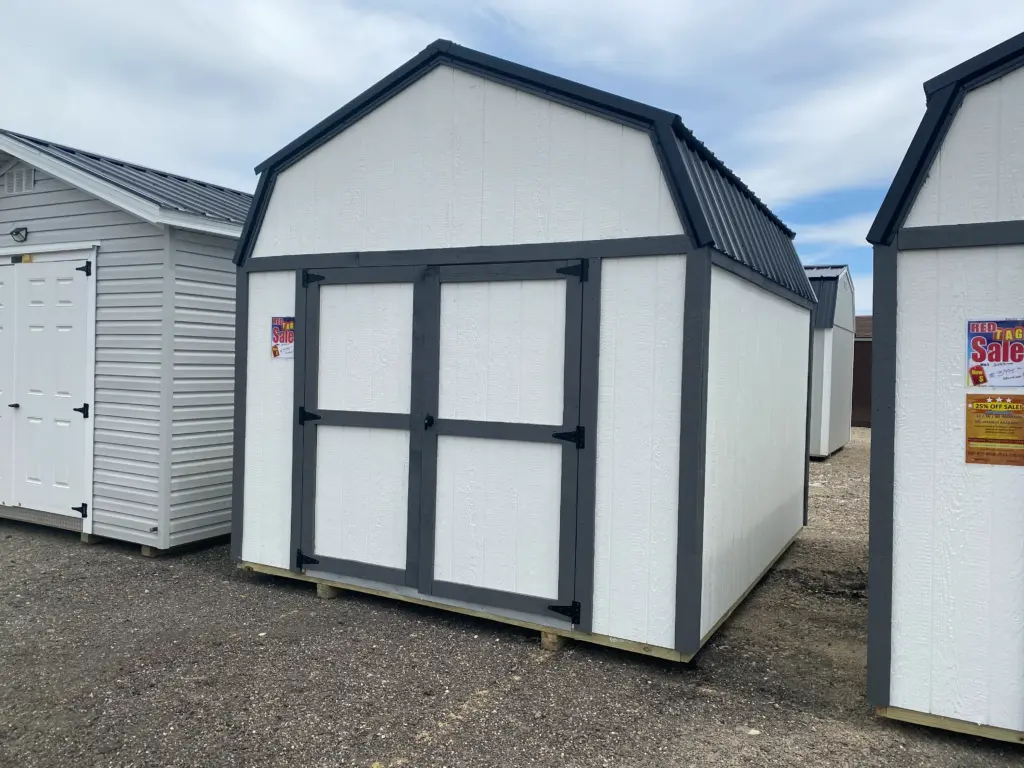
In most cases, storage units are safe when designed and managed properly. Modern storage buildings focus on structural stability, controlled access, and environmental protection. Units that are built with strong framing, secure doors, and weather-resistant materials provide a reliable place for long-term storage.
Problems tend to arise when storage units are poorly built or placed in unsuitable locations. Weak construction, inadequate foundations, and poor drainage can compromise safety. The safety of a storage unit depends heavily on how seriously these factors are addressed during construction and placement.
Structural integrity plays a major role
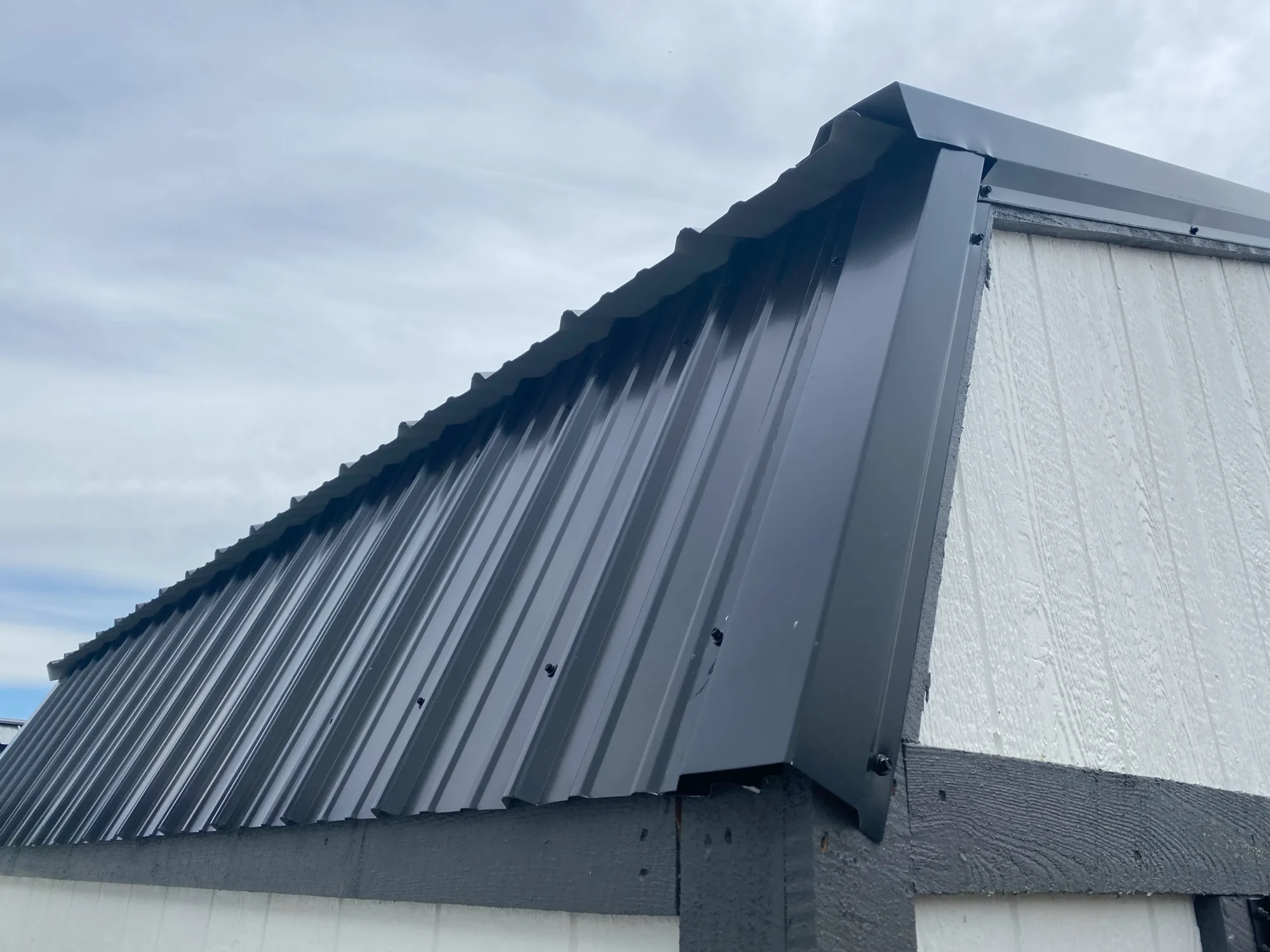
The physical structure of a storage unit is the first layer of safety. Solid framing keeps walls rigid and prevents shifting over time. Roof systems that handle snow and rain loads protect contents from moisture damage. Floors that remain level support heavier items without creating stress points.
Well-built storage units behave predictably in changing weather. They resist wind, handle seasonal movement, and maintain alignment. This structural reliability reduces the risk of damage caused by collapse or gradual failure.
How location affects storage safety
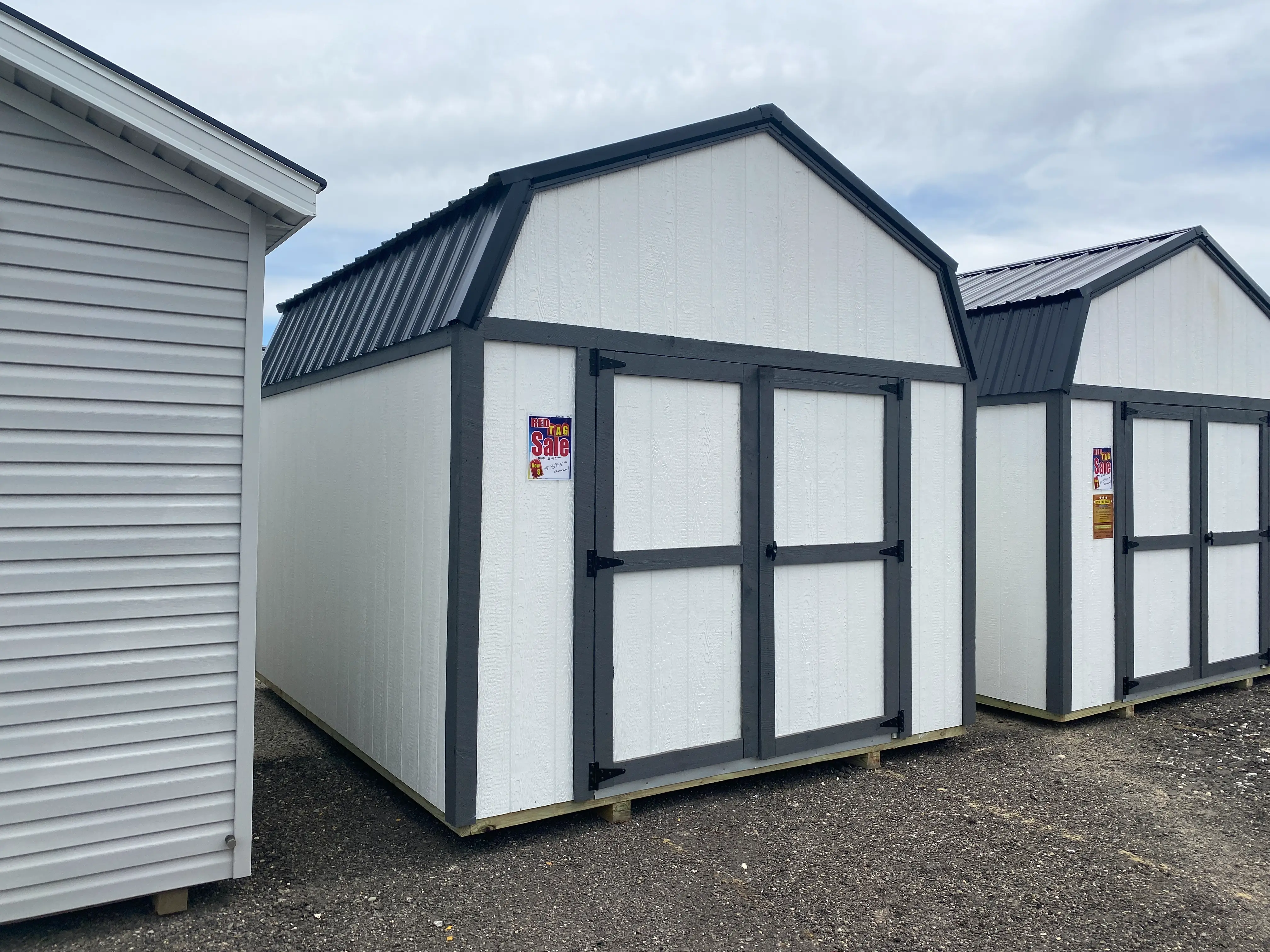
Location influences safety more than many people realize. Storage units placed in low areas may face water intrusion during heavy rain. Units exposed to constant wind may experience faster wear. Poor placement can turn an otherwise solid structure into a problem.
Choosing a location with good drainage and stable ground improves safety significantly. Proper placement helps doors remain aligned and prevents moisture from collecting around the base. These factors protect both the structure and the items stored inside.
Security and access considerations
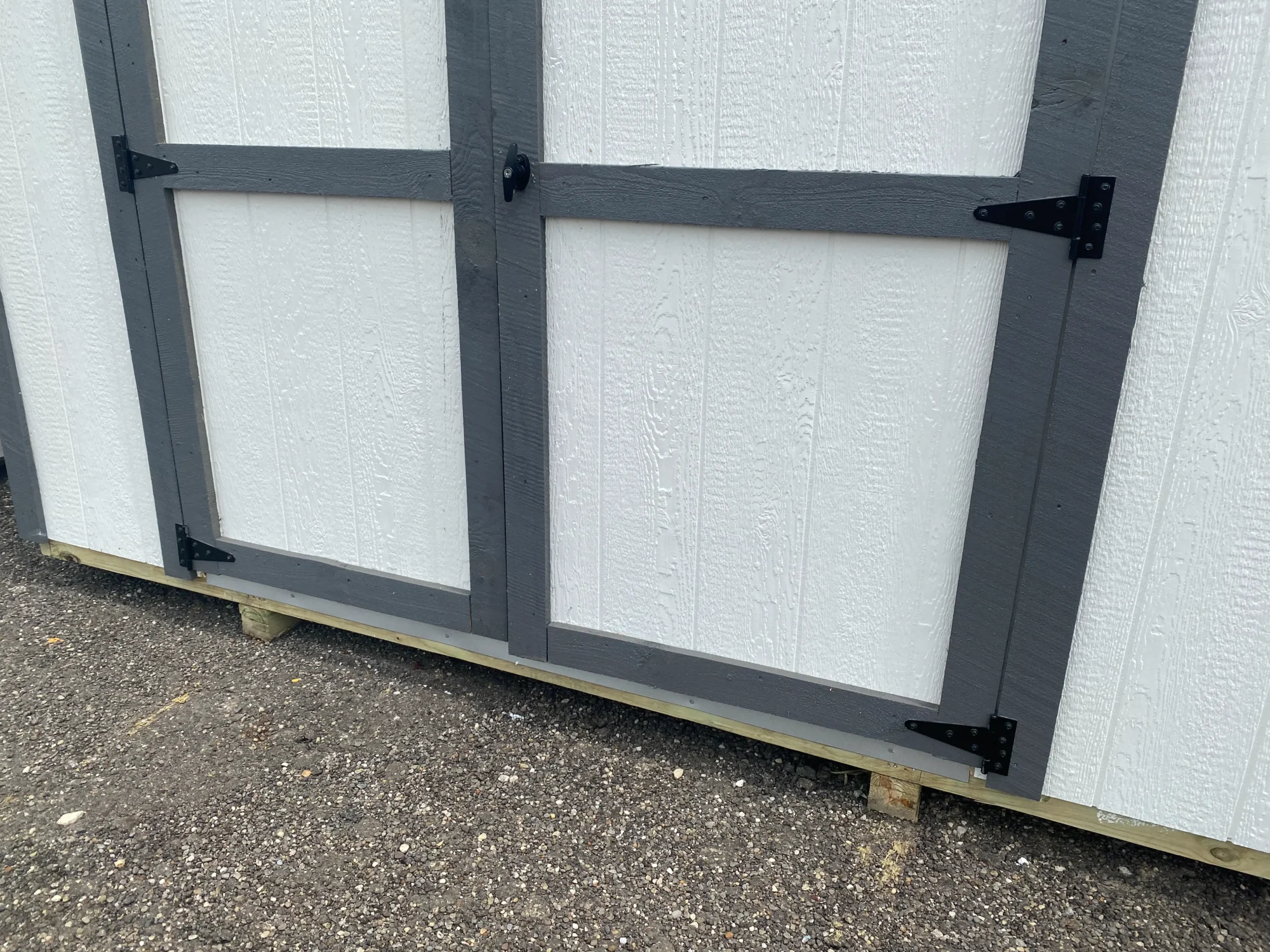
Safety is not only about structural strength. Access control also matters. Doors that close securely and hardware that resists tampering help protect stored items. Strong door systems discourage unauthorized entry and reduce the risk of theft.
Private storage buildings often benefit from being located on familiar property. Owners can monitor access more easily and address issues quickly. This level of oversight adds an additional layer of security compared to remote storage facilities.
Environmental protection inside storage units
Items stored over time face risks from humidity, temperature changes, and pests. Storage units that allow moisture inside can damage furniture, tools, and personal belongings. Proper construction reduces these risks by limiting exposure to the elements.
Ventilation plays a role in maintaining a healthier interior environment. Airflow helps control moisture levels and reduces the chance of mold or mildew. These environmental factors directly influence whether storage units remain safe for long-term use.
Why long-term use changes safety needs
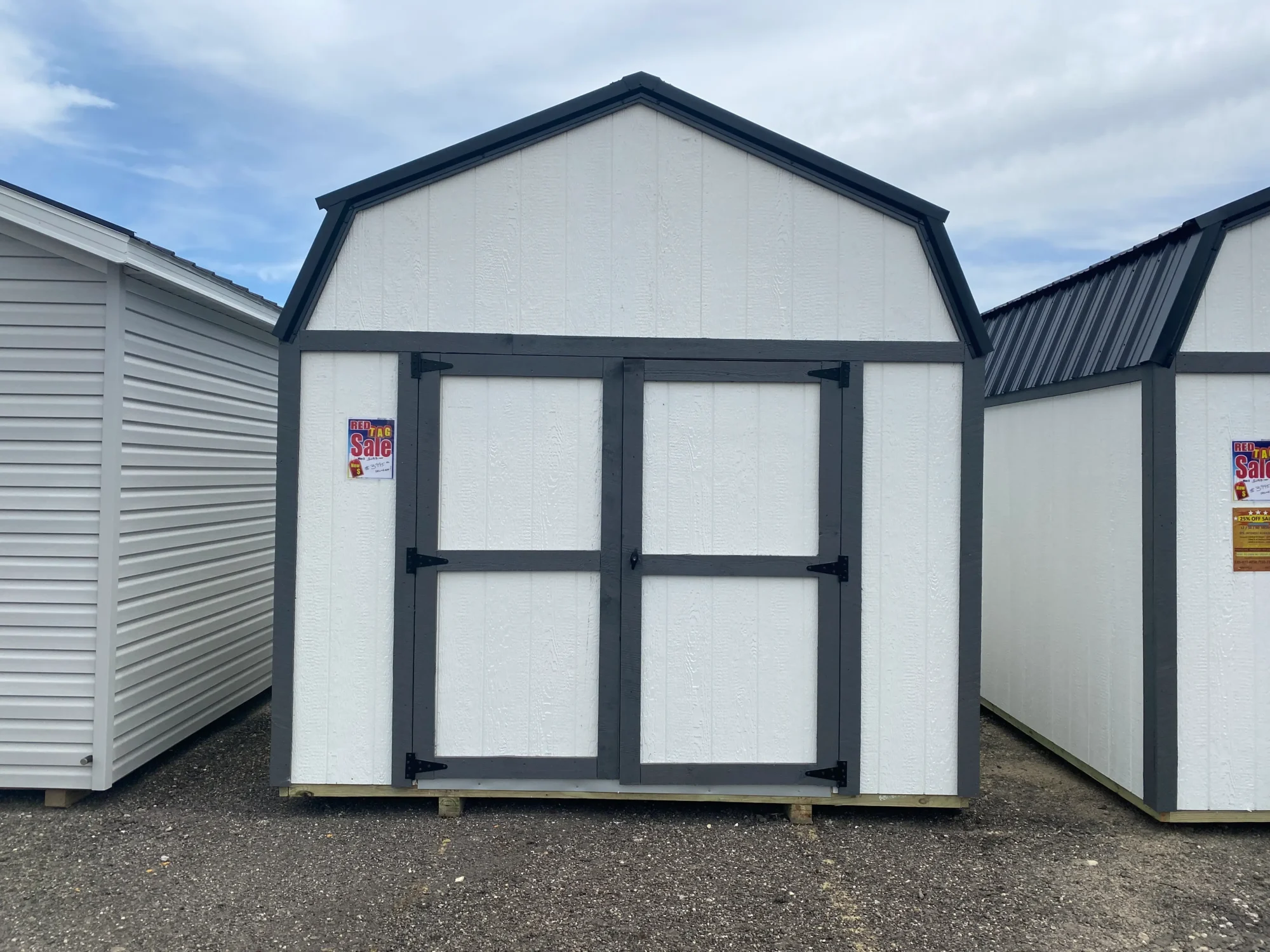
Short-term storage and long-term storage create different demands. Units used occasionally may not reveal weaknesses right away. Over time, small issues such as loose trim, minor leaks, or shifting doors become more noticeable.
Regular inspection helps maintain safety. Addressing small problems early prevents larger failures. Storage units that are treated as permanent structures tend to remain safer because they receive ongoing attention.
Are storage units safe for valuable items
Storing valuable items requires a higher standard of safety. Structural reliability, secure access, and environmental protection all become more important. Storage units that meet these criteria provide peace of mind.
Some people choose storage buildings that double as multipurpose spaces. Cabins and finished storage structures often offer stronger construction and better protection than basic units. This approach combines storage with flexibility.
Where cabins and larger structures fit in
Not all storage solutions look like traditional units. Some people use cabin-style buildings for secure storage, workshops, or seasonal living space. These structures often provide stronger framing, better roofing, and improved access control.
A structure like the 12×28 Cabin With Deck offers space that supports both storage and use. Its size and construction provide a secure environment for valuable items while allowing flexibility beyond basic storage.
Comparing commercial storage and private buildings
Commercial storage facilities offer convenience and centralized management, but they are not the only option. Private storage buildings allow owners to control construction quality, placement, and access. This control can improve safety when done correctly.
Private buildings also eliminate reliance on third-party management. Owners can make adjustments, upgrades, and repairs as needed. This responsiveness contributes to long-term safety.
How professionally built structures improve safety
Professionally built storage structures benefit from consistent design and proven construction methods. These buildings are assembled using standardized processes that improve reliability. Doors align properly, roofs shed water effectively, and framing resists movement.
Exploring in-stock buildings helps buyers see these qualities firsthand. Finished structures demonstrate how proper construction supports safety and durability.
Learning from established construction practices
Builders rely on time-tested principles when designing storage structures. Proper framing, moisture control, and secure access remain essential regardless of size. The fundamentals of storage planning apply across residential and commercial settings.
Conclusion
So are storage units safe. The answer depends on how they are built, where they are placed, and how they are maintained. Strong construction, secure access, and environmental protection all contribute to safety. Whether choosing a traditional storage unit, a private building, or a cabin-style structure, thoughtful planning makes a real difference. To explore storage solutions built with these principles in mind, view the in-stock buildings available from Hartville Outdoor Products, including versatile options like the 12×28 Cabin With Deck designed for secure and flexible use.