
Are storage units profitable is a question many investors ask when exploring real estate opportunities with lower overhead and steady demand. The self-storage industry has grown consistently over the past several decades, largely because people accumulate more belongings while downsizing living spaces. Storage facilities operate with fewer daily management demands than many other commercial properties, which makes them appealing to investors seeking operational efficiency.
Profitability, however, depends on several factors including location, occupancy rates, construction costs, and financing structure. While the industry often reports strong returns, success does not happen automatically. Investors must analyze local demand, competition, and long-term growth trends before committing capital. To know whether storage units are profitable requires examining both revenue potential and ongoing expenses. With careful planning and realistic projections, storage investments can generate steady cash flow and long-term appreciation.
Demand In The Storage Industry
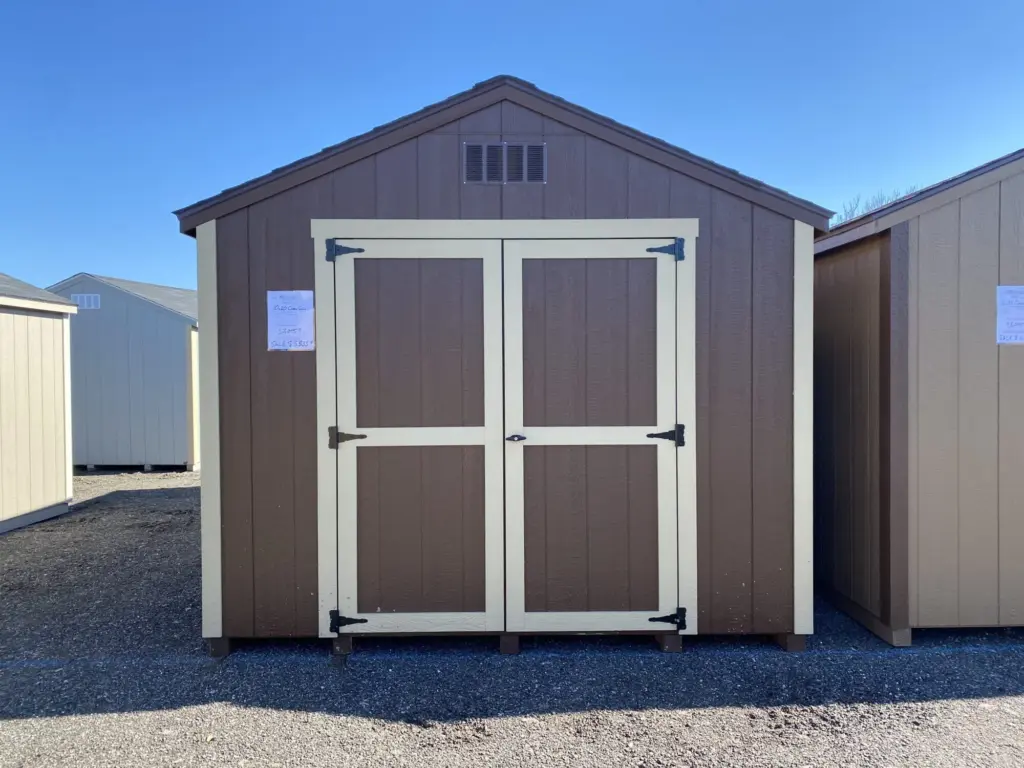
Demand drives profitability in the storage sector. Urban density, population growth, and housing trends all influence how well storage facilities perform. Areas with apartment living, military bases, college campuses, or frequent relocations often generate consistent storage demand. When evaluating whether storage units are profitable, investors must assess how many competing facilities operate within the same market. Oversupply can reduce rental rates and occupancy percentages, directly affecting income. On the other hand, underserved markets may offer strong opportunity for growth. Demand also increases during life transitions such as moves, divorces, renovations, or business expansions. Because storage addresses temporary and long-term needs, facilities often maintain occupancy even during economic slowdowns. Careful market research remains essential before construction begins.
Revenue Structure And Rental Income
Storage facilities generate revenue primarily through monthly rental fees. Units vary in size, allowing operators to price smaller spaces affordably while charging more for larger units. Ancillary income often comes from late fees, administrative charges, and sales of packing supplies. When investors ask are storage units profitable, they must calculate average rent per square foot and compare it against mortgage payments, taxes, insurance, and maintenance costs. High occupancy rates significantly improve cash flow, while vacancy reduces overall margins. Operators who monitor pricing trends and adjust rates strategically often achieve stronger long-term returns. Rental revenue remains the core driver of profitability, making occupancy management one of the most important operational responsibilities.
Construction And Startup Costs
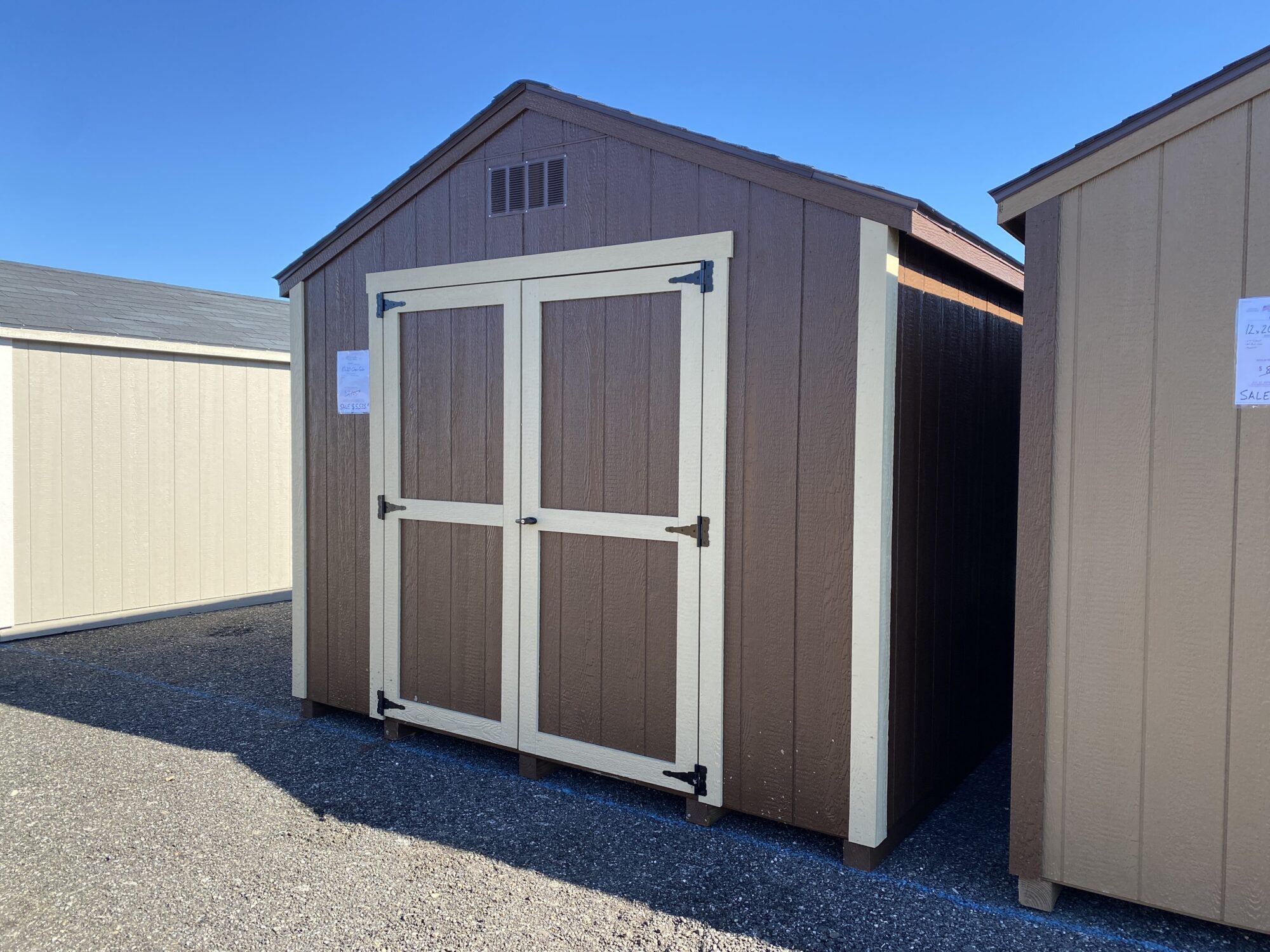
Startup costs influence how quickly a storage facility becomes profitable. Land acquisition, site preparation, permits, utilities, and construction materials represent major upfront expenses. Climate-controlled buildings typically cost more than basic metal structures, but they can command higher rental rates. Investors must also budget for security systems, fencing, lighting, and administrative infrastructure. These expenses increase total investment but also support tenant confidence and retention. The return timeline depends on financing structure and local rental rates. If construction costs exceed projected revenue, profitability may take longer to achieve. Careful planning and realistic financial modeling protect investors from overestimating early returns.
Operating Expenses And Maintenance
Operating expenses remain relatively low compared to many commercial properties, but they still affect overall profit margins. Storage facilities require routine maintenance, property management, insurance coverage, and occasional repairs. Security systems and lighting must remain functional to protect tenants’ belongings. Snow removal, landscaping, and pavement upkeep also add recurring costs. When analyzing are storage units profitable, investors should account for these ongoing expenses rather than focusing only on rental income. Proper maintenance preserves property value and supports long-term occupancy. Facilities that neglect upkeep often face declining demand and lower rental rates. Strong operations protect both reputation and revenue.
Profit Margins In The Self-Storage Sector
The self-storage industry often reports higher profit margins than other commercial real estate sectors because staffing requirements remain limited. Many facilities operate with minimal on-site personnel and automated payment systems. According to industry data published by the Self Storage Association, occupancy rates in stable markets frequently exceed ninety percent. High occupancy combined with controlled operating expenses can produce healthy net operating income. However, profitability varies by region and management quality. Investors must evaluate demographic trends, rental competition, and long-term development plans in the surrounding area. While margins can be strong, disciplined management remains critical to sustaining returns.
Private Storage Alternatives For Property Owners
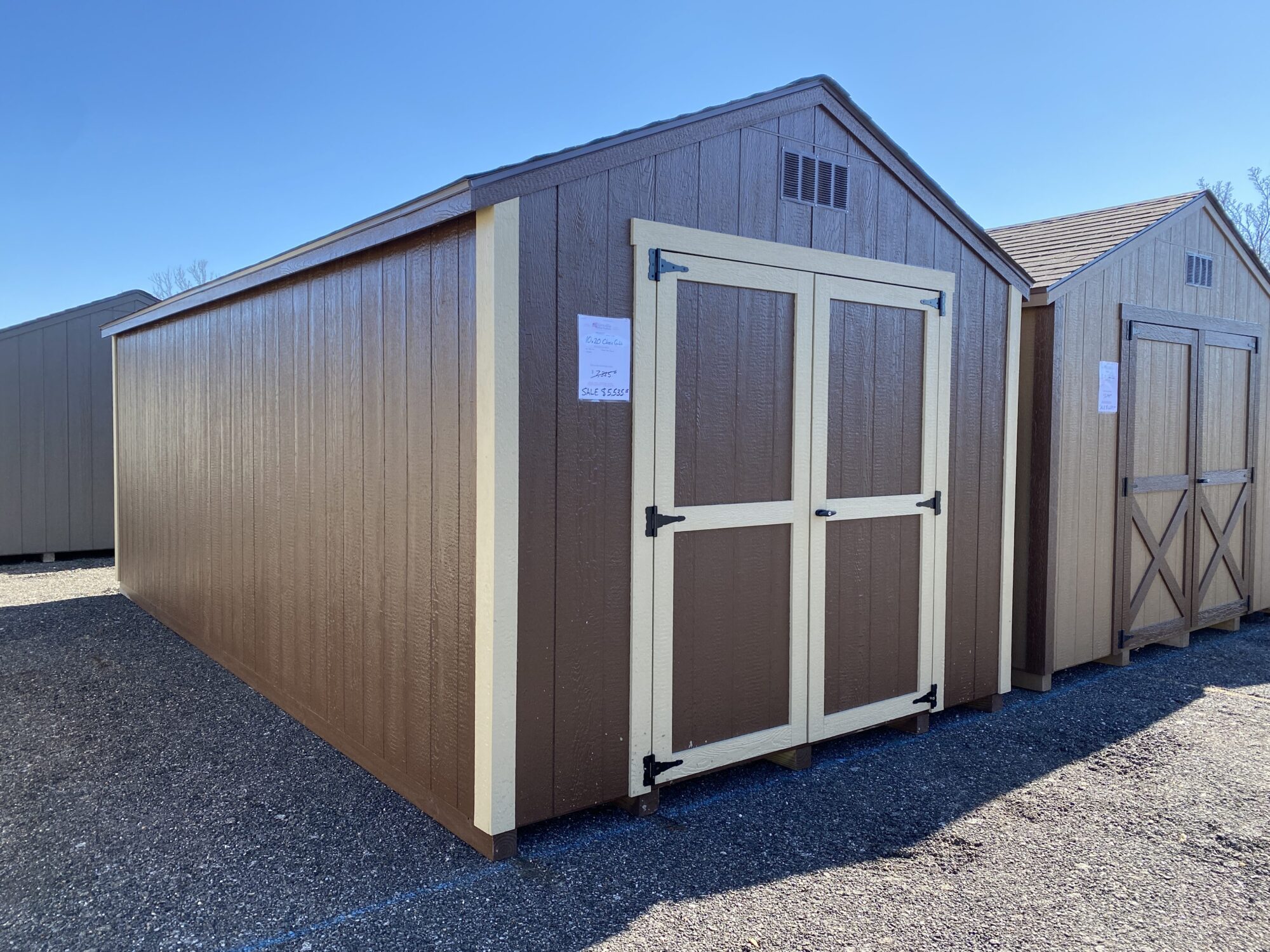
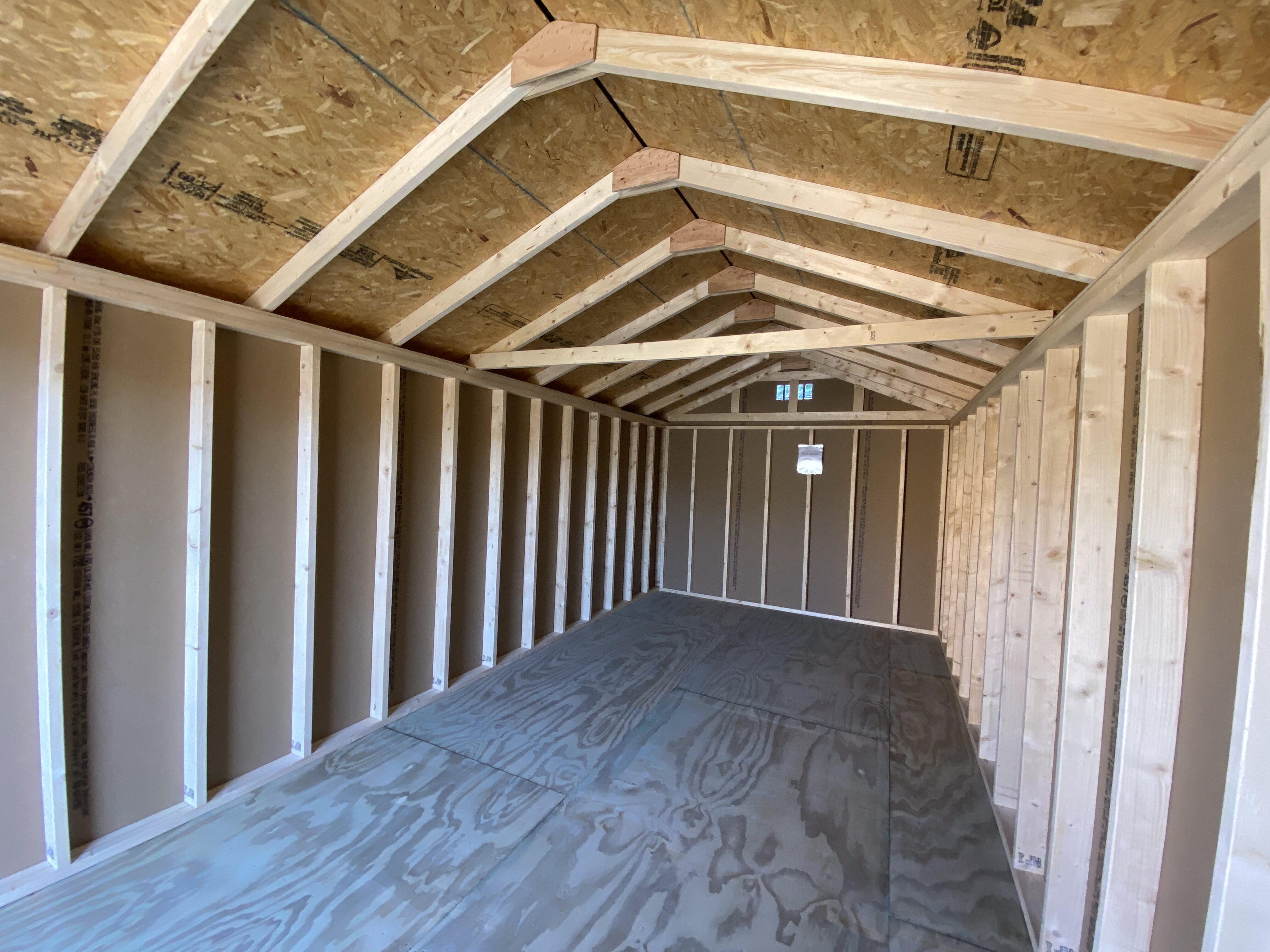
Some property owners explore private storage structures instead of commercial investments. While this approach differs from operating a rental facility, it highlights how consistent storage demand remains across residential settings. Homeowners who want secure, dedicated space often invest in buildings such as a 10×20 shed to handle overflow items and equipment. This personal storage solution eliminates rental costs and provides direct control over access. Although it does not generate rental income, it reflects the same consumer demand that supports commercial storage profitability. The widespread need for extra space explains why storage investments often perform well in growth markets.
Risk Factors That Affect Profitability
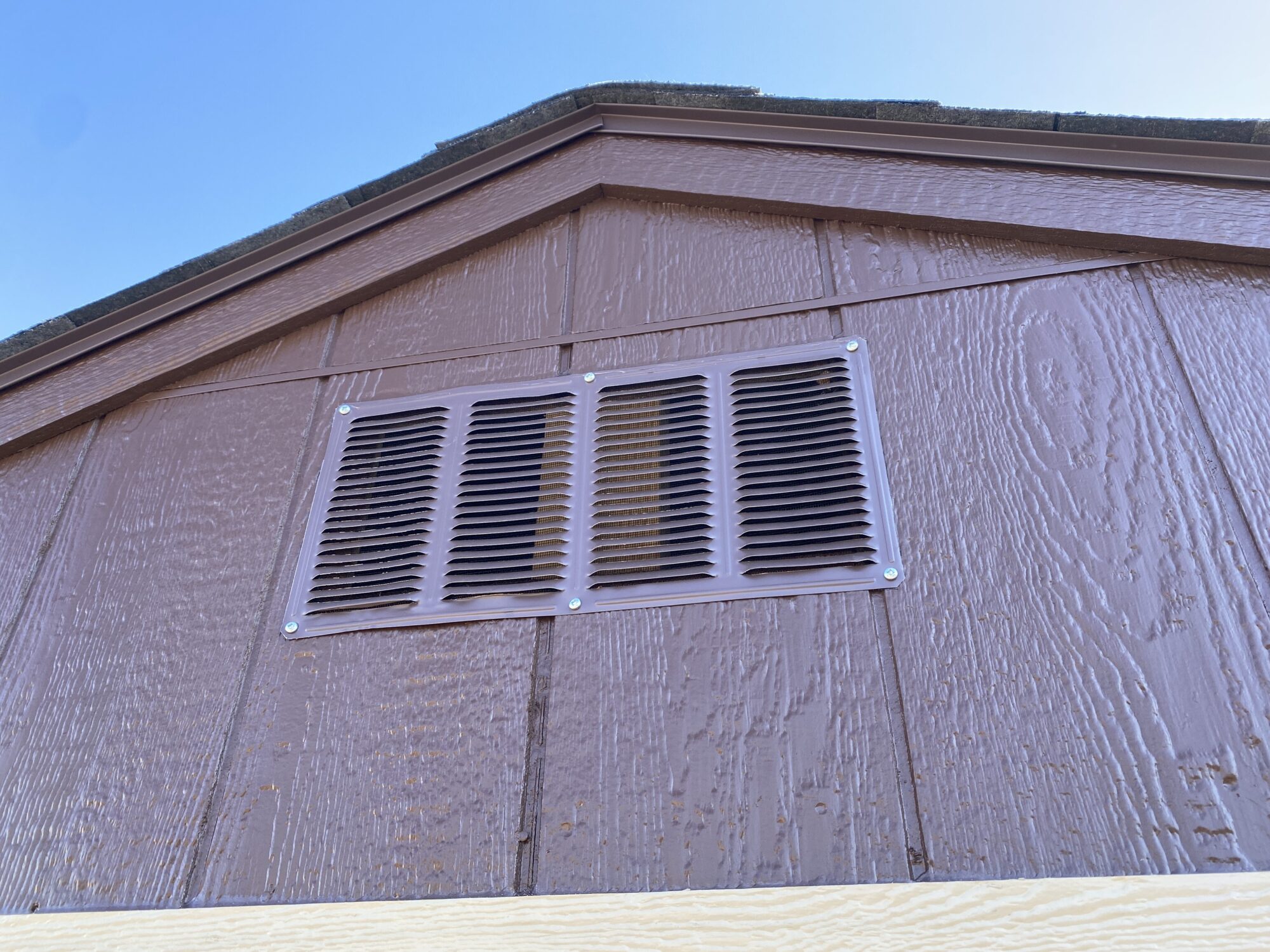
Like any real estate investment, storage facilities carry risk. Economic downturns, zoning restrictions, or unexpected development nearby can affect occupancy rates. Oversupply in a single market can push rental rates downward, reducing margins. Weather events may also increase insurance costs or require structural repairs. When evaluating are storage units profitable, investors must balance potential returns against these risks. Diversifying locations and maintaining strong financial reserves helps mitigate uncertainty. Long-term planning remains essential, especially in markets where population growth fluctuates.
Long term Value And Property Appreciation
Beyond monthly cash flow, storage facilities can appreciate in value over time. As land becomes scarcer in growing areas, well-located properties may increase in worth. Investors who maintain high occupancy and stable income often attract buyers seeking predictable returns. Some property owners apply similar long-term thinking when investing in personal storage buildings such as a 12×20 shed with a loft, which increases usable space and enhances overall property functionality. While personal storage does not create rental revenue, it adds long-term value and convenience. Appreciation remains an important factor when analyzing storage-related investments.
Conclusion
Are storage units profitable depends on location, demand, construction costs, and operational discipline. In strong markets with steady population growth and limited competition, storage facilities can generate reliable income and attractive margins. Investors who conduct thorough research and manage expenses carefully often achieve consistent returns. For homeowners and property owners who want secure storage solutions without managing tenants, Hartville Outdoor Products offers durable building options designed to support long-term storage needs and property organization.