
Are manufactured homes worth it is a question many buyers ask when comparing housing options that balance affordability and functionality. Manufactured homes offer lower upfront costs than traditional site-built homes, but value depends on more than purchase price alone. Buyers must consider long-term durability, financing structure, property placement, and resale potential. Modern manufactured homes differ significantly from older mobile homes, especially those built before federal standards were introduced. Today’s units must comply with HUD construction codes that regulate safety, energy efficiency, and structural integrity. When evaluating whether manufactured homes are worth it, buyers should examine both financial and lifestyle factors. Cost savings can be substantial, but long-term satisfaction depends on maintenance, land ownership, and market conditions. A thoughtful review of benefits and limitations helps determine whether this housing option aligns with personal goals.
Modern Manufactured Construction
Modern manufactured homes are built in controlled factory environments under federal construction standards. These standards regulate framing strength, insulation, electrical systems, plumbing, and fire safety. Factory production allows consistent quality control while reducing weather-related construction delays. When buyers ask are manufactured homes worth it, they often rely on outdated assumptions about older mobile homes. Post-1976 manufactured homes must meet HUD code requirements, which significantly improved durability and safety. Controlled building conditions also reduce material waste and construction variability. Buyers who tour modern manufactured models often find layouts and finishes comparable to entry-level site-built homes. Understanding how construction has evolved provides clarity when comparing long-term value.
Affordability And Initial Investment
One of the strongest arguments in favor of manufactured housing is affordability. Purchase prices typically fall well below comparable site-built homes, making ownership more accessible. Lower material waste and streamlined factory labor reduce production costs. When evaluating are manufactured homes worth it financially, buyers must also consider land expenses and utility setup. Placing the home on owned land strengthens long-term value compared to renting a lot. Financing terms may differ from traditional mortgages depending on whether the home is classified as personal property or real estate. Lower entry costs can free up budget for improvements, maintenance, or additional property features.
Long-Term Durability And Maintenance
Durability plays a major role in determining value. Manufactured homes built under HUD standards can last several decades when installed correctly and maintained consistently. Foundation type significantly affects lifespan, as permanent foundations provide greater structural stability. Regular roof inspections, skirting checks, and exterior sealing protect against moisture damage. When considering are manufactured homes worth it long term, maintenance habits matter as much as construction quality. Owners who treat the home as a permanent residence often see strong performance over time. Proper upkeep preserves structural integrity and interior comfort.
Energy Efficiency And Modern Features
Modern manufactured homes often include energy-efficient windows, insulation packages, and HVAC systems that reduce operating costs. Energy performance varies by model and upgrade level, but factory construction allows tighter building envelopes. Lower energy bills contribute to long-term affordability. Buyers comparing options should evaluate insulation ratings and appliance efficiency. Over time, operational savings can offset initial investment differences. Efficient design enhances comfort while reducing environmental impact.
Resale Value Considerations
Resale value depends largely on land ownership and market conditions. Manufactured homes placed on permanent foundations and titled as real estate tend to appreciate more consistently than those located in leased communities. Market perception also influences resale. In strong housing markets, affordable homes often attract steady demand. Buyers researching are manufactured homes worth it should examine comparable sales in their area. Property improvements such as garages or storage structures can enhance appeal and usability.
Property Enhancements And Storage Solutions
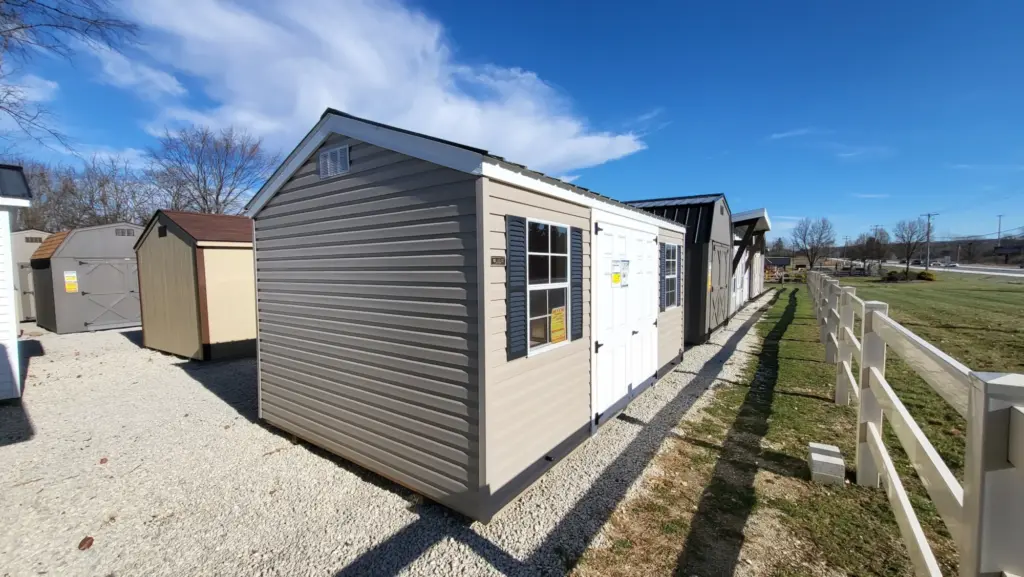
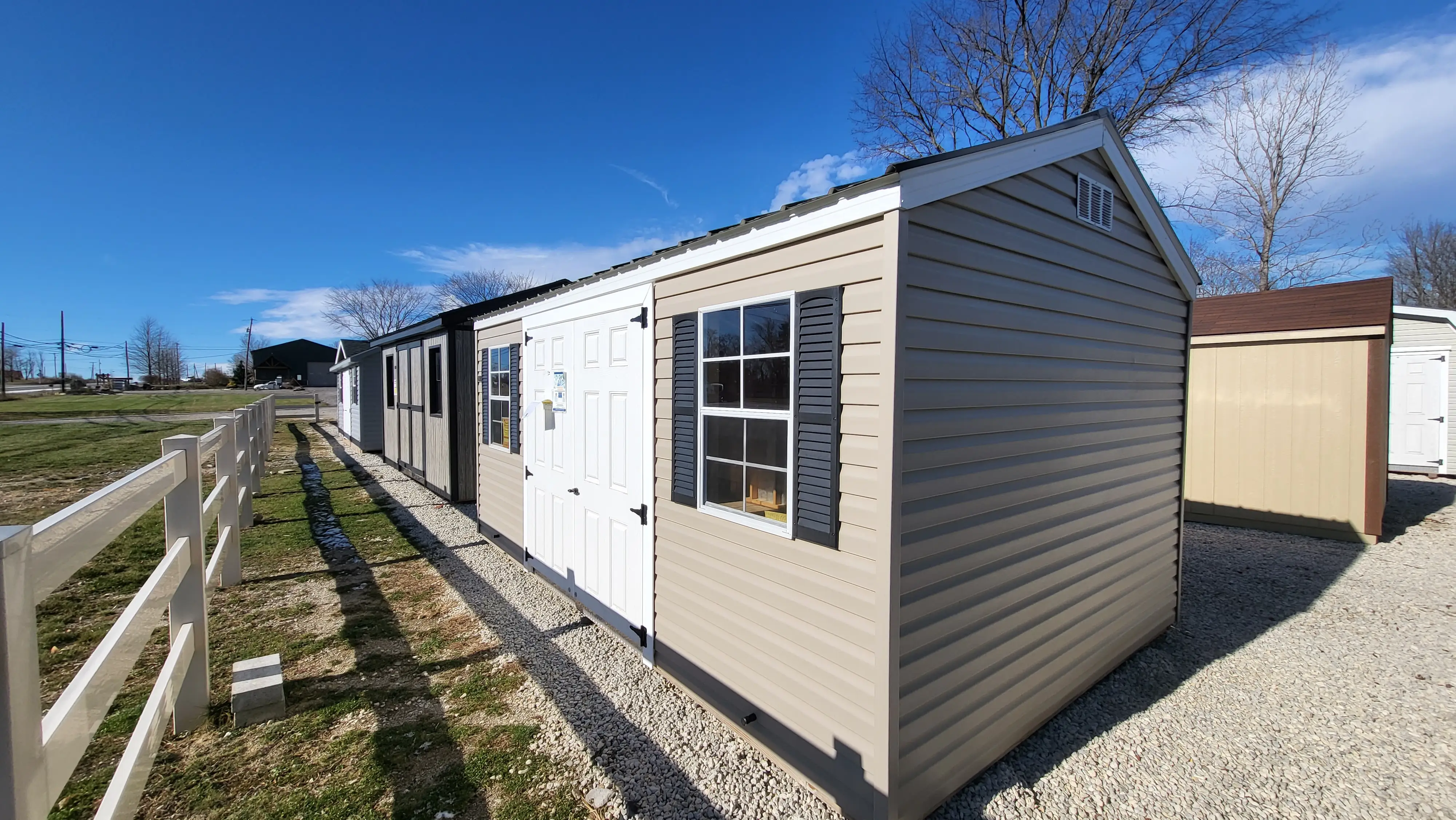
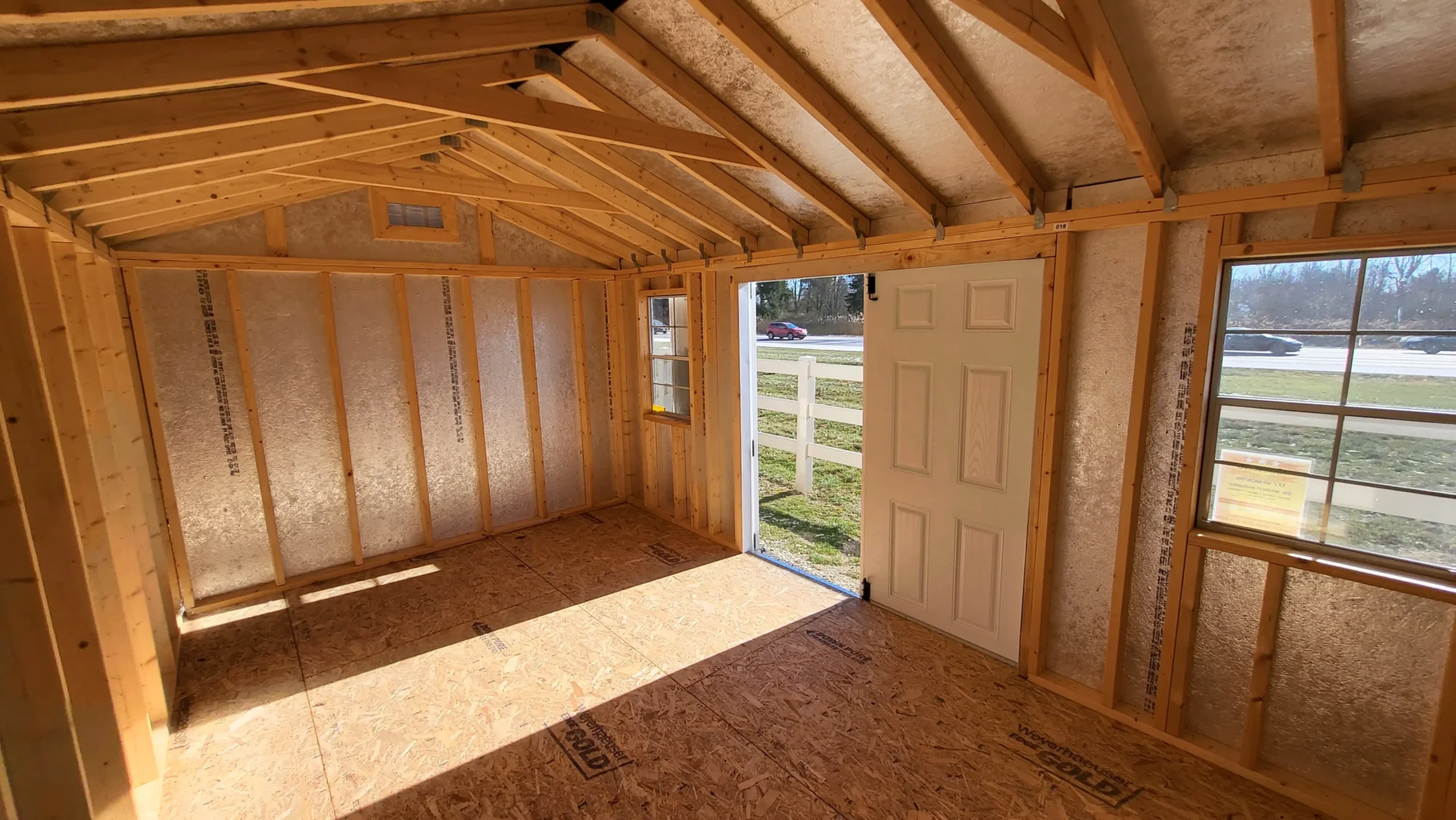
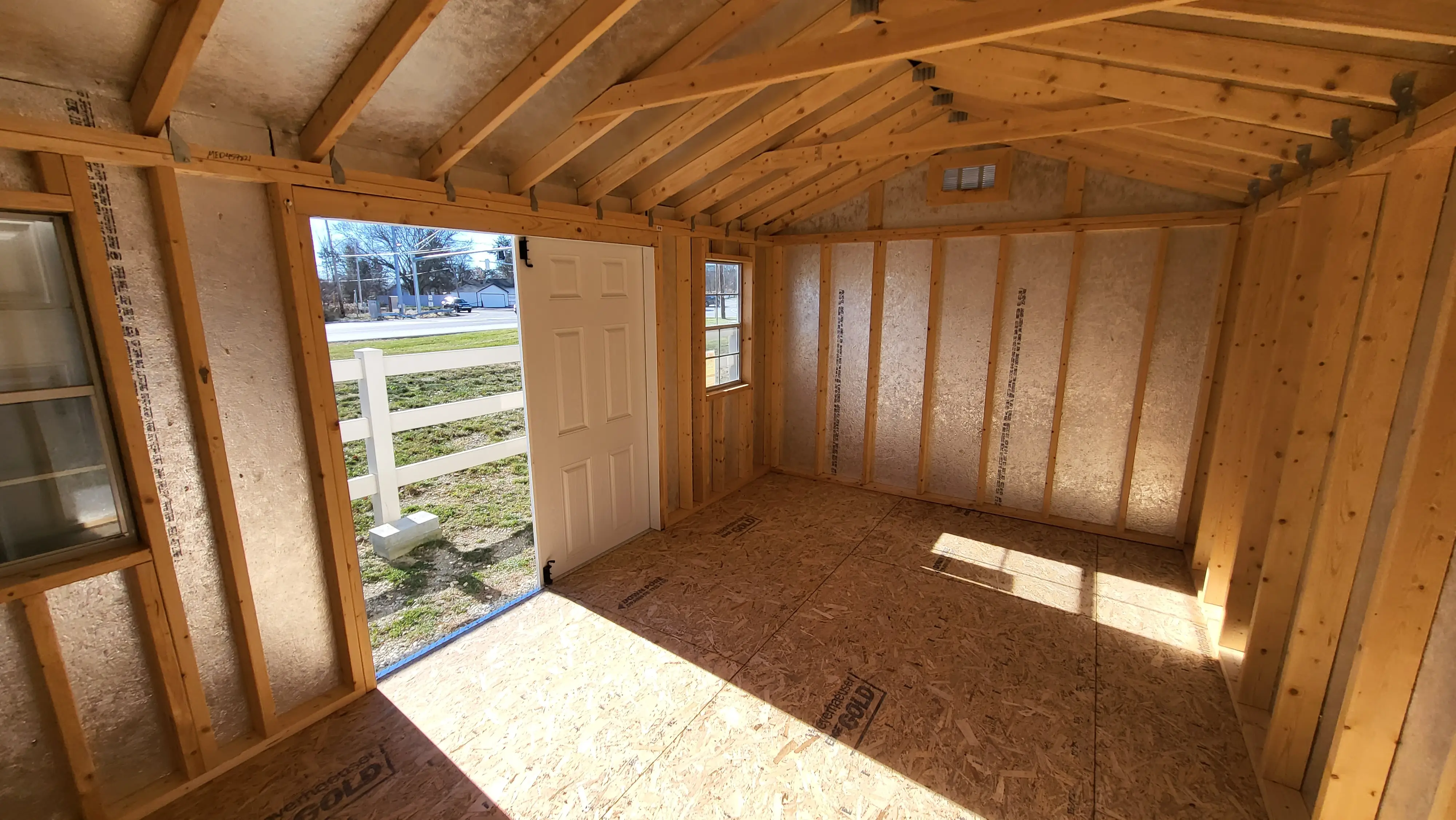
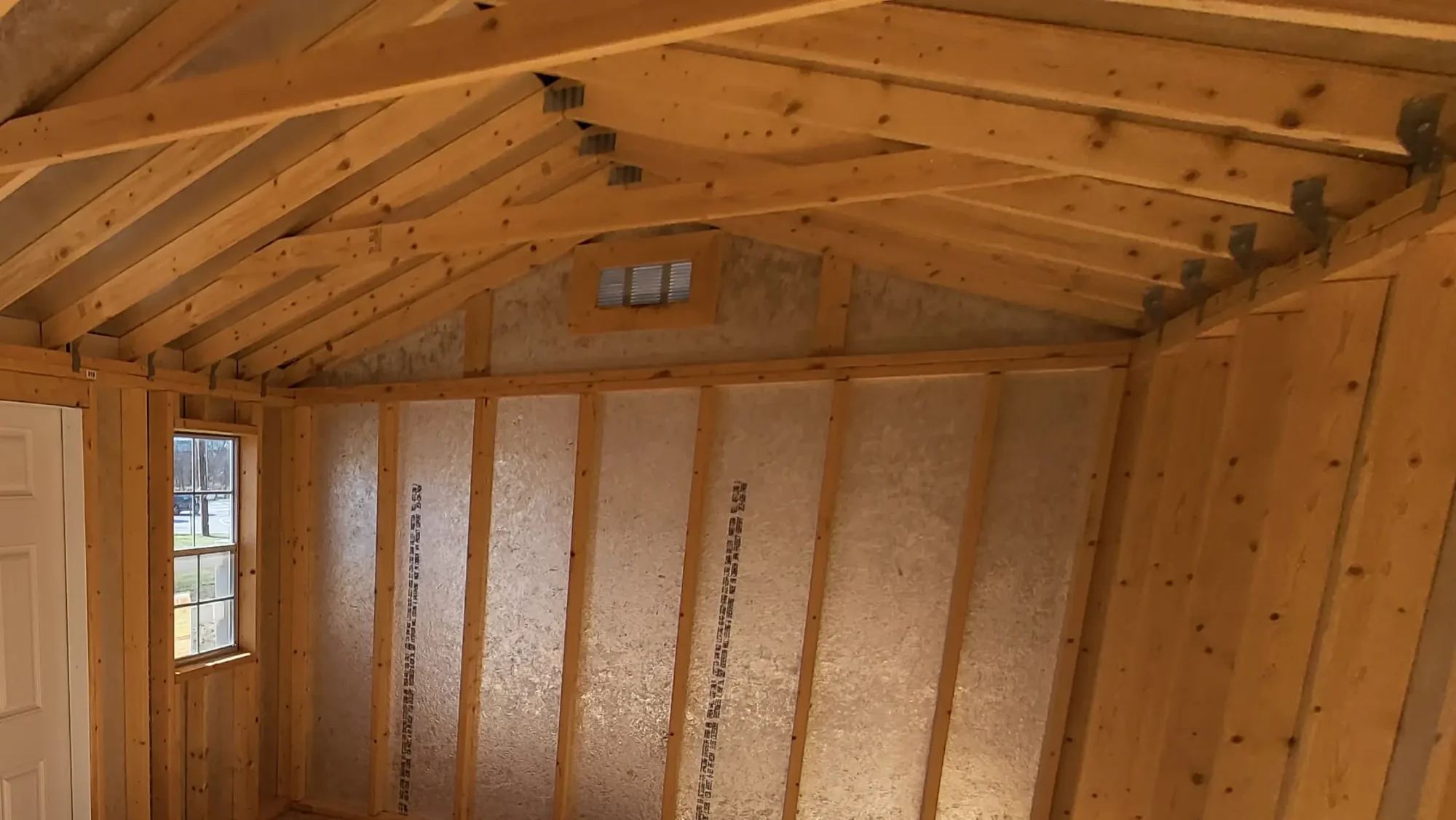
Many homeowners improve overall property functionality by adding storage buildings. A durable structure such as a 12×24 Classic Barn provides space for tools, equipment, and seasonal items that might otherwise crowd interior living areas. Keeping heavy equipment and moisture-prone items outside the home helps preserve flooring and reduce wear. These additions support long-term comfort and organization while increasing overall property utility. Thoughtful enhancements strengthen the case for manufactured housing as a complete residential solution.
Garage And Vehicle Protection Options
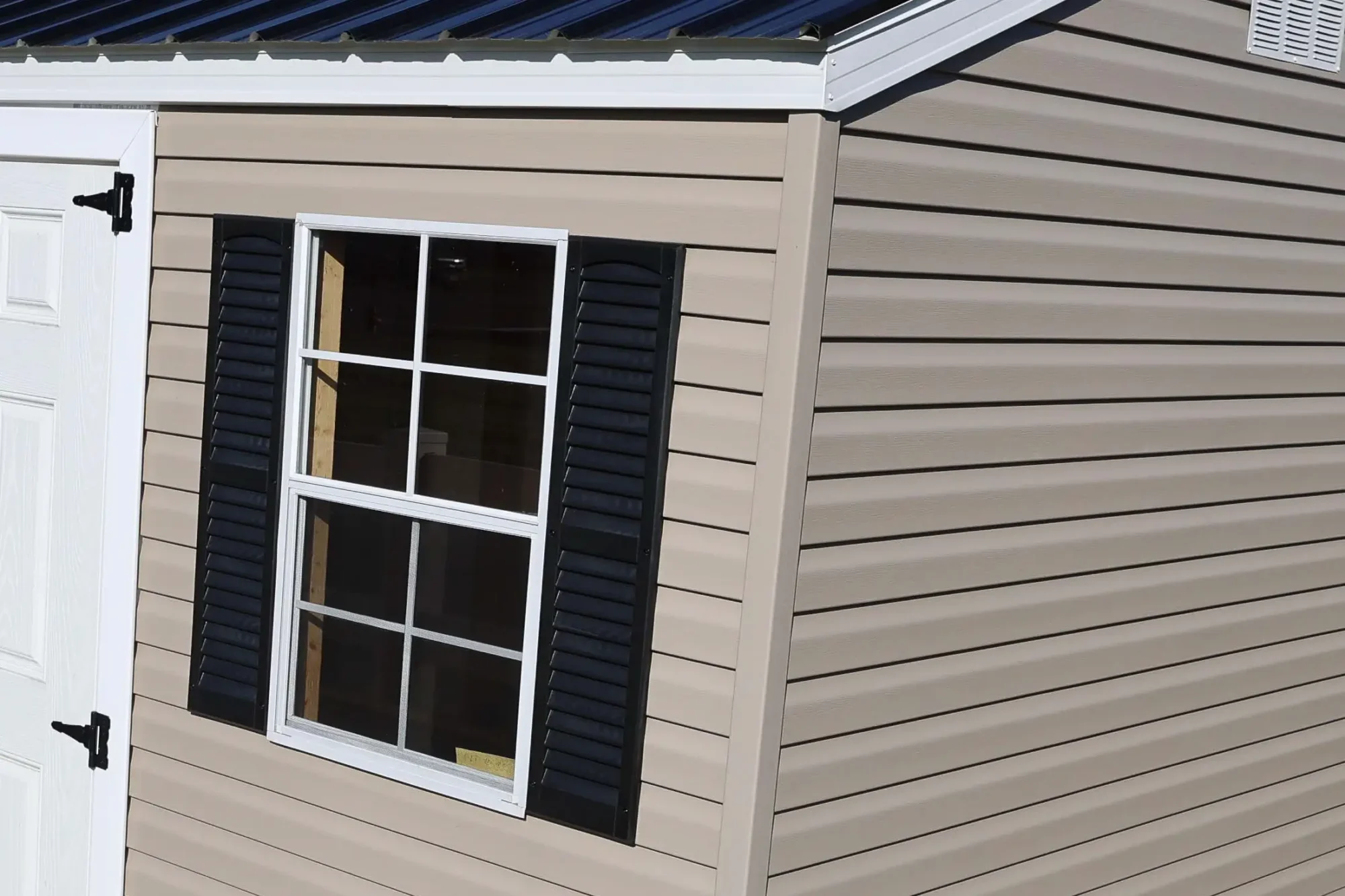
Vehicle storage also influences overall value. Adding a detached structure such as a 14×14 Executive Modern Garage protects vehicles from weather exposure and expands usable space. Garages increase convenience and may improve resale appeal. Buyers evaluating are manufactured homes worth it should consider how additional structures support daily living. Outdoor buildings often complement manufactured homes effectively, creating balanced property layouts that rival traditional residential setups.
Market Data And Housing Trends
National housing trends highlight the growing demand for affordable alternatives. According to data published by the U.S. Census Bureau, manufactured housing continues to represent a meaningful portion of new single-family housing placements each year. Rising construction costs in traditional housing markets increase interest in factory-built options. Demand trends suggest continued relevance for manufactured homes in many regions. Market research supports their role as an accessible housing solution.
Potential Drawbacks To Consider
No housing option is without limitations. Financing may carry higher interest rates if the home is not classified as real estate. Some communities restrict placement through zoning regulations. Perception challenges can also affect resale in certain markets. Buyers should review local zoning laws and property classifications carefully before purchasing. Understanding potential constraints ensures realistic expectations. Balanced decision-making helps determine true value.
Lifestyle Flexibility And Financial Freedom
Beyond construction quality and resale value, lifestyle flexibility often determines whether manufactured homes are worth it for many buyers. Lower purchase prices can reduce monthly financial pressure, allowing homeowners to allocate funds toward savings, travel, or property improvements. Buyers who place manufactured homes on private land often enjoy fewer restrictions than those living in dense subdivisions. This flexibility can support additions such as porches, detached storage buildings, gardens, or workshops. Reduced mortgage burdens may also shorten loan terms, helping owners build equity faster.
For retirees or first-time buyers, affordability creates an accessible path to homeownership without decades of financial strain. While location and land ownership still influence long-term value, the ability to own a home at a lower cost provides stability that renting cannot offer. For many households, that combination of ownership, flexibility, and financial breathing room becomes a strong argument when evaluating whether manufactured homes are worth it.
Conclusion
Are manufactured homes worth it depends on financial goals, land ownership plans, and long-term expectations. Modern construction standards, affordability, and energy efficiency make them a practical option for many buyers. When placed on permanent foundations and maintained properly, manufactured homes can provide decades of comfortable living. Property enhancements further improve usability and appeal. For homeowners seeking storage and property solutions that complement residential living, Hartville Outdoor Products offers durable outdoor structures designed to enhance functionality and long-term value.