
Safety concerns often stem from outdated perceptions of early mobile homes built before federal construction standards existed. Modern manufactured homes differ significantly from those early units. Many buyers ask are manufactured homes safe, when evaluating affordable housing options. Since 1976, all manufactured homes must comply with the federal HUD code, which establishes strict safety requirements for structural strength, fire resistance, electrical systems, plumbing, and energy efficiency. These standards transformed factory-built housing into a regulated, inspected product designed for long-term residential use. To know whether manufactured homes are safe requires separating outdated assumptions from current building practices. Today’s models undergo inspection before leaving the factory and must meet performance standards based on wind zones, snow loads, and climate conditions. When properly installed and maintained, modern manufactured homes provide a safe and stable living environment comparable to many site-built structures.
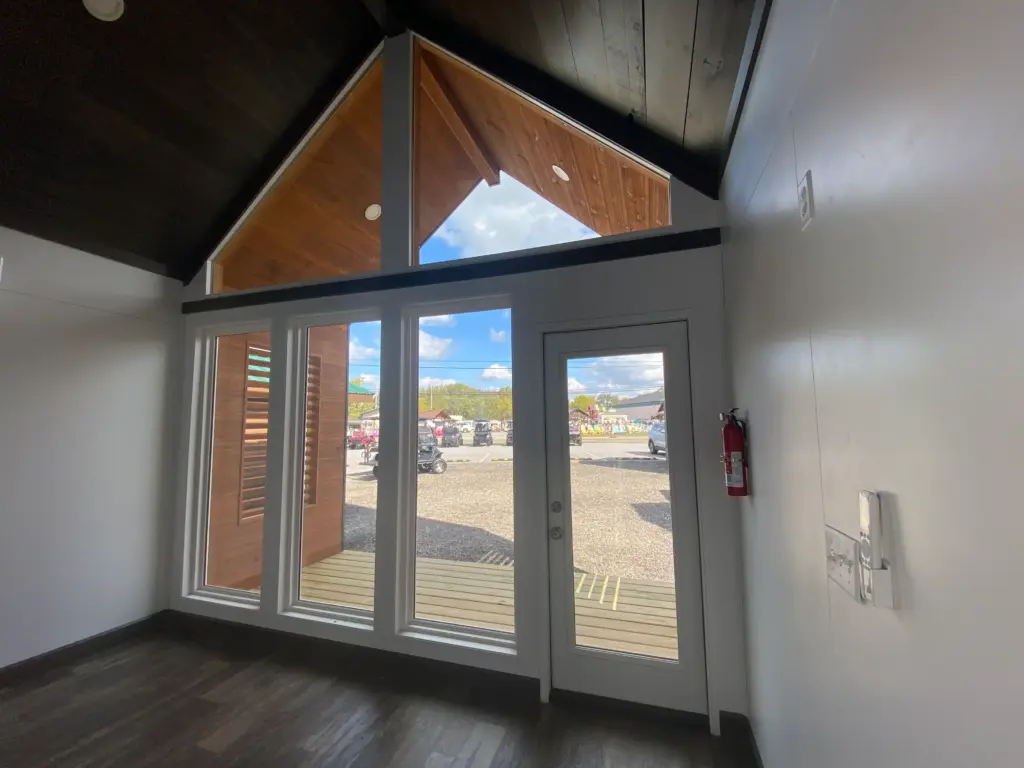
Federal Construction Standards And Safety Regulations
Modern manufactured homes are built under nationally regulated construction standards that focus heavily on occupant safety. These standards address structural strength, wind resistance, fire protection, energy efficiency, plumbing systems, and electrical wiring. Homes are inspected and labeled before leaving the factory to verify compliance. The Manufactured Housing Institute provides detailed explanations of how federal construction requirements strengthen safety performance across the industry. More information about how modern manufactured homes are engineered for durability and compliance can be found through the Manufactured Housing Institute. These standardized guidelines significantly improved structural reliability compared to early mobile homes built before federal oversight.
Wind Resistance And Structural Integrity
Wind resistance represents one of the most common safety concerns. Manufactured homes are built according to specific wind zones based on geographic location. These zones determine framing requirements and anchoring standards. Homes installed in higher-risk wind areas must meet stricter engineering guidelines. Proper anchoring to foundations significantly increases resistance to uplift during severe weather events. Installation quality matters as much as construction quality. A professionally installed manufactured home with secure anchoring performs far better than one placed on temporary supports. Structural safety depends on both factory construction and on-site setup. When buyers research are manufactured homes safe in storm-prone regions, they should review wind zone ratings and installation details carefully.
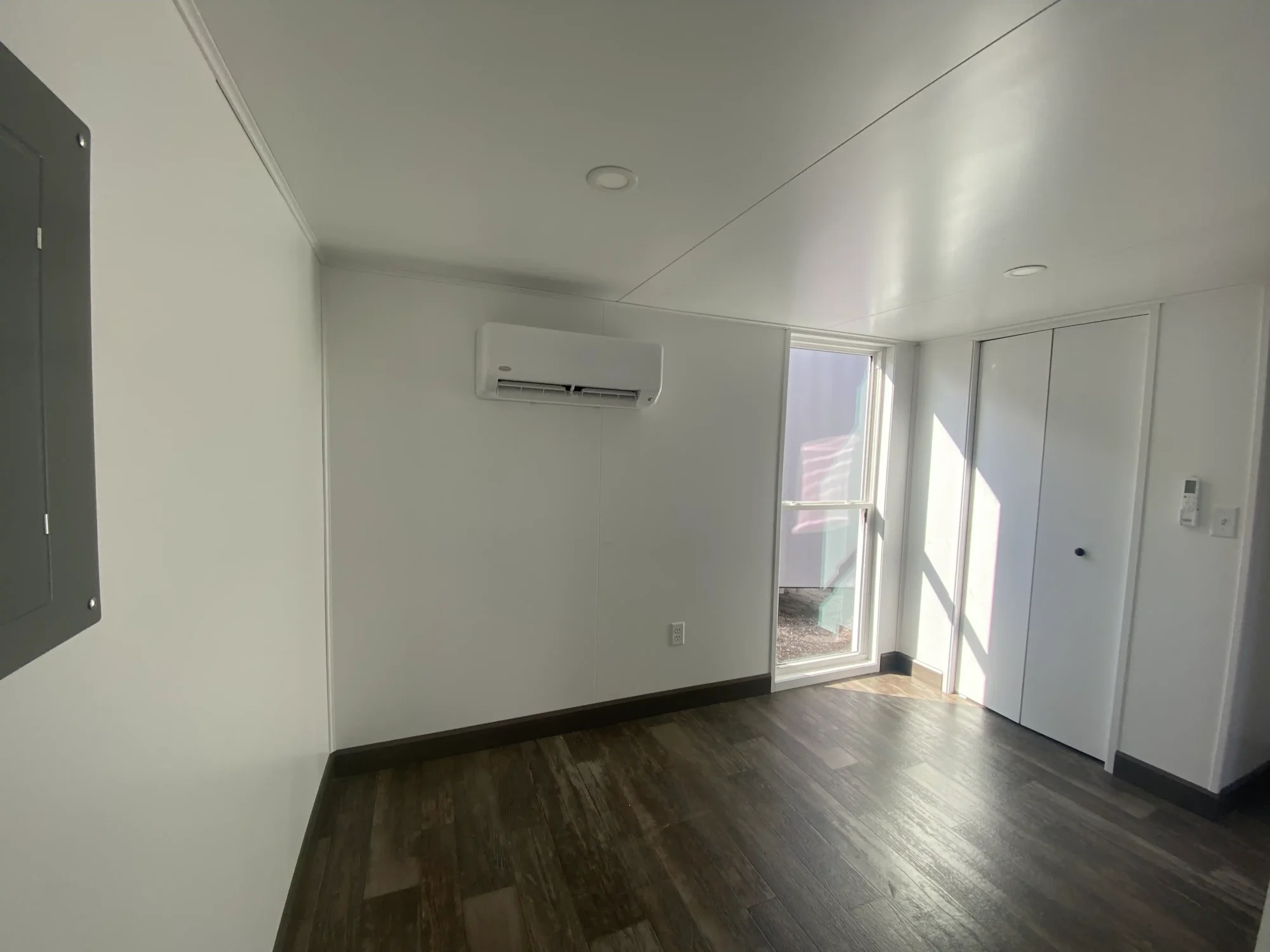
Fire Safety And Electrical Standards
Modern manufactured homes incorporate fire-resistant materials and updated electrical systems that comply with national safety codes. HUD standards require smoke detectors, proper spacing of electrical outlets, and safe heating system installation. Wiring systems undergo inspection before homes leave the factory. Advances in materials and manufacturing processes have reduced fire risk compared to early mobile homes built decades ago. Safety improvements continue as building science evolves. Homeowners should still follow best practices such as maintaining smoke alarms and inspecting electrical systems periodically. When evaluating are manufactured homes safe in terms of fire protection, federal code requirements provide a strong foundation for occupant security.
Foundation And Installation Impact On Safety
Installation plays a critical role in overall safety. Manufactured homes placed on permanent foundations experience greater stability and durability over time. Proper foundation systems distribute weight evenly and reduce structural stress. Skirting and vapor barriers also help protect undercarriage systems from moisture and pests. Professional installers follow state and local building codes that reinforce safety standards established during factory construction. Poor installation can undermine structural integrity, so buyers should verify that licensed professionals handle setup. A well-installed home enhances resistance to shifting, settling, and environmental stress.
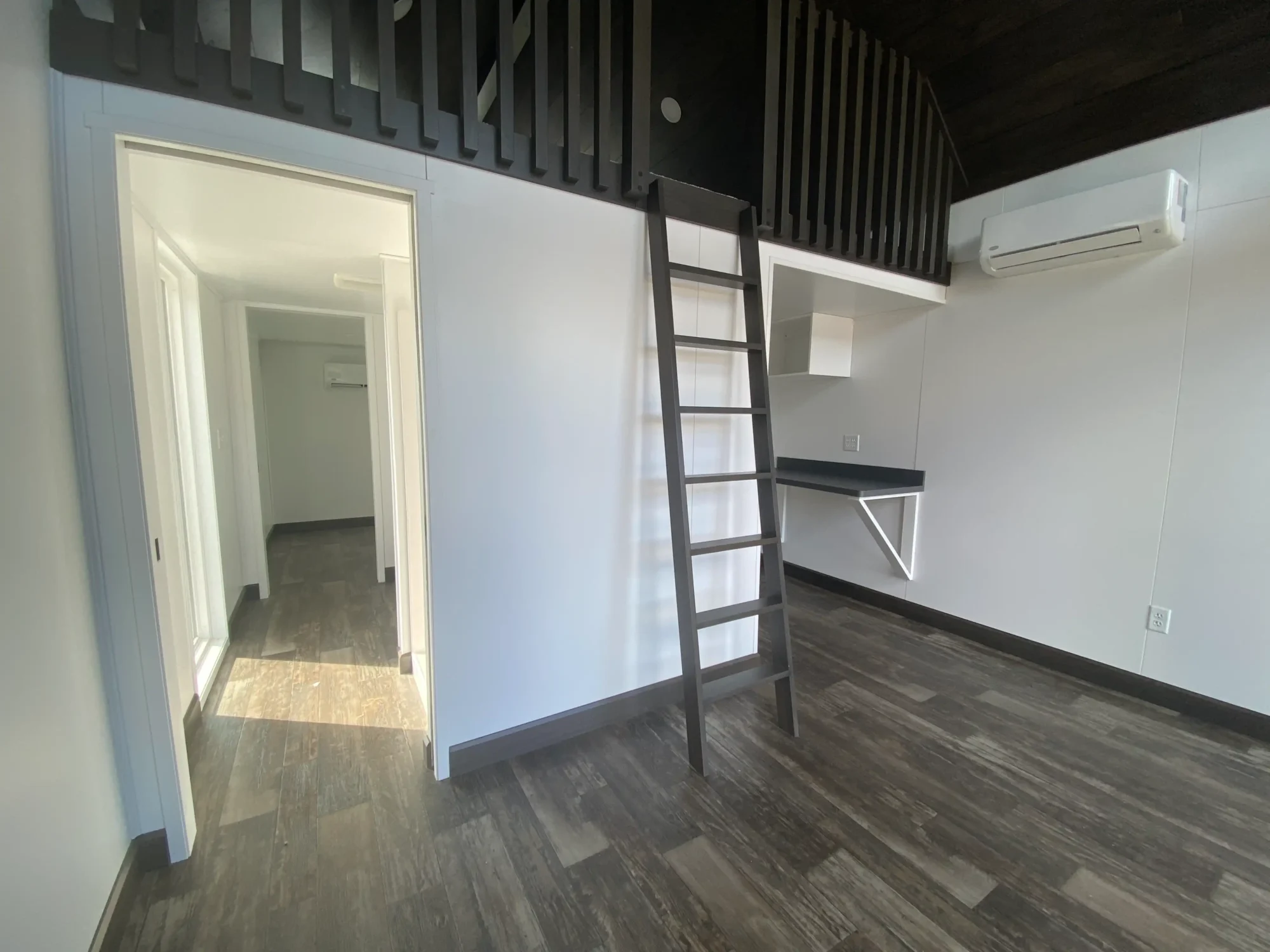
Environmental And Weather Considerations
Climate conditions influence safety performance. Regions with heavy snowfall require reinforced roof systems designed to handle snow loads. Areas with high humidity demand proper ventilation to prevent mold growth. Manufactured homes built for specific climate zones include insulation and ventilation systems designed to perform in those environments. Regular roof inspections and exterior maintenance further protect structural elements. Environmental safety depends on proactive care combined with appropriate construction standards. Homeowners who maintain their homes carefully can expect reliable long-term performance.
Community Placement And Zoning
Safety extends beyond the structure itself. Placement within a well-maintained community or on properly zoned land contributes to overall security. Local building codes regulate setbacks, utility connections, and emergency access. Buyers should review zoning laws and land preparation requirements before installation. Proper drainage and grading prevent water pooling near the foundation. Thoughtful site preparation reduces long-term risk and enhances structural performance.
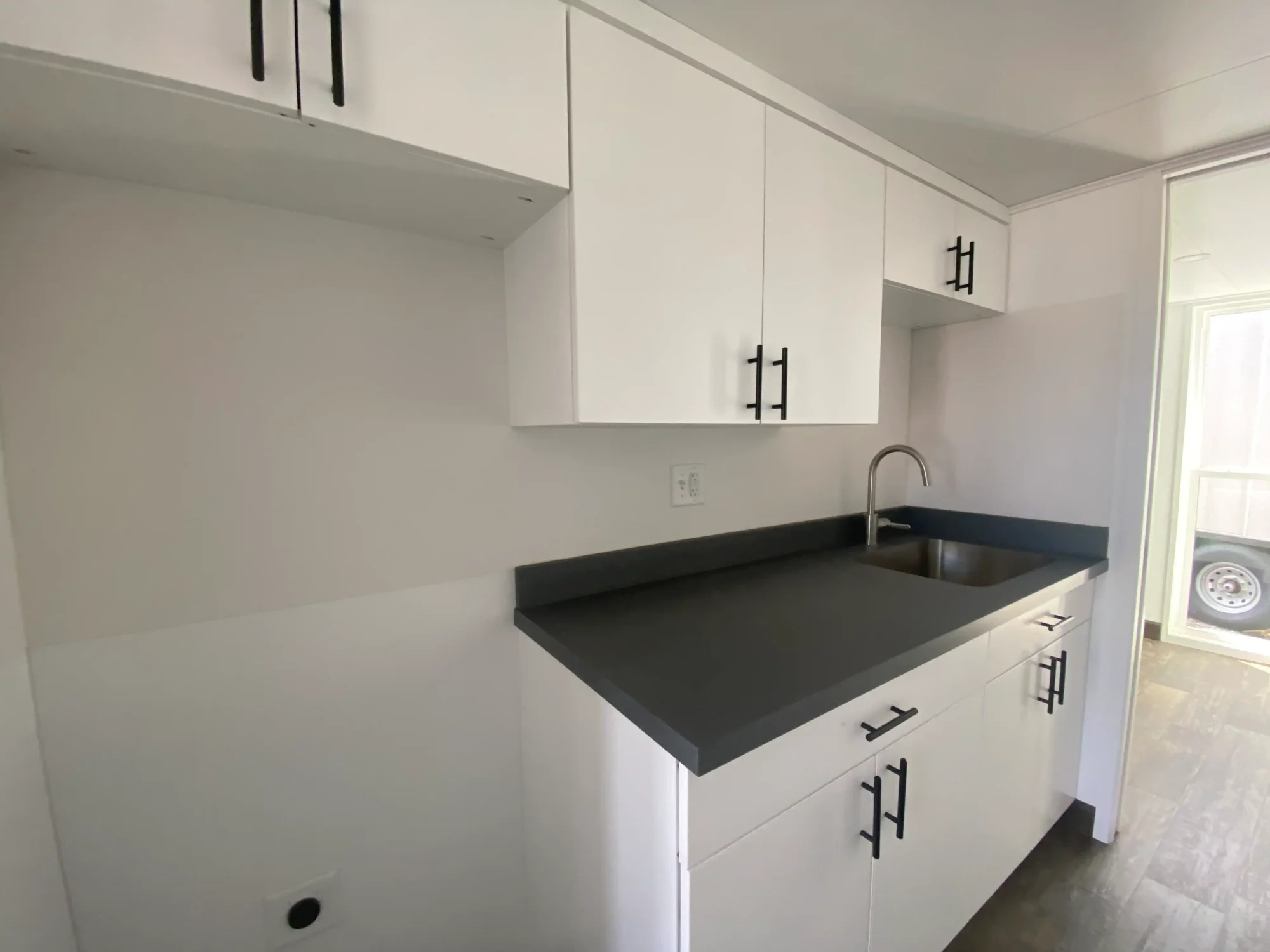
Adding Outdoor Structures For Property Safety
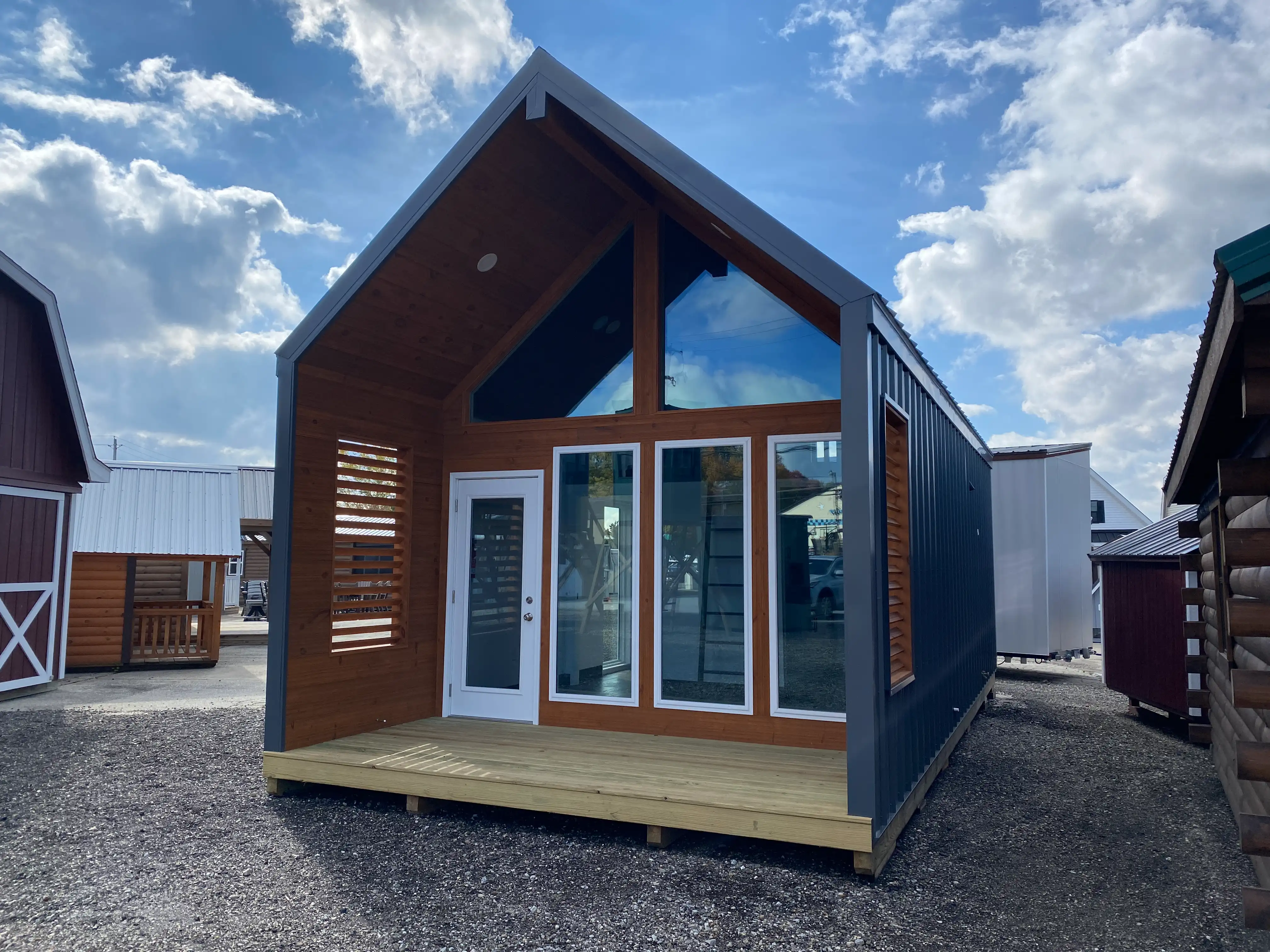
Many homeowners improve overall property organization and safety by adding detached storage buildings. A structure such as a 14×32 Executive Barn provides secure storage for tools and equipment that might otherwise create interior clutter. Removing heavy items from living spaces reduces wear and improves household safety. Organized storage prevents overcrowding and supports a safer home environment. Outdoor buildings complement residential setups by creating designated storage areas.
Vehicle Protection And Property Expansion
Vehicle storage also improves safety and convenience. Adding a 14×14 Executive Modern Garage protects vehicles from severe weather while freeing interior space. Garages reduce driveway congestion and provide sheltered access during storms. Property enhancements like garages and sheds contribute to safer overall living environments by improving organization and accessibility. Thoughtful expansion supports long-term property functionality.
Maintenance As A Long-Term Safety Factor
Even the safest construction standards require ongoing maintenance. Regular roof inspections, HVAC servicing, and plumbing checks preserve performance and prevent hazards. Replacing worn weatherstripping, resealing exterior joints, and monitoring foundation stability protect against deterioration. Safety improves when homeowners treat manufactured homes as permanent residences rather than temporary structures. Long-term performance depends on consistent care. Preventative maintenance strengthens structural integrity and reduces unexpected risks.
Modern Safety Improvements And Industry Advancements
Modern manufacturing processes continue to improve the safety of manufactured housing through better materials and stricter quality control. Advances in engineered lumber, reinforced framing systems, and improved fastening techniques increase overall structural strength. Factory precision allows consistent installation of insulation, vapor barriers, and fire-resistant materials. In addition, updated HVAC systems improve indoor air quality by maintaining proper airflow and reducing moisture buildup. These advancements directly address many of the concerns people raise when asking are manufactured homes safe in today’s market.
Technology has also improved smoke detection systems, carbon monoxide monitoring, and electrical load management, further strengthening residential safety. Manufacturers must document compliance before homes leave the facility, which adds an additional layer of accountability. When combined with professional installation and routine maintenance, these modern improvements create a reliable housing option capable of meeting contemporary safety expectations. As construction standards evolve, manufactured housing continues to close the gap between factory-built and site-built performance in measurable ways.
Conclusion
Are manufactured homes safe under modern standards? When built to HUD code, installed properly, and maintained consistently, manufactured homes provide a secure and durable housing option. Federal regulations, wind zone requirements, and fire safety standards significantly improved structural reliability compared to older mobile homes. Installation quality and maintenance practices remain critical factors in long-term safety. For homeowners seeking additional property solutions that enhance organization and protection, Hartville Outdoor Products offers durable outdoor structures designed to support safe and functional living environments.