
Garage sales are a common sight across neighborhoods in Ohio and throughout the United States. Homeowners use them to clear clutter, sell unused items, and connect with their community. Despite how normal they feel, many people still ask the same question before putting up a sign at the end of the driveway. Are garage sales legal? The full answer depends on where you live, how often you host them, and how you run them. Local laws, zoning rules, and permit requirements can all come into play. Understanding these rules ahead of time can help you avoid fines, complaints, or being forced to shut down early.
This guide walks through how garage sale laws work, what restrictions are common, and what homeowners should know before hosting a sale. If you are planning a weekend sale or thinking about regular selling, this will help you stay on the right side of local regulations.
Garage Sales Are Legal In Most Areas
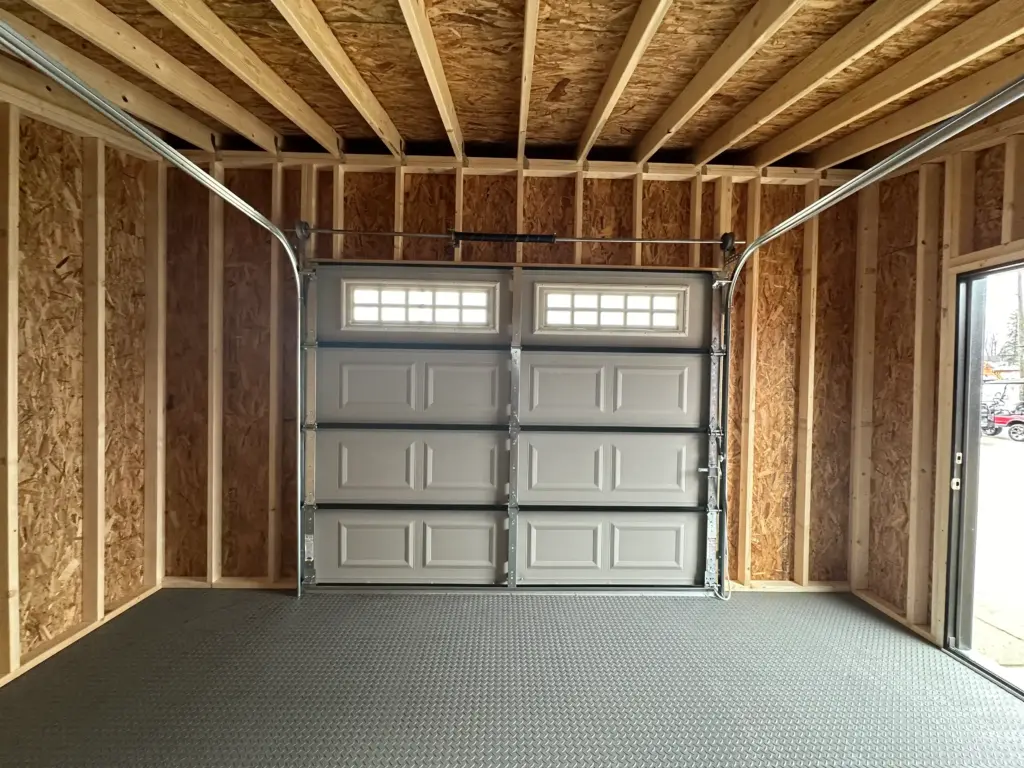
In most cities and townships, garage sales are legal for residential properties. Local governments recognize garage sales as temporary, low impact activities. Because of that, they are usually allowed under residential zoning rules. That said, legality does not mean unlimited freedom. Cities often regulate how garage sales operate to prevent traffic problems, noise complaints, and unlicensed business activity. These rules vary widely, even between nearby towns. The most important thing to understand is that garage sales are governed locally. There is no single statewide law that applies everywhere. Your city, village, or township ordinances control what is allowed.
Do You Need A Permit For A Garage Sale?
Some municipalities require a permit before hosting a garage sale. Others do not. Permit requirements are usually simple and low cost, often ranging from free to around ten dollars. A permit may be required if your city wants to track how many sales happen at each property or control when signs can be posted. In many cases, permits can be obtained online or at city hall in just a few minutes. If a permit is required and you skip it, you could be fined or told to shut down the sale. Checking your local rules ahead of time avoids that headache.
Limits On How Many Garage Sales You Can Have
One of the most common regulations involves how often garage sales are allowed. Many cities limit homeowners to two or three garage sales per year. This rule exists to prevent people from running ongoing retail operations out of residential neighborhoods. Occasional sales are allowed, but frequent sales can start to resemble a business. If you sell items every weekend, local enforcement may consider it a violation of zoning or business licensing rules. Staying within the allowed number of sales helps keep things simple.
Rules About Sale Duration And Hours
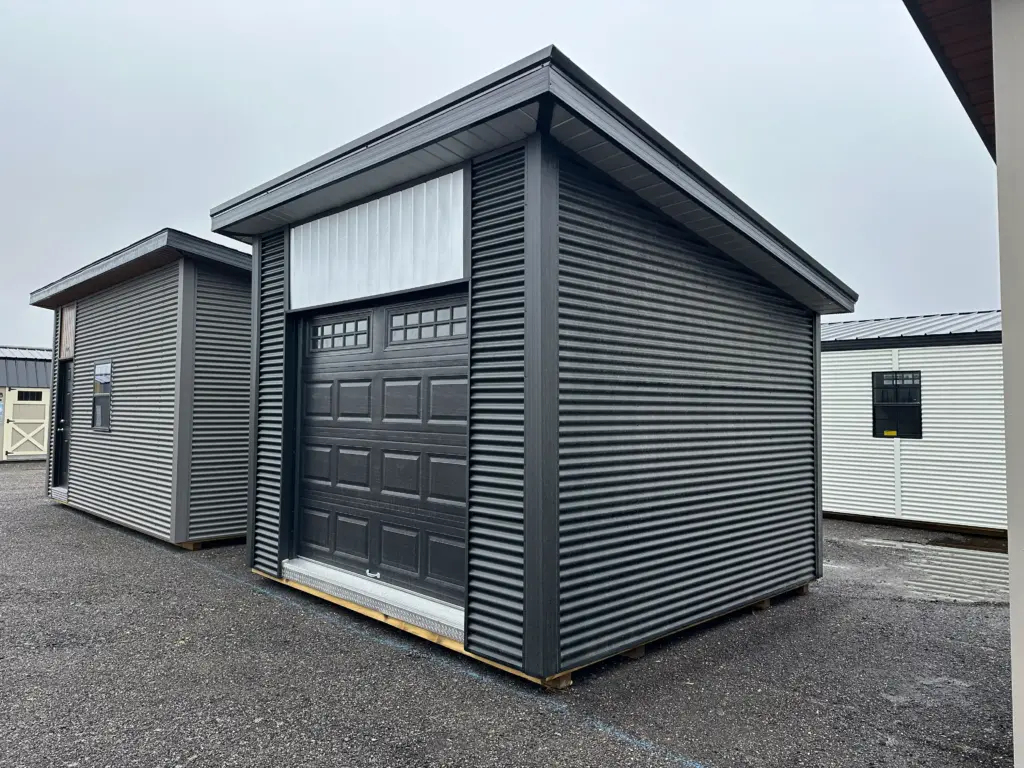
Most ordinances also regulate how long a garage sale can last. A typical rule allows sales to run for one to three consecutive days. There are also limits on daily hours. Sales often must take place during daylight hours, such as between 8 a.m. and 7 p.m. These limits help reduce noise and traffic during early mornings or late evenings. Following posted hours shows respect for neighbors and reduces the chance of complaints.
Signage Restrictions You Should Know
Garage sale signs are helpful, but they are also heavily regulated in many areas. Cities often limit where signs can be placed and how long they can stay up. Common rules include no signs on utility poles, street signs, or medians. Some cities allow signs only on private property with permission. Signs usually must be removed immediately after the sale ends. Leaving them up can result in fines, even if the sale itself was legal.
Zoning Laws And Residential Use
Residential zoning is another factor that affects garage sale legality. Garage sales are allowed because they are temporary and incidental to residential use. Problems arise when sales become frequent, permanent, or commercial in nature. Selling new merchandise, bulk items, or inventory purchased specifically for resale can cross the line. If your sale looks more like a storefront than a one time cleanout, zoning enforcement may step in.
Homeowners Associations May Have Separate Rules
If you live in a neighborhood with a homeowners association, HOA rules can be stricter than city laws. Even if your city allows garage sales, your HOA may limit them or require approval. Some associations only allow community wide sale weekends. Others restrict signage or limit sales to certain times of year. Always check HOA bylaws before planning a sale to avoid fines or disputes.
What Happens If You Break Garage Sale Laws?
Consequences for violating garage sale rules are usually minor, but they can still be frustrating. Common penalties include warnings, small fines, or being told to shut down the sale. Repeated violations or ignoring enforcement notices can lead to higher fines. In rare cases, continued violations may involve zoning hearings. Most issues can be avoided by checking local rules and following them closely.
Using Your Garage Or Outbuildings For Storage And Sales
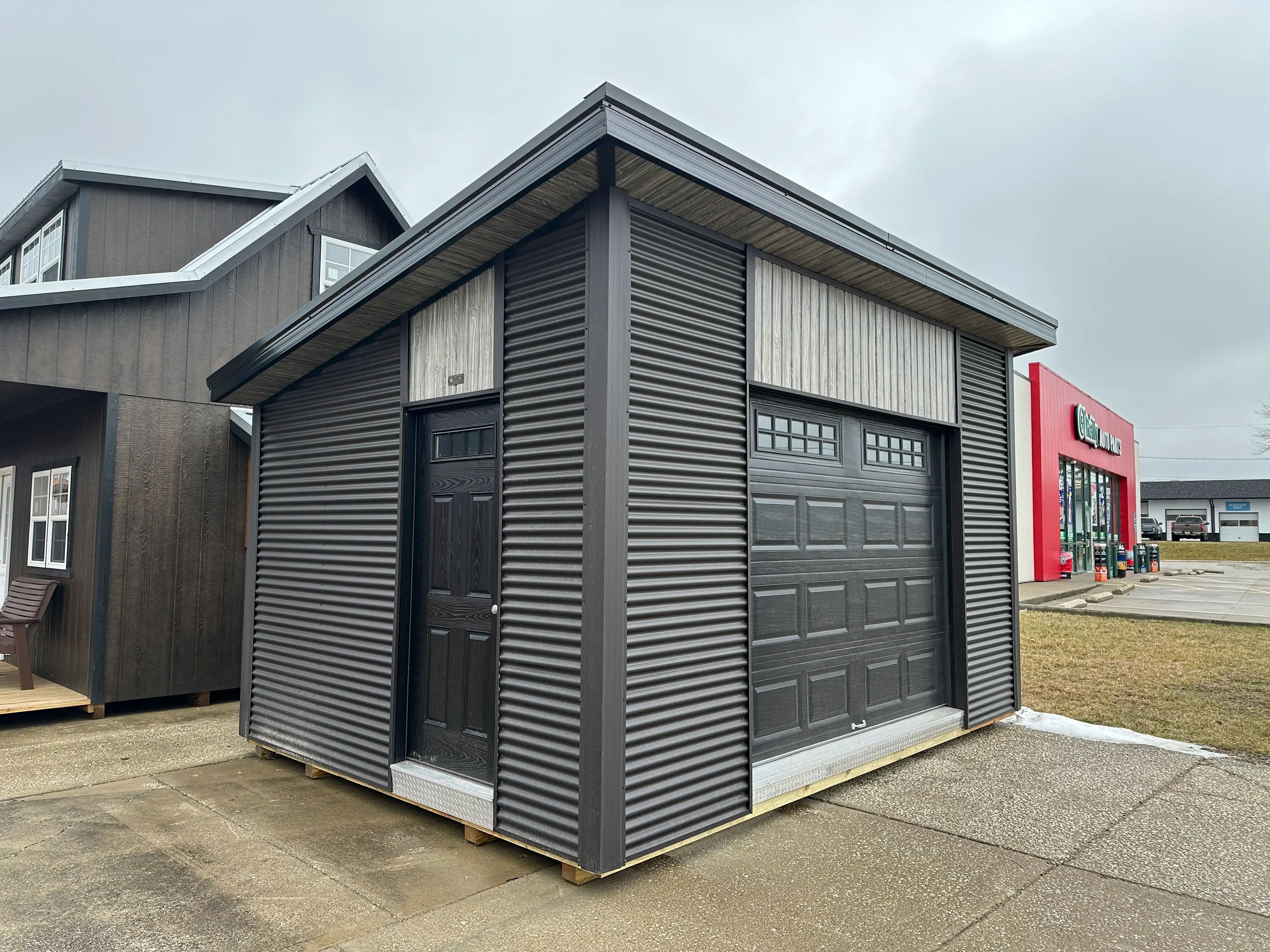
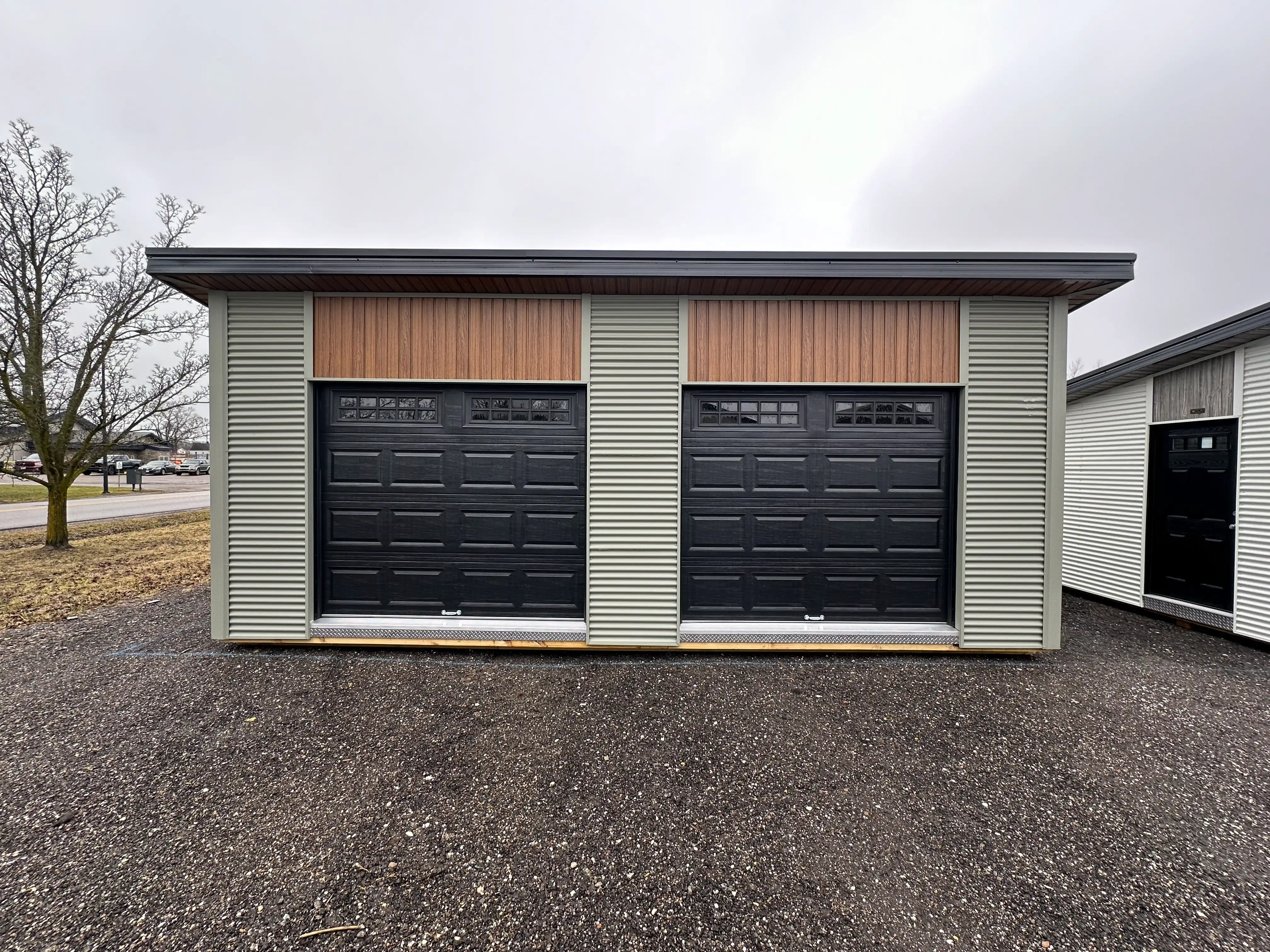
Many homeowners use their garage as a storage space leading up to a sale. Keeping items organized and protected makes setup easier and keeps walkways clear. Some properties benefit from additional storage space, especially when preparing for seasonal cleanouts or large sales. A detached structure can help separate storage from daily living space. Buildings like 14×14 Executive Modern Garage provide secure, weather protected storage that can support organization year round, not just during sale weekends.
Large Garage Sales And Traffic Concerns
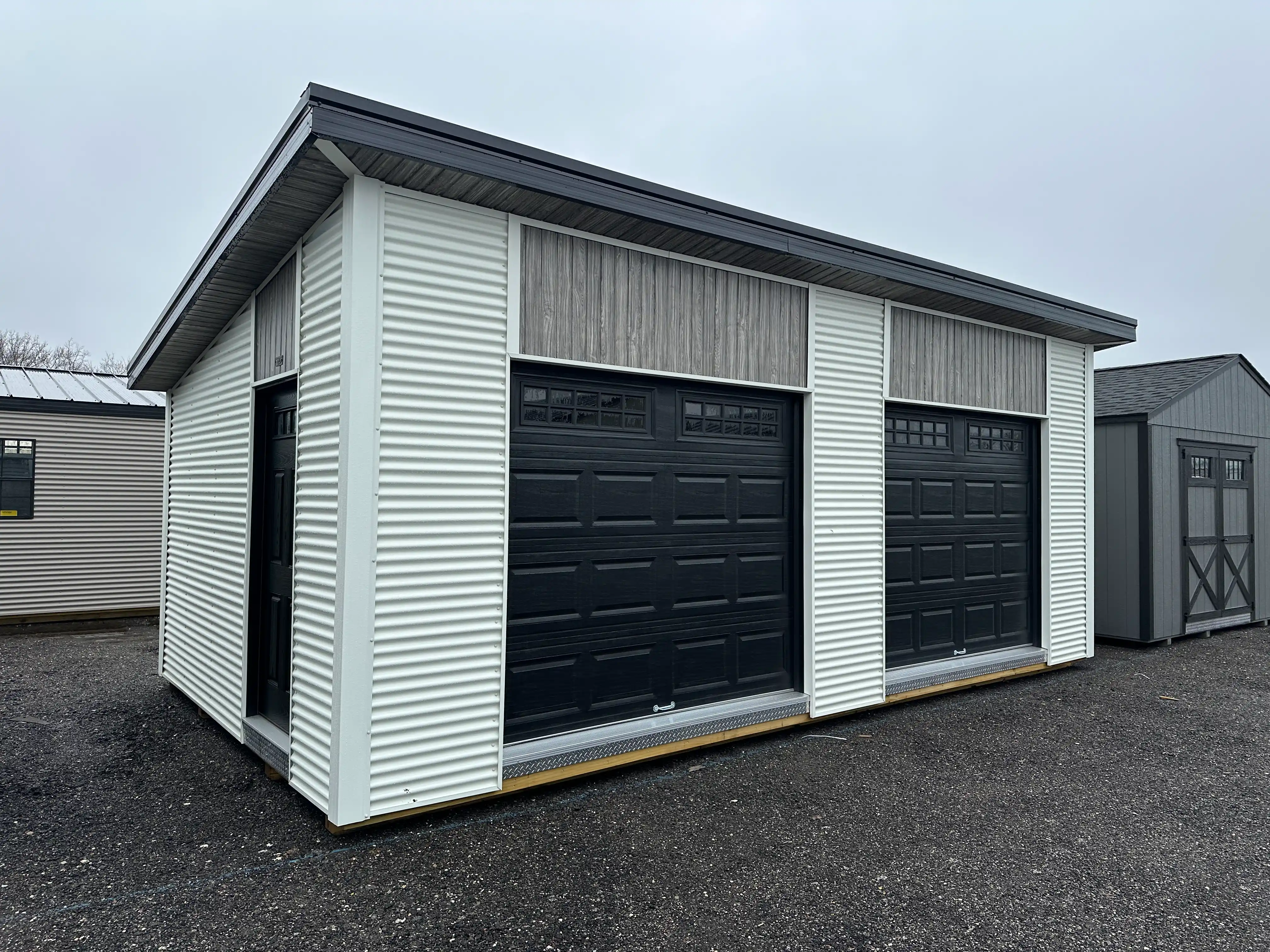
If you expect a large turnout, traffic and parking become important considerations. Cities may step in if a sale creates congestion or safety issues. Keeping cars off neighbors driveways and avoiding blocked sidewalks helps reduce complaints. Posting clear parking guidance can also help. For households that regularly handle larger volumes of items, having dedicated space to stage and organize inventory makes sales smoother.
When A Garage Sale Becomes A Business
There is a clear legal distinction between a garage sale and a business. Selling personal belongings occasionally is allowed. Operating continuous sales for profit may require a business license. If you buy items specifically to resell from your property, local officials may classify it as commercial activity. This can trigger zoning violations and tax requirements. Understanding this line is important for anyone who sells frequently.
Community Wide Garage Sales
Many cities and HOAs organize community wide garage sale weekends. These events often allow more flexibility with signage and traffic. Participating in an organized event can reduce regulatory concerns because permits and notifications are often handled at the community level. These events also attract more buyers, making them a popular option.
How To Check Your Local Garage Sale Laws
The best way to confirm legality is to check your city or township website. Look for sections on zoning, temporary uses, or garage sale ordinances. You can also call your local zoning or code enforcement office directly. They can explain rules clearly and answer questions. For general guidance on zoning principles, the American Planning Association offers helpful educational resources.
Planning Ahead Makes Garage Sales Stress Free
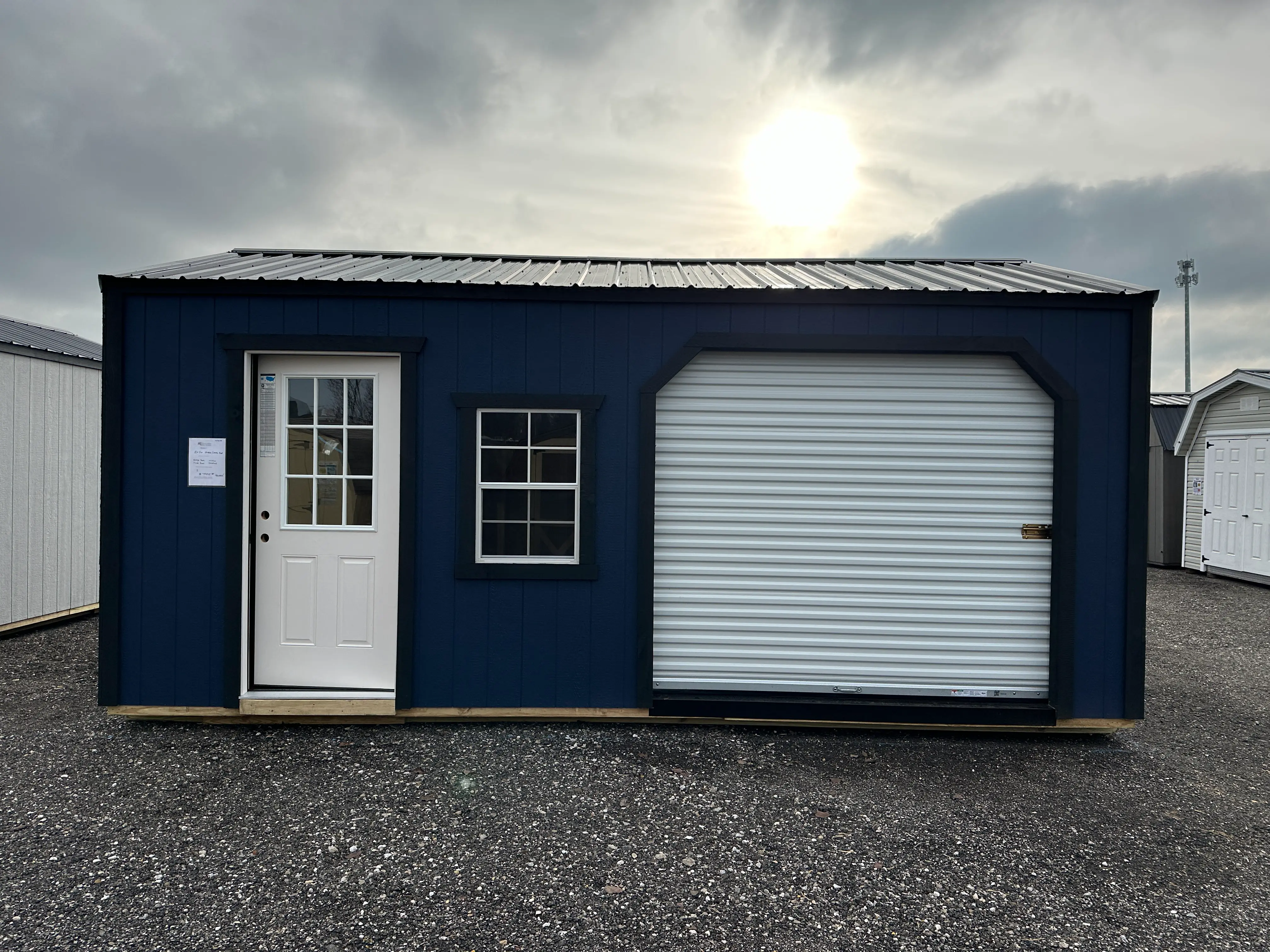
Garage sales remain one of the easiest ways to declutter and earn extra cash. When done legally, they are simple and low risk. Understanding permit requirements, frequency limits, and signage rules helps everything go smoothly. Respecting neighbors and local laws keeps the experience positive. If your household needs more organized storage space throughout the year, structures like a 14×24 Premiere Barn can help keep items protected and accessible without crowding your home.
Conclusion
Garage sales are legal in most areas, but they are regulated locally. Rules exist to protect neighborhoods, not to prevent occasional selling. By checking your city ordinances, following permit rules, and keeping sales occasional, you can host a successful and legal garage sale. For homeowners looking to improve storage, organization, or property value, Hartville Outdoor Products offers a wide range of sheds and garage style buildings designed for real world use.