So, how much is a storage shed? The price can range from a few thousand dollars for a basic backyard building to well over $15,000 for a large or highly upgraded structure. Size, construction material, roof style, doors, windows, flooring, lofts, and site preparation all affect the final cost. As of October 2026, Hartville Outdoor Products lists some barn-style sheds starting around $2,446. Standard wooden and gable sheds generally start around $3,995. Larger premium designs can cost much more.
The purchase price also does not tell the whole story. You may need to prepare a gravel pad, improve site drainage, add a ramp, install shelving, or upgrade the building with extra doors and windows. Delivery conditions can matter too. Therefore, the best way to estimate your budget is to decide how much storage space you actually need first. Then compare shed styles and features within that size range. This approach helps you avoid buying a building that is too small or paying for options that you will rarely use.
How Much Is A Storage Shed On Average?
A basic prefab storage shed can start around $2,500 to $4,000, while larger or more customized buildings can easily reach $6,000 to $15,000 or more. The price rises quickly as the footprint increases. A small shed designed for garden tools costs much less than a structure that can hold a riding mower, bicycles, outdoor furniture, and large storage racks. Premium siding, lofts, larger doors, windows, upgraded roofing, and decorative details also increase the price.
Current Hartville Outdoor Products listings show how widely prices can vary. Barn sheds start around $2,446, while standard peak and gable sheds start around $3,995. Value Series buildings start around $2,495. Designer Series sheds start around $6,446. Two-story structures begin much higher, around $15,995. These figures provide useful examples, but prices can change based on inventory, options, sales, and availability. You can browse storage sheds and barns from Hartville Outdoor Products to compare current styles and sizes before setting your budget.
Shed Size Has A Major Effect On Price
Size is one of the biggest factors that affects shed cost. A compact 8×8 or 8×10 structure uses less lumber, roofing, flooring, and siding than a 12×20 building. It also requires less labor to construct. However, choosing the smallest shed simply to save money can create problems later. Storage needs often grow over time. Lawn equipment, bicycles, seasonal decorations, patio furniture, and household items can fill a small shed quickly.
Think about what you need to store today and what you may add over the next several years. Measure large items such as riding mowers, snow blowers, workbenches, and storage cabinets. Leave enough room to walk between them. You should also consider door clearance. A shed filled wall to wall may provide plenty of square footage on paper but still feel difficult to use. Spending more for a slightly larger building can provide better long-term value than replacing an undersized shed after only a few years.
Building Material Changes The Shed Cost
Wood, vinyl, and metal sheds can fall into different price ranges. Wooden sheds remain popular because they provide a traditional appearance and allow considerable customization. You can add shelves, hooks, workbenches, windows, and other interior features relatively easily. Wood construction can also provide a strong floor and wall system for equipment storage. However, the final price depends on lumber quality, siding, trim, roofing, and other design details.
Vinyl-sided sheds can cost more because they combine a framed structure with a low-maintenance exterior finish. Hartville currently lists vinyl sheds starting around $5,995. Metal buildings also start around $5,995 in its current building categories. These starting prices can change as inventory and product specifications change. Do not compare buildings by exterior material alone. Check floor construction, framing, roof type, door quality, ventilation, and included features. A cheaper shed may require several upgrades before it meets your needs, while a more expensive building may already include those features.

Doors, Windows, Lofts, And Upgrades Increase The Price
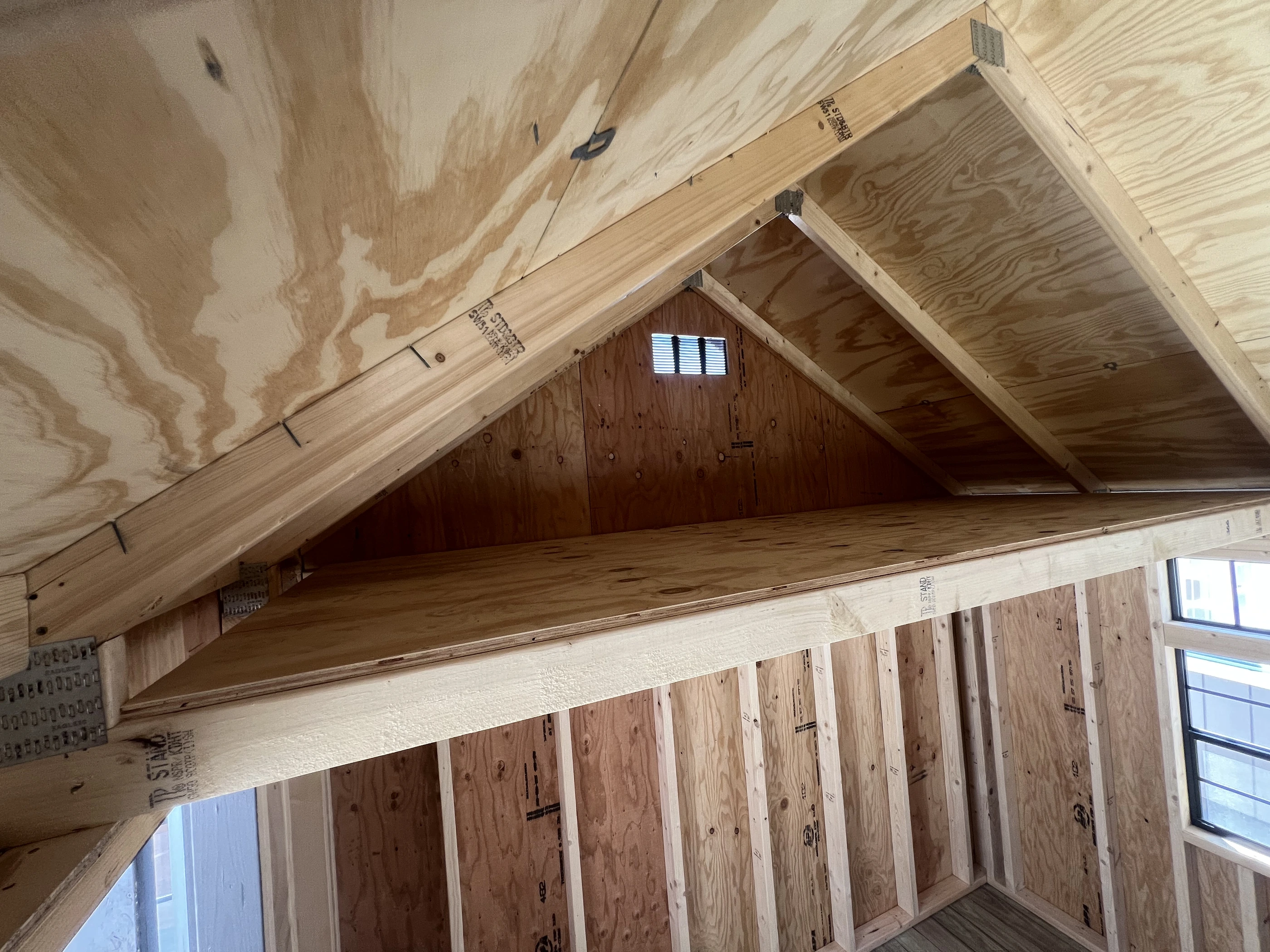
The base shed price usually reflects a particular standard configuration. Adding features can raise the final cost. Extra windows increase natural light and ventilation. Additional doors improve access. Larger double doors make it easier to move lawn equipment in and out. A loft adds overhead storage without increasing the shed footprint. You may also choose upgraded roofing, decorative trim, ramps, shutters, vents, shelves, or different siding options.
Choose upgrades based on how you will use the building. A shed for garden tools may only need basic double doors and ventilation. A workshop can benefit from more windows, electrical planning, and a larger entrance. A mower shed may need a threshold and ramp. Loft storage can help if your yard limits the building footprint. Hartville Outdoor Products currently offers hundreds of prefab outdoor buildings with different layouts and options. Comparing completed buildings can help you understand which upgrades provide real value for your use.
Site Preparation Can Add To Your Shed Budget
The shed itself is only part of the project cost. You also need a stable place to install it. A level gravel pad often provides a good base for a prefab storage building. The exact site preparation depends on the building size, soil, drainage, local requirements, and manufacturer recommendations. A sloped yard can require more excavation and gravel than a naturally level site. Poor drainage may also require additional grading before installation.
Do not place a new shed directly in a low area where water regularly collects. Moisture around the foundation can create long-term problems. Prepare the site before delivery and make sure trucks or installation equipment can reach the location. Removing fences, branches, landscaping, or other obstacles can create extra work. Some properties may also need permits or zoning approval. Include these possible expenses when estimating the total project. A good foundation may add to the initial cost, but it helps protect your investment and keeps the shed stable.

Delivery And Installation Can Affect The Final Cost
Delivery costs depend on the building, destination, access, and installation requirements. A property close to the seller with an open installation area may present fewer challenges than a distant property with narrow access. Large sheds require enough clearance for delivery equipment. Trees, fences, overhead wires, gates, steep slopes, and tight turns can complicate placement. Discuss these conditions before purchasing the building rather than waiting until delivery day.
Ask what the quoted shed price includes. Some sellers may include certain delivery or installation services within a defined area. Others may charge separately based on distance or site conditions. You should also ask whether the building arrives fully assembled or requires construction on site. For general background on common storage-building types, materials, and uses, see sheds on Wikipedia. Understanding the complete process makes it easier to compare prices between sellers instead of comparing only the number shown on the building tag.
Prefab Sheds Can Offer Better Cost Predictability
A prefab shed can simplify budgeting because you can often see the finished building, included features, and listed price before buying. This reduces some of the uncertainty that comes with purchasing materials individually and building from scratch. A professionally constructed prefab building also saves the time required for framing, siding, roofing, door installation, and other construction work. For homeowners without building experience, that convenience can carry significant value.
DIY construction can still make sense for someone with the right tools, skills, and time. However, calculate the full material cost before assuming it will be cheaper. Lumber, plywood, roofing, siding, fasteners, hardware, windows, doors, paint, and foundation materials add up quickly. Tool purchases or rentals can increase the cost too. Mistakes may require additional materials. Compare the complete DIY budget against the price of a finished prefab shed. The cheaper option on paper may not remain cheaper after you account for every part of the project.

Choose A Storage Shed Based On Long-Term Value
When asking how much is a storage shed, focus on total value rather than finding the lowest possible price. Current starting prices can range from roughly $2,500 for basic structures to $15,000 or more for larger and premium buildings. Size, material, construction quality, doors, windows, lofts, roofing, foundation work, and delivery all influence what you ultimately spend. Prices also change, so confirm the current price and included features before making a purchase.
Hartville Outdoor Products offers storage sheds, barns, garages, and other prefab buildings in many sizes and styles. Current inventory includes budget-friendly sheds and larger buildings with extra storage features. Before buying, make a list of everything you need to store and measure larger equipment. Then choose a shed with enough room for comfortable access and future growth. Spending a little more for the right size and useful features can provide better value than buying a smaller shed that you quickly outgrow.