
How To Lubricate Garage Door
Garage doors are used daily, but most homeowners rarely think about maintenance until something starts making noise or stops working smoothly. Over time, moving parts wear down, friction increases, and the door may begin to squeak, jerk, or feel heavier than usual. Regular maintenance helps prevent these issues, and one of the most effective steps is proper lubrication. Learning how to lubricate garage door components correctly keeps the system running quietly and efficiently. It also helps extend the life of important parts such as rollers, hinges, and tracks. Instead of waiting for problems to develop, a simple maintenance routine can keep everything working as it should. Knowing how to lubricate garage door components correctly can reduce noise, improve performance, and help prevent costly repairs.
Why Lubrication Is Important
Garage doors rely on multiple moving parts working together. Rollers glide along tracks, hinges allow sections to bend, and springs help lift the weight of the door. Without lubrication, these parts create friction, which leads to noise and wear. Over time, this can cause parts to fail or require replacement. Proper lubrication reduces friction, allowing components to move smoothly and operate more quietly. Understanding how to lubricate garage door systems helps prevent unnecessary repairs and keeps the entire setup functioning properly.
What Parts Of A Garage Door Need To Be Lubricated?
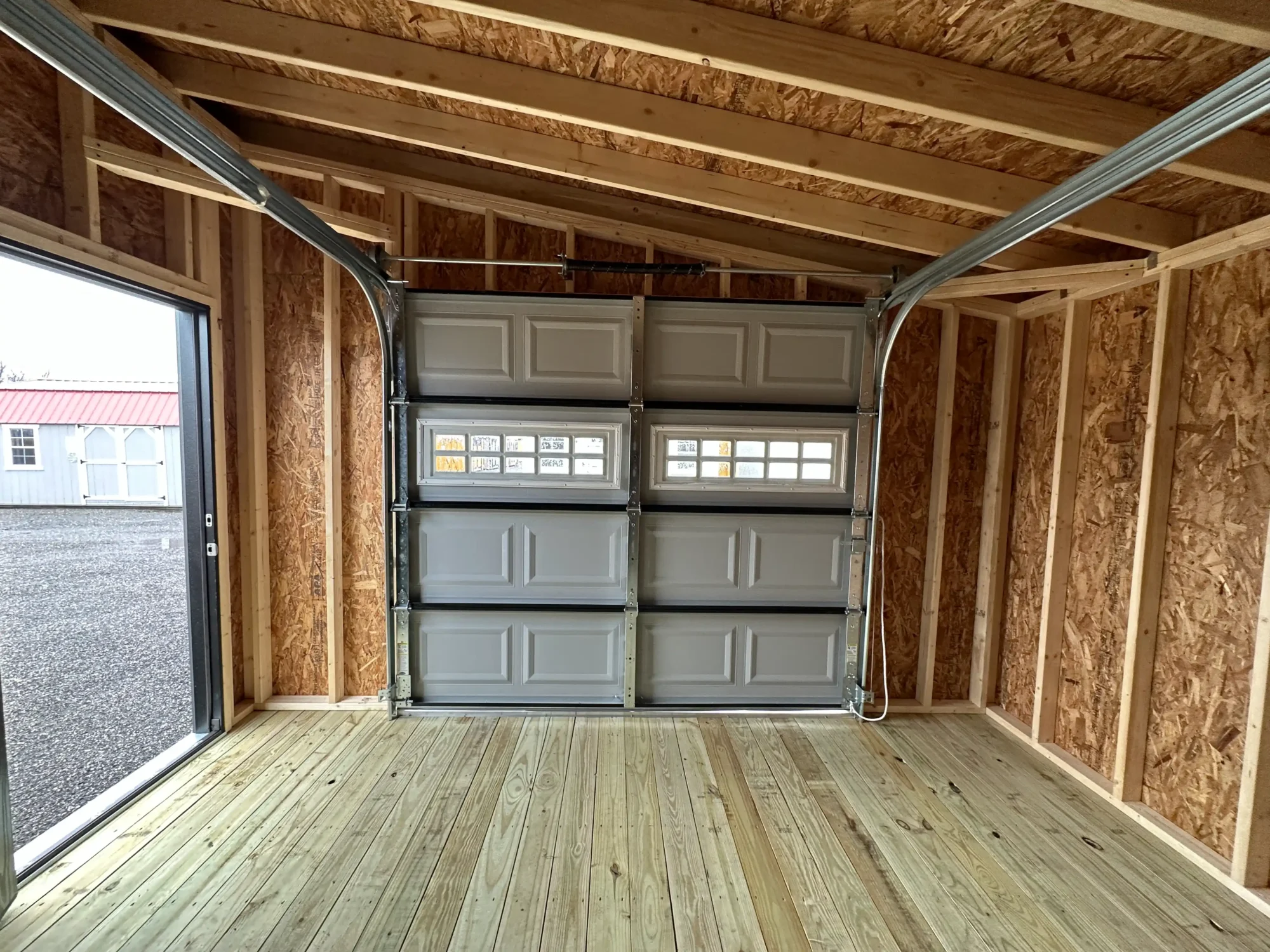
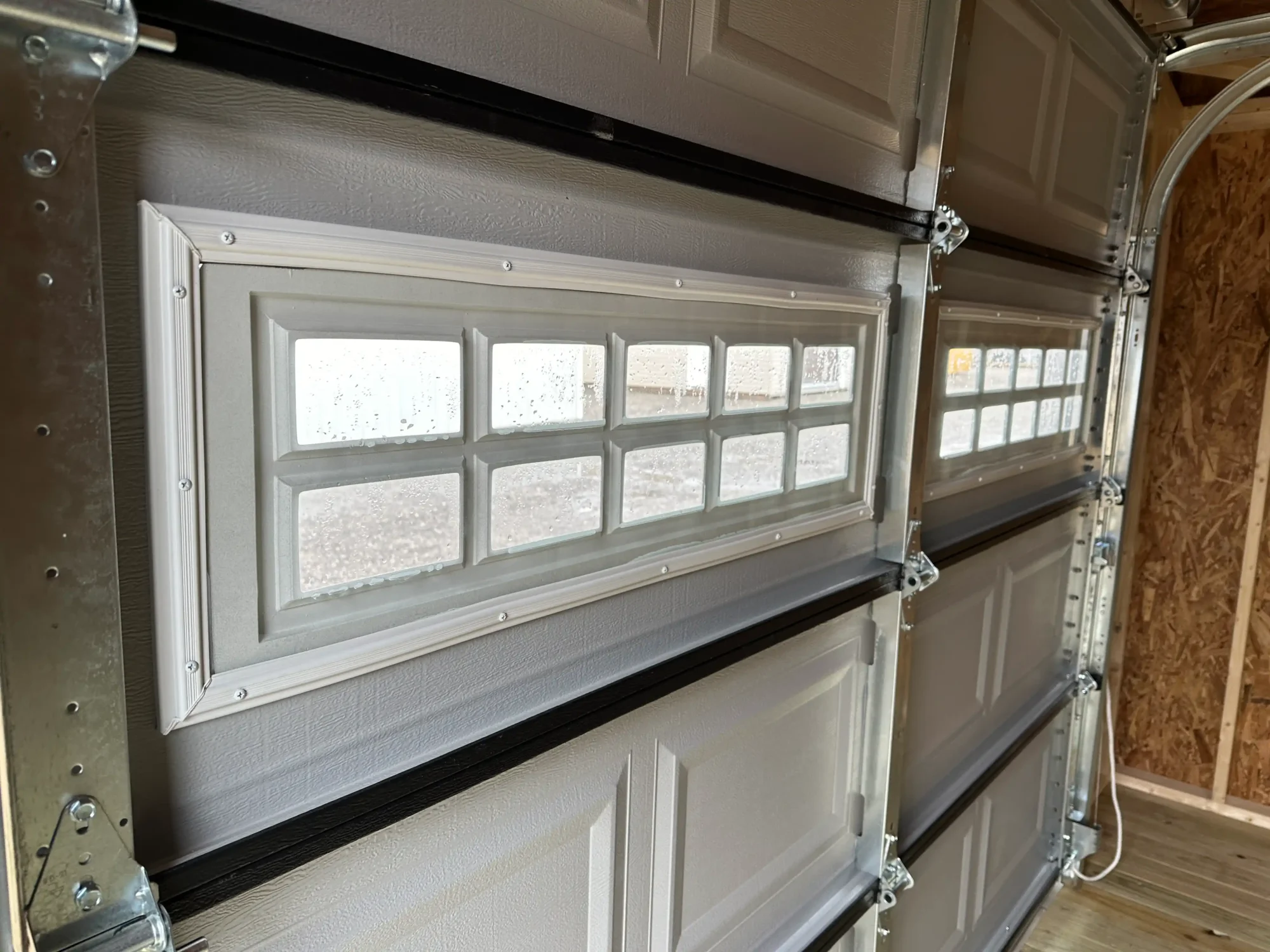
Many homeowners wonder what parts of a garage door need to be lubricated. The most important components include rollers, hinges, springs, bearings, and the opener chain or screw drive if applicable. These parts experience constant movement and friction during operation. Proper lubrication helps reduce wear, minimize noise, and improve overall performance. Tracks should be cleaned regularly but generally should not be heavily lubricated because excess lubricant can attract dirt and debris.
Choosing The Right Lubricant
Using the correct lubricant is essential for proper maintenance. Silicone-based or lithium-based sprays are commonly recommended because they provide smooth movement without attracting too much dust. Can you use WD-40 as a garage door lubricant? While WD-40 can help remove dirt, loosen rust, and clean old residue, it is not designed to provide long-term lubrication for garage door components. For lasting protection, most manufacturers recommend silicone or white lithium lubricants instead. The right lubricant ensures that parts remain protected without causing buildup or residue. While many homeowners look for the best lubricant for garage door tracks, experts generally recommend cleaning tracks rather than lubricating them heavily because excess lubricant can attract dirt and interfere with smooth operation. Selecting a quality product makes a noticeable difference in performance.
Step-By-Step Lubrication Process
Start by disconnecting the garage door opener to ensure safety. Manually open and close the door to identify areas that need attention. Apply lubricant to the rollers, hinges, springs, and bearings, focusing on all moving joints. If your opener uses a chain drive system, apply a small amount of lubricant to the chain as recommended by the manufacturer. Avoid spraying lubricant directly onto the tracks. Use small amounts to prevent buildup and wipe away any excess product. After applying lubricant, operate the door several times to distribute it evenly across all moving components and ensure smooth operation.
Cleaning Before Lubrication
Before applying lubricant, it is important to clean the components. Dirt and debris can prevent lubricant from working effectively. Wipe down rollers, hinges, and tracks using a clean cloth. Removing buildup ensures that the lubricant can reach the moving parts directly. This step improves overall performance and prevents future issues caused by dirt accumulation.
How Often To Lubricate Garage Door Parts
Regular maintenance keeps the system running efficiently. Most garage doors benefit from lubrication every three to six months, although heavily used doors may require more frequent maintenance. Establishing a routine helps prevent wear and keeps everything operating smoothly. Consistency is key when it comes to maintaining garage door performance.
How Do I Know If My Garage Door Needs Lubrication?
Several signs indicate that lubrication is needed. Squeaking or grinding noises are the most obvious indicators. The door may also move unevenly or feel heavier than usual. If the system seems slower or less responsive, it may be due to increased friction. Recognizing these signs early allows you to address the issue before it becomes more serious.
Common Mistakes To Avoid
One common mistake is over-lubricating components. Excess lubricant can attract dust and create buildup, which leads to further issues. Another mistake is applying lubricant to the tracks, which should remain clean and dry. Using the wrong type of lubricant can also reduce effectiveness. Avoiding these mistakes ensures that maintenance efforts provide the desired results.
Impact On Overall Garage Performance
Proper lubrication improves not only the door’s movement but also the performance of the entire garage system. A well-maintained door operates quietly, reduces strain on the opener, and minimizes wear on components. This contributes to a longer lifespan and fewer repairs. Regular maintenance keeps everything functioning as intended and enhances overall reliability.
Upgrading Your Garage Space
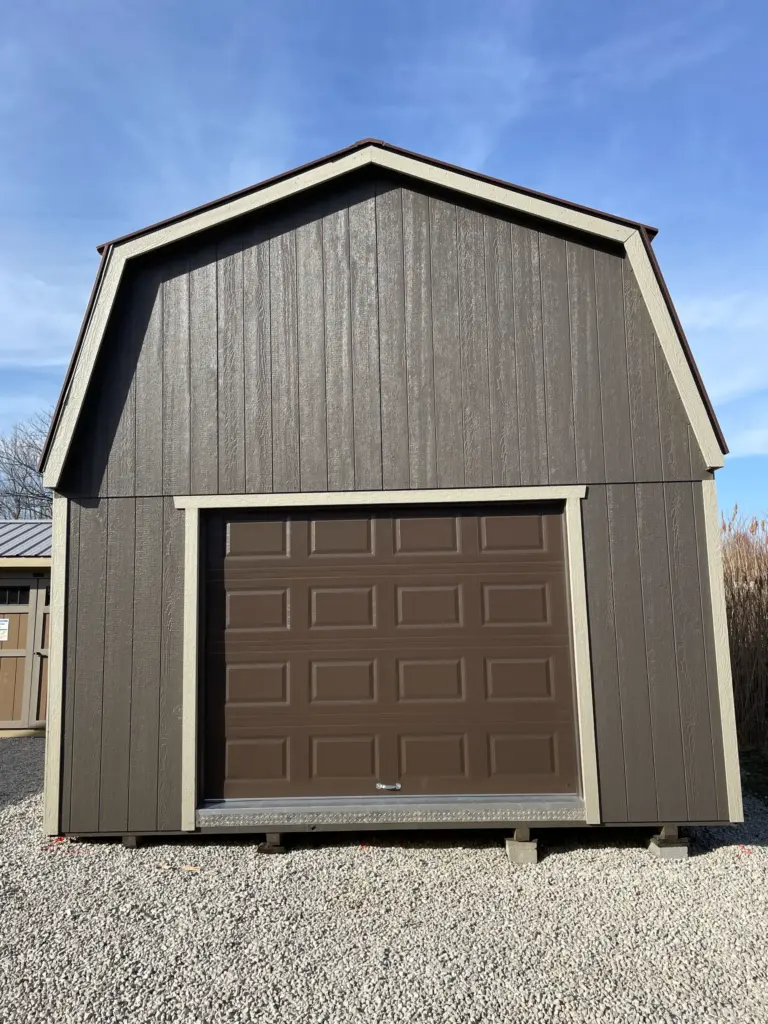
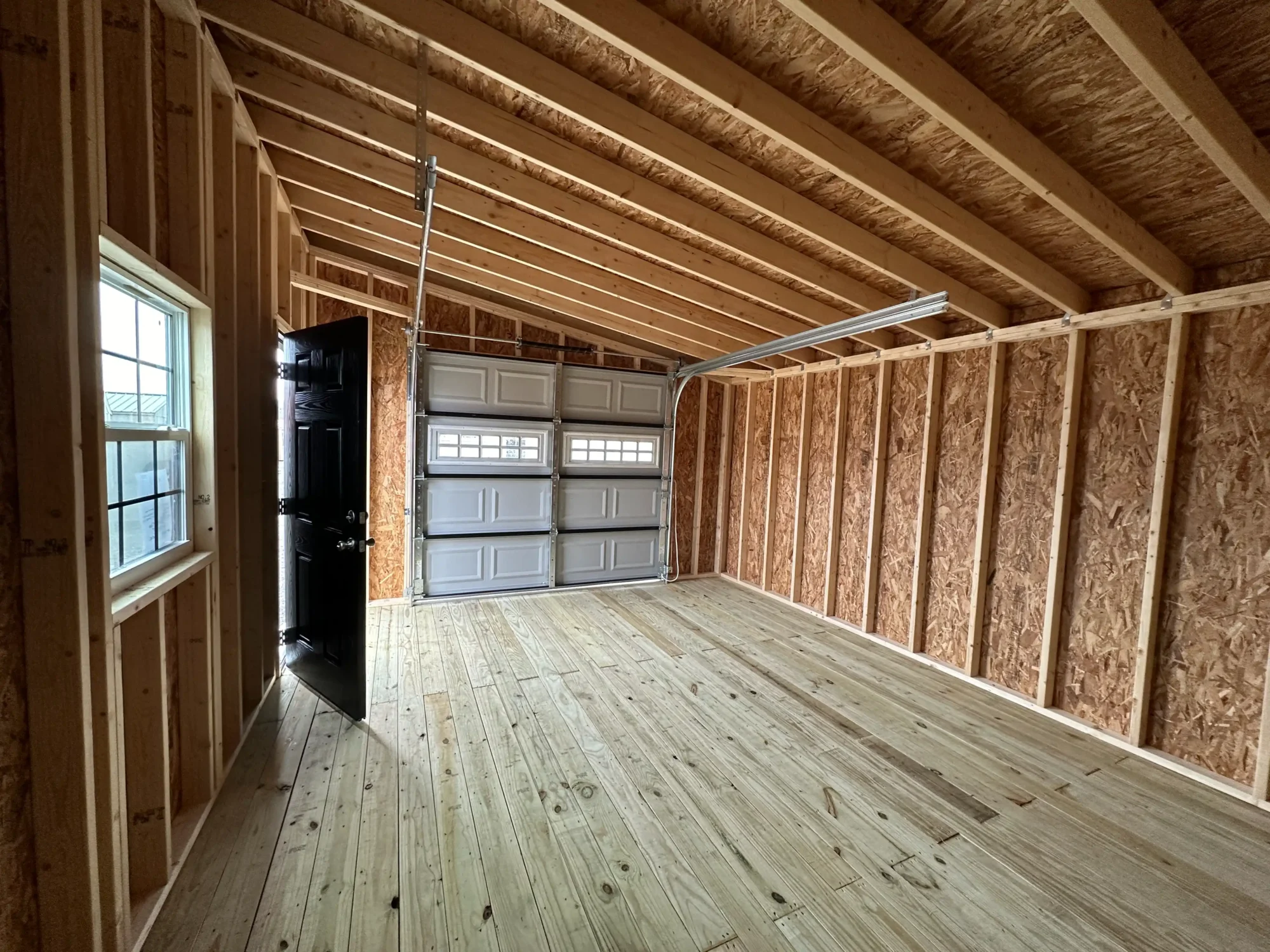
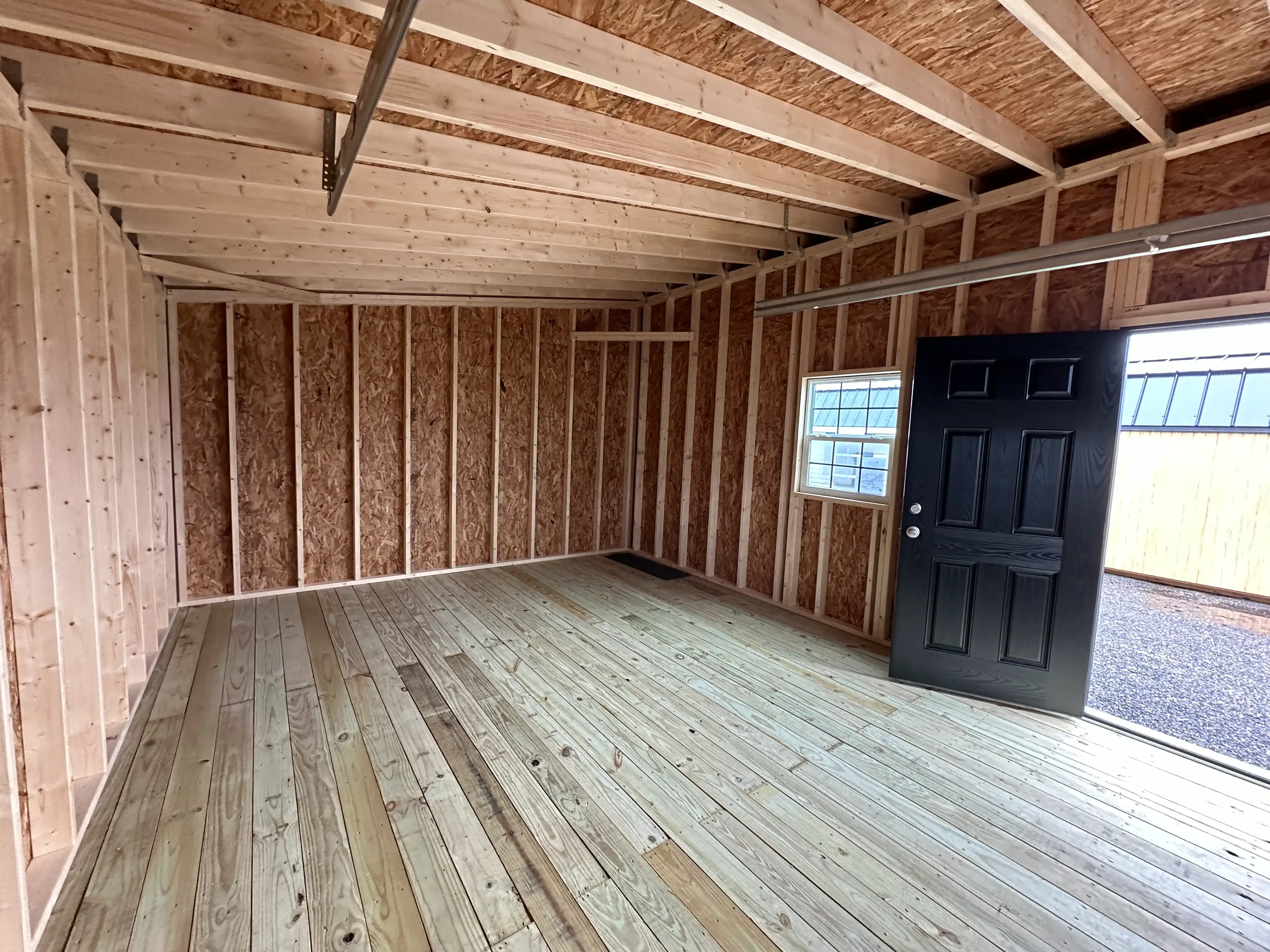
While proper lubrication helps maintain garage door performance, the overall condition of your garage can also affect functionality and long-term durability. A well-designed garage provides better protection from weather, helps organize vehicles, tools, and equipment, and creates a more practical space for everyday use. For homeowners looking to improve their setup, a structure like the 2-Story Workshop Garage offers a durable and functional space designed for long-term use. A quality garage setup complements the performance of your door system and adds value to your property.
Expert Maintenance Recommendations
According to guidance from the Family Handyman, regular inspection and lubrication of moving parts are essential for keeping garage doors in good condition. Experts also recommend checking rollers, hinges, springs, and opener components during routine maintenance. Addressing minor issues early can prevent more expensive repairs later. A few minutes of maintenance several times a year can significantly improve reliability and extend the lifespan of the entire system.
Conclusion
Regular garage door lubrication is one of the simplest ways to improve performance, reduce noise, and extend the lifespan of moving components. Proper maintenance helps prevent wear, improves reliability, and keeps the system operating smoothly throughout the year. By focusing on key parts and using the right products, homeowners can extend the life of their garage door and avoid costly repairs. For those looking to enhance their overall garage setup with durable and functional structures, Hartville Outdoor Products offers solutions designed to support long-term performance and usability.