
Can Manufactured Homes Have Basements
Can manufactured homes have basements is a question many buyers ask when exploring long-term housing options. Manufactured homes are often associated with crawl spaces or pier foundations, yet modern installation methods allow for far more flexibility. The short answer is yes, manufactured homes can have basements, but proper engineering, planning, and professional installation are required. A basement must be designed to support the structural load of the home while complying with federal HUD standards and local building codes. Adding a basement increases usable square footage and improves storm protection, storage capacity, and resale potential. However, it also increases construction costs and requires careful site preparation. Understanding whether manufactured homes can have basements involves reviewing foundation systems, drainage considerations, installation procedures, and long-term structural performance.
Manufactured Home Foundations
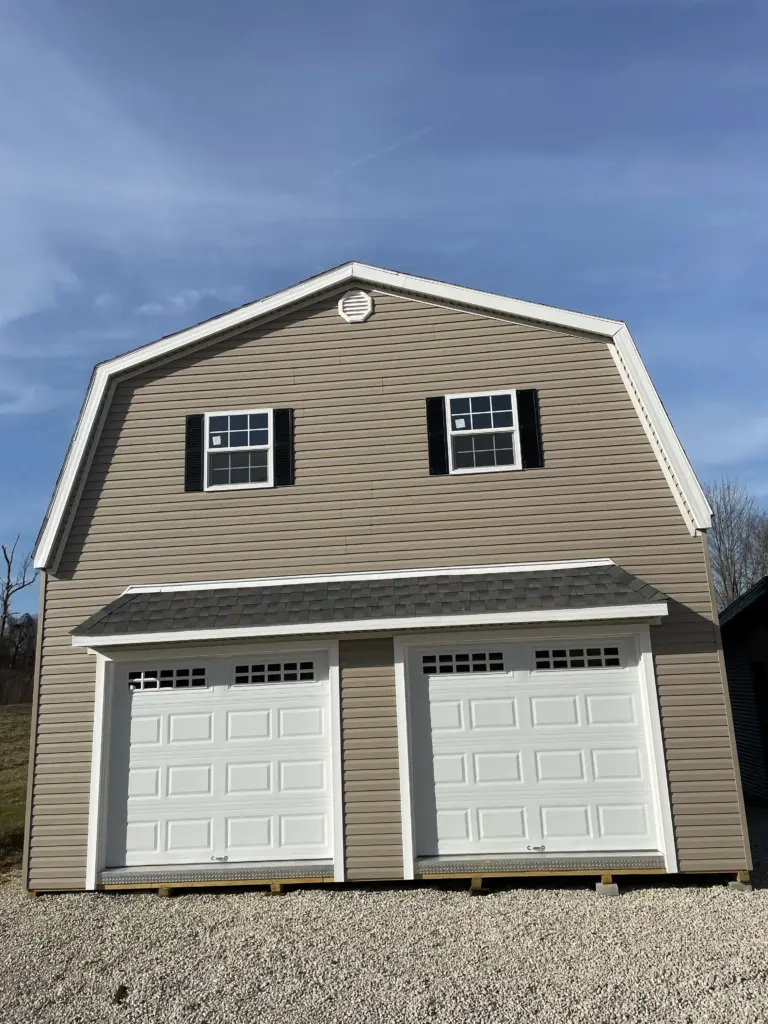
Manufactured homes are built in factory-controlled environments and transported to their installation site. While many are placed on pier and beam systems or concrete slabs, permanent foundations are fully compatible with HUD-code homes. A basement foundation qualifies as a permanent foundation when it meets local and federal engineering requirements. The home must be securely anchored to the basement walls using approved tie-down systems. Proper load distribution ensures structural stability over time. Buyers who ask can manufactured homes have basements should understand that the basement essentially replaces a slab or crawl space. Engineering approval ensures the foundation supports the home’s weight and maintains compliance with housing standards.
Structural Requirements For Basement Installation
Adding a basement requires reinforced concrete walls, proper footings, and drainage systems designed to prevent moisture intrusion. The home’s frame must align with foundation anchor points to ensure stability. Professional installers carefully lower the manufactured sections onto the prepared basement structure using cranes. Once placed, the home is secured and sealed to prevent air and water infiltration. According to building guidance from the International Code Council, foundation systems must comply with structural and safety standards that vary by region. Basement installations require precise engineering to ensure both the home and foundation perform as a unified structure.
Benefits Of Having A Basement
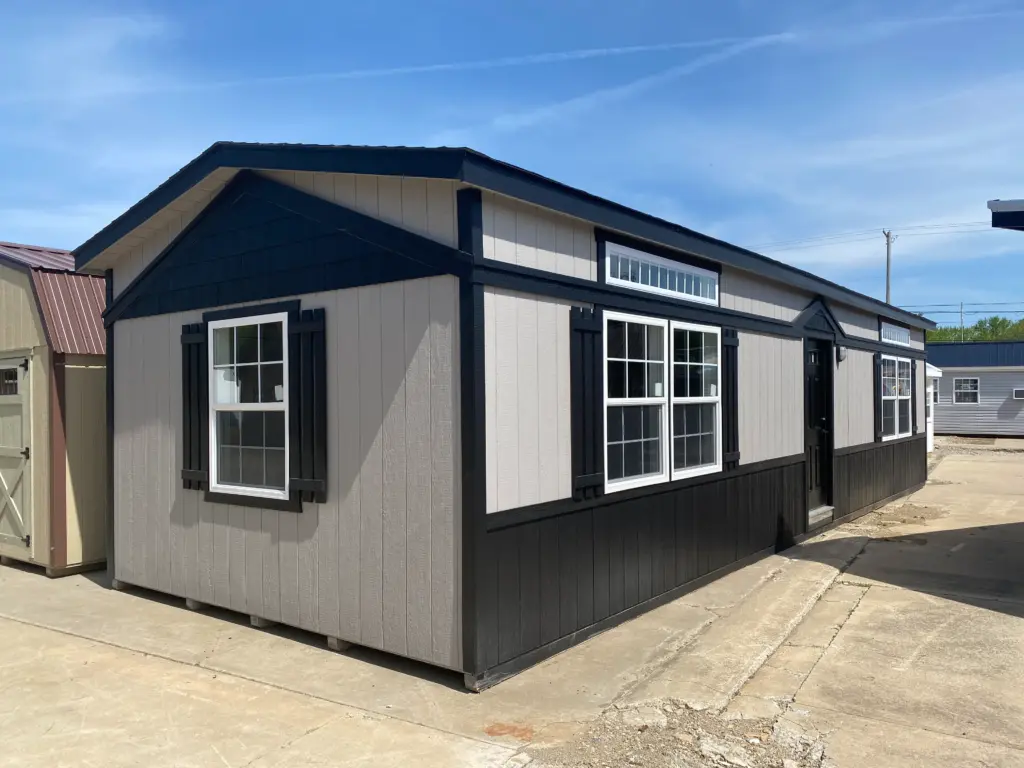
Homeowners who install basements gain additional living or storage space without expanding the home’s footprint. A basement can serve as a recreation area, mechanical room, storm shelter, or finished living space. In regions prone to severe weather, basements offer increased protection compared to above-ground structures. The additional square footage may also enhance resale appeal. Buyers evaluating can manufactured homes have basements often focus on long-term usability and property value. When finished properly, a basement can nearly double usable interior space. This added functionality makes basement installation attractive for families who anticipate long-term residence.
Cost Considerations
While basements provide benefits, they also increase upfront costs. Excavation, reinforced concrete, drainage systems, waterproofing, and labor significantly raise installation expenses compared to slab foundations. Costs vary based on soil conditions, frost depth, and local labor rates. Buyers must weigh whether additional square footage justifies the investment. Financing may also change if the home is classified as real property on a permanent foundation. In many cases, a basement improves appraisal value, but initial construction requires careful budgeting. Understanding total project cost ensures realistic expectations before proceeding.
Drainage And Waterproofing Factors
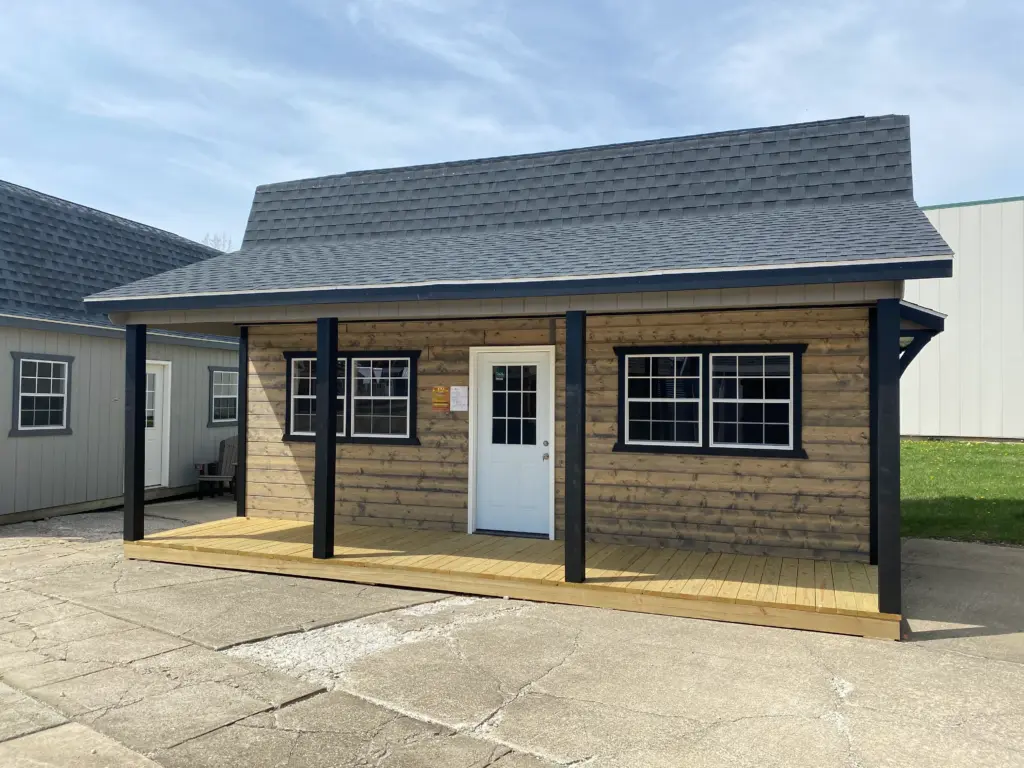
Moisture management plays a critical role in basement performance. Proper grading directs water away from the structure, while perimeter drains and sump systems prevent groundwater intrusion. Waterproof coatings applied to foundation walls further protect against leaks. Without adequate drainage, basement installations may face long-term moisture challenges. Site evaluation before construction identifies soil type and water table levels. Addressing these factors early protects structural integrity and prevents costly remediation later.
Comparison Of Foundation Types
The following table compares common foundation types used with manufactured homes and highlights how basements differ from other options.
| Foundation Type | Installation Cost | Storage Capacity | Structural Stability | Long-Term Value Impact |
|---|---|---|---|---|
| Pier And Beam | Lower | Minimal | Moderate | Limited Appreciation |
| Concrete Slab | Moderate | None | High | Stable Market Value |
| Crawl Space | Moderate | Limited | High | Moderate Value Increase |
| Full Basement | Higher | Extensive | Very High | Strong Long-Term Value Potential |
As shown above, basements require greater investment but offer expanded space and improved resale potential compared to alternative foundation systems.
Property Planning And Storage Expansion
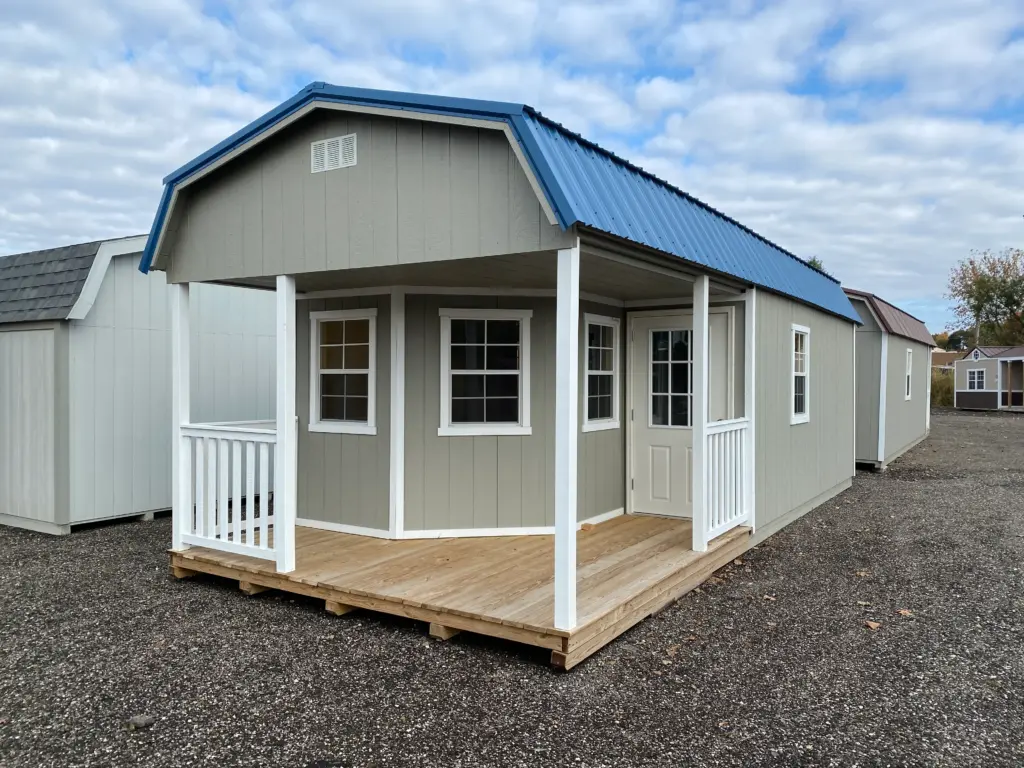
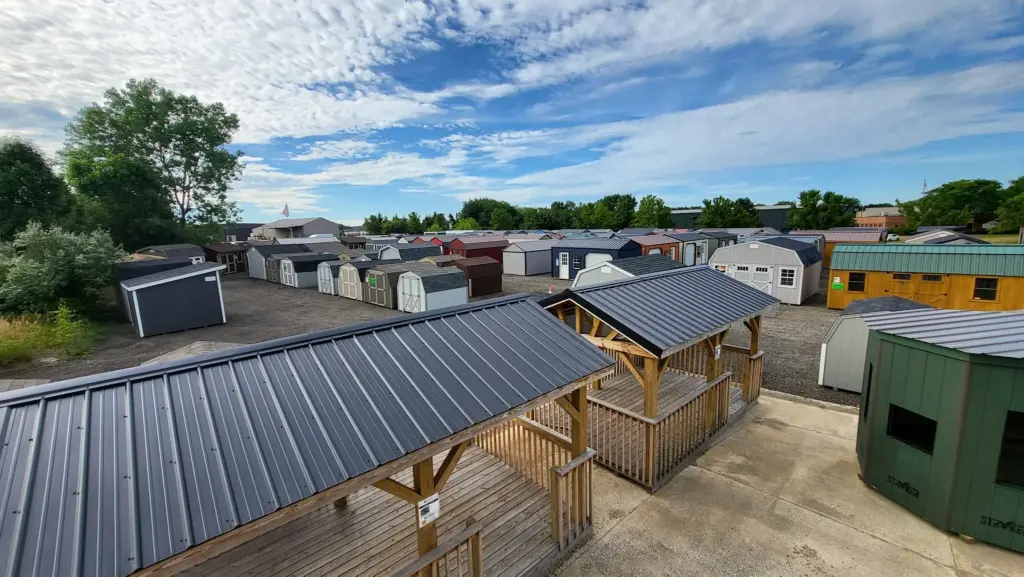
Many homeowners who install basements also enhance property organization with detached structures. A building such as a 14×32 Executive Barn provides secure storage for lawn equipment and seasonal tools. Keeping heavy equipment outside the home preserves interior finishes and reduces wear. Outdoor storage complements basement use by separating mechanical storage from living space. Strategic planning improves overall property functionality and long-term value.
Vehicle Protection And Utility Space
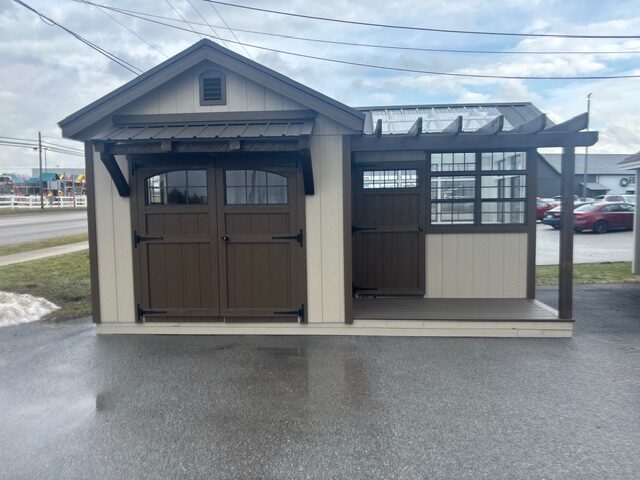
In addition to basements, some homeowners expand functionality by adding detached garages. A 14×14 Executive Modern Garage protects vehicles and equipment while freeing basement space for recreation or living use. Combining a basement with exterior storage creates a balanced property layout that rivals traditional site-built homes in usability. These additions enhance both comfort and organization.
Resale And Market Perception
Manufactured homes installed on permanent foundations with basements often experience stronger market perception than those on temporary supports. Buyers frequently view permanent foundations as indicators of stability and longevity. Appraisers typically classify basement installations as real property improvements, which can positively influence valuation. Market conditions vary by region, but permanent installations generally attract broader buyer interest. Long-term ownership benefits from thoughtful upgrades that align with local housing expectations.
Basement Finishing And Future Expansion
When considering can manufactured homes have basements, buyers should also think about future finishing potential. An unfinished basement provides immediate storage and mechanical space, but it can later be converted into additional living areas such as bedrooms, home offices, or entertainment rooms. Finishing a basement requires insulation, proper egress windows, electrical work, and moisture control systems that meet local building codes. Planning for these upgrades during the initial foundation construction can reduce future renovation costs.
Installing plumbing rough-ins or additional electrical capacity at the beginning simplifies expansion later. A well-designed basement offers flexibility that adapts to changing household needs over time. Families who anticipate growth often find this added space especially valuable. By viewing a basement as long-term expansion rather than just storage, homeowners can increase comfort and functionality while improving overall property appeal. Thoughtful planning ensures the basement remains dry, efficient, and adaptable for decades.
Conclusion
Can manufactured homes have basements? Yes, when properly engineered and installed on permanent foundations that meet code requirements. Basements increase usable space, improve storm protection, and enhance resale appeal, though they require greater initial investment and careful drainage planning. Professional installation ensures structural alignment between the home and foundation. For homeowners seeking to expand storage and functionality alongside basement installation, Hartville Outdoor Products offers durable outdoor structures designed to complement residential properties and support long-term organization.