
Can Manufactured Homes Be Moved
Can manufactured homes be moved is a common question among buyers who value flexibility or are purchasing pre-owned units. Manufactured homes are built in sections and transported to their initial site, which naturally leads many people to assume they can simply be relocated again whenever needed. While the answer is yes, manufactured homes can be moved, the process is not simple or inexpensive. Relocation involves professional disassembly, transportation permits, escort vehicles, reinstallation, and foundation work at the new site. The condition of the home, its age, and how it was originally installed all affect whether moving it is practical. Understanding can manufactured homes be moved requires examining structural considerations, legal requirements, and financial implications before making a decision. Moving a manufactured home is possible, but it demands planning and professional coordination.
How Manufactured Homes Are Originally Transported
Manufactured homes are built in controlled factory environments and then transported in one or more sections to their first location. During initial delivery, specialized carriers support the frame and axles that are temporarily attached beneath the structure. Once the home reaches its destination, installers remove transportation components and secure the structure to a foundation system. Because these homes are engineered for at least one transport, many assume relocation remains straightforward. However, once a home is installed and connected to utilities, moving it again requires reversing much of the setup process. The age and structural integrity of the frame significantly affect whether relocation remains safe and feasible.
Structural Considerations Before Moving
Before relocating a manufactured home, professionals inspect the frame, undercarriage, and structural components. Over time, exposure to weather and settling may weaken certain areas. Homes placed on permanent foundations often require additional preparation before detachment. If structural components have deteriorated, moving the home may risk damage. When homeowners ask can manufactured homes be moved safely, the honest answer depends on condition. Older homes built decades ago may not tolerate another transport as well as newer models. Professional evaluation ensures that relocation does not compromise structural integrity.

Permits And Legal Requirements
Relocating a manufactured home involves more than physical transport. Local and state regulations govern oversize loads, zoning compliance, utility reconnection, and foundation requirements at the new site. Before moving, homeowners must verify that the destination property allows manufactured housing under local land use codes. Zoning classifications can restrict placement, even if transport is approved. The American Planning Association outlines how zoning and land use regulations influence housing placement decisions across municipalities. More information about zoning frameworks and land use considerations can be found through the American Planning Association. Reviewing local ordinances before scheduling relocation helps prevent delays, denied permits, or costly site adjustments after transport has already occurred.
Cost Of Moving A Manufactured Home
The cost of relocation often surprises homeowners. Expenses typically include detaching the home, transporting sections, obtaining permits, preparing the new foundation, and reconnecting utilities. Single-section homes may cost several thousand dollars to move, while multi-section homes can cost significantly more. When evaluating can manufactured homes be moved affordably, homeowners should compare relocation costs with the value of purchasing a new unit. In some cases, moving makes financial sense, especially if the home is relatively new and in excellent condition. In other situations, relocation expenses approach the cost of replacement.
Reinstallation And Foundation Setup
Once transported, the home must be installed properly at its new location. Professional installers level the structure, secure it with anchoring systems, and reconnect plumbing and electrical systems. Proper foundation preparation ensures long-term stability and safety. Skirting and vapor barriers must also be restored to protect the undercarriage. The quality of reinstallation affects performance just as much as the original setup. Poor leveling can lead to structural stress and door misalignment. Careful site preparation protects long-term durability.
When Moving Makes Sense
Relocation often makes sense when land ownership changes or when homeowners move to private property from a leased community. Buyers who already own land may find value in transporting an existing home rather than purchasing a new structure. The decision depends on age, condition, and market value. If the home retains strong structural integrity, relocation can extend its useful life in a new setting. Planning remains essential before committing to the process.
Adding Storage During Relocation
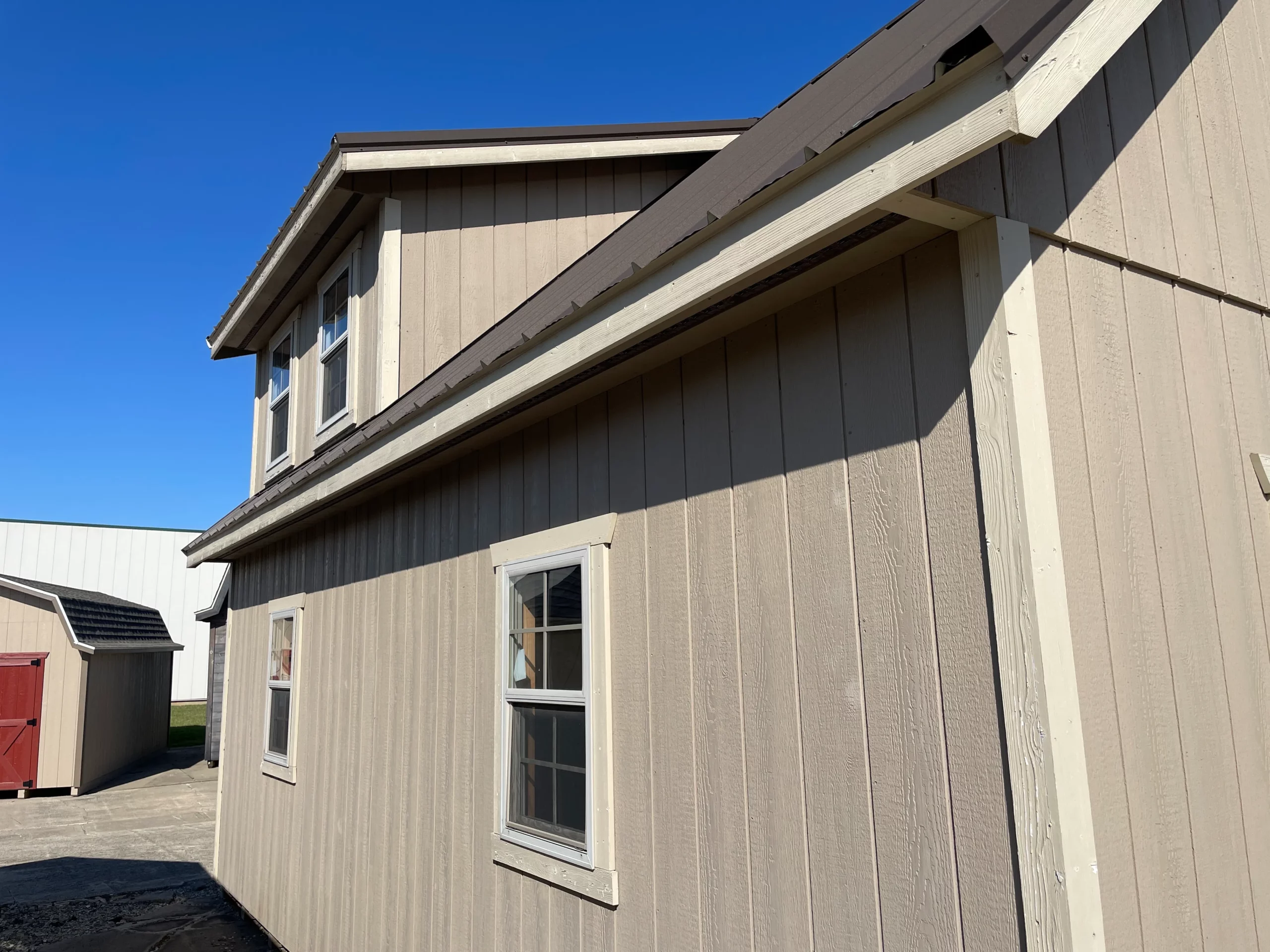
Many homeowners use relocation as an opportunity to upgrade property organization. Adding a detached structure such as a 14×28 Executive Barn provides secure storage for items that may otherwise crowd interior living space. Relocation often highlights storage limitations, especially when downsizing land or reorganizing property layout. A dedicated storage building improves flexibility and keeps heavy equipment outside the main residence.
Vehicle Protection At The New Location
Moving to a new property also creates opportunities for expanded functionality. Installing a 14×14 Executive Modern Garage or garage structure can protect vehicles and tools from weather exposure. Property enhancements improve organization and long-term usability. Combining relocation with thoughtful site planning ensures the new setup supports daily living needs effectively.
Long-Term Performance After A Move
After relocation, consistent maintenance remains important. Inspecting roof seals, anchoring systems, and skirting helps ensure the home performs well at its new site. Homes that undergo professional transport and installation can continue functioning safely for many years. However, each additional move increases structural stress. Most experts recommend limiting relocations whenever possible to preserve integrity. Planning carefully before moving reduces unnecessary risk.
Insurance And Risk Considerations
Before relocating a manufactured home, homeowners should review insurance coverage carefully. Not all policies automatically cover structural damage during transport. Specialized transport insurance may be required to protect against frame stress, siding damage, or roof shifting while the home is in transit. Lenders may also require updated appraisals and proof of installation compliance before approving relocation. When evaluating can manufactured homes be moved safely, financial risk must be part of the discussion.
Even with professional movers, unexpected costs can arise if hidden structural weaknesses appear during disassembly. Coordinating with insurance providers, transport specialists, and installers ahead of time reduces uncertainty. Clear documentation of the home’s condition before the move protects both the homeowner and service providers. Planning for insurance coverage and liability ensures the relocation process remains controlled and financially manageable.
Conclusion
Can manufactured homes be moved? Yes, but relocation involves structural evaluation, legal permits, professional transport, and proper reinstallation. While the process is entirely possible, it requires planning and investment. Homeowners must weigh costs against long-term value before deciding. For property owners preparing land for relocation or expanding functionality with additional structures, Hartville Outdoor Products offers durable outdoor buildings designed to support organized and efficient property layouts.