
Are Dining Tables And Desks The Same Height
As more homes blend living, working, and dining into shared spaces, many people wonder whether dining tables and desks are actually the same height. At first glance, they often look interchangeable, and in smaller homes they are sometimes used that way. However, small differences in furniture height can have a big impact on comfort, posture, and how long a space can be used without discomfort. Understanding how dining tables and desks are designed helps homeowners make better choices for daily living, remote work, and entertaining. This article explains whether dining tables and desks are the same height, why they differ, and how to decide which works best for your space.
Standard Dining Table Height And Its Purpose
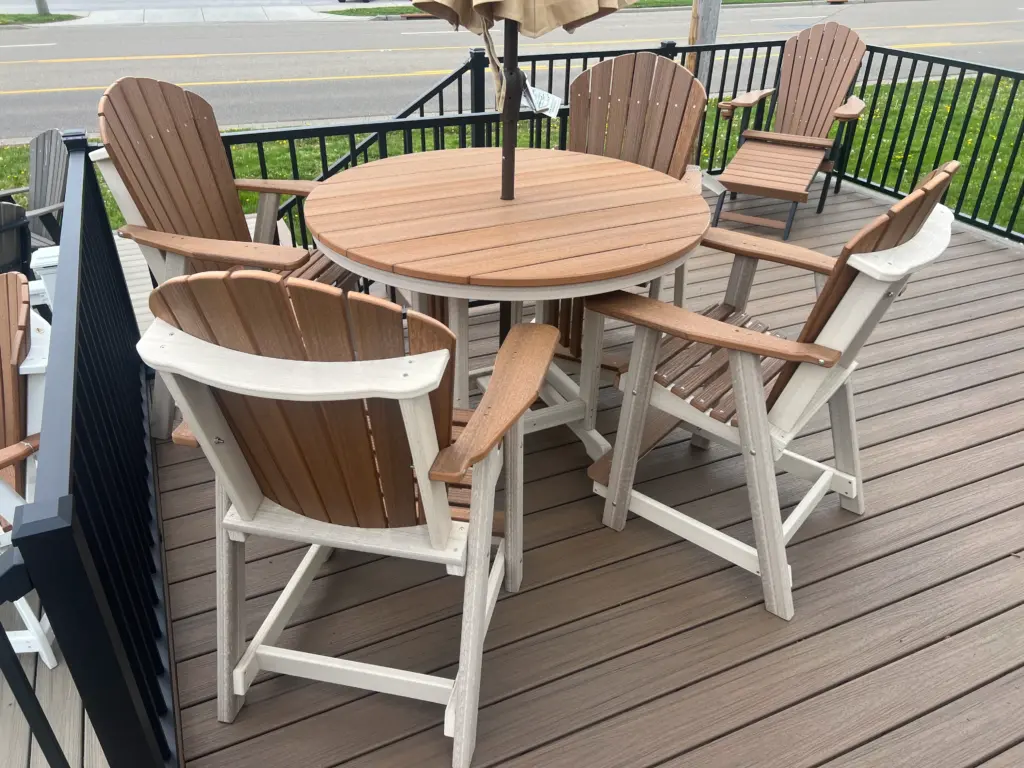
Standard dining tables are typically built to measure between 28 and 30 inches from the floor to the tabletop. This height has been consistent for decades because it supports comfortable eating and conversation for most adults. Dining tables are paired with dining chairs that usually have seat heights between 17 and 19 inches, creating enough clearance for legs while keeping diners close to the table surface. This setup allows people to sit upright without leaning forward or reaching up. Dining tables are designed for shared meals, social interaction, and shorter periods of sitting rather than extended work sessions. The height also allows flexibility for different body types without requiring adjustable seating, which is why dining furniture works well for households with guests of varying ages and sizes.
Standard Desk Height And How It Is Designed Differently
Desks are generally built slightly taller than dining tables, usually ranging from 29 to 31 inches in height. While this difference may seem minor, it is intentional. Desks are designed for tasks like typing, writing, and computer use, which require arms to rest at a higher level. Desk chairs are adjustable and typically sit higher than dining chairs, allowing users to fine tune their seating position for long work sessions. The added height supports better wrist and forearm positioning while reducing strain on the shoulders. Desks also tend to be narrower than dining tables, keeping work tools within reach. This design makes desks more suitable for focused tasks and extended use.
Why Dining Tables Often Fall Short For Work Tasks
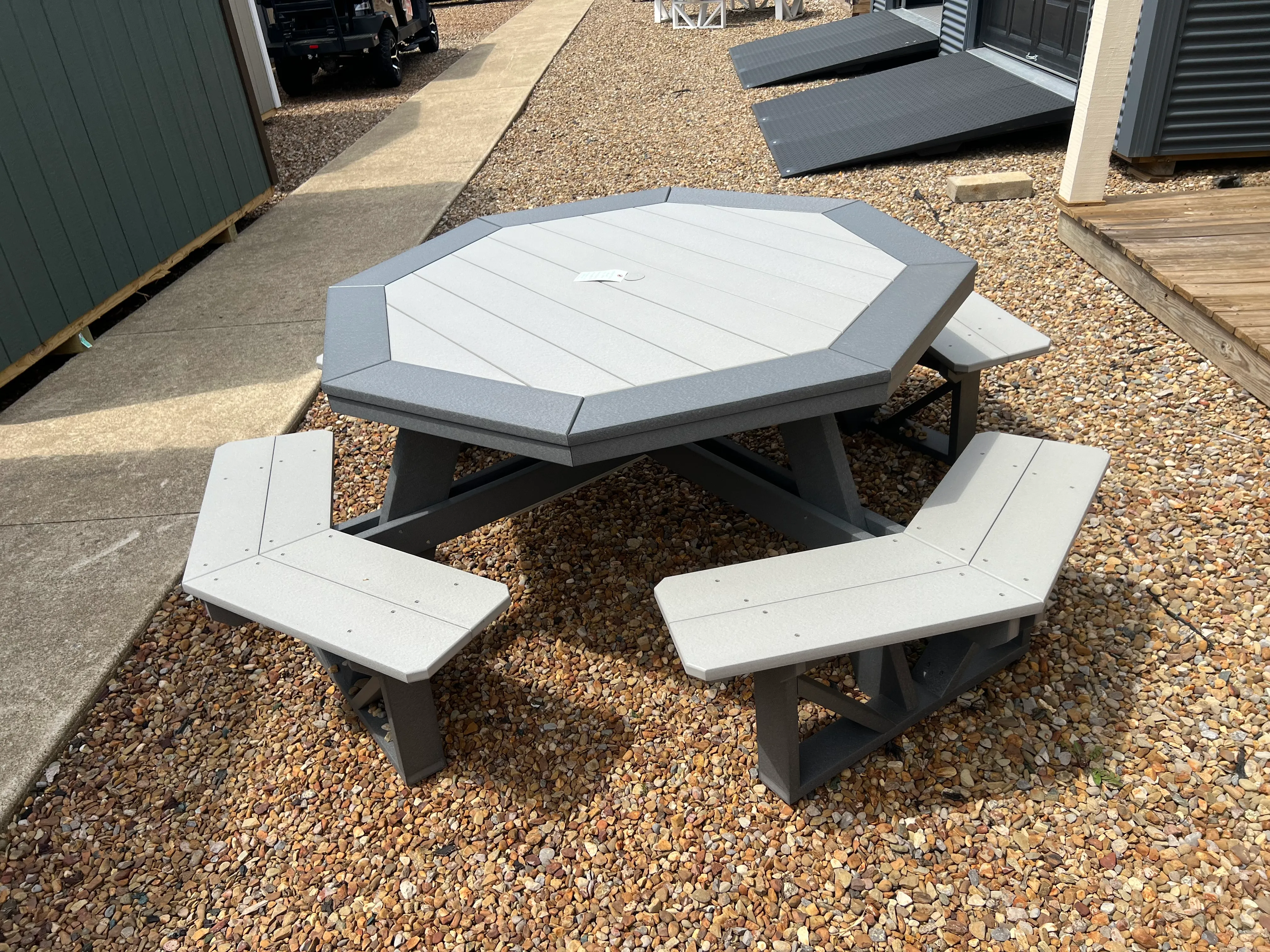
Using a dining table as a desk is common, especially in homes without a dedicated office, but it often leads to discomfort over time. Dining chairs usually sit lower than office chairs and lack adjustability, which can cause poor posture during typing or writing. This often results in raised shoulders, bent wrists, and a forward leaning position. Dining tables are also deeper than most desks, which can push keyboards and screens farther away than ideal. While dining tables work fine for short tasks like checking email, they are not built for full workdays. These limitations explain why many people eventually seek a dedicated desk even if they start with a dining table setup.
Why Desks Are Not Ideal For Dining Use
While dining tables struggle as desks, desks also perform poorly as dining tables. Their slightly taller height can make eating uncomfortable, particularly for children or shorter adults. Desk surfaces are often narrower, leaving less room for place settings, serving dishes, and shared meals. Many desks include drawers, crossbars, or supports that interfere with leg room and chair placement. Visually, desks tend to feel more utilitarian, which can make dining spaces feel less inviting. While a desk may work for a quick meal, it rarely provides the relaxed, social experience people expect from a dining table.
Chair Height And Clearance Play A Key Role
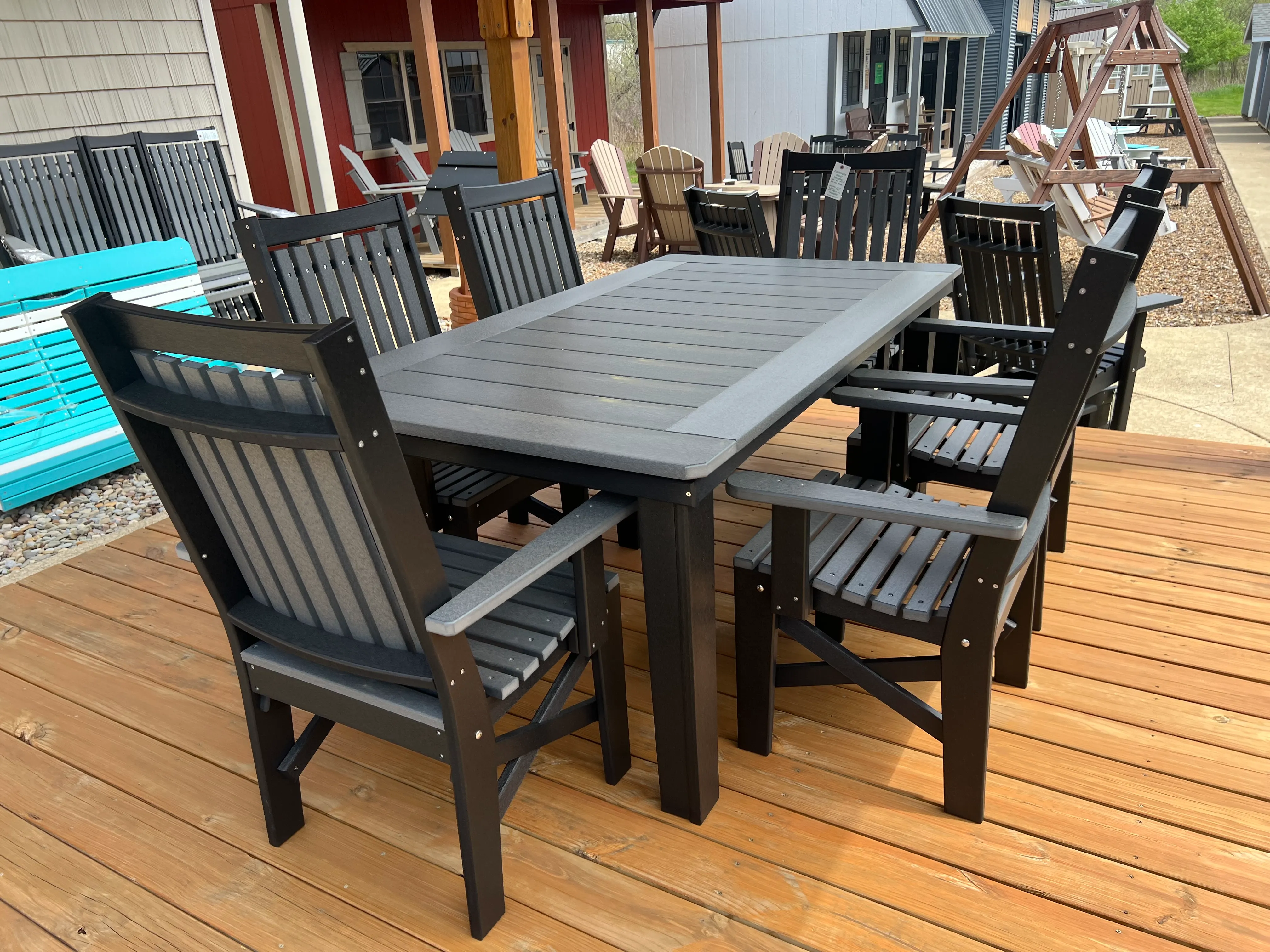
One of the biggest differences between dining tables and desks comes down to chair compatibility. Dining tables are designed to work with standard dining chairs, providing about 10 to 12 inches of clearance between the seat and the underside of the table. Desks often require more clearance to accommodate adjustable office chairs. When chairs and tables are mismatched, problems arise. Chairs may not slide in properly, leg room may feel cramped, or seating may feel awkward. In homes where furniture is swapped between uses, having space to store extra seating helps maintain flexibility. A structure like a 10×12 Shed (Golf Cart) can also serve as storage for extra chairs, folding tables, or seasonal furniture when space inside becomes tight.
Using One Table For Both Dining And Work
In smaller homes or apartments, one table is sometimes used for both dining and working. When this happens, compromises are necessary. Choosing a table height closer to 29 inches can help bridge the gap between dining and desk use. Adjustable chairs or seat cushions can also improve comfort. Still, working long hours at a dining table often leads to fatigue. Many homeowners rotate furniture based on daily needs, setting up a work area during the week and returning the table to dining use on weekends. Having a place to store extra items makes this easier. A structure like a 12×20 shed with a loft provides space to store office equipment or dining furniture when not in use.
Ergonomics Explain Why Height Differences Matter
The reason dining tables and desks differ in height comes down to ergonomics. Even small changes in surface height affect posture, muscle strain, and comfort. Ergonomic research shows that proper alignment between seat height and work surface reduces fatigue and discomfort. According to The Chartered Institute of Ergonomics & Human Factors, surface height plays a critical role in seated comfort across different activities. Dining tables prioritize social comfort and flexibility, while desks prioritize task efficiency and long term posture support. These design goals explain why the two furniture types are not interchangeable, even if they appear similar.
Conclusion
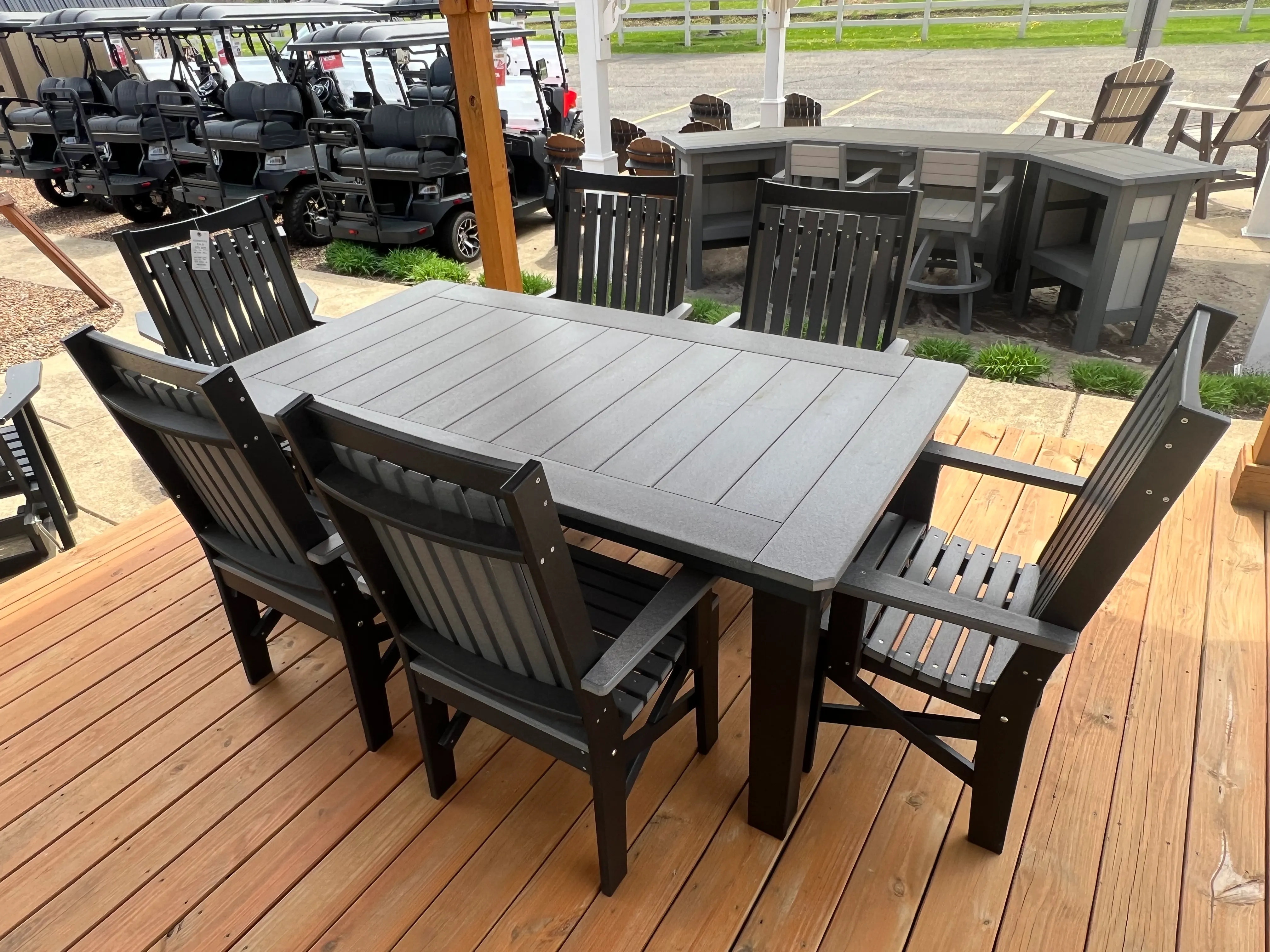
Dining tables and desks may look alike, but they are designed for different purposes and are not truly the same height. Dining tables focus on comfort during meals and social gatherings, while desks support extended periods of work. Choosing the right surface improves posture, usability, and overall comfort. In homes where furniture needs change often, having proper storage helps keep spaces flexible and organized. For homeowners looking to store extra furniture, seasonal items, or household equipment, Hartville Outdoor Products offers practical storage solutions designed to support real life needs.