
How To Build Shed Doors Double
Building shed doors looks simple until you try to make a pair that still works after the first summer heat wave or the first winter freeze. That is why so many people search for how to build shed doors double and still end up frustrated a year later. Double doors solve access problems, but they also introduce alignment, sag, and sealing challenges that single doors can sometimes hide. A wide opening only helps if the doors remain square, predictable, and weather resistant over time. The difference between doors that last and doors that become a headache usually comes down to how the opening is framed, how the doors are built internally, and how the hardware is chosen.
At Hartville Outdoor Products, shed doors are treated as working components, not decorative panels. Customers open and close them daily. They move riding mowers, snow blowers, shelving, and large storage items through those openings. Doors get slammed by wind, pushed by heavy loads, and exposed to moisture year round. That real-world use is why professionally built on-the-lot sheds focus heavily on door construction. When people learn how to build shed doors double the right way, they begin to understand why professional builders obsess over framing, bracing, and hardware.
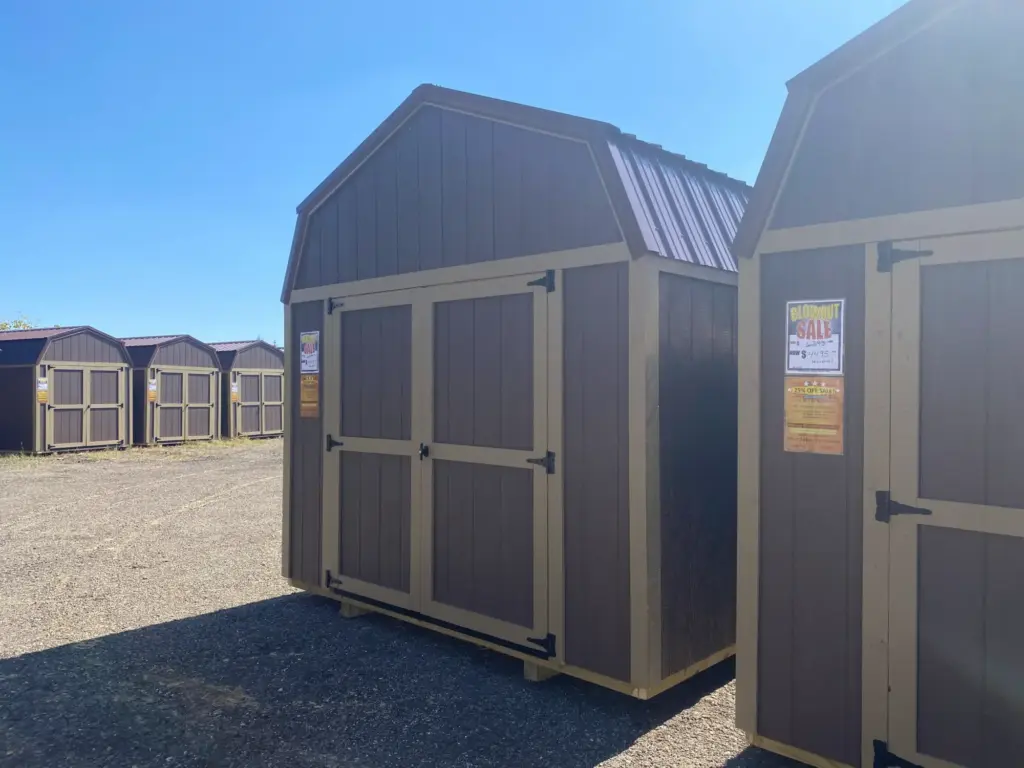
How to Build Shed Doors Double That Stay Square Over Time
The process starts with the opening itself. A shed door is only as good as the structure holding it. If the opening is even slightly out of square, the doors will never behave consistently. Many DIY builders rush this stage because the opening looks close enough. Over time, that small error becomes a sticking door, a crooked latch, or a growing gap at the top corner. A proper opening must be plumb on both sides, level across the top, and reinforced so it can carry door weight without flexing.
Professional sheds treat door openings like structural frames. Extra studs or posts support hinge loads. Headers resist downward movement. This reinforcement keeps the opening stable as the shed settles or experiences seasonal movement. When you study high-quality on-the-lot sheds, you can feel the difference. The opening does not flex when you pull on it. That stability is what allows double doors to function smoothly year after year.
Why Door Size and Clearance Matter More Than Perfection
Many builders aim for tight tolerances because they want the doors to look precise. The problem is that wood does not care about precision. Humidity, temperature, and age all change dimensions. Double doors magnify this effect because two moving panels meet in the center. If the doors are built too tight, they will rub, bind, or refuse to close once conditions change. Leaving intentional clearance prevents these problems.
Clearance does not mean sloppy. It means controlled space that allows movement without sacrificing appearance. Trim, overlaps, and stops manage weather protection while clearance handles movement. This balance is one of the biggest differences between doors that still work after five years and doors that need constant adjustment.
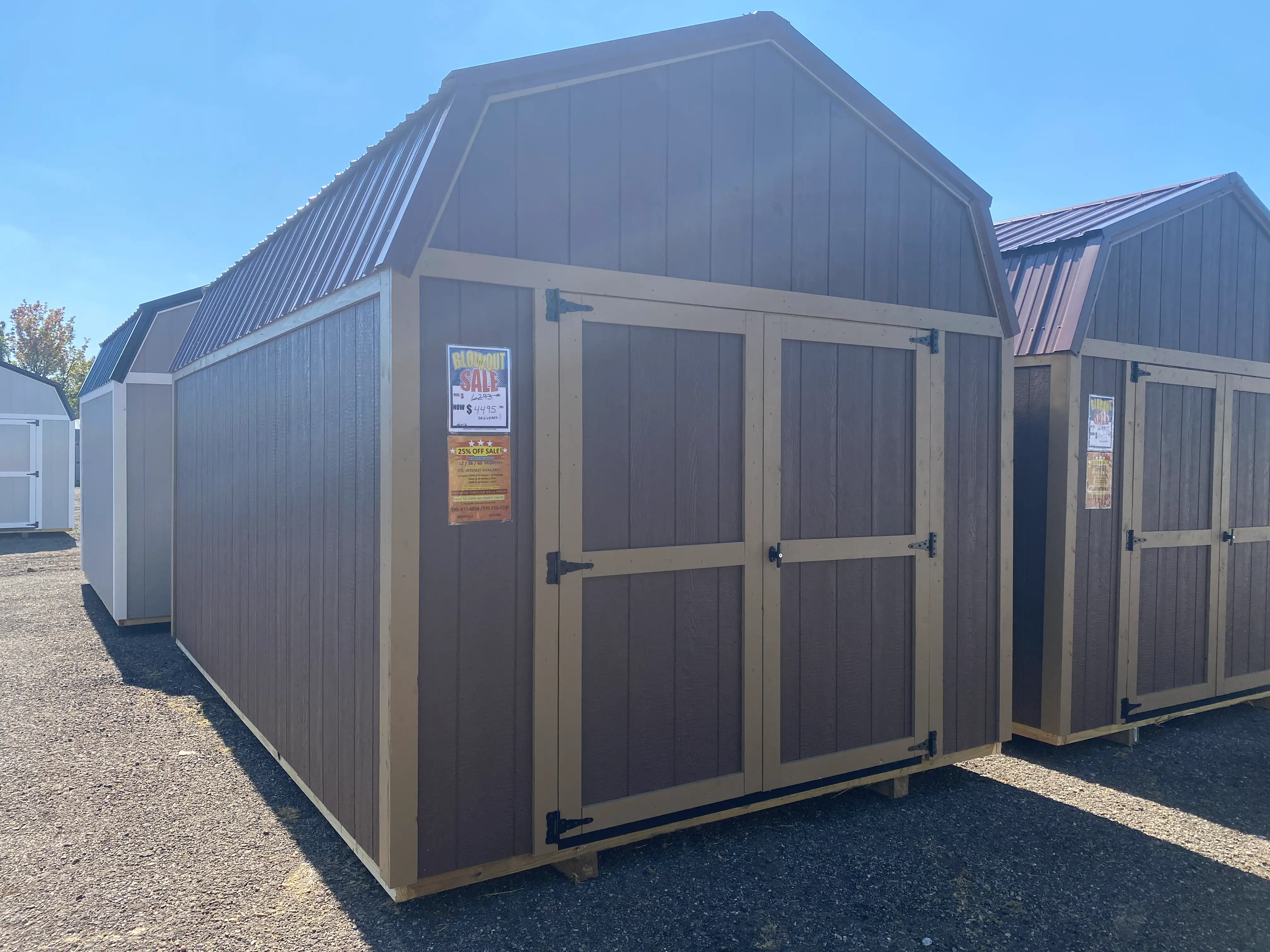
Internal Door Framing Is Where Strength Comes From
A shed door should be thought of as a small wall, not a sheet of siding with hinges. Internal framing gives the door its rigidity. Straight, dry lumber forms a rectangular frame that must be square before anything else happens. That frame alone is not enough. Gravity will always try to pull the latch side downward. Without resistance, sag is inevitable.
Diagonal bracing solves this problem when installed correctly. The brace must run so that weight transfers back toward the hinge side. Many DIY doors fail because the brace runs in the wrong direction, doing little to prevent sag. When bracing is correct, the door resists deformation naturally. Adding exterior siding over the frame further stiffens the assembly. The siding becomes part of the structure, not just decoration.
Hardware Selection Shapes Long-Term Performance
Double shed doors place constant stress on hinges. Lightweight hardware will fail regardless of how well the doors are built. Heavy-duty exterior hinges anchored into solid framing distribute weight properly and reduce movement. Screw length matters as much as hinge strength. Screws must bite into framing, not just trim boards, or they will loosen over time.
Latch systems also influence door behavior. Most reliable double-door setups use one active door and one fixed door. The fixed door locks into place at the top and bottom, while the active door handles daily use. This approach prevents the doors from fighting each other and keeps alignment consistent. A solid latch that pulls the door tight eliminates rattling and improves weather resistance.
Designing for Weather Before It Becomes a Problem
Water finds weak points quickly. Double doors create a center seam that must be managed intentionally. Overlapping edges help shed water. Drip caps above the opening redirect rain away from vulnerable joints. Trim closes gaps while allowing movement. These details prevent moisture from soaking into door edges and framing.
Sealing should support good design, not compensate for poor fit. Weather stripping works best when doors close against a consistent surface. When alignment is correct, sealing becomes easy and effective. This is one reason professionally built sheds age better. They are designed to manage weather from the start rather than relying on constant caulking.
Why Shed Design Influences Door Longevity
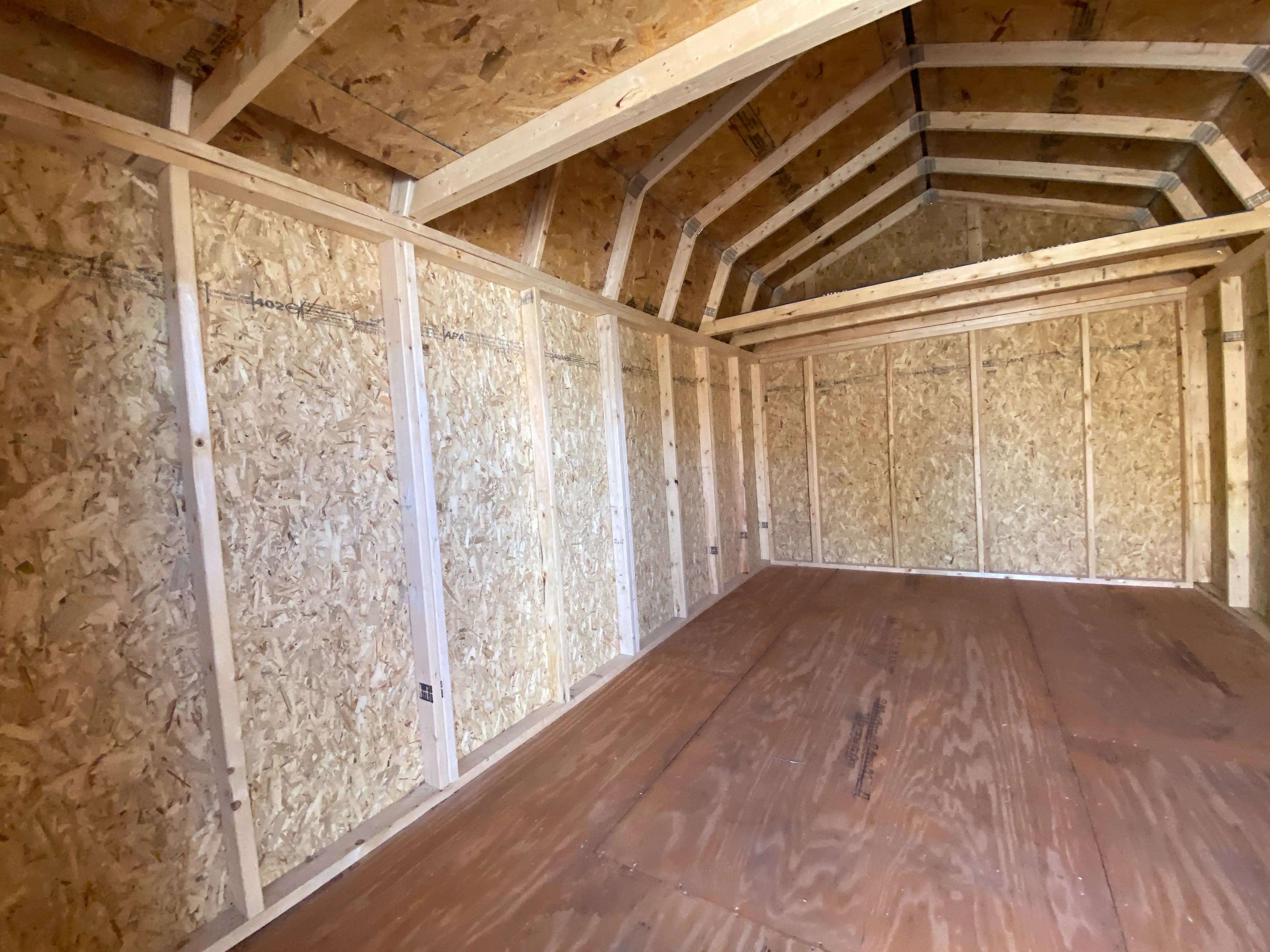
The shed itself plays a role in door performance. Roof overhangs reduce direct rain exposure. Proper drainage around the foundation keeps moisture away from the base of the doors. Wall height and roof pitch affect how forces transfer through the structure. When a shed is designed well, the doors experience less stress and last longer.
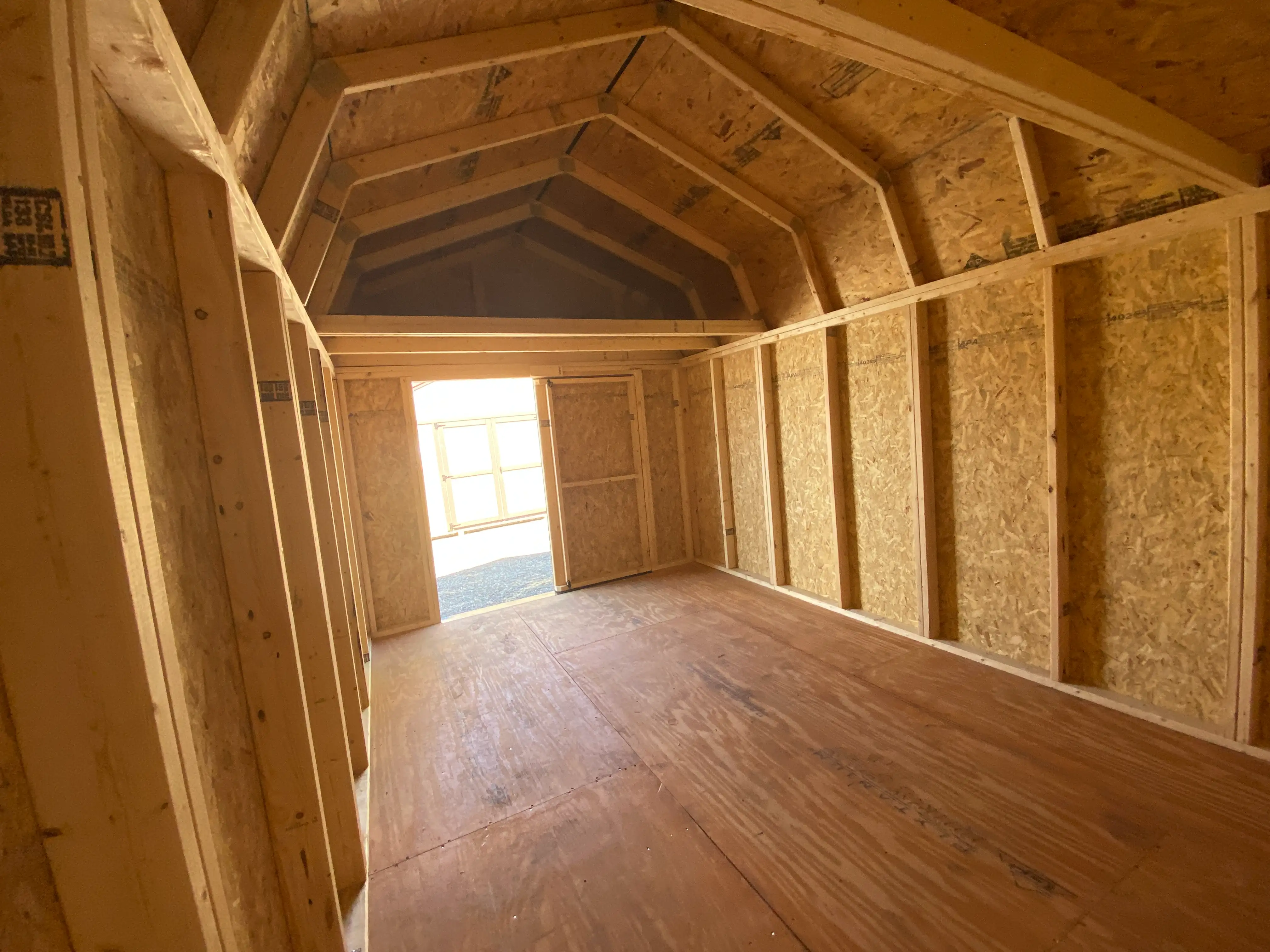
Barn-style sheds illustrate this principle clearly. Their proportions allow wide door openings without weakening the front wall. The 10×12 Barn is a good example of how design supports function. The structure provides enough headroom and framing strength to support large double doors that open fully and close cleanly.
DIY Builds Versus Professionally Built Doors
Building your own doors can be rewarding if you enjoy precision work and have the right tools. You gain control over sizing and appearance. However, door building is unforgiving. Small errors show up every time you use the shed. Many people underestimate how much time door alignment and adjustment requires.
That reality explains why many buyers choose on-the-lot sheds from Hartville Outdoor Products. The doors arrive framed, hung, and tested. The opening is engineered to support them. The result is predictable performance from day one. For people who value reliability over experimentation, professional construction removes uncertainty.
Learning From Trusted Building Authorities
Experienced builders often follow principles shared by long-standing home improvement authorities. Resources such as This Old House explain why exterior doors require structural thinking rather than surface solutions. While their focus is residential construction, the same logic applies to shed doors. Strength, alignment, and weather management matter regardless of building size.
Conclusion
Understanding how to build shed doors double is about more than carpentry steps. It requires respect for structure, movement, and long-term use. Strong openings, braced door frames, quality hardware, and thoughtful weather control create doors that remain dependable year after year. If you want double doors built with those principles already in place, explore In stock storage sheds available from Hartville Outdoor Products, including practical options like the 10×12 Barn that are designed for real-world use.