
How to Hang Shed Doors
Most people think hanging a shed door is a quick job, right up until the first close. The door rubs the frame, the latch won’t catch, or the gap at the top looks like it was cut with a butter knife. Those problems don’t mean you bought the wrong hinges. They usually mean the opening was slightly out of square, the door was heavier than expected, or the hinges were installed without controlling spacing and weight. If you want a door that swings smoothly and still closes cleanly months later, you need a process that treats the door like part of the structure, not an accessory. That is the real difference between a shed that feels solid and one that always feels a little annoying to use.
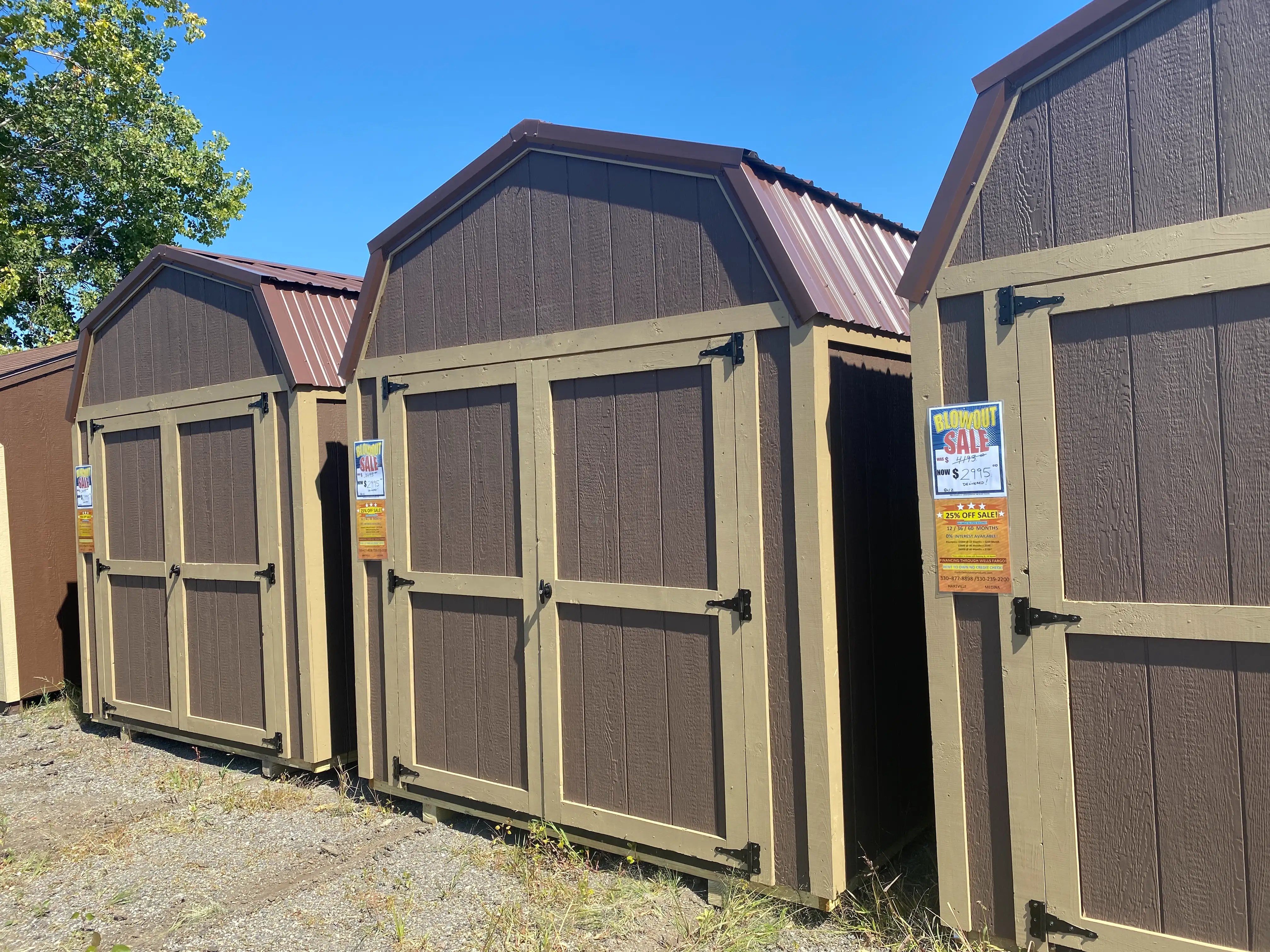
At Hartville Outdoor Products, shed doors are built for daily use because customers actually work out of these buildings. They move mowers, wheelbarrows, storage bins, snow blowers, and tools in and out all year. That kind of use exposes weaknesses quickly. A door that hangs slightly off can turn into a door that drags, swells, or binds when weather changes. Learning how to hang shed doors the right way helps you avoid those headaches and gives you a door that feels confident every time you touch it.
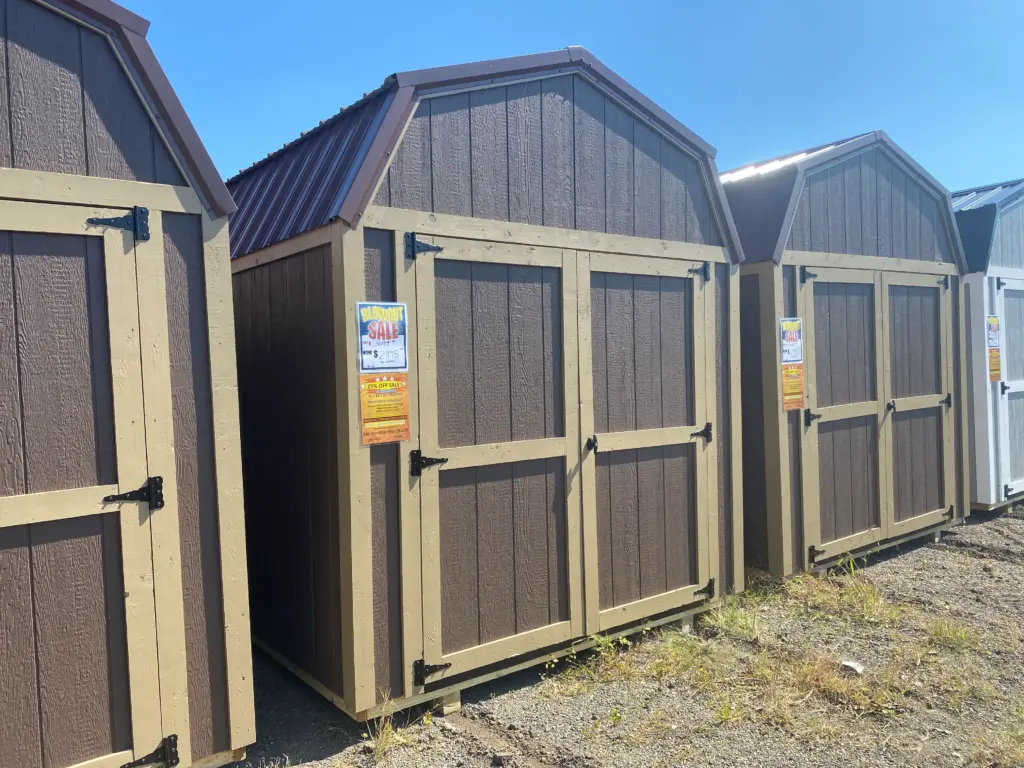
How to hang shed doors so they stay aligned
The first step is not the hinge, the screws, or even the door. It is the opening. Shed doors can only hang as well as the opening allows. If the opening leans, twists, or flexes, the best-built door in the world will still fight you. Check the sides for plumb and the header for level. Then measure corner-to-corner diagonals. If those diagonal measurements do not match, the opening is out of square, and the door will reveal that mistake the moment you hang it. This matters even more on sheds than on houses because shed framing can move slightly as the building settles, especially when it sits on gravel pads or blocks.
You also want solid backing behind the hinge side. Many DIY builds fasten hinges into trim boards or thin siding layers, which feels fine for a week and then gradually loosens. The door’s weight transfers into the frame every time it swings. If the hinge screws are not biting into structural lumber, you will see sag and shifting. A properly framed opening gives hinges something solid to hold. It also keeps the door opening from racking over time. When the opening stays stiff, the door stays happier.
Why shed door weight changes your strategy
A shed door often weighs more than people expect. Even a simple door becomes heavy once you add exterior siding, cross bracing, and trim. Barn-style doors can be heavier still. That weight matters because it creates leverage. The hinge side holds the load while gravity tries to pull the latch side downward. If you hang the door without controlling that load, the door will sag slightly right away, even if your measurements were accurate. Then the latch stops lining up, and you start blaming the hardware.
When you understand this, you start hanging doors with support rather than guessing. You plan for the door to settle a bit, and you build in proper clearance so seasonal movement does not turn normal settling into a problem. You also pay attention to how stiff the door is. A door that twists easily will never feel consistent. A well framed door with proper diagonal bracing holds its shape better, which makes hanging and adjustment far easier.
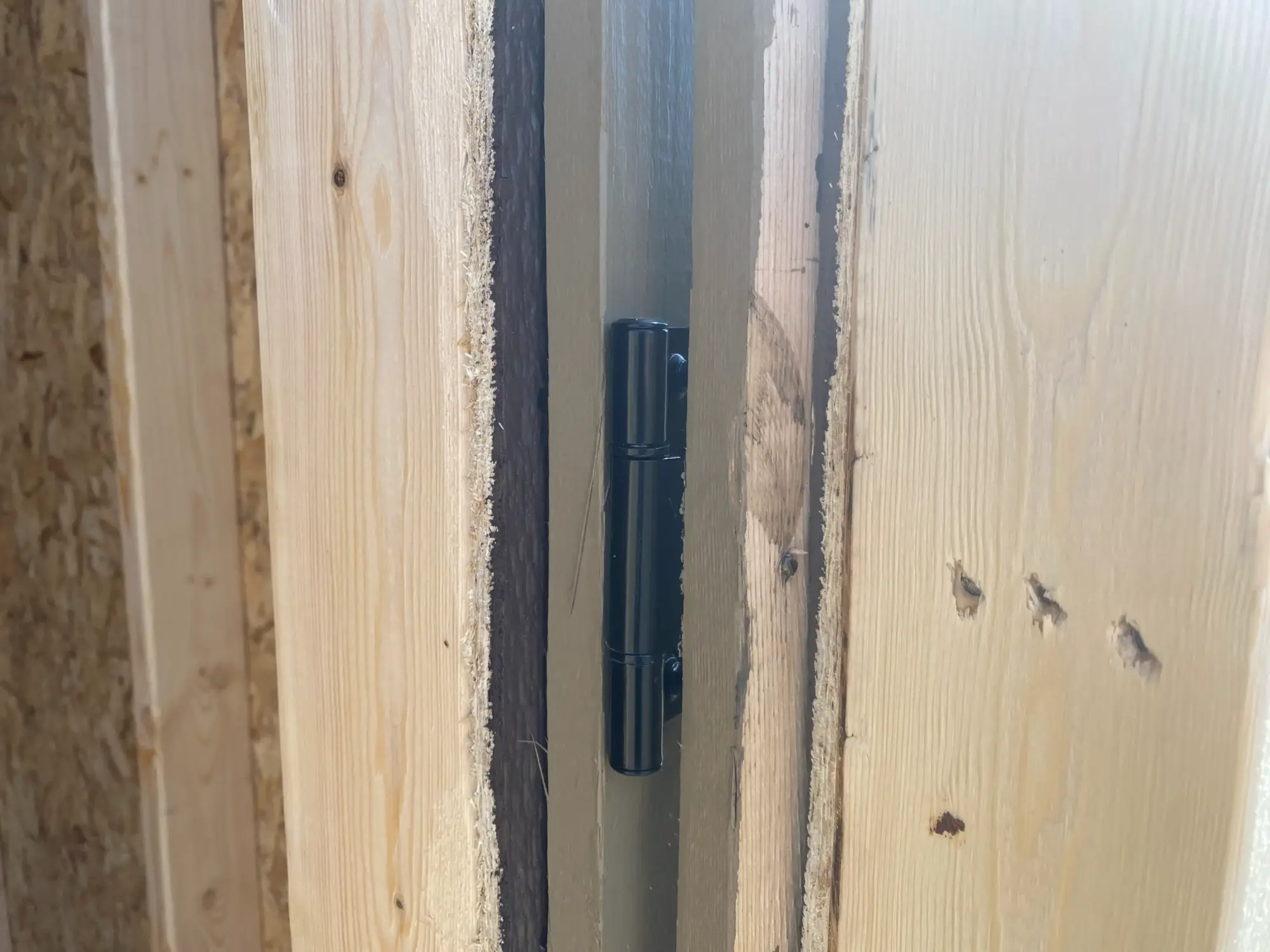
Hinge placement matters more than hinge size
People love to solve door problems by buying bigger hinges. Strong hinges help, but placement is what makes the system behave. Hinges placed too close together concentrate the load and increase the chance of sag. Hinges placed too far from the top or bottom allow the door to twist more. The goal is to distribute the door’s weight so the frame supports it evenly. You want the top hinge to resist the door pulling away at the top corner, and you want the lower hinge to control the downward pull at the latch side.
Just as important is the way you fasten the hinges. Use screws long enough to grab structural lumber. If the screws only grab trim, they loosen as the door swings and the wood expands and contracts. This is one of those details that separates a door that feels solid for years from a door that needs tightening every few months. When the hinge connection stays tight, the door stays predictable.
Spacing is the secret to a door that still works in July
If your shed door fits perfectly on a dry spring day, you may have built a future problem. Wood movement is real. Humidity makes doors swell slightly. Heat changes dimensions. Rain and sun affect the door face differently than the interior frame. If the gap between the door and the opening is too tight, the door will bind when conditions change. That is why experienced builders aim for clean, intentional spacing. The door should not scrape the frame, and it should not need muscle to close.
The easiest way to control spacing is to support the door in the opening before you fasten hinges. You can set consistent clearance at the bottom so the door does not drag when the ground shifts or debris collects near the threshold. You can also set even side gaps so the door looks clean and closes without rubbing. This is where patience pays off. A door that looks right and closes right is not an accident. It comes from taking time at this stage.
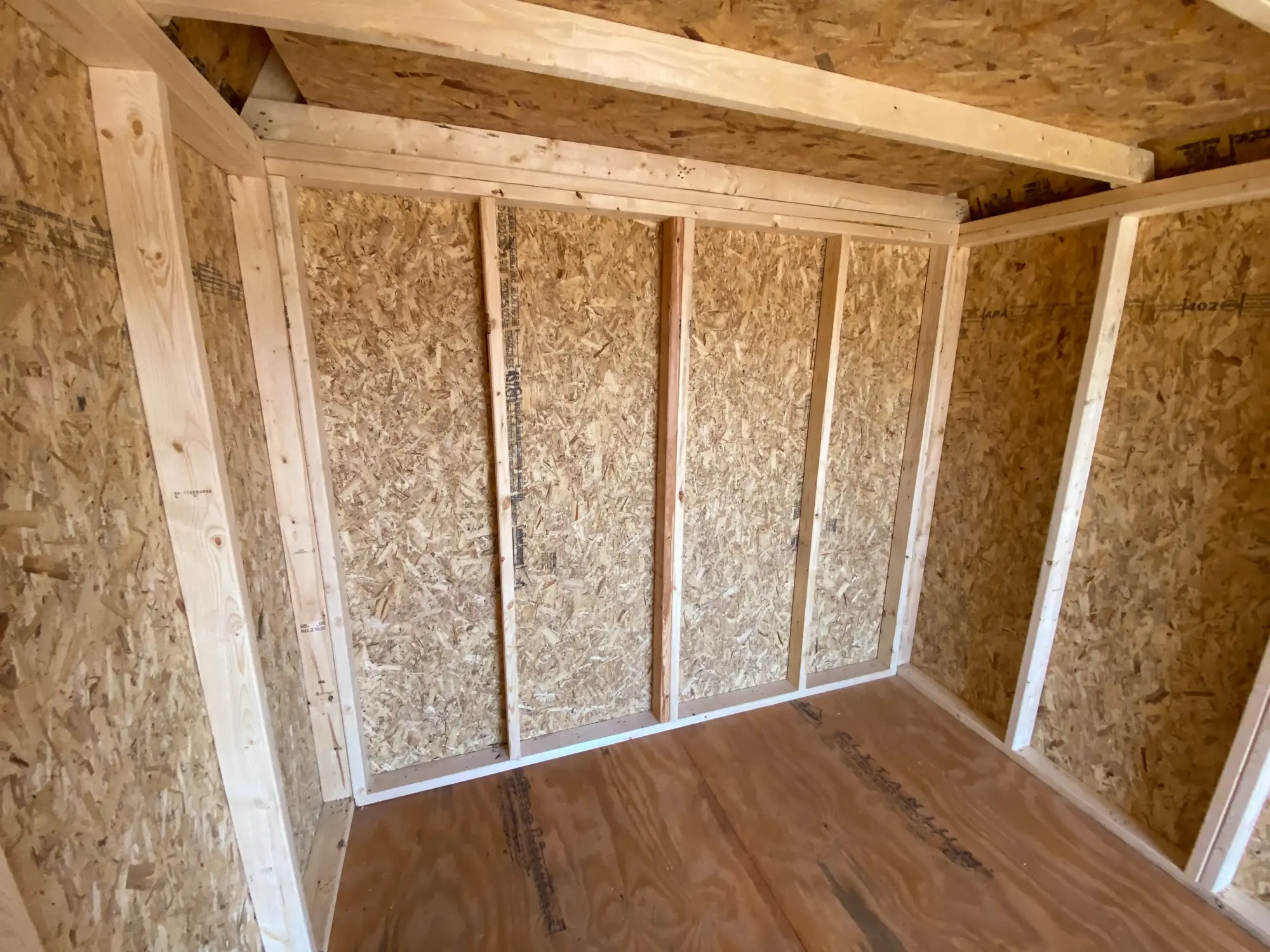
How to hang shed doors on an existing shed
Hanging doors on a new shed frame is easier than hanging doors after the shed is finished. When the shed already has siding and trim, you have less room to adjust framing or add backing. Still, it can be done well if you treat the hinge side correctly and confirm the opening is stable. If the opening is out of square, you can often correct the visual reveal with trim details, but you still need the door to swing freely and land properly on the latch side.
This is one reason many buyers prefer sheds that come built and ready. On a well-finished model like the 12×20 Gable, the door system is part of the build, not an afterthought. The framing and door alignment are set with the structure, which reduces the risk of a door that feels “almost right” but never quite perfect. If you plan to use the shed as a workspace, door reliability matters a lot more than people assume at the buying stage.
Double doors and why order matters
If you are hanging double doors, sequence matters. You want one door to act as the anchor and the other to act as the daily-use door. When both doors float without a stable reference, they will drift out of alignment with each other. That creates a center seam that looks uneven and a latch that refuses to cooperate. Start by hanging the door that will stay fixed most of the time, then set the second door so it meets the first cleanly. This approach gives you a consistent seam and a better closing action.
The latch system should support that sequence. The fixed door should have a way to hold itself steady, and the active door should latch in a way that pulls it snug instead of leaving it rattling in wind. When doors close with a firm, confident feel, the shed feels higher quality overall. It is a small moment you experience every day, which is why it matters.
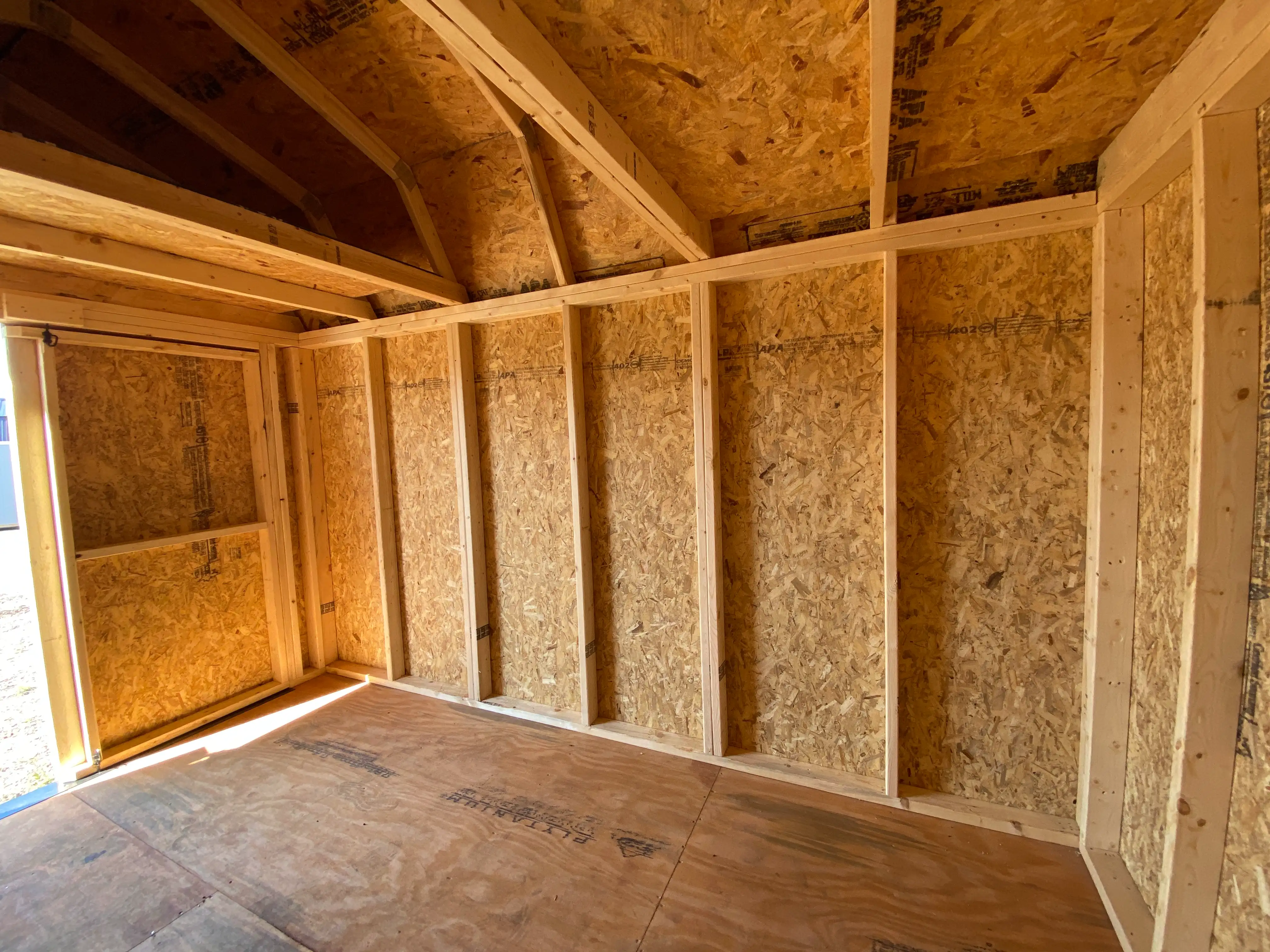
Testing swing tells the truth
After you fasten hinges, the best thing you can do is test the swing slowly. Watch the door as it moves. If it drifts open or slams shut on its own, the hinge line might not be plumb. If it rubs at one corner, you likely have a squareness issue, either in the door or in the opening. If the latch side wants to drop, you may need to adjust hinge placement or confirm your screws are anchored into solid backing.
Do not rush past this step because trim can hide problems visually while the door still functions poorly. You want the door to feel smooth without you having to “lift” it into place. That feel comes from alignment, spacing, and secure hinge connections. If you take time here, you avoid the common cycle of adjusting doors over and over later.
Weather is a constant stress test
Shed doors live outdoors, so weather will test your work. Sun hits one side harder than the other. Rain adds moisture and swelling. Cold makes materials contract. Even a good door will move a little across seasons. The goal is not to prevent movement completely. The goal is to allow movement without losing function. That means leaving clearance, keeping hinges tight, and avoiding designs that rely on tight friction fits to stay closed.
When a shed is designed well, it helps the door succeed. Roof overhangs reduce direct rain exposure. Proper site drainage keeps water away from the base of the opening. Strong wall framing resists racking. These are the same reasons people like in-stock sheds that are built with consistent craftsmanship. You get doors that behave because the structure supports them the way it should.
Quiet reference that helps if you want to go deeper
If you ever want to see how builders think about hinge alignment, jamb setup, and consistent reveals, it helps to read a bit about door installation principles and then apply that same logic to sheds. The scale changes, but the fundamentals stay the same. Support the hinge side, keep the opening square, leave room for movement, and test the swing until the door feels effortless.
Conclusion
If you want shed doors that stay smooth, the answer is not more force or more hardware. It is preparation and alignment. Start with a stable, square opening. Anchor hinges into solid framing. Control spacing so the door can move with the seasons without binding. Take your time during test swings, because that is where you catch issues early. If you prefer a shed where the doors are already built, hung, and proven, explore the in-stock storage sheds available from Hartville Outdoor Products. It is also worth checking out practical workspace-friendly designs like the 12×20 Gable, where a reliable door system makes everyday use feel easier.