
How to Keep Shed Doors Open
Shed doors that refuse to stay open can turn even a well-built shed into a frustrating space to use. You open the door to grab a tool or move equipment, and it slowly swings shut or slams closed the moment the wind picks up. This happens more often than people expect, especially with larger or heavier doors. Learning how to keep shed doors open is not about forcing the door into place or propping it with whatever is nearby. It is about understanding why the door moves in the first place and choosing solutions that work with the door rather than against it.
At Hartville Outdoor Products, sheds are designed for everyday use, not occasional access. Customers open and close these doors constantly while moving lawn equipment, tools, seasonal storage, and workshop materials. When shed doors stay open reliably, the entire building becomes easier and safer to use. When they do not, even simple tasks become irritating. Knowing how to keep shed doors open properly improves usability and protects the door system from unnecessary wear.
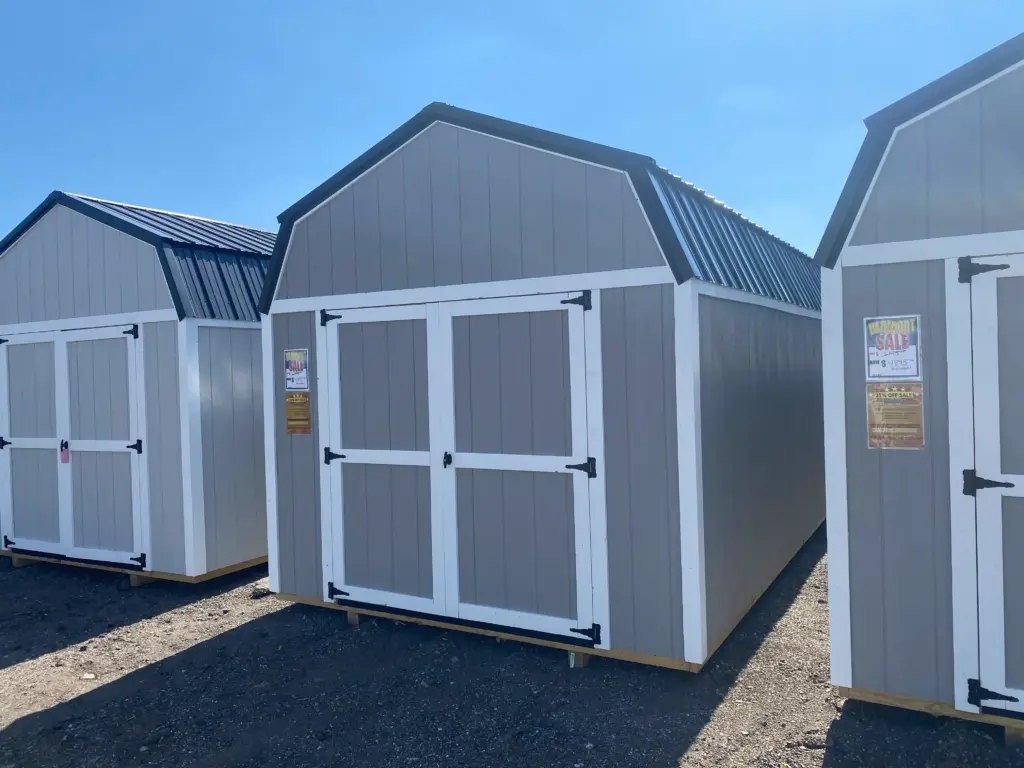
How to keep shed doors open without forcing them
The first step is understanding why shed doors close on their own. In most cases, gravity is the main culprit. If the shed is even slightly out of level or the door opening leans, the door naturally swings toward the lowest point. Wind exposure adds another layer of movement, especially on wider doors that catch air easily. Trying to wedge the door open with blocks, buckets, or scrap wood may work temporarily, but those solutions shift, fall, and often create tripping hazards.
A better approach focuses on stability and balance. When you keep shed doors open using methods designed for exterior use, the door rests in a controlled position instead of fighting gravity. This reduces stress on hinges and prevents the door from slamming unexpectedly. Over time, that protection helps the door system last longer and feel more solid.
Shed placement plays a bigger role than most people realize
Many shed door problems start at ground level. A shed placed on uneven ground encourages doors to swing closed or open unpredictably. Even small changes in soil or gravel can shift the building slightly over time. This movement affects door behavior long after installation. A shed that felt fine at first may develop door issues months later as the base settles.
Professionally placed sheds tend to avoid this problem because site preparation receives more attention. A stable, level base keeps the structure square, which helps doors behave consistently. This is one reason in-stock storage sheds often feel easier to use. The building supports the door instead of working against it.
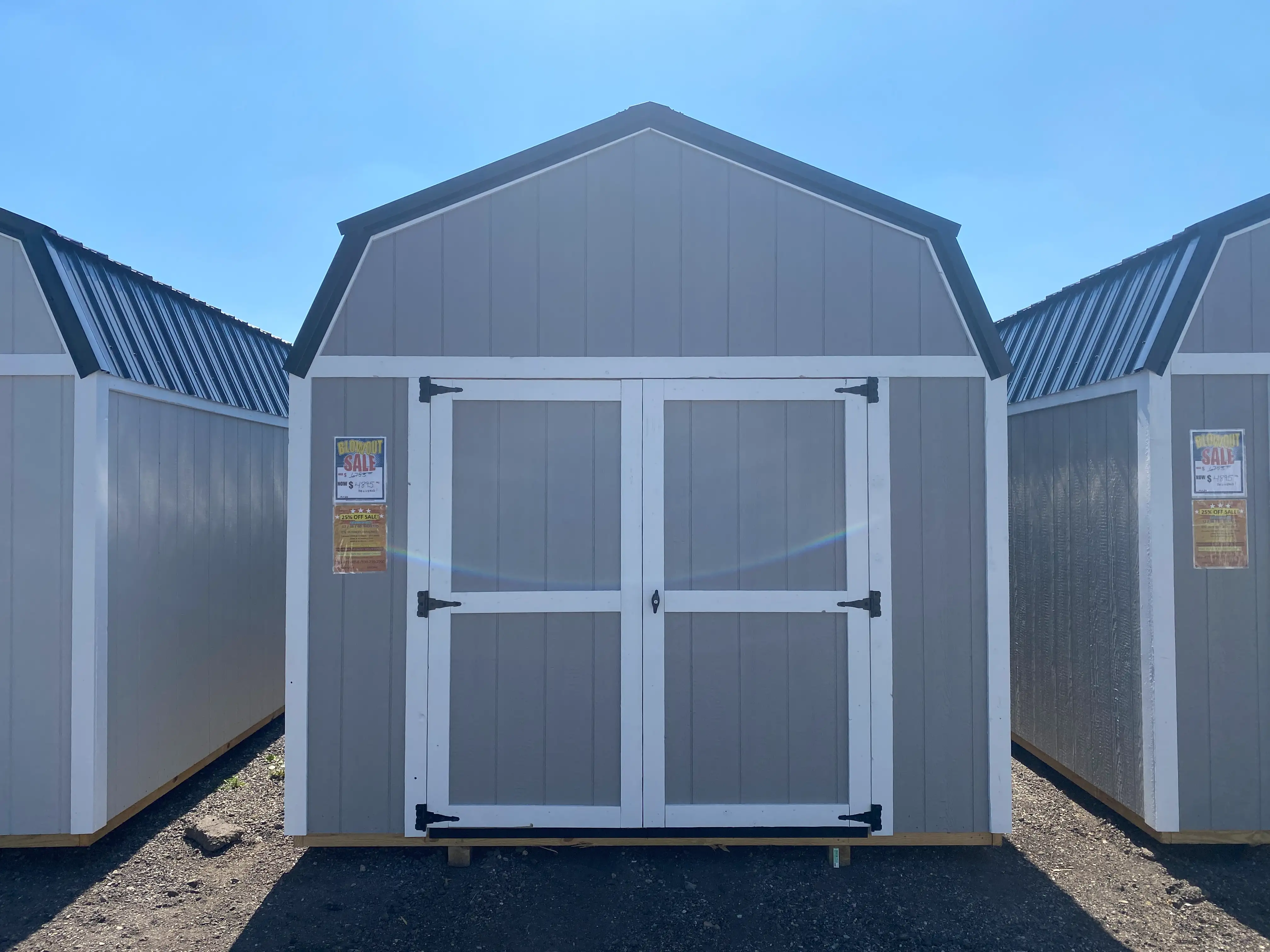
Why door size and weight matter
Heavier shed doors are more difficult to control once they start moving. Large doors built with exterior siding and internal bracing carry significant weight, and that weight creates momentum. When a heavy door swings freely, it becomes harder to stop without stressing the hinges or frame. This is why heavier doors almost always benefit from a proper method to hold them open.
On sheds designed for frequent access, such as the 10×12 Signature Barn, wide doors are part of the appeal. That wide access works best when doors can stay open while you move equipment or materials in and out. Supporting the door in its open position keeps workflows smooth and prevents repeated slamming that can damage hardware.
Using door position instead of resistance
One of the simplest ways to keep shed doors open is to let them rest flat against the shed wall. A door that opens fully and sits against the side of the building experiences less wind pressure than one left partially open. When the door is closed and rests flat, it becomes more stable and less likely to swing unexpectedly.
This approach works best when combined with hardware that secures the door in place. Properly designed door stops or hold-open brackets give the door a defined resting point. These solutions do not strain the hinges or pull the door out of alignment. Instead, they support the door’s natural movement and hold it where you want it.
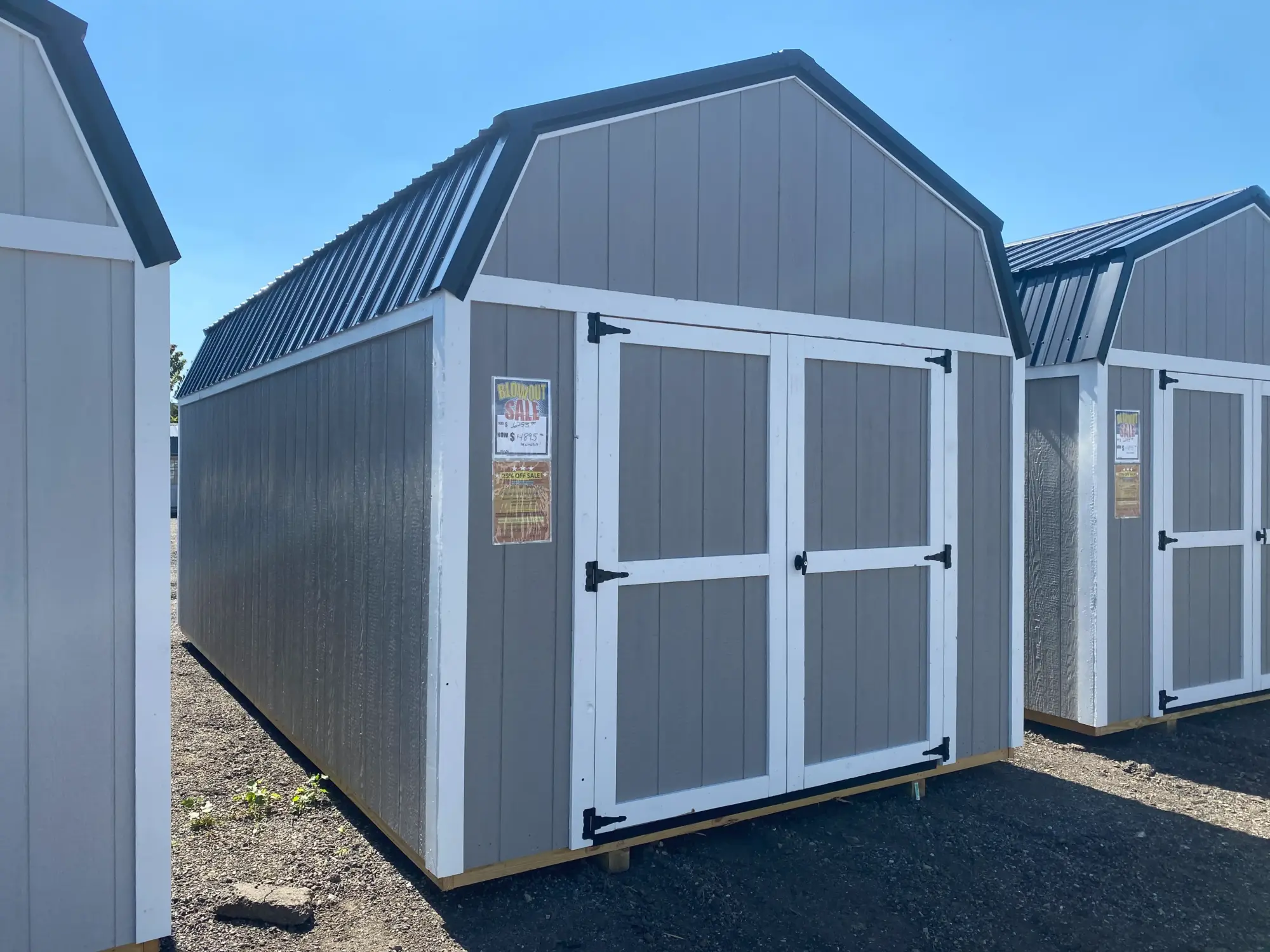
Wind exposure and outdoor conditions
Wind is one of the most common reasons shed doors refuse to stay open. In open yards or rural settings, even a light breeze can push a door closed. Strong gusts can yank doors out of your hand or slam them into the frame. Over time, this repeated movement loosens hardware and twists door frames.
Keeping shed doors open in windy areas requires a solution that resists sudden movement. Hardware designed for exterior conditions absorbs force gradually and releases cleanly when you close the door. This controlled resistance protects the door system and makes the shed safer to use. A door that stays open intentionally feels far more reliable than one that constantly moves on its own.
Ground clearance and door swing
The surface outside the shed affects how easily doors stay open. Gravel, soil, or concrete can shift over time, changing the way the door swings. If the ground rises near the door, it may prevent the door from opening fully. If it settles, the door may swing farther than expected.
Checking ground clearance periodically helps prevent these issues. When the door clears the ground evenly, it opens smoothly and rests where intended. Addressing ground movement early keeps door behavior predictable and reduces long-term alignment problems.
Why makeshift solutions cause more problems
Many shed owners try to keep doors open by tying them back with rope or bungee cords. While this may seem effective at first, it creates sideways tension that doors are not designed to handle. Over time, that tension pulls hinges out of alignment and can cause sagging.
A better solution supports the door without pulling it sideways. Purpose-built hold-open hardware works with the door’s swing rather than against it. This protects hinges, preserves alignment, and keeps the door easy to close when you are done.
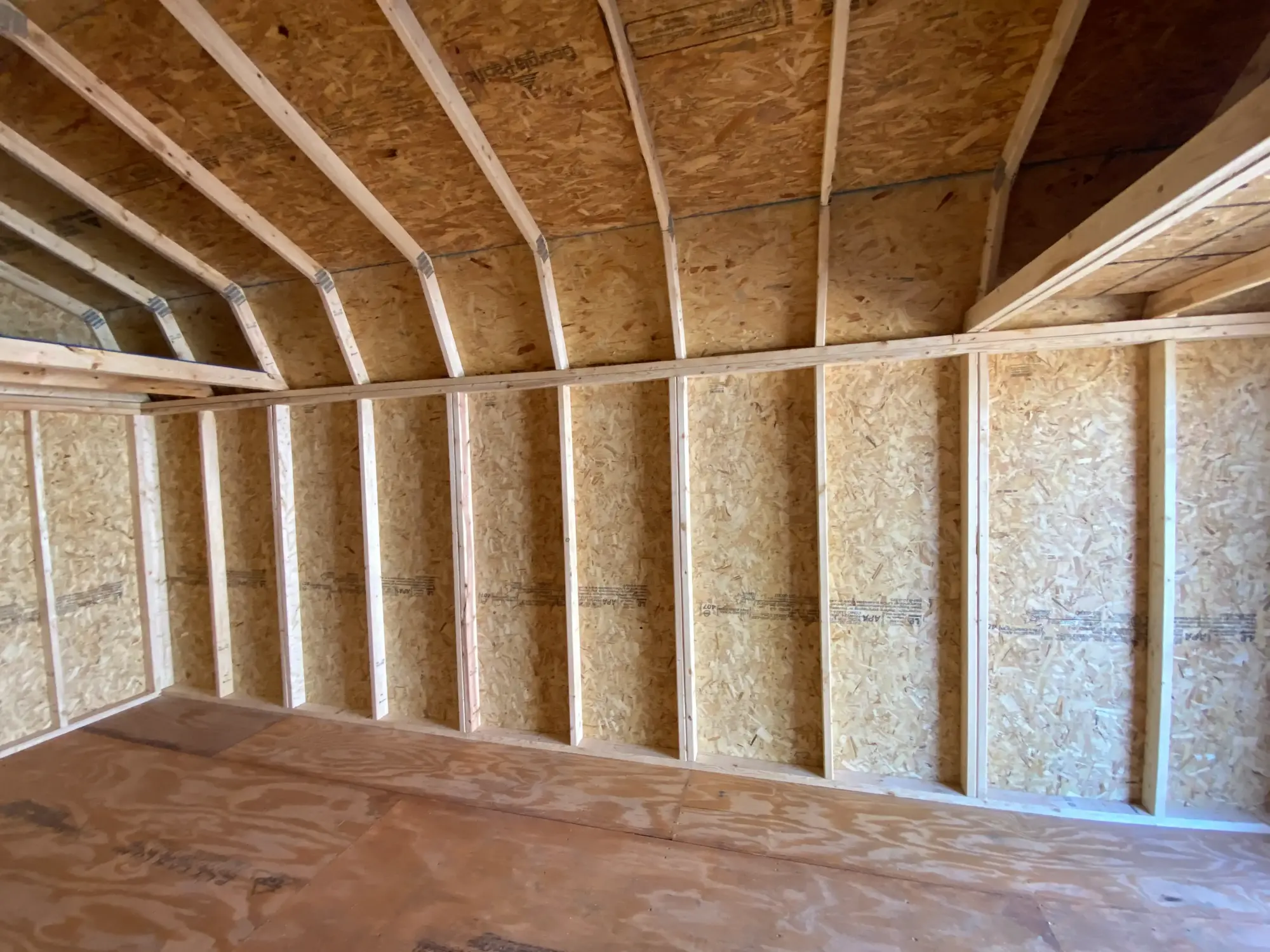
Seasonal changes affect door behavior
Wood reacts to temperature and humidity. In warmer months, shed doors may swell slightly and feel heavier. In colder months, they may contract and swing more freely. These seasonal changes influence how well a door stays open.
Adjustable or flexible hold-open solutions adapt better to these changes than rigid methods. They allow small shifts without constant adjustment, which is especially important for sheds used year-round. Planning for seasonal movement makes door management far easier.
Design details that make doors easier to manage
Shed design influences door behavior more than many people realize. Roof overhangs reduce wind pressure near the opening. Wall length determines whether a door can open fully against the side. Door placement affects balance and movement. When these details work together, keeping shed doors open becomes easier without extra effort.
This is why some sheds feel better to use from the start. Thoughtful design reduces the need for after-the-fact fixes. Many in-stock storage sheds reflect these considerations, which helps explain their popularity among homeowners who value convenience.
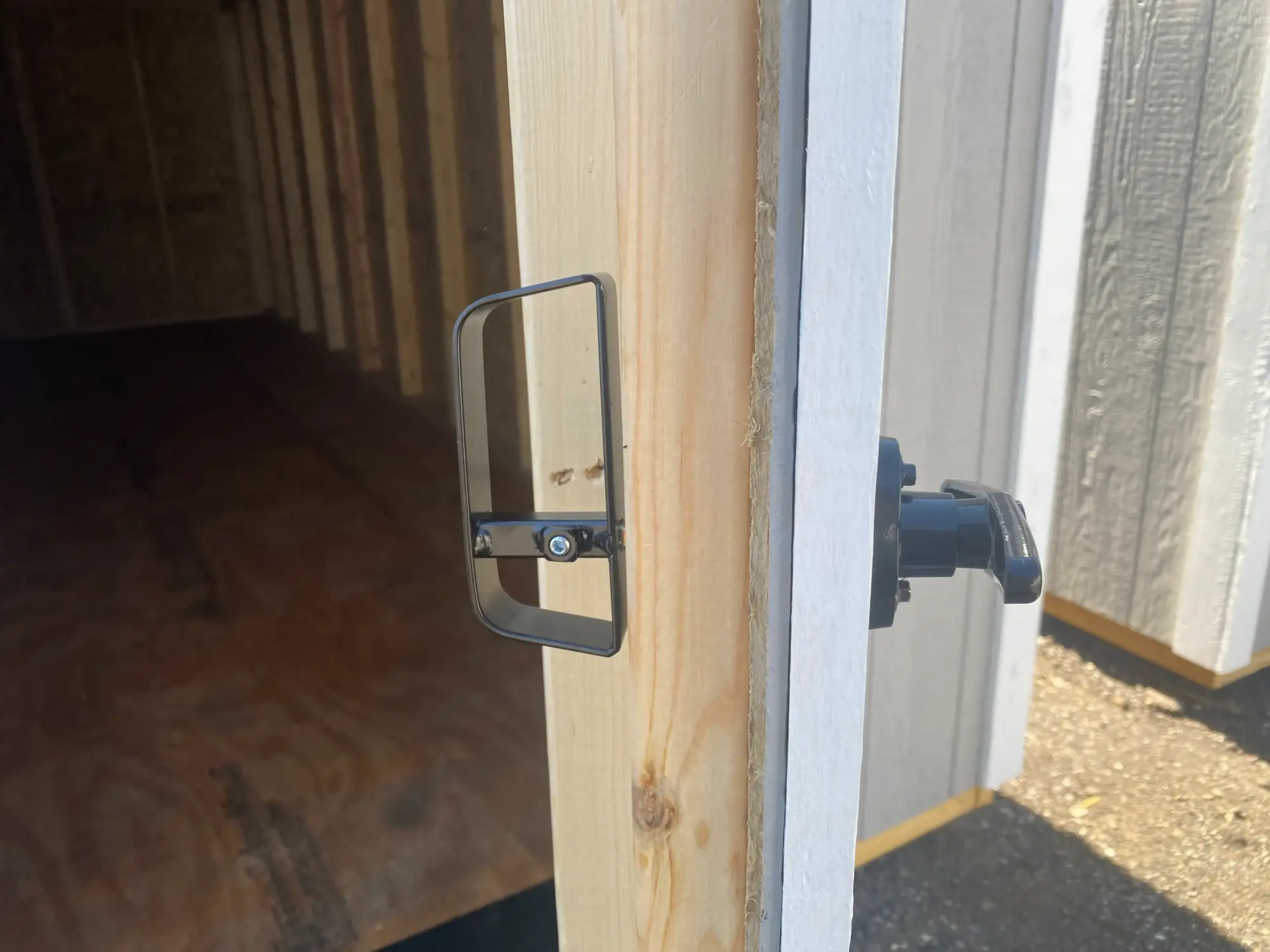
What experienced builders understand
Builders who install exterior doors regularly know that controlling movement matters just as much as allowing smooth operation. A door should move freely but stay where you leave it. Proper hinge placement and balance make that possible, especially in outdoor structures exposed to wind and weather.
Conclusion
Knowing how to keep shed doors open improves safety, convenience, and long-term durability. The right approach accounts for door weight, wind exposure, ground conditions, and seasonal movement. Supporting the door properly protects hinges and prevents damage while making everyday tasks easier. If you want a shed where door behavior is already considered as part of the design, explore the in-stock storage sheds available from Hartville Outdoor Products. Options like the 10×12 Signature Barn show how thoughtful construction makes daily use feel natural and frustration-free.