
How To Program Car Garage Door Opener
Learning how to program car garage door opener is something many vehicle owners eventually need to do, whether they have purchased a new car, replaced a garage door opener, or moved into a new home. While the process can seem confusing at first, modern garage systems are designed to make programming relatively straightforward once you understand how the components communicate with each other. Taking time to program the opener correctly ensures reliable access and prevents future issues with security or functionality.
Garage door openers are commonly used with homes, detached garages, and storage buildings. People who own sheds, workshops, or prefab garages often rely on vehicle-based garage door openers for convenience. When these systems work correctly, they make daily routines smoother. When they do not, frustration sets in quickly. Knowing how to program car garage door opener properly helps maintain consistent access to your space.
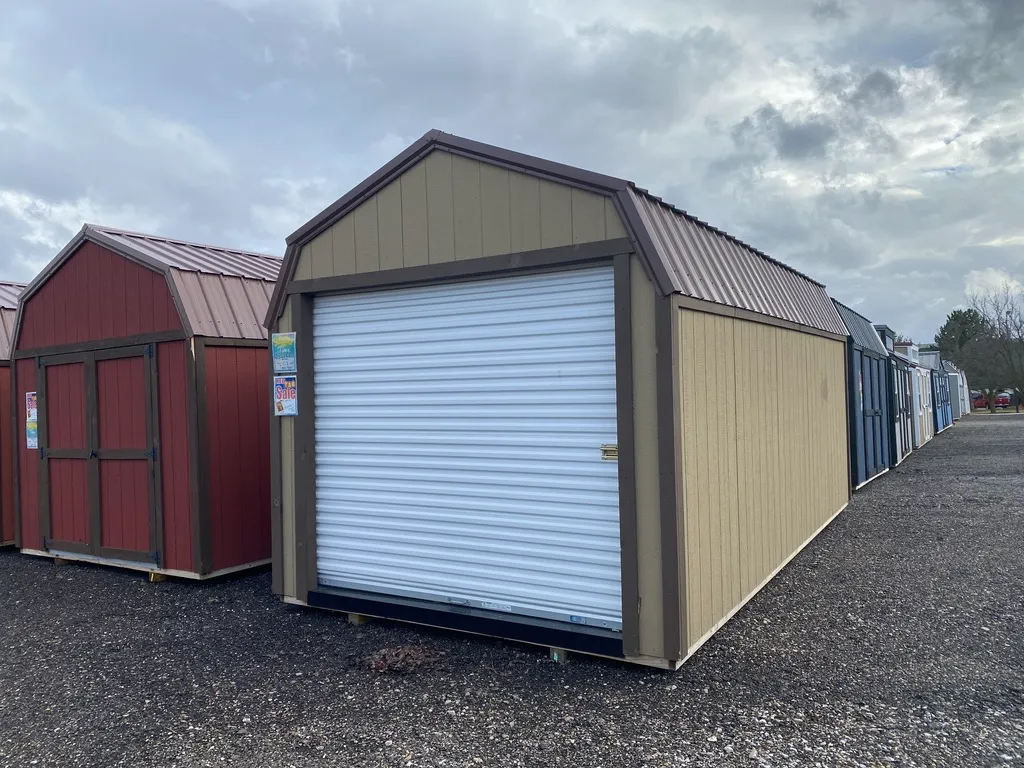
How to program car garage door opener starts with understanding the system
Before programming begins, it helps to understand how garage door opener systems work. Most modern vehicles use built-in transmitter systems that communicate with the garage door opener motor. These systems send a coded signal that tells the opener when to raise or lower the door. The programming process links the vehicle’s transmitter to the opener’s receiver.
Older garage door openers may use fixed codes, while newer systems rely on rolling code technology. Rolling codes change the signal each time the door is activated, improving security. Knowing which type of system you are working with helps explain why certain steps are required during programming.
Why programming steps vary by opener and vehicle
One reason people struggle with how to program car garage door opener is that steps vary depending on the manufacturer of both the vehicle and the opener. Different brands use slightly different methods for entering programming mode. Some require pressing buttons inside the vehicle, while others involve interacting directly with the garage opener unit.
Despite these differences, the core process remains similar. The vehicle transmitter must be cleared or set to learn mode, and the garage opener must be instructed to accept a new signal. Understanding this shared logic makes it easier to follow brand-specific instructions.
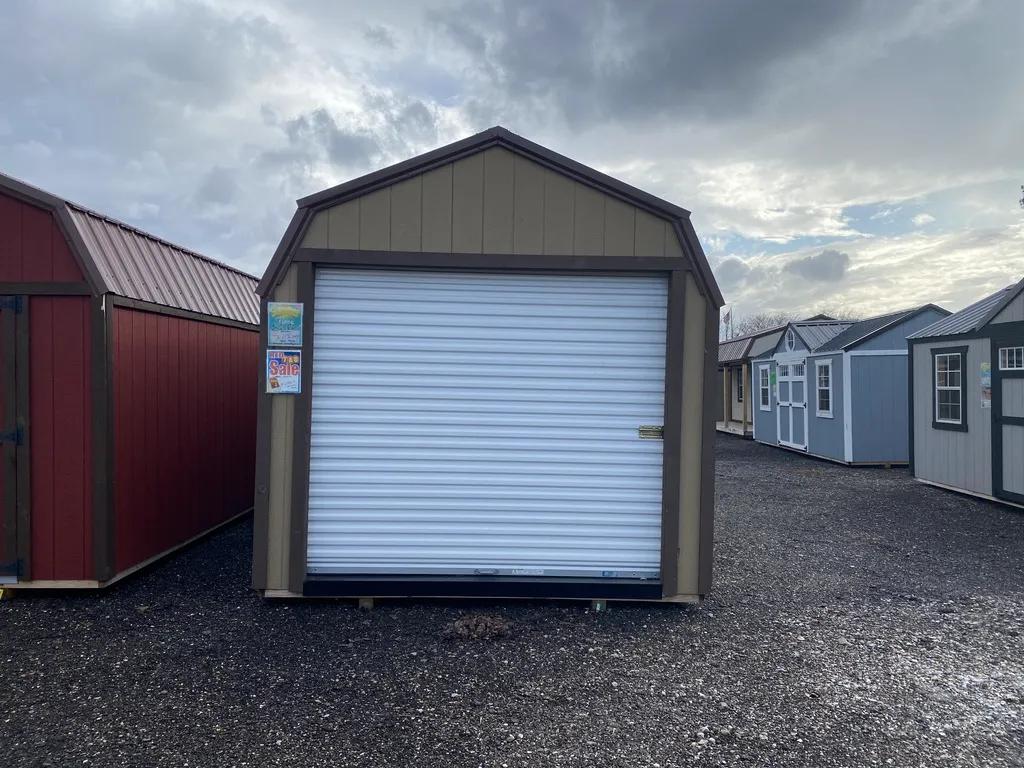
Preparing the vehicle for programming
Programming usually begins inside the vehicle. Many vehicles have built-in buttons located on the visor, overhead console, or near the rearview mirror. These buttons act as programmable transmitters. Clearing any previous codes ensures the system starts fresh.
Clearing old codes prevents interference and reduces the chance of programming errors. Once cleared, the system is ready to accept a new signal from the garage door opener. This step is important when programming a vehicle that previously controlled a different door.
Putting the garage door opener into learn mode
The garage door opener itself must be placed into learn mode so it can recognize the vehicle’s transmitter. This usually involves pressing a button located on the opener motor housing. The learn button may be labeled differently depending on the manufacturer, but its function remains the same.
Once the opener enters learn mode, it remains receptive for a limited time. During this window, the vehicle transmitter sends a signal that the opener stores in memory. Timing matters here, which is why following instructions carefully is important.
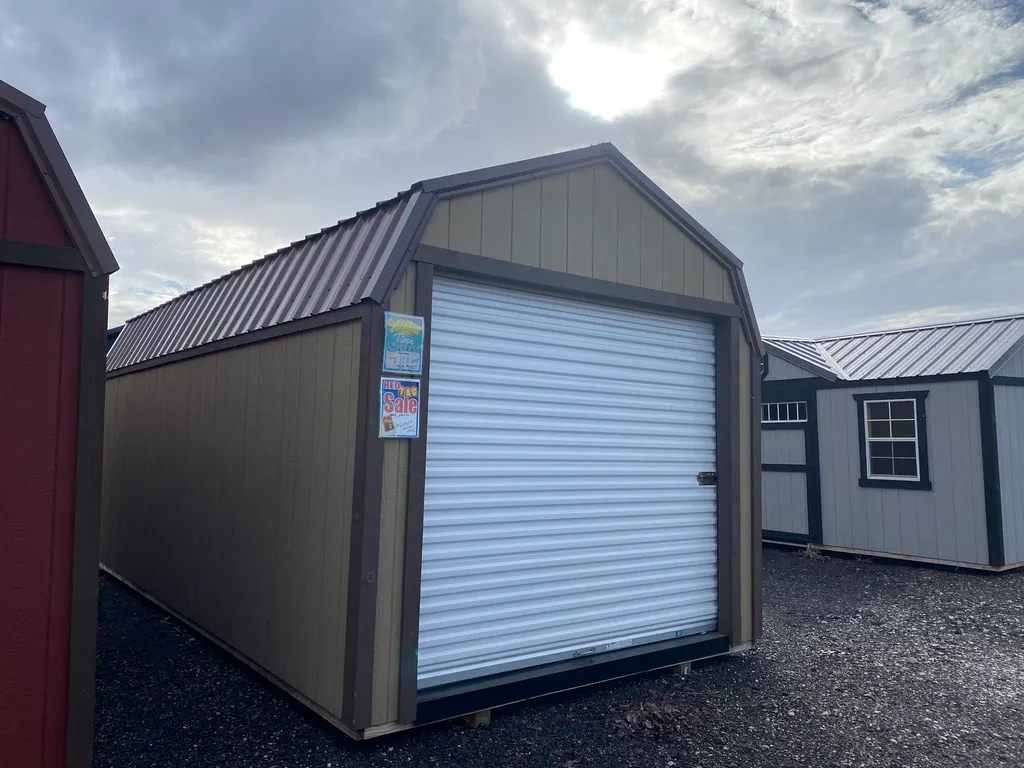
Sending the signal from the vehicle
With the opener in learn mode, the vehicle transmitter sends the programmed signal. This often involves pressing and holding a designated button inside the vehicle until the opener responds. The response may include a blinking light or a clicking sound.
Once the opener acknowledges the signal, the programming process is usually complete. Testing the system confirms that the vehicle can reliably open and close the garage door.
Why security matters during programming
Security is a major reason programming steps exist. Modern systems prevent unauthorized access by changing codes automatically. When programming a car garage door opener, you are granting access to a secure space. Taking care to program correctly helps maintain that security.
Clearing old transmitters and ensuring only intended vehicles have access reduces risk. This is especially important for garages attached to homes or storage buildings containing valuable equipment.
Programming issues and common mistakes
Sometimes programming does not work on the first attempt. Common issues include timing errors, incorrect button selection, or interference from nearby devices. Patience helps here. Repeating the process slowly and deliberately often resolves issues.
Another common mistake is failing to clear old codes. Residual signals can confuse the system and prevent successful programming. Starting with a clean slate improves reliability.
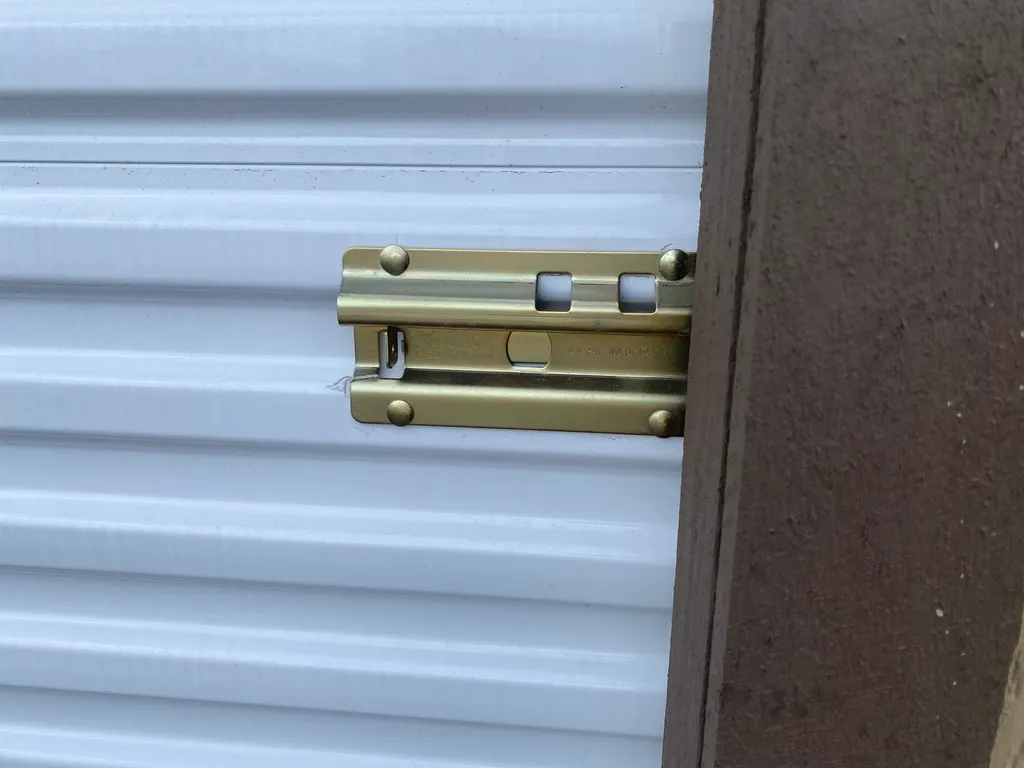
Why garage door programming matters for storage buildings
Garage door openers are not limited to residential garages. Many people use them for storage buildings, prefab garages, and workshops. Easy access to these spaces improves usability and security.
Owners of in-stock garages and storage buildings often appreciate the convenience of vehicle-based openers. Being able to open the door without exiting the vehicle saves time and effort, especially in poor weather.
How structure quality affects opener performance
The structure surrounding the garage door influences opener performance. Doors that are properly aligned and balanced operate more smoothly. When doors move predictably, the opener experiences less strain. Well-built garages and storage buildings support reliable opener operation. Solid framing and proper installation help ensure long-term performance.
Maintaining reliable operation after programming
Once programming is complete, ongoing maintenance helps keep the system working. Periodic testing ensures the transmitter responds correctly. Replacing vehicle batteries when needed prevents signal issues. Regular inspection of the garage door and opener reduces wear. When doors move smoothly, openers last longer and programming remains stable.
Why professionally built garages simplify ownership
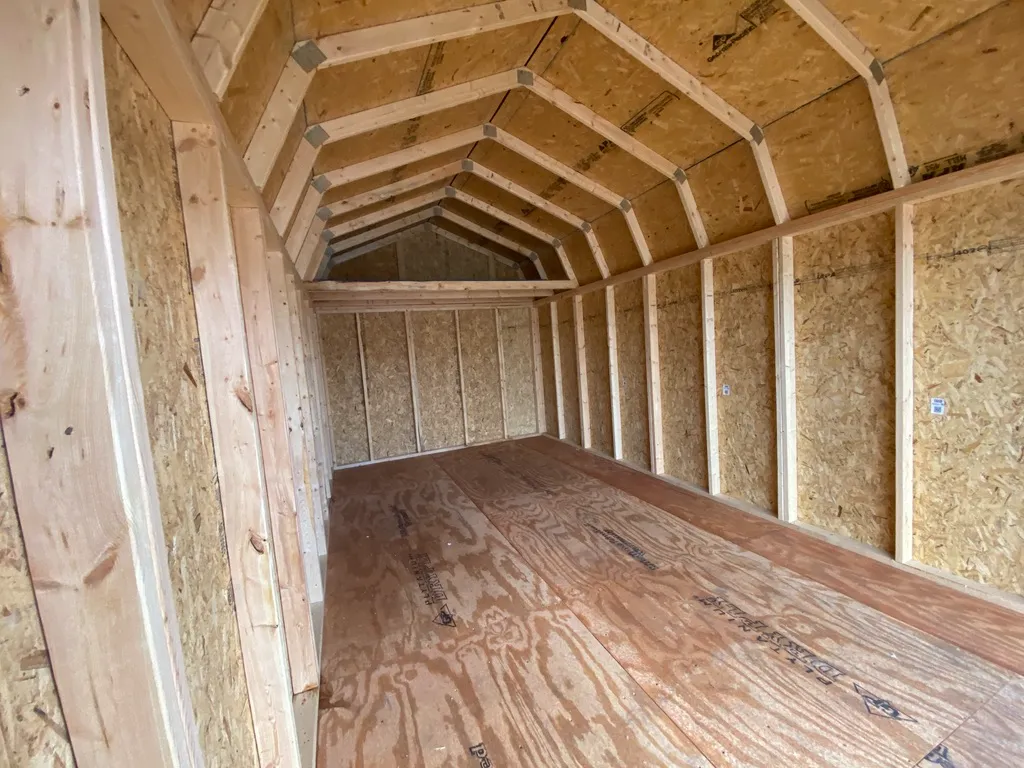
Professionally built garages and storage structures offer consistent construction and reliable door alignment. This consistency supports smooth opener operation and easier programming. Exploring in-stock buildings gives owners confidence in structural quality. Finished buildings demonstrate how thoughtful construction supports everyday convenience.
Learning from established safety practices
Garage door systems are designed with safety standards in mind. Proper installation and programming help prevent accidents. Guidance from organizations like the Federal Trade Commission highlights the importance of secure access and proper device setup.
Conclusion
Understanding how to program car garage door opener improves convenience, security, and daily usability. While steps vary by vehicle and opener, the underlying process remains consistent. Proper preparation, careful timing, and attention to security help ensure success. For those using garage doors on storage buildings, workshops, or prefab garages, reliable programming makes everyday access easier. To explore well-built garages and storage solutions designed for dependable use, view the in-stock buildings available from Hartville Outdoor Products, where construction quality supports long-term performance.