
How To Build Pole Barn Shed
Learning How To Build Pole Barn Shed gives homeowners a simple and dependable way to add storage space and protect equipment without the higher cost of traditional construction. Pole barn sheds use a post and beam system supported by buried posts, which makes them strong and affordable. This style also allows for flexible design and faster assembly, making it a practical option for many properties. Before starting the project, it helps to understand the planning steps, the materials you will need, and the building sequence that turns a bare layout into a finished structure. When these steps come together, the result is a shed that offers long term strength and dependable storage for your property.
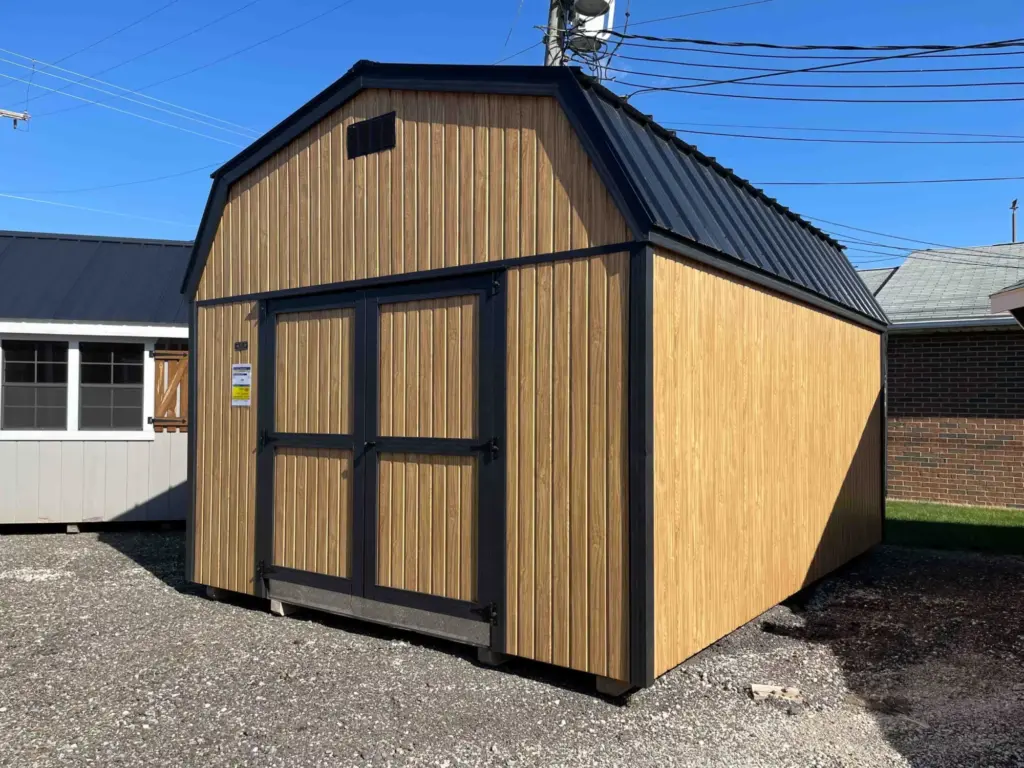
Planning Your Pole Barn Shed
A solid plan is one of the most important parts of learning How To Build Pole Barn Shed because it sets the direction for the entire project. Start by deciding how much space you need for tools, equipment, or vehicles. Many owners choose larger footprints once they consider future storage needs, since it is easy to underestimate how fast items accumulate. After choosing a size, check your local zoning rules to confirm what is allowed on your property. Some areas limit shed size, height, or distance from property lines. Understanding these rules early prevents delays and helps you design a shed that fits your property layout and long term goals.
Selecting Strong And Reliable Materials
Pole barn sheds rely on strong materials that support the entire structure. Most builders choose treated wood posts because they resist moisture and provide the strength needed for long term use. These posts act as the backbone of the shed and hold the roof and walls in place. Horizontal framing pieces such as girts and purlins connect the posts, while exterior siding closes in the structure. Metal siding is a popular choice because it is durable and requires very little maintenance. Wood siding offers a rustic look, but it needs painting or staining to stay in good condition. Roof materials include metal panels or shingles. Metal roofing handles rain and snow well, while shingles blend in with many residential neighborhoods. Choosing the right materials improves durability and reduces future maintenance work.
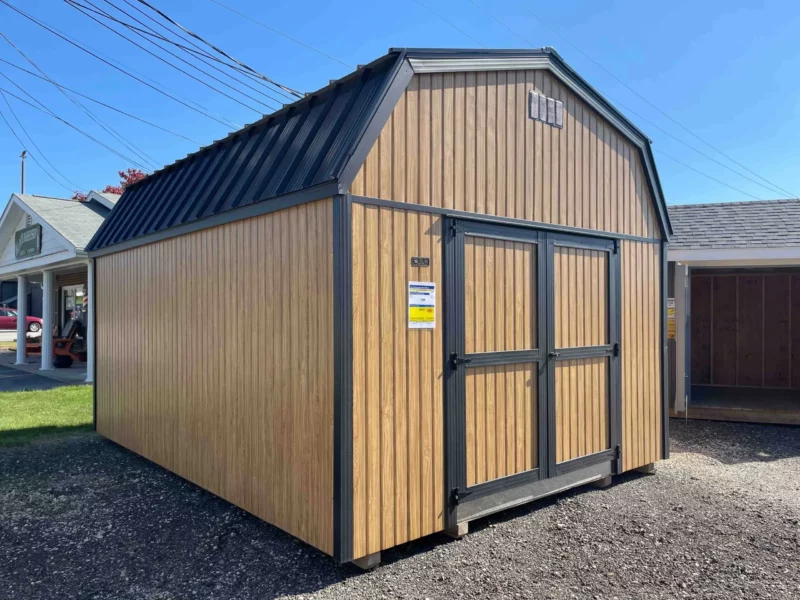
Preparing And Marking The Building Site
The building site needs to be level, clear, and ready before construction begins. Mark the footprint of the shed with stakes and string, then measure the diagonals to confirm the layout is square. Remove rocks, grass, and debris so the posts and framing sit on clean ground. Many builders add a layer of gravel to help with drainage and create a level surface for future flooring. Good site preparation helps prevent uneven settling, water pooling, and moisture problems around the shed. When the base is clean and level, every part of the building process becomes easier and more accurate, especially when setting posts or aligning the frame.
Setting The Posts
The support posts are one of the most important components in learning How To Build Pole Barn Shed. Dig each post hole to the depth required by local frost lines and building codes. Place the posts in position and brace them to hold them straight. Check alignment several times before adding concrete. Straight posts create a strong, square structure, and getting this step right saves time during framing and siding installation. Once the concrete sets, the posts form a dependable foundation that can support the shed through strong winds and shifting seasons. Careful work at this stage builds confidence in the strength of the entire structure.
Building The Frame
With the posts secure, the next step is building the frame. Attach horizontal girts to the posts to support the walls, then install purlins across the top to support the roof. Keep each board level and straight, making adjustments as needed. Many builders add temporary bracing during this stage to hold everything in proper alignment. A well built frame ensures the siding panels fit smoothly and the roof sits evenly. Builders who understand How To Build Pole Barn Shed focus on accuracy here because mistakes in the frame create problems later. When the frame is strong and square, the rest of the project moves forward smoothly.
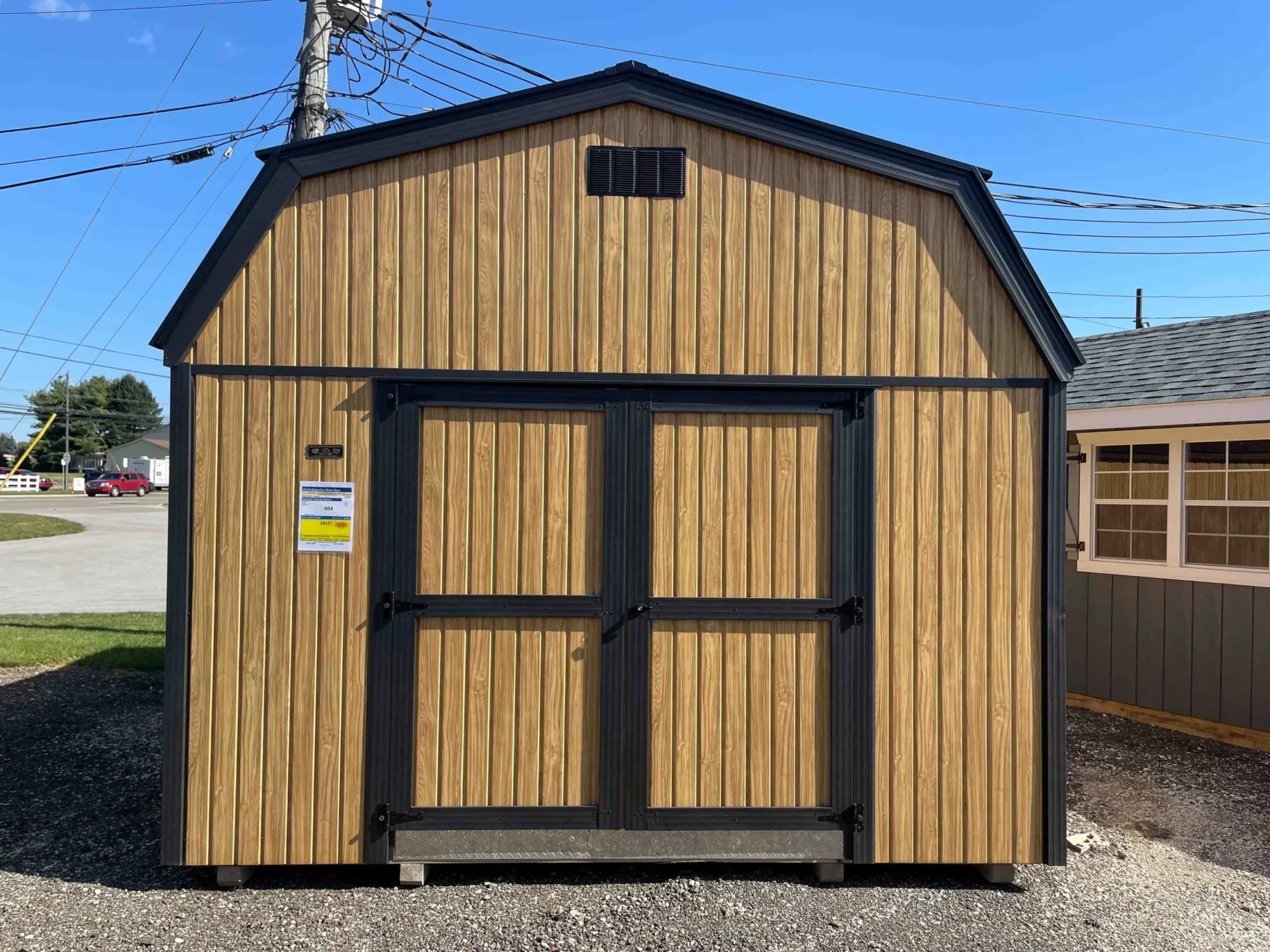
Installing The Roof
The roof protects your shed from the elements, so it needs careful installation. Begin by securing the roof framing pieces, then attach your chosen roofing material. Metal roofing panels are a top choice for pole barn sheds because they install quickly, last a long time, and shed water efficiently. Each panel overlaps the next to create a tight seal. Shingles are another option for owners who want a more residential look. The goal is to create a roof that blocks rain, resists wind, and holds up well in different weather conditions. A properly installed roof keeps your tools and equipment dry and extends the life of the entire structure.
Adding Siding And Exterior Features
Once the roof is complete, you can install the siding. Metal siding panels attach easily and require little upkeep, which makes them a practical choice. Wood siding offers character but needs regular care to stay in good condition. Install siding from the bottom up, keeping each panel level and secure. Add trim around windows, doors, and roof edges to improve appearance and seal out moisture. When you follow the correct steps and understand How To Build Pole Barn Shed from the ground up, the siding becomes both a protective barrier and a visual upgrade for your structure.
Interior Finishing And Functional Features
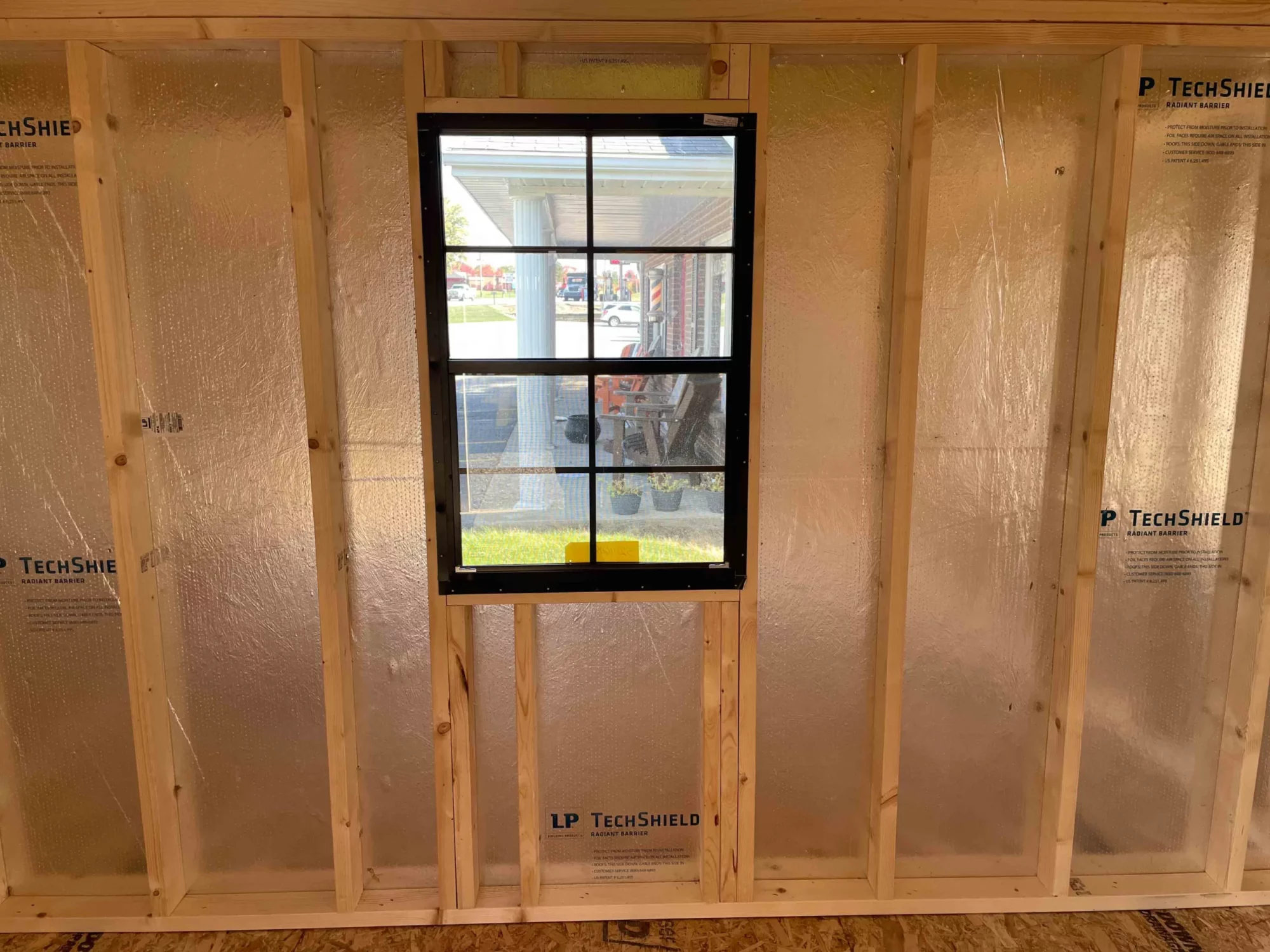
The inside of your pole barn shed can stay open or be customized depending on how you plan to use it. Some owners prefer an open layout for equipment, while others install shelving, lofts, or workbenches. If you store temperature sensitive items, insulation may help regulate temperatures. A vapor barrier reduces moisture issues, especially in humid climates. You can choose gravel flooring, wood flooring, or concrete. Concrete costs more but handles heavy equipment better. Lighting and electrical outlets may also be added, but these need planning before walls are fully enclosed. Good interior design improves both function and comfort.
Learning More About Post Frame Construction
Pole barn sheds use structural methods based on pole building framing, which supports wide roof spans, open interiors, and strong load distribution. This method places the structural weight on buried posts rather than on continuous concrete foundations. Understanding these principles helps you choose proper material spacing, lumber sizing, and layout options that create a strong and reliable shed.
Final Checks Before Use
Before putting your shed to use, inspect the structure for stability and accuracy. Check that the siding sits tight, the trim fits well, and the roof panels are secure. Make sure the doors open smoothly and that there are no gaps that allow water to enter. Some homeowners add gutters, gravel paths, or landscaping around the shed to improve drainage and appearance. These finishing touches complete the project and create a shed that stays clean, organized, and ready for everyday use. When you understand How To Build Pole Barn Shed step by step, the final structure becomes a dependable asset that supports your property for many seasons.
Conclusion
Building a pole barn shed offers a reliable and affordable way to add long term storage and workspace to your property. If you want help choosing the right shed size or design, reach out to Hartville Outdoor Products and explore dependable options built to meet your needs.