
How Much Do Prefab Houses Cost
Many homeowners begin their research by asking how much do prefab houses cost because the pricing structure can feel different from traditional construction. Prefab houses use a controlled manufacturing process that helps reduce waste and improve consistency, which means the final cost depends on size, layout, materials, and the level of finishing you choose. Understanding each factor helps you plan a realistic budget and select a home that fits your long term goals. With the right preparation, buyers gain a clear view of what affects pricing and how prefab construction supports efficient, modern living.
What A Prefab House Includes
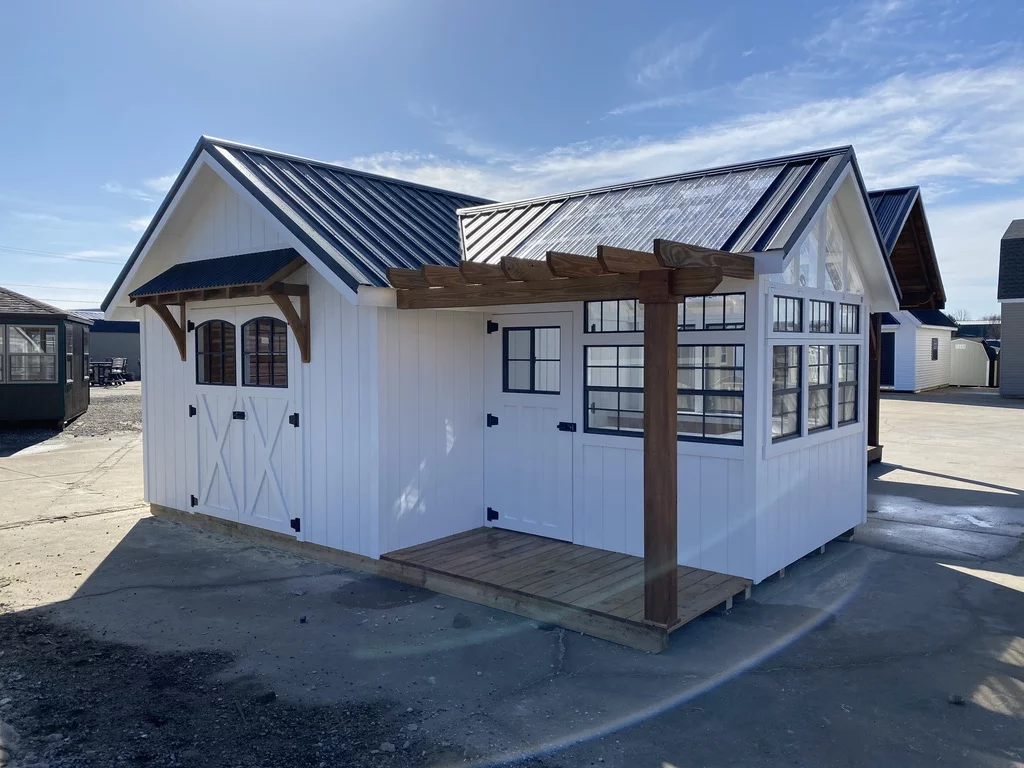
Prefab houses arrive in modules or large pre built sections that workers assemble on a foundation prepared ahead of time. These sections include framed walls, insulation, electrical openings, window placements, and other core structural elements. Building these components indoors keeps them protected from rain and temperature swings, which improves long term durability. The house arrives in predictable sections that fit together with planned accuracy, making the installation process smoother than many site built methods. Since the core of the home is built in a consistent environment, the final result remains sturdy and dependable for everyday use.
The Basic Price Range For Prefab Houses
Many buyers want a general idea of how much do prefab houses cost before comparing specific models. Smaller prefab homes often start around $50,000 to $80,000. These designs work well for basic living needs, vacation properties, or guest units. Mid sized prefab homes usually range between $100,000 and $150,000 and offer more interior freedom, additional rooms, and better finishing options. Larger homes with upgraded features can range from $160,000 to $250,000 or higher depending on design complexity, energy performance, and layout choices. These numbers provide useful starting points, but the choices a buyer makes during planning influence the final cost more than anything else.
Why Prefab Pricing Varies So Widely
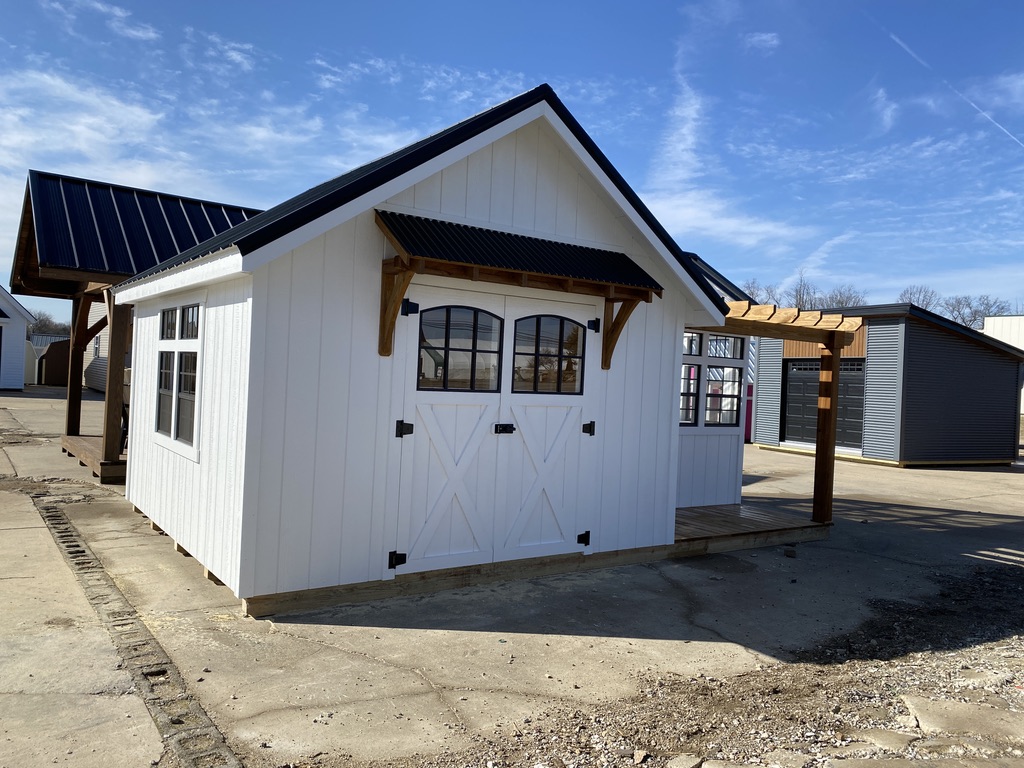
Prefab homes fall into wide price ranges because each homeowner builds around different needs and expectations. Material quality plays a major role because upgraded roofing, improved insulation, and premium siding increase durability and energy efficiency. Floor plans also influence pricing. Open layouts require more structural support, while multi level designs involve more engineering. The finishing level changes price as well. Standard trim, flooring, and cabinets lower the cost, while high end interior packages raise it. These elements allow buyers to customize their home while staying within a predictable pricing framework.
Understanding How Prefab Construction Affects Cost
Prefab construction uses a manufacturing method that follows precise measurements and consistent build steps. Many systems rely on practices similar to modular building, which improves accuracy and reduces on site labor. Because much of the work is completed in a controlled setting, delays caused by weather or contractor scheduling rarely affect the timeline. This consistency helps stabilize costs. Traditional construction often requires multiple crews and extended time frames, which lead to variable price swings. Prefab houses streamline the process and prevent many of these surprises, giving buyers more certainty as they plan their budget.
Foundation Costs And Site Preparation
A prefab house requires the same foundation standards as any permanent home. The foundation type influences total cost. Slab foundations remain the most budget friendly option, while crawl spaces and basements cost more because they require more excavation and labor. Site preparation also affects pricing. If the property is level and clear, preparation costs remain low. If the site needs heavy grading, tree removal, or soil stabilization, the cost increases. These details shape how much do prefab houses cost and help buyers compare pricing with accuracy instead of relying on general national averages.
Transportation And Delivery Costs
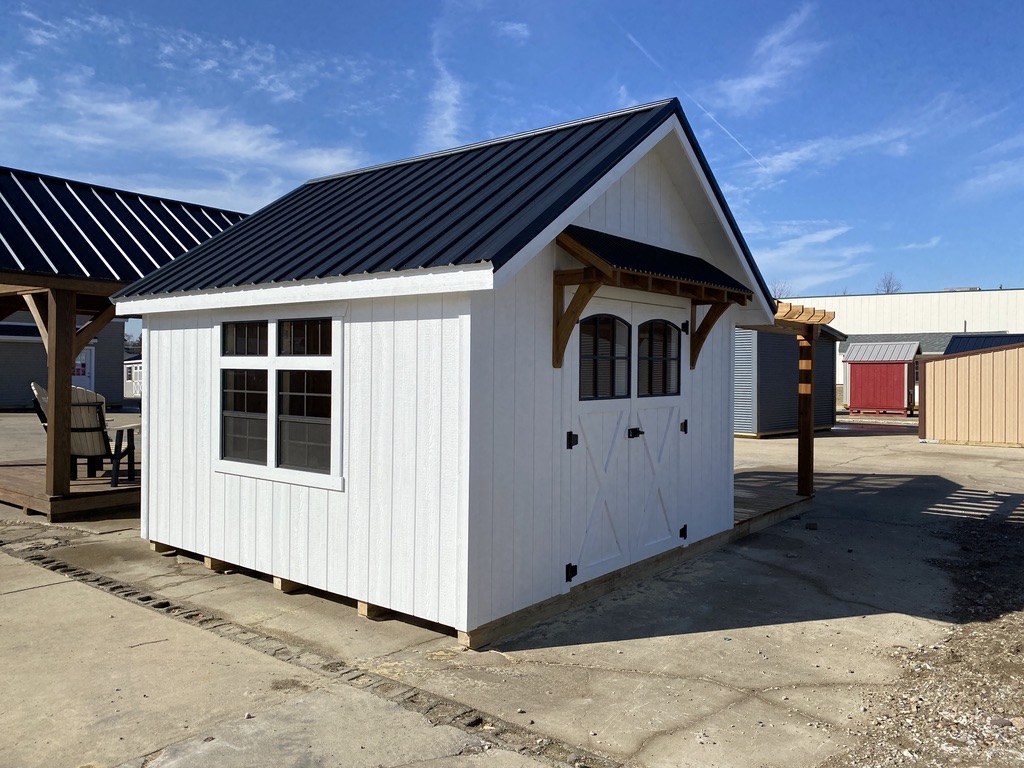
Prefab houses travel from the manufacturing facility to the build site on specialized trucks. Delivery cost depends on distance, the size of the modules, and the difficulty of accessing the property. Wider modules may require escort vehicles or routing changes, which increases cost. Some sites also require cranes or additional equipment to lift the modules onto the foundation. Transportation remains one of the few variables that change based on region, so buyers should include these fees when estimating their total investment. Even with transportation added, prefab homes often deliver strong value because the core building process stays efficient and consistent.
Interior Finishing And Customization
Interior selections influence overall pricing as much as the exterior structure. Standard packages include basic flooring, cabinetry, paint, and lighting. Many homeowners choose upgraded finishes such as hardwood floors, stone countertops, tile showers, or energy efficient windows. Each upgrade adds to the total cost, but it also improves comfort and long term value. Choosing finishes early helps keep pricing predictable because the majority of the cost is determined before assembly begins. Buyers who want more control over how much do prefab houses cost often start by choosing a model with an efficient layout, then adding targeted upgrades that deliver the greatest impact.
Energy Efficiency And Long Term Savings
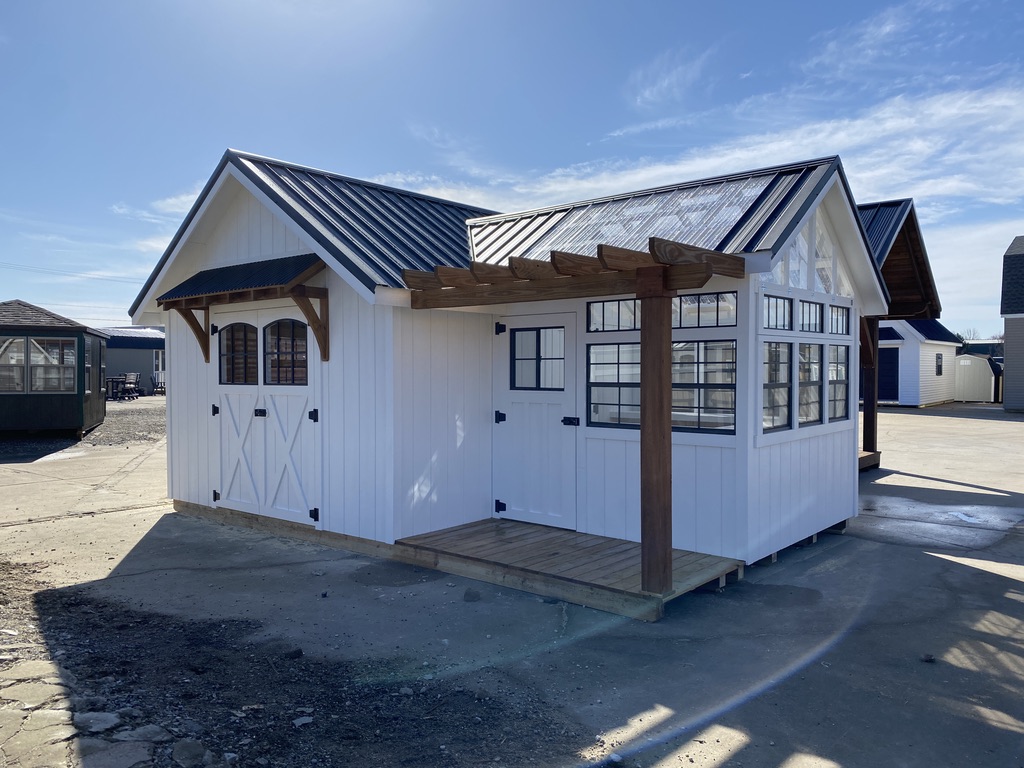
Prefab houses often include strong energy saving features because the manufacturing process allows workers to seal joints, install insulation, and place windows with careful precision. These details improve heating and cooling performance, which saves money each year. Many homeowners invest in thicker insulation packages or higher quality windows because the upfront cost often results in lower utility bills over time. When comparing how much do prefab houses cost, it helps to look at long term expense as well as initial investment. A house built with strong energy performance pays back value for many years.
Comparing Prefab Costs To Traditional Construction
Prefab homes typically cost less than custom site built homes because the process removes many inefficiencies. Traditional construction depends on weather, subcontractor availability, and local labor fluctuations. These variables increase the chances of price changes and delays. Prefab construction avoids those issues by completing most of the build in a controlled setting. Installation on site happens quickly, which reduces overall labor. Buyers appreciate this budget clarity because it gives them a firm expectation of what the final home will cost. While upgrades still affect the price, the base structure remains one of the most stable parts of the entire investment.
Who Benefits Most From Prefab Housing
Prefab homes work well for buyers who want predictable costs, shorter build times, and dependable structure. Families with time sensitive schedules appreciate the streamlined installation process. Owners who want clear pricing enjoy the simplified planning stage because the majority of the home is finalized before construction reaches the property. These homes also appeal to buyers who want energy efficiency, modern layouts, and low maintenance materials. Many people select prefab homes as primary residences, vacation homes, or guest houses because the construction method supports a wide range of budgets and design styles.
How To Estimate Your Total Cost Accurately
The best way to understand how much do prefab houses cost is to break the project into clear categories. Start with the structure itself. Then add the foundation type, delivery fees, site preparation, utility hookups, permits, and interior upgrades. This simple outline creates a realistic picture of the total investment. Keeping these categories separate also helps you compare models from different builders. Instead of relying on broad averages, you evaluate cost based on your property, your layout choices, and the features you want in your home. This approach keeps planning organized and prevents surprises as construction moves forward.
Conclusion
Prefab houses offer clear pricing, strong structure, and dependable build times. The final cost depends on size, materials, layout, finishing level, and property conditions. When buyers understand each factor, planning becomes easier and more predictable. If you want guidance choosing a prefab structure that fits your goals, explore dependable options through Hartville Outdoor Products and find a home that matches your vision and your budget.