
Why Won’t Garage Door Open
Many homeowners ask Why Won’t Garage Door Open when the door suddenly becomes stubborn, unresponsive, or stuck halfway. A garage door moves several times a day, and it relies on springs, rollers, tracks, and an opener system that must all work together. When one part stops functioning as it should, the entire door can stop moving. This can create major inconvenience, especially when you need to leave for work or want to bring equipment inside. Understanding the common causes behind a non working garage door helps you respond faster, prevent future problems, and know when a repair is simple or when it requires a more experienced hand.
Check The Power Source First
Power issues are one of the most common reasons homeowners ask Why Won’t Garage Door Open. Garage door openers rely on a steady source of electricity, and even a small disruption can cause the system to stop responding. Start by checking if the opener is plugged in securely. Sometimes vibrations cause the plug to loosen over time. After confirming the plug is secure, look at the outlet to see if it tripped a breaker. A simple reset often restores power. If the opener has a built in light, check if it comes on when pressing the wall button. If the light stays off, the opener may not be receiving power at all. This is one of the simplest problems to fix, but it is often overlooked during moments of frustration.
Look For Remote Control Problems
Many homeowners worry about mechanical failures when they want to know Why Won’t Garage Door Open, yet the issue often comes from the remote control. Remote batteries lose strength over time, and a weak battery reduces signal range until the remote stops working completely. Try replacing the battery to see if the remote responds. Distance can also cause problems. Many remotes need to be close to the door before they work. Interference from nearby electronics or metal objects can also weaken the signal. If the remote still does not work, try using the wall button. If the wall button works but the remote does not, the problem is almost always related to the remote rather than the opener or door itself.
Inspect The Safety Sensors
Garage doors use safety sensors near the floor to prevent accidents. When the sensors cannot “see” each other, the opener will refuse to close the door. Some systems also prevent the door from opening if the sensors sense obstruction. Dust, dirt, or alignment issues prevent the sensors from communicating properly. A quick wipe with a cloth often restores them, but sometimes one sensor has been bumped out of alignment. Even a slight angle can interrupt the signal. Make sure both sensors point directly at each other and that nothing blocks the path. When sensors work correctly, they prevent accidents and help the garage door operate smoothly again.
Examine The Springs For Strain Or Failure
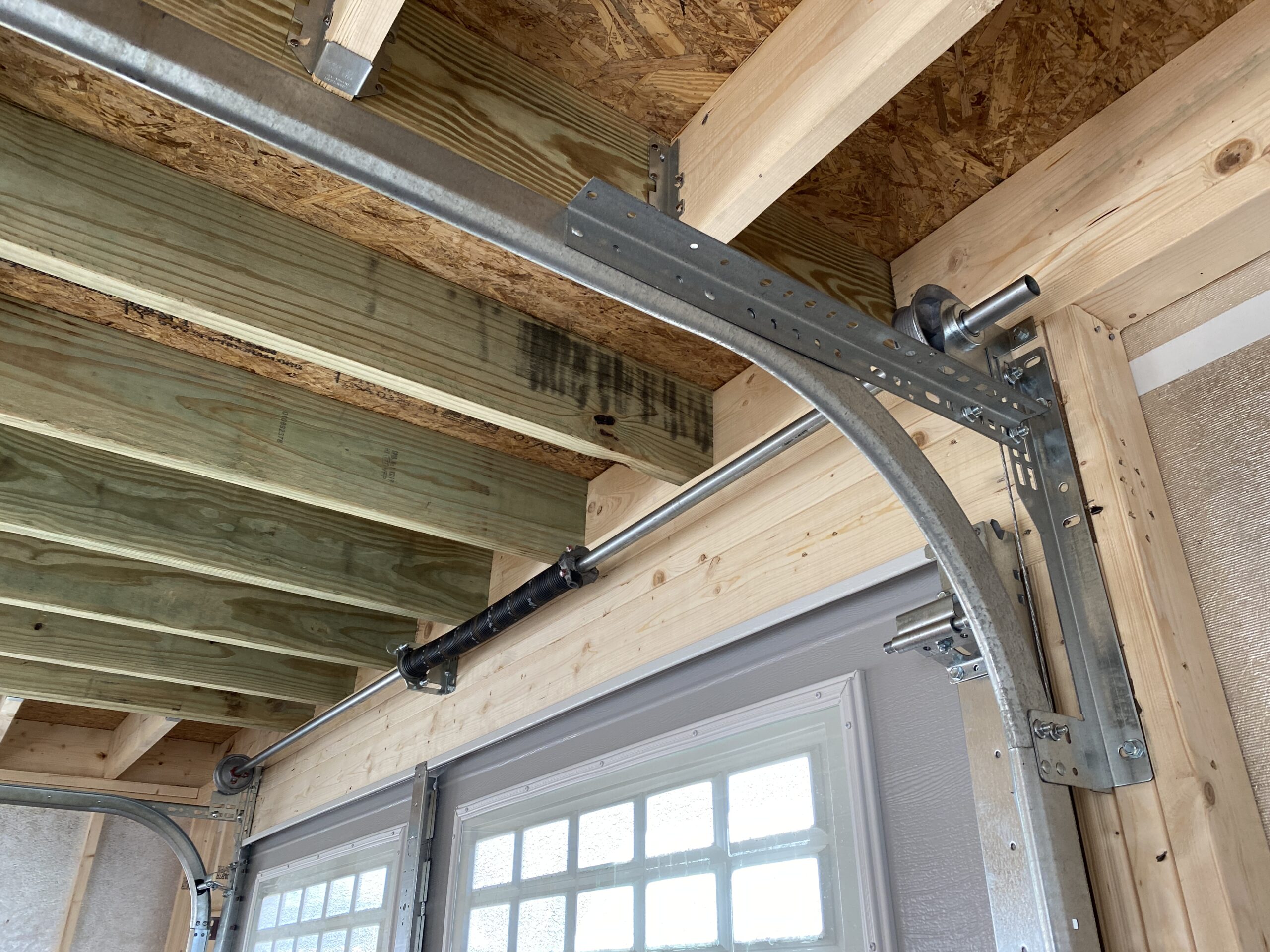
If you ask Why Won’t Garage Door Open and the opener hums but the door barely moves, the problem may involve one of the springs that lift the weight of the door. Garage doors are heavy, and the opener cannot lift the door alone. Springs carry most of the weight, and when one breaks, the door becomes too heavy to move. A broken extension spring is often visible, but tension issues in a torsion spring require closer inspection. If the spring looks stretched, cracked, or uneven, it cannot hold proper tension. Spring repairs require caution due to the force stored in the metal. When a spring shows signs of failure, it is usually safer to call an experienced installer.
Check The Tracks And Rollers
Garage doors slide along metal tracks with the help of rollers. If the tracks bend, shift, or fill with debris, the rollers cannot move smoothly. Homeowners often discover a slight grinding sound or jerky movement before the door stops completely. Dirt buildup creates friction, and misalignment forces the rollers to push sideways. When this happens, the opener senses strain and stops the movement to protect the motor. Inspect the tracks to see if they appear bent or out of alignment. Try wiping them clean to remove dust and hardened grime. A simple cleaning often restores smooth motion, though severe track damage may require replacement. Healthy track movement reduces wear on the rest of the system and helps the door glide more reliably.
Check If The Door Is Locked
Some garage doors include a manual lock feature built into the handle or interior hardware. When homeowners say Why Won’t Garage Door Open, the issue sometimes comes from a lock engaged by accident. Children, guests, or simple oversight can cause the lock to stay engaged without being noticed. When locked, the door will not move even when the opener works correctly. Inspect the handle to make sure the lock bar is not extended into the track. This is one of the quickest issues to fix, yet many homeowners do not check for it right away because they assume a mechanical problem is to blame.
Look For Obstructions Or Heavy Resistance
Garage doors stop when they sense too much resistance. Even small objects can block movement. Tools, sports equipment, or small branches blown into the track can prevent rollers from passing through. Some homeowners notice the door moves a few inches before stopping. This usually means something restricts movement. Clear anything near the track or under the door. Even a minor obstruction can cause the opener to halt the motion to protect itself. Keeping the garage clean and uncluttered helps the door operate smoothly and reduces strain on the opener.
Check The Door For Misalignment Or Warping
Weather changes, humidity, and age can cause wooden doors to warp. When a door no longer sits square within the frame, it may drag along one side of the track. Metal doors can also shift out of alignment if bolts loosen or the frame settles. Homeowners who wonder Why Won’t Garage Door Open often find the door binds at one specific point. Look for gaps, rubbing, or unusual friction along the track. A small adjustment to the hinges or track brackets often solves the issue. Regular inspection prevents larger alignment issues and keeps the door moving freely throughout the year.
Consider Heavy Use And General Wear
Garage doors operate many times each week, and repeated movement causes parts to wear down. Rollers flatten, hinges loosen, springs weaken, and openers lose strength after years of lifting a heavy door. If the door has been used often and maintenance has been limited, wear may be the reason Why Won’t Garage Door Open properly. Some parts require lubrication over time, while others need replacement due to age. Routine inspections allow you to catch problems early and help the opener run without strain. When parts function together smoothly, the door responds quicker and lasts longer.
Look At The Opener Settings
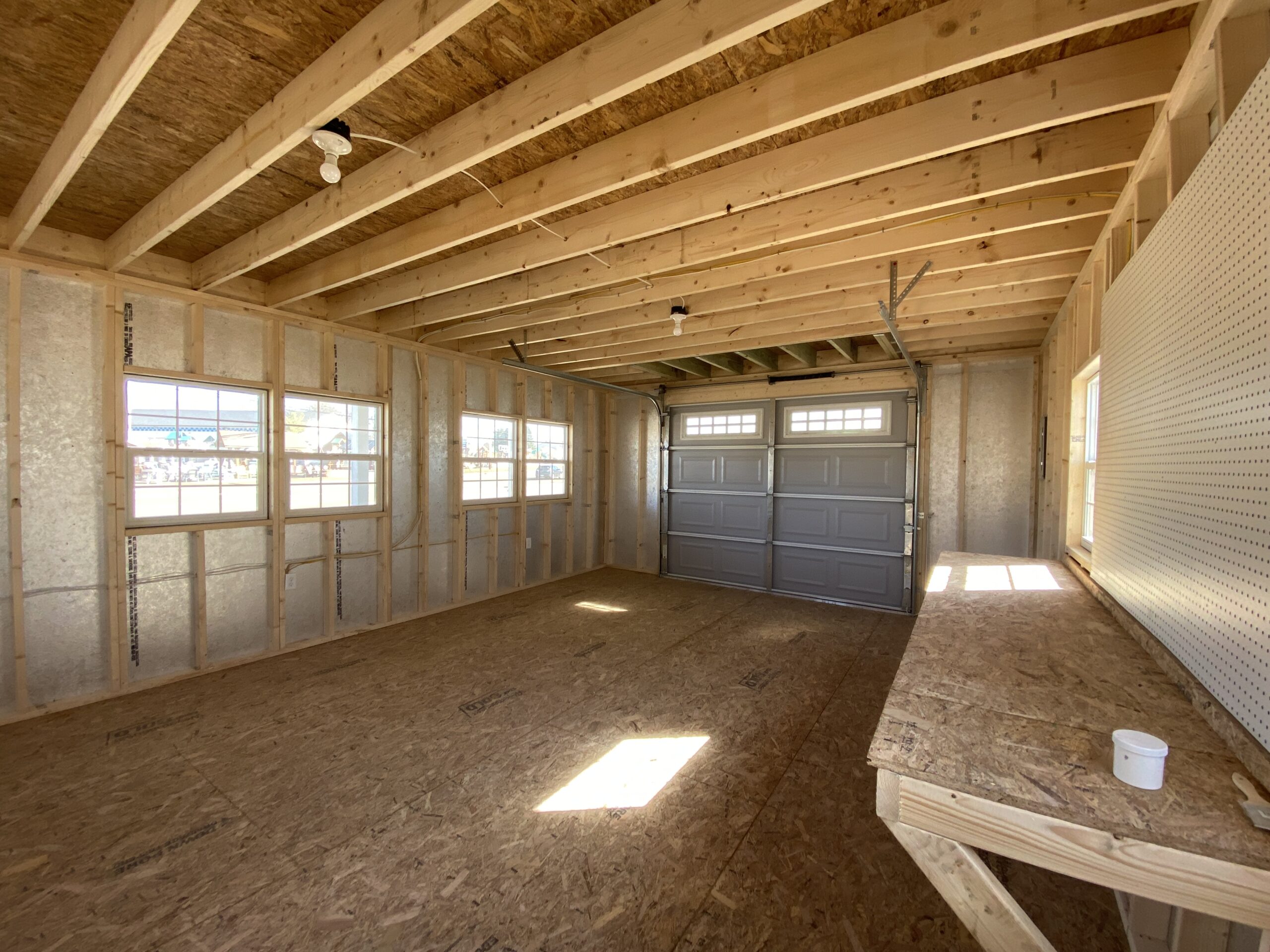
Garage door openers have force and travel settings that tell the door how far to move and how much pressure to use. If these settings shift from vibrations or age, the opener may stop early or refuse to move. Many homeowners discover Why Won’t Garage Door Open after noticing the door reverses halfway or stops before reaching the floor. Adjusting the travel limit or force setting often solves these issues. The settings differ between brands, but most openers include adjustment screws or digital menus. Small changes in these settings help the opener understand how far the door should travel and how much resistance it should expect.
Consider The Age Of The Door System
Garage doors last many years, but older models eventually struggle even with maintenance. Motors weaken, springs lose tension, and metal components fatigue. When age becomes a factor, asking Why Won’t Garage Door Open becomes more common. If the door or opener is decades old, a replacement may offer better performance than constant repairs. Modern systems operate quietly, respond faster, and include safety features that older systems lack. When evaluating age, consider both the door and the opener because they age at different rates and affect each other’s performance. Replacing one without the other sometimes leads to mismatched components that still struggle during operation.
When A Storage Building Garage Door Offers Fewer Problems
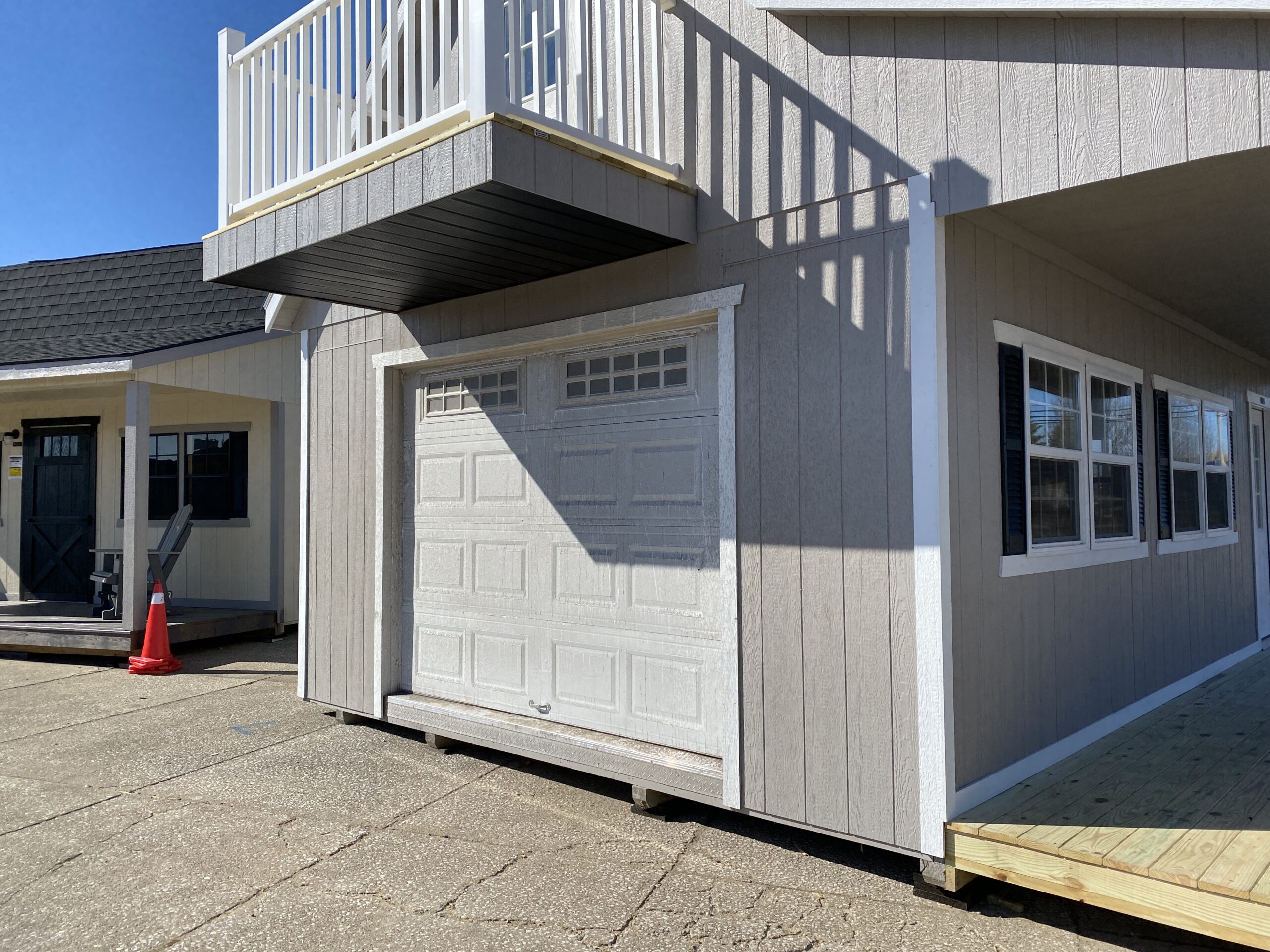
Some property owners avoid repeated garage door issues by choosing a structure with a simpler and more dependable door system. A model such as the 10×16 Barn With Garage Door uses a straightforward design that reduces tension points, improves alignment, and offers smoother opening compared to older or worn residential doors. Structures built with clean framing and balanced door systems stay reliable throughout the year and require less troubleshooting than older setups that depend on worn parts. This gives owners steady performance when storing equipment or vehicles.
Conclusion
When homeowners ask Why Won’t Garage Door Open, the answer usually comes from common issues such as power loss, worn springs, sensor misalignment, or track obstruction. Understanding these causes helps you respond quickly and prevent future problems. If you want a reliable structure with a dependable door system for storage or daily use, explore options through Hartville Outdoor Products to find a model built for strength, stability, and long term performance.