A storage shed ramp makes it much easier to move lawn mowers, wheelbarrows, bicycles, carts, and other equipment through a raised shed doorway. Learning how to build a storage shed ramp starts with measuring the height of the shed floor, deciding what equipment will use the ramp, and choosing a slope that feels controlled rather than excessively steep. The ramp also needs enough width for the doorway, solid support underneath, weather-resistant materials, and a surface that provides traction when wet. A carefully built ramp should meet the shed entrance smoothly without rocking, flexing, or creating a difficult transition at either end.
Measure The Shed Entrance And Ramp Area
The first step in how to build a storage shed ramp is measuring the height from the finished ground to the shed floor or threshold. This vertical rise determines how long the ramp needs to be. You should also measure the door opening and the equipment that will travel through it. A ramp for hand tools and bicycles can be narrower than one intended for a riding mower.
Check the ground in front of the shed as well. You need enough clear space for the ramp and for approaching it in a straight line. Fences, landscaping, slopes, and nearby structures can make a short ramp difficult to use. If the shed sits significantly above grade, extending the ramp farther outward usually creates a gentler approach. Measure carefully before purchasing lumber because the rise, run, and width affect nearly every other part of how to build a storage shed ramp.
Choose A Practical Ramp Slope
A ramp that is too steep can make a loaded wheelbarrow or lawn mower difficult to control. For equipment access, the best slope depends on the height of the shed, available yard space, equipment weight, traction, and how frequently the ramp will be used. Extending the ramp farther from the shed reduces the angle and generally makes moving equipment easier.
Do not automatically apply an accessibility ramp ratio unless you are actually constructing an accessible route that must meet those requirements. The U.S. Access Board's official guide to ramps and curb ramps explains that ramps forming part of an ADA accessible route have specific requirements, including a maximum 1:12 running slope in standard applications. Those standards provide useful context for understanding why gentler slopes are easier to use, but a private equipment ramp for a storage shed should be designed around its intended load, local requirements, and safe operation rather than assuming ADA rules automatically apply.
Select Lumber And Ramp Materials
Material selection is an important part of how to build a storage shed ramp that lasts outdoors. Pressure-treated lumber is commonly used for the structural frame because the ramp sits close to the ground and will be exposed to moisture. Exterior-rated deck boards or other suitable outdoor materials can form the walking and rolling surface. Use galvanized, stainless, or other exterior-rated screws and hardware to reduce corrosion.
Avoid building the ramp from thin unsupported plywood that can flex or deteriorate quickly outdoors. The framing must support the heaviest equipment that will cross it, not just a person walking into the shed. If you expect to move a riding mower, snow blower, loaded cart, or other heavy equipment, size the framing and joist spacing accordingly. Hartville Outdoor Products also offers shed ramp options and guidance for homeowners who want convenient equipment access to their storage buildings.
Build A Strong Ramp Frame
Once the measurements and slope are established, cut the side framing to the required length and angle. The upper end needs to meet the shed threshold securely while the lower end transitions smoothly to the ground. Add intermediate supports or joists across the ramp so the decking does not bounce or flex under weight. The exact spacing should reflect the lumber dimensions, ramp width, and expected load.
When working through how to build a storage shed ramp, pay particular attention to the connection at the shed. The ramp should not simply rest loosely against the building where it can shift during use. Secure it to suitable structural framing with exterior-rated hardware while avoiding attachment points that could damage siding or trap water. The lower end also needs firm support. Compacted gravel, concrete, or another stable base can help prevent the ramp from sinking unevenly into soft ground.
Install A Durable Ramp Surface
After the frame is secure, install the ramp surface. Deck boards are useful because individual boards can be replaced if damaged and small gaps allow water to drain rather than pooling across the ramp. Position the boards perpendicular to the direction of travel and fasten them securely to each supporting joist. Keep fastener heads flush so wheels and shoes do not catch on them.
Traction should be part of how to build a storage shed ramp from the beginning. Smooth wet wood can become slippery, particularly where shade allows algae or moisture to remain. Textured decking, anti-slip strips, or another exterior traction treatment can improve grip. Avoid large raised strips that might interfere with small wheels. Hartville's shed specifications show ramp sections as an available exterior upgrade on certain storage buildings, while also noting that those specific ramp sections are not rated for heavy vehicles. That distinction is important when matching any ramp to the equipment you intend to move.
Create A Smooth Transition At Both Ends
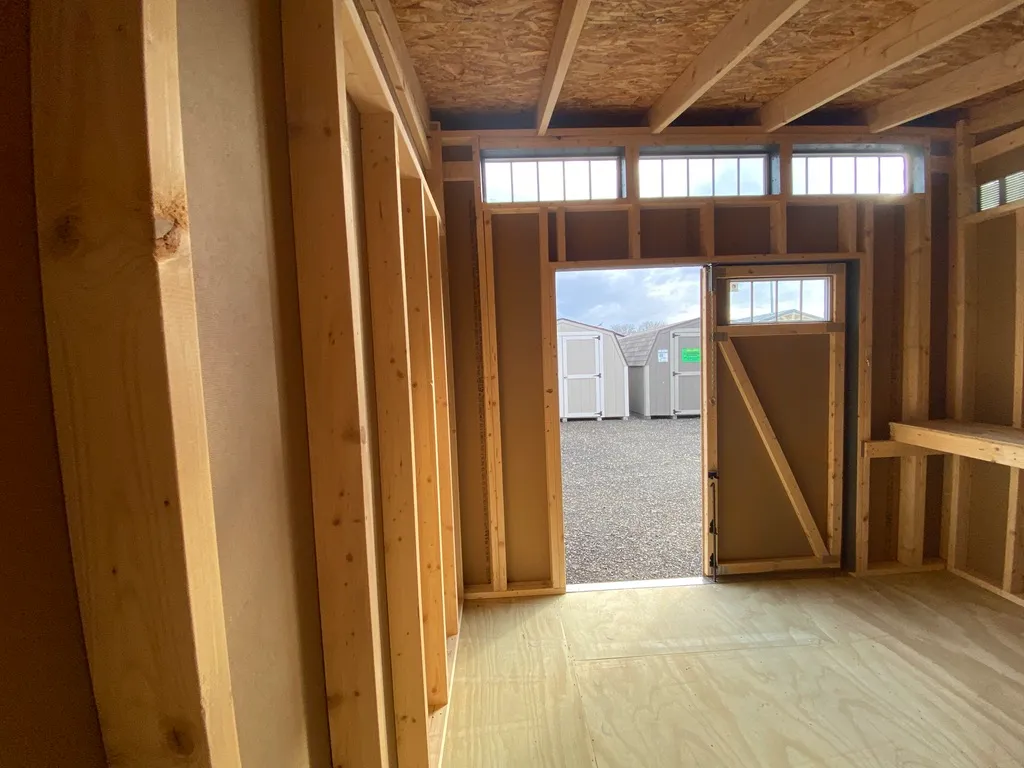
Even a strong ramp can be frustrating if wheels catch where it meets the shed or ground. The top should transition as smoothly as practical to the threshold without leaving a large lip. At the bottom, the ramp should meet a stable surface rather than ending abruptly several inches above uneven soil. These transitions are especially important for equipment with small wheels.
When deciding how to build a storage shed ramp for a riding mower or loaded cart, test the approach angle before considering the project finished. Make sure mower decks, wheelbarrow legs, and other low components do not scrape at the top or bottom. You may need to adjust the lower grade or extend the ramp slightly. Keep drainage in mind as well. Water should move away from the shed rather than collecting beneath the ramp, where persistent moisture can affect both the ramp and the building.
Test The Ramp And Maintain It Regularly
Before using the ramp with heavy equipment, inspect every fastener and support. Walk across it first and check for movement, flexing, loose boards, or unstable areas. Then test it gradually with lighter equipment before moving the heaviest item you expect to store. Part of understanding how to build a storage shed ramp is recognizing that the finished structure needs to remain stable under real use, not simply look secure when empty.
Inspect the ramp periodically after installation. Weather can loosen fasteners, wood can develop cracks, and soil beneath the lower end may settle. Keep leaves, moss, snow, mud, and other slippery material off the surface. Replace damaged decking and tighten hardware before small issues become larger ones. Homeowners choosing a new building can also compare storage sheds and barns from Hartville Outdoor Products to find door configurations and building sizes suited to lawn equipment and other large stored items.
Build A Ramp That Makes Your Shed Easier To Use
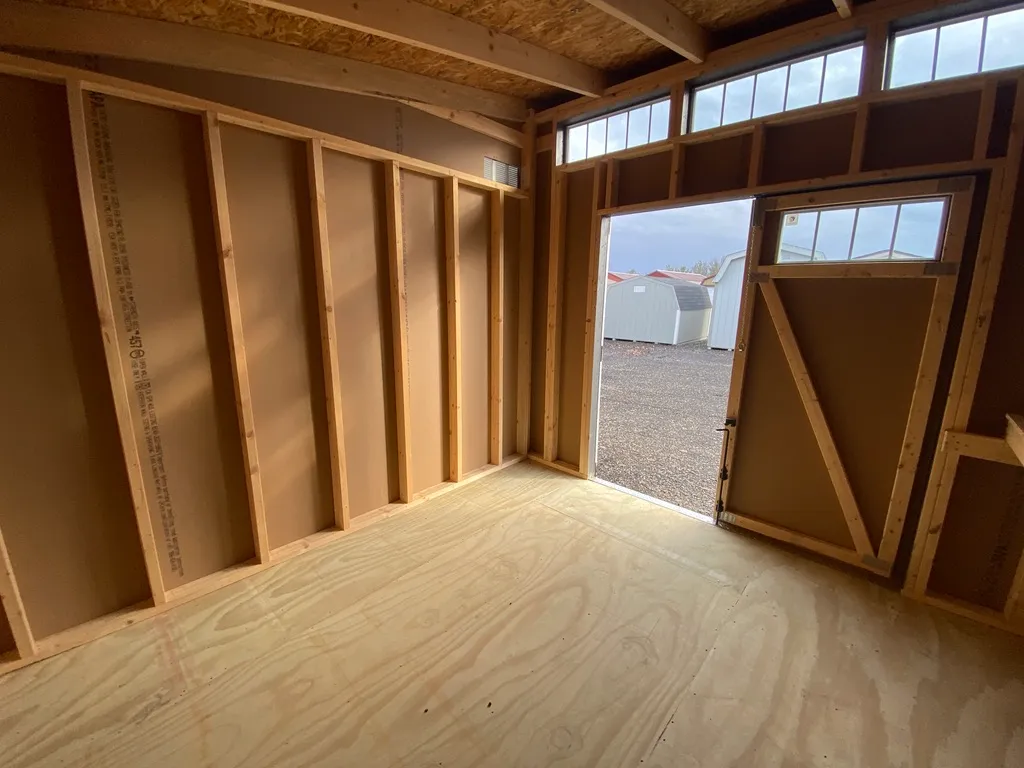
Learning how to build a storage shed ramp comes down to getting the dimensions, slope, support, surface, and transitions right. Measure the shed floor height and door width, create a comfortable approach, use weather-resistant materials, secure the frame properly, and provide enough traction for wet conditions. The ramp should be designed around the equipment that will actually use it, particularly when moving heavy lawn equipment or carts.
For homeowners planning a complete storage setup, Hartville Outdoor Products offers storage sheds, barns, garages, cabins, animal shelters, outdoor furniture, and other outdoor buildings from its Ohio locations. The website also provides shed sizes, building options, available inventory, and accessories that can help you plan convenient equipment storage. Whether you are upgrading an existing structure or purchasing a new shed, knowing how to build a storage shed ramp properly can make everyday access safer, smoother, and much more practical.