
Why Are Barns Painted Red
Estimated reading time: 6 minutes
Red barns have become one of the most recognizable symbols of rural America, but many people still wonder why they are almost always painted the same color. If you’ve ever asked, “Why are barns painted red?” the answer lies in a combination of history, practicality, and tradition. Early farmers chose red paint because it was affordable, easy to make, and helped protect wooden barns from weather, fungi, and decay. Although modern paints come in countless colors, red remains a popular choice because it honors the heritage of American farming while preserving the timeless appearance that many property owners appreciate. This guide explores the history behind red barns and explains why this tradition continues today.
The Beginning of the Tradition
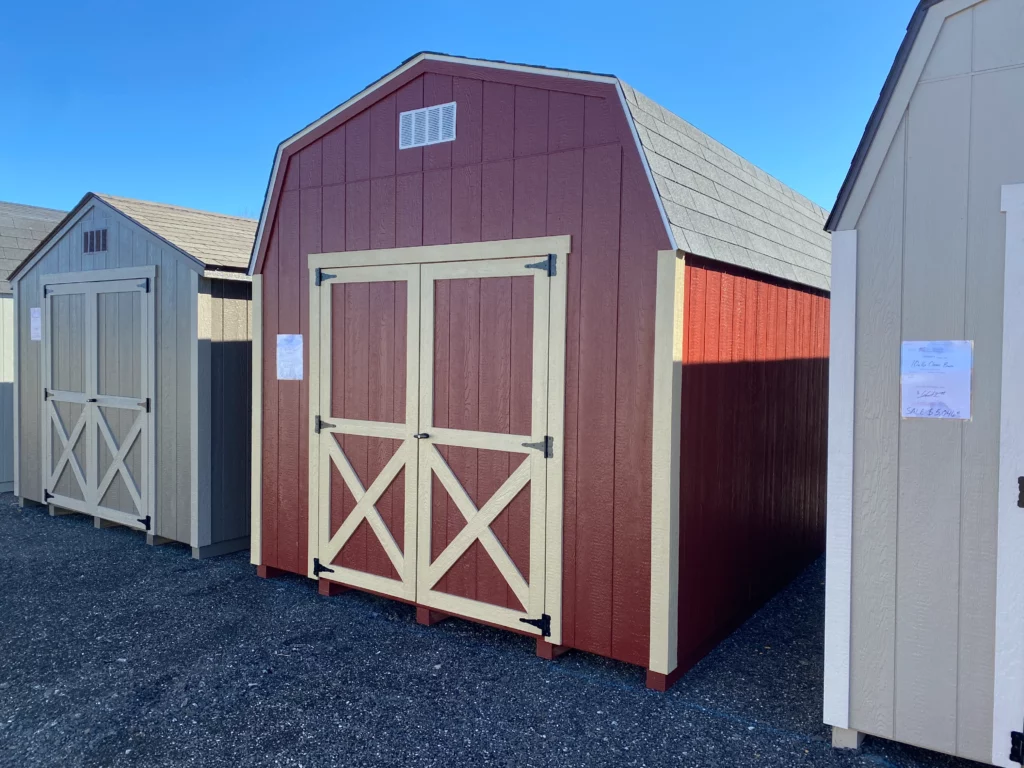
The custom of painting barns red can be traced back to farming practices. Farmers needed a method to safeguard their barns from weather conditions and wood-damaging fungi. They devised a coating using linseed oil, an orange-hued oil extracted from the flax plant, and ferrous oxide (rust) abundantly found on farms. This mixture not only sealed the wood. Also provided a unique burnt red color. As time passed, the iconic red and white barn became an emblem throughout landscapes. These red barns continue to evoke feelings of nostalgia and tradition. Examining the history of barns reveals that these structures fulfill requirements and are enduring symbols of Americana. Their widespread presence and ongoing upkeep reflect a tie to the beginnings of early American society. According to Smithsonian Magazine, early American farmers often used locally available materials to protect wooden buildings, helping establish traditions that still influence barn construction and appearance today.
Cultural Importance
In addition to its purposes, the color red represented wealth and prosperity within farming communities. The red barn served as a symbol of a farmstead. The belief in the significance of barns has contributed to establishing them as a representation of agricultural prosperity. Red barns, painted for symbolic reasons, reflect values such as strength and resilience. The bright red color of these barns serves as a feature in the landscape, signifying the core of the farm. Delving into the history of barns reveals how this tradition became widely embraced, embodying an aspect of rural life in America.
The Practicality Behind Red
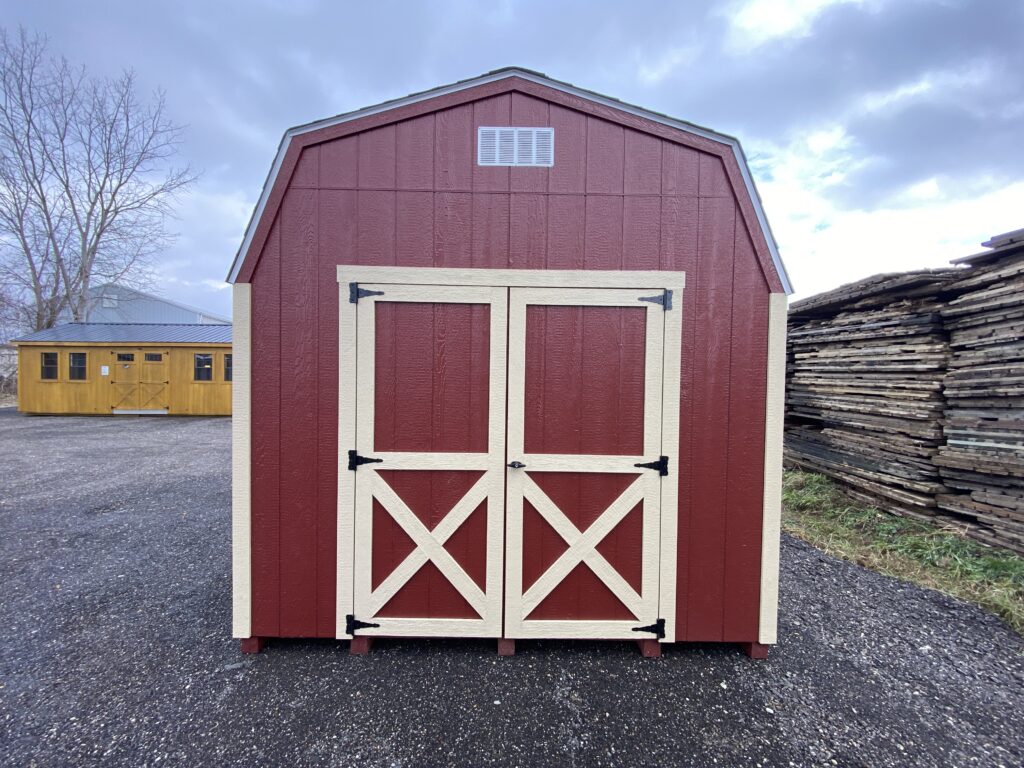
The choice of paint was driven by its accessibility and cost-effectiveness. By adding oxide to the oil-based paint mixture, farmers created a coating that helped protect the wood from deterioration. The selection of red was not arbitrary but a decision based on its practical benefits and visibility. The classic image of the barn has endured over time, symbolizing the resilience and resourcefulness found in communities. Among colors used for barns, red stands out for its functionality, offering resistance against weathering elements. The specific formulation of paint used on barns ensured longevity, showcasing farmers’ dedication to maintaining their agricultural structures.
Contemporary Takes and Diverse Choices
Even though the red barn remains a symbol of life and farming history, modern farmers now opt for different hues and tones. Despite these changes, the iconic red barn still represents tradition and agricultural heritage. Today, red remains a color choice for barns. Farmers are also exploring a variety of colors for their structures. The enduring popularity of the barn showcases its significance and ongoing presence in shaping the countryside. These modern adaptations blend customs with ideas, preserving heritage while embracing progress. If you’re inspired by the timeless appearance of traditional red barns, browse our storage barns to explore a variety of barn styles built for lasting durability and everyday use.
Did Every Barn Used to Be Painted Red?
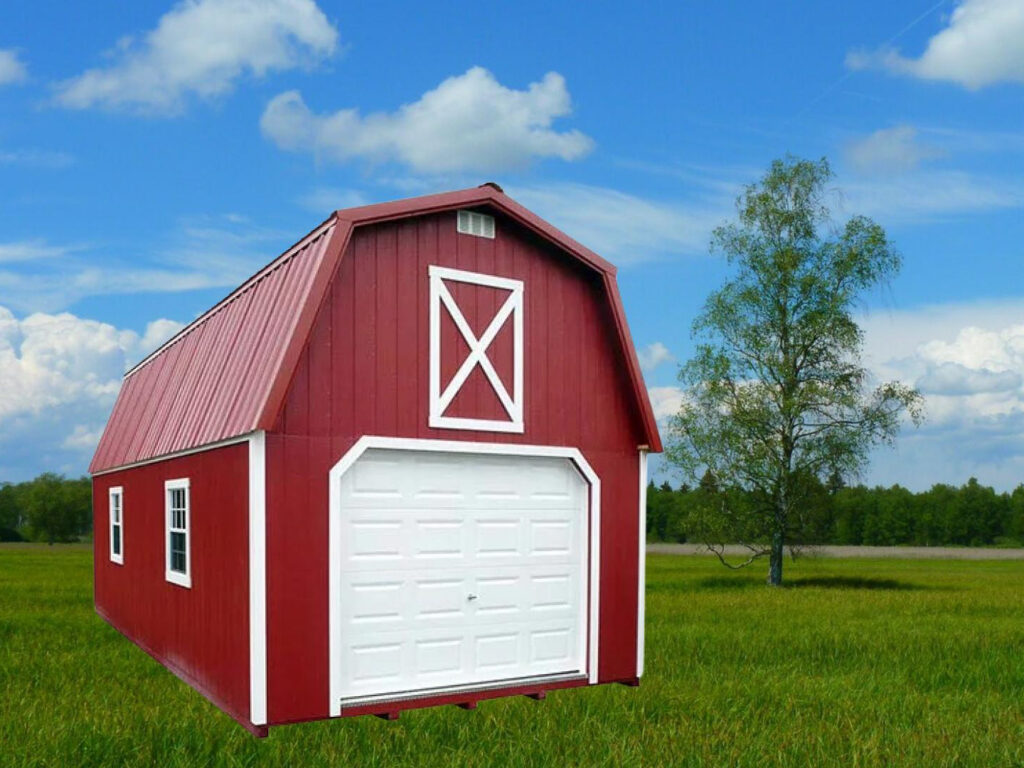
Although red became the traditional color for barns, not every barn throughout history was painted red. The appearance of a barn often depended on the materials available in a particular region. A farmer’s budget and the building’s purpose also influenced the final color. Before manufactured paint became widely available, many farmers relied on homemade mixtures. Those mixtures varied from one community to another. Some barns remained unpainted because owners preferred to let the wood weather naturally. Others received whitewash or different protective finishes instead.
Commercial paints became more affordable during the late nineteenth and early twentieth centuries. As a result, farmers gained access to a much wider selection of colors. White, gray, green, and brown barns became increasingly common. This was especially true in areas where owners wanted agricultural buildings to match nearby homes or blend into the surrounding landscape. Even with these new choices, the classic red barn remained the most recognizable. By then, it had already become a lasting symbol of American farming traditions.
Today, choosing a barn color is mostly a matter of personal preference rather than necessity. Modern exterior paints provide excellent protection in almost any color. This allows property owners to select a finish that complements their home, surrounding buildings, or landscape design. Even so, many people continue to choose red because it reflects the rich agricultural heritage that has shaped American farms for generations.
Why Red Barns Remain Popular Today
Modern barn owners continue to appreciate the timeless appearance of a traditional red barn. Whether used for equipment storage, livestock, workshops, or backyard storage, red barns create a welcoming and distinctive look. They stand out beautifully in both rural and suburban settings. The bold color contrasts with white trim, natural wood accents, and green landscapes. As a result, red remains one of the most recognizable barn colors in the country.
Advances in exterior paint technology have also made maintaining a red barn much easier. Today’s paints resist fading, moisture, mildew, and ultraviolet exposure more effectively than older products. At the same time, they preserve the classic appearance homeowners expect. Modern red barns combine historical charm with long-lasting performance. Property owners enjoy both beauty and durability for many years.
For many families, a red barn represents much more than a storage building. It reflects generations of craftsmanship, hard work, and pride in property ownership. Barn designs continue to evolve with new materials and construction methods. Even so, the traditional red exterior remains a lasting reminder of America’s farming history. It continues to inspire homeowners who want a classic outdoor structure with timeless appeal.
Conclusion
Understanding why barns are painted red reveals how practicality, affordability, and tradition shaped one of America’s most recognizable agricultural landmarks. What began as a simple way to protect wooden barns eventually became a lasting symbol of rural craftsmanship and farming heritage. Today, many homeowners continue to choose red barns because they appreciate both their classic appearance and their connection to history. If you’re looking for a barn that reflects this timeless style, Hartville Outdoor Products offers a wide selection of quality storage barns in a variety of sizes and designs. Explore our available barns to find a structure that combines traditional character with modern craftsmanship for your property.